Ceremony & Vows
What to Wear to a Hindu Wedding: A Complete Guest Guide
Hindu weddings are multi-event celebrations bursting with color, ritual, and tradition — and each event has its own dress code. This guide covers what to wear to the Haldi, Mehendi, Sangeet, main ceremony, and reception, with clear guidance on colors to embrace and colors to avoid.
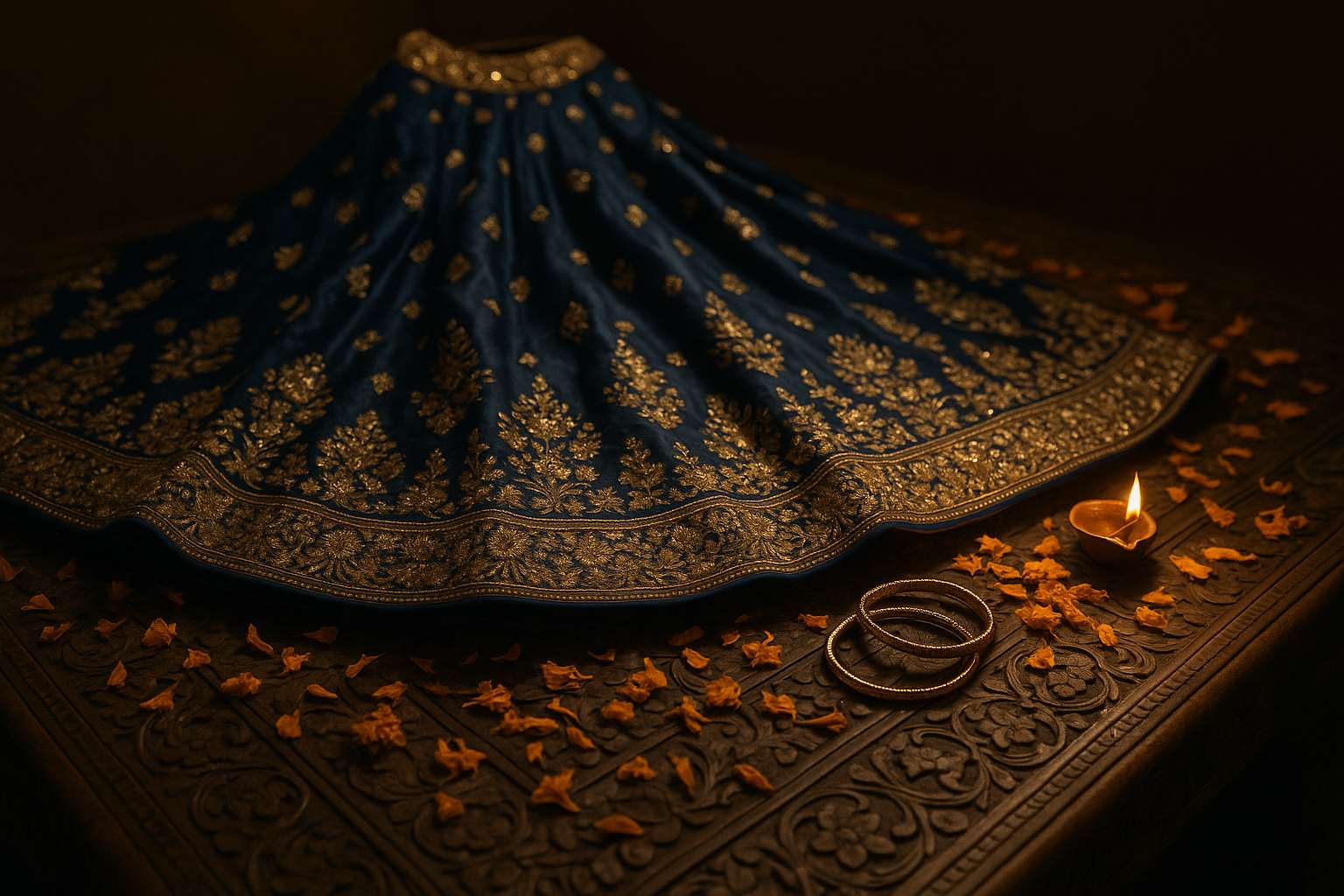
Hindu weddings are multi-event celebrations — Haldi, Mehendi, Sangeet, ceremony, and reception — each with its own distinct dress code. Embrace vibrant jewel tones and gold; avoid red (the bridal color), white (associated with mourning), and black at the religious ceremony. Traditional Indian attire is welcomed and respected; Western formal in festive colors is always appropriate, especially at the reception.
A Hindu wedding is not a single event. It is a multi-day or multi-weekend constellation of ceremonies, each with its own atmosphere, ritual significance, and dress code expectations. For a guest attending for the first time — whether a close friend or a Western guest navigating the traditions with genuine care — the attire question is not simple, because the right answer genuinely changes from one event to the next.
This guide covers each event in sequence, with the specific attire guidance that shows respect for the tradition and allows you to participate fully and joyfully in one of the most visually spectacular celebrations in any culture.
Which colors should guests wear — and which should absolutely be avoided?
Color is the first and most important attire decision at a Hindu wedding. Unlike Western weddings, where the guest dress code is primarily about formality, Hindu weddings have specific color associations that carry real cultural meaning — and wearing the wrong color to a Hindu wedding is one of the few attire choices that can genuinely offend.
| Color | Status | Why | Notes |
|---|---|---|---|
| Red and deep maroon | Avoid (ceremony) | Reserved for the bride — the most sacred bridal color in most Hindu traditions | Avoid at the wedding ceremony; some receptions are more relaxed about this |
| White | Avoid | Associated with mourning in Hindu culture; worn at funerals | Ivory or cream in small amounts as an accent is acceptable; full white outfits are not |
| Black (ceremony) | Traditionally avoided | Associated with inauspiciousness at religious ceremonies | Increasingly accepted at urban receptions; avoid at the main ceremony and Sangeet |
| Jewel tones (blue, emerald, purple, gold) | Excellent choice | Royal blue symbolizes stability; emerald represents new beginnings; purple conveys luxury | These colors photograph exceptionally well at Indian weddings |
| Yellow, mustard, orange | Perfect for Haldi | Turmeric colors that honor the ritual and hide any staining | Reserved primarily for Haldi; opt for more formal colors at the ceremony |
| Pink, coral, and deep rose | Excellent | Festive, feminine, and photogenic; widely worn by female guests | Avoid pale baby pink, which can read too close to white; deeper pinks are ideal |
What to wear to each event in the Hindu wedding celebration?
Haldi ceremony. The Haldi is the pre-wedding purification ritual in which turmeric paste is applied to the bride and groom. It is typically held the morning of or day before the wedding in a casual, outdoor or home setting. The operative word is casual — and washable. Yellow, mustard, or light orange are the expected colors, honoring the turmeric itself. Cotton, georgette, or casual silk are the right fabrics. Silk, heavily embroidered pieces, and anything dry-clean-only should stay home — turmeric staining is essentially permanent on fabric. A cotton kurta-pajama or a flowing skirt-and-top set in mustard is ideal for this event. AZA Fashions' 2026 Indian wedding guest guide recommends saving jewelry for later events and skipping anything you would be sad to lose to a splash of paste.
Mehendi (Henna) ceremony. The Mehendi evening centers on the bride's henna application, surrounded by music, dancing, and festivity. The palette opens beyond yellow — greens, soft floral prints, and warm pastels in georgette or cotton-silk work beautifully. Remove arm jewelry before arrival, as henna guests are often invited to participate. This is an evening event, so the formality notches up slightly from Haldi, but it remains more relaxed than the ceremony.
Sangeet (Music and Dance Night). The Sangeet is the most glamorous pre-wedding event — a music-filled evening built around dancing, often including competitive family performances. Dress for a party: a heavily embroidered lehenga choli, a formal silk saree, or a cocktail-length anarkali in a rich jewel tone. Sparkle and movement matter equally here. Western guests who prefer not to wear traditional Indian attire can wear a formal gown or cocktail dress in a vibrant color. The Knot's Indian wedding guest guide notes that evening gowns are entirely appropriate for the Sangeet for Western guests who want festive attire without traditional Indian silhouettes.
Main wedding ceremony. The ceremony is the most sacred event of the entire celebration and calls for your most formal, most respectful look. Women: a silk or brocade saree in a jewel tone, a formal lehenga choli, or a long formal gown in a rich color. Shoulders should be covered or covered with a dupatta; necklines should be modest. Remove shoes before entering the mandap area — bring comfortable formal footwear you can remove easily. Men: a silk kurta-pajama or full sherwani for the most resonant traditional choice; a well-fitted formal suit in dark navy, charcoal, or jewel tones for a Western alternative. Avoid black and white. David's Bridal's Hindu wedding attire guide recommends that Western guests who choose Indian attire for the ceremony are received as a particularly respectful and welcomed choice.
Reception. The reception is the most flexible event and often the most glamorous. Western formal attire in vibrant colors is fully appropriate and widely worn by guests of all backgrounds. Fusion wear — saree gowns, lehenga dresses, and Indo-Western anarkali silhouettes — is popular and celebrated. The reception is also where black is most accepted in contemporary urban weddings, though jewel tones and warm colors remain the dominant choice. The goal, at every event, is to dress as though you honor the occasion fully — because you do.
Can non-Indian guests wear traditional Indian attire?
For many first-time Western guests, the most anxious question is not which color to choose but whether wearing a saree, lehenga, or kurta would be welcomed or read as appropriation. In the context of a wedding you have been personally invited to, the answer is clear and warm: traditional Indian attire worn by a guest is overwhelmingly received as a gesture of respect and participation, not overstepping. The distinction matters — wearing a sacred or religious garment you do not understand is different from dressing festively in the celebratory clothing the hosts themselves are wearing and want their guests to enjoy.
If you would like to wear Indian attire but feel uncertain, the simplest path is to ask the couple or a member of the family; they are almost always delighted to help and will often shop with you or lend a piece. Renting is also a fully accepted, budget-friendly option — several U.S.-based South Asian rental services offer sarees and lehengas for one-to-three-day rentals, so you can wear high-quality traditional attire without buying it outright. If you prefer Western clothing, that is equally appropriate; a formal dress in a vibrant jewel tone with a few gold accessories coordinates beautifully without any traditional silhouette. The Knot's Indian wedding guest guide reassures first-time guests that the families hosting these celebrations want you to feel comfortable and included, and that genuine effort — in either Indian or Western attire — is what they notice and appreciate most.
Frequently asked
Can non-Indian guests wear Western formal attire to a Hindu wedding?
Yes — Western formal attire is fully appropriate at a Hindu wedding, particularly at the reception. The key is choosing colors that are festive and vibrant rather than muted or neutral: a cocktail dress or gown in royal blue, emerald green, deep purple, coral, or warm gold communicates celebration and fits the joyful tone of the occasion. What should be avoided regardless of Western or traditional attire: red (reserved for the bride), white (associated with mourning in most Hindu communities), and black at the religious ceremony itself (considered inauspicious at traditional ceremonies, though increasingly accepted at urban receptions). Non-Indian guests who wear a saree, lehenga, or salwar kameez are received as a beautiful gesture of cultural respect — it is never inappropriate to try traditional Indian attire. Many Indian American families find it genuinely touching when Western friends make the effort.
What is the difference between attire for the Sangeet and the main wedding ceremony?
The Sangeet is a festive, music-centered evening celebration built around dancing — often competitive performances by both families — and calls for glamorous, movement-friendly attire with sparkle and color. Lehenga cholis in rich fabrics, embellished salwar kameez, or a formal Western gown in a bright jewel tone are all appropriate. The energy is celebratory and theatrical, and there is no such thing as being overdressed. The main wedding ceremony is the most sacred event of the multi-day celebration and calls for your most formal and culturally respectful look: a silk or brocade saree for the traditional choice, a heavily embroidered lehenga, or for Western guests, a full-length formal gown in a vibrant color. Coverage matters at the ceremony — shoulders should not be bare, and modest necklines are respectful. Remove your shoes before entering the mandap area. Save your most casual pieces for the Haldi.
What should I wear to the Haldi ceremony, and why is it different from other events?
The Haldi is a pre-wedding ritual in which turmeric paste is applied to the bride and groom for purification and good fortune — and the splashes travel. Guests who participate actively can expect turmeric staining, which is famously permanent on fabric. The dress code is almost universally yellow, mustard, or light orange (turmeric colors that hide the staining) and the expectation is that guests wear something they genuinely do not mind getting marked. Cotton and georgette in washable fabrics are ideal — a simple Anarkali kurta, a flowy skirt-and-top set, or a comfortable cotton saree. Avoid silk, heavily embroidered pieces, dry-clean-only fabrics, or anything you would be devastated to stain. The Haldi is typically a daytime, outdoor event, so comfort and practicality lead. Think of it as the joyful, informal cousin of the formal events that follow — dress accordingly and throw yourself into it.
What jewelry is appropriate for a Hindu wedding guest?
Gold jewelry — whether genuine or high-quality costume gold — is the traditional and most welcomed choice for Hindu wedding guests. Statement pieces that read as celebratory are entirely appropriate: a chandelier earring with a saree, a layered necklace set with a lehenga, gold bangles stacked on the wrist. Kundan, polki, and temple jewelry are all traditionally resonant choices for guests wearing Indian attire. For Western guests in formal Western clothing, gold jewelry remains appropriate and unifying — a pair of gold hoop earrings and a simple gold cuff are subtle gestures of coordination that will not go unnoticed by the family. Diamonds, pearls, and colored stones are all welcome. What to skip: casual or costume jewelry that reads as beach or weekend wear, which clashes with the elevated occasion. Remove arm jewelry before the Mehendi event, as it interferes with the henna application.
How should male guests dress for a Hindu wedding?
Male guests have two equally appropriate options at most Hindu weddings. The first is traditional Indian attire: a kurta-pajama in silk or brocade (a long tunic with matching or coordinating trousers), or a full sherwani (a knee-length jacket over churidar trousers) for the most formal events like the main ceremony and reception. Embroidered or printed kurtas in jewel tones or ivory are festive and appropriate. The second option is Western formal: a well-fitted suit in navy, charcoal, or dark grey with a dress shirt and tie or pocket square in a vibrant or warm color. A velvet blazer in a rich tone — burgundy, deep blue, or forest green — works beautifully at the reception. Avoid black suits at the religious ceremony. For the Haldi, casual Indian-inspired attire (a simple kurta in yellow or mustard) is most appropriate. For the Sangeet, something that can move freely on the dance floor is practical wisdom alongside the dress code.
Is it acceptable to wear the same outfit to more than one Hindu wedding event?
At multi-day Indian weddings, each event is treated as its own celebration with its own dress code — and appearing in the same outfit across multiple events is noticed and generally avoided by guests who wish to honor the occasion fully. Most guests bring or rent different outfits for the Haldi, the Mehendi or Sangeet, and the ceremony and reception. If budget or logistics limit you to two outfits, the most practical split is one look for the casual pre-events (Haldi and Mehendi) and a separate formal look for the ceremony and reception. If you can only attend in one outfit, the ceremony look is the one to prioritize. Renting is a fully accepted and practical option for Indian wedding attire — several U.S.-based South Asian bridal rental services offer sarees and lehengas for one to three-day rentals, making high-quality traditional attire accessible without the cost of purchasing.