Etiquette & Guests
Second Wedding Etiquette: The Complete 2026 Guide
A second wedding deserves just as much joy as the first — and far less anxiety about the "rules." Here is what modern etiquette actually says about dress, registry, guest lists, and more.
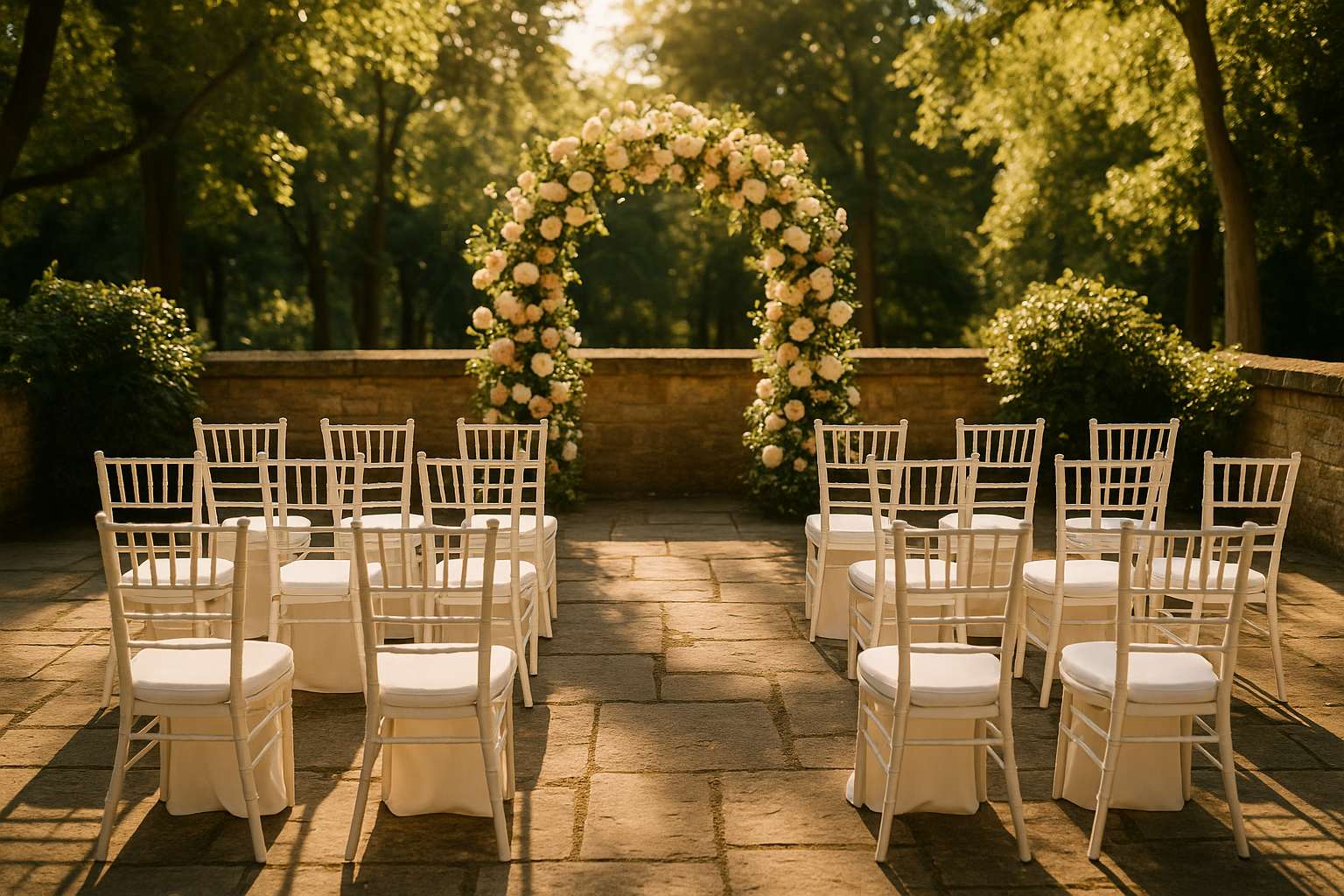
Second wedding etiquette in 2026 is defined by one principle: what made a couple happy the first time matters less than what makes this couple happy now. The dress, the registry, the formality level, and the guest list are all entirely theirs to decide. Modern etiquette opens almost every door that tradition once closed.
Love found again is not a lesser love — and a second wedding is not a lesser wedding. Yet many couples approaching a second marriage carry a quiet uncertainty about what is "allowed," a vague worry that the rules are different, that something about this celebration should be smaller or more restrained than the first.
This guide is here to put that uncertainty to rest. Modern etiquette in 2026 has evolved significantly, and the picture it paints is one of nearly unlimited freedom — with a few enduring principles worth knowing.
What does modern etiquette actually say about second weddings?
The short answer: far less restriction than couples expect. The long answer begins with understanding why older conventions existed. Many of the old "rules" for second weddings — no white dress, no veil, no formal reception, no registry — grew from a cultural context that treated a second marriage as something to be acknowledged quietly, even apologetically. That context has dissolved. In 2025–2026, according to Spruce Mountain Events and leading etiquette sources, second marriages are celebrated with the same fullness and joy as first marriages, and guests expect them to be.
What endures from traditional etiquette: the courtesy of communicating clearly, honoring guests' time and travel, expressing genuine gratitude, and never putting registry information on the invitation itself. These principles apply to every wedding, regardless of number.
The dress: white, veil, and everything in between
Perhaps the most persistent myth about second weddings is that the bride cannot wear white or a veil. This is simply untrue in 2026. Emily Post's modern guidance, The Knot, and nearly every etiquette authority now agree: a bride getting married for the second time may wear whatever makes her feel most beautiful and true to herself.
In practice, many second-time brides do choose something different from a traditional white ball gown — not because the rules require it, but because their taste has evolved. Blush, champagne, ivory, sage, and deep floral prints are all popular. Sophisticated midi-length or tea-length dresses appeal to brides who want elegance without formality. A sleek jumpsuit, a silk slip dress, or a tailored suit makes a striking statement. A second-time bride who wants a full cathedral-length white gown and a long veil should wear it with complete confidence.
The trend in 2026 noted by K&B Bridals is toward a "second wedding dress" — a reception change outfit, often more festive and relaxed than the ceremony gown, that allows the bride to dance the night away in something different. This is entirely optional and thoroughly enjoyed by those who choose it.
Registry: how to register when you already have a household
The modern consensus on second wedding registries, as articulated by Crate & Barrel and Joy, is straightforward: registering is appropriate, helpful to guests, and increasingly expected. The registry simply looks different.
| Registry type | Best for | Guest experience |
|---|---|---|
| Honeymoon / travel fund (e.g., Zola Honeymoon Fund) | Couples who already have full households and want shared experiences | Easy to give any amount; feels generous rather than transactional |
| Experience registry (cooking classes, spa, restaurants) | Couples who value shared activities over objects | Personal and memorable; guests enjoy giving something unique |
| Home upgrade registry (Crate & Barrel, Williams-Sonoma) | Couples who are merging two households and want intentional upgrades | Familiar format; wide price range accommodates all budgets |
| Charity donation registry | Couples who genuinely need nothing and have a shared cause | Meaningful; especially appreciated among older guest demographics |
| Cash registry / Venmo / PayPal | Couples saving for a home, renovation, or major goal | Increasingly accepted; state the purpose clearly to make it feel personal |
The etiquette rule that does not change: registry information still does not belong on the invitation itself — not on the main card, not on the envelope, not on the RSVP. Direct guests to your wedding website, where a dedicated registry page is entirely appropriate.
Guest list: smaller is more common, but not required
Many second-time couples choose a smaller, more intentional guest list — not because etiquette requires it, but because their vision for the day has evolved. A seated dinner of 30 people who genuinely matter to you creates a different atmosphere than a 150-person celebration, and many couples find that experience more meaningful the second time. Zola's 2026 planning data suggests that second weddings average approximately 50–80 guests in the United States, compared to the first-wedding national average of 117.
None of this is obligatory. A second wedding can have 200 guests, a full formal reception, and every element of a traditional first wedding celebration. The only genuine etiquette guidance: if your guest list is smaller than your first wedding, be thoughtful and consistent about who you include and who you do not — and communicate your vision directly to close family before they hear about the occasion through other channels.
Involving children from previous relationships
When children from a previous relationship are part of the picture, the second wedding becomes a family event in a deeper sense. Modern etiquette encourages couples to have honest, age-appropriate conversations with their children about the wedding long before it happens — and to honor whatever level of involvement feels right to the child, not just to the adults.
Popular ways to include children who are enthusiastic and ready: walking a parent down the aisle, reading a poem or short passage during the ceremony, participating in a family unity ceremony (unity sand with separate vessels for children is a classic choice), or serving as junior attendants in the wedding party. The Family Medallion ceremony — in which the officiant presents the children with a symbolic medallion representing the new blended family — has grown in popularity and is available from a number of vendors on Etsy and through wedding supply retailers.
Children who are not yet comfortable with the wedding are best honored by not requiring their public participation — a private, loving moment before or after the ceremony often means far more than a staged public role that does not feel genuine to them.
Traditions to keep, modify, or let go
The second wedding is, above all, permission to design a celebration that is authentically yours. Most couples find that their second wedding reflects a clearer sense of what they actually value — less driven by expectation, more driven by genuine preference. Here is a brief guide to what tends to change:
- Keep: The vows (write them from scratch — they matter even more the second time), the first dance, the personal toasts, flowers that genuinely delight you, and every element that makes the day feel like a celebration of this specific love
- Modify: The formality level (most second weddings are slightly less formal than first weddings, though there is no rule requiring this), the reception length, and the degree of wedding industry "tradition" you incorporate
- Let go without guilt: The expectation that the celebration must be smaller or quieter, the idea that any element is off-limits because it was part of a previous wedding, and any tradition that genuinely does not resonate with who you both are now
The second wedding is not a do-over. It is a genuine beginning, celebrated with the wisdom that comes from having loved before and chosen to love again. Etiquette, at its best, simply gives you a framework — the decision about what fills that framework belongs entirely to you.
Frequently asked
Can a bride wear white to her second wedding?
Absolutely yes. The old convention that a bride could not wear white or a veil at a second wedding is a relic of an earlier era and has no meaningful hold on modern etiquette. The Knot, Emily Post's modern guidance, and every leading etiquette authority in 2025–2026 agree: a bride getting married for the second time should wear whatever makes her feel most confident, beautiful, and true to herself on her wedding day. If that is a traditional white gown with a cathedral veil, it is entirely appropriate. Many brides choosing a second wedding prefer a more distinctive look — a blush gown, a champagne silk slip dress, a sophisticated jumpsuit, a colored lace dress — as a natural expression of their evolved personal style rather than a rule-based constraint. The only guidance that endures: guests should not wear white. That rule does not waver regardless of which wedding number it is.
Is it appropriate to have a wedding registry for a second marriage?
Yes, it is appropriate — and in 2025–2026, it is increasingly common. The old convention held that a second-time couple already had household essentials and therefore registering was presumptuous. The modern view, endorsed by sources including Crate & Barrel and Joy, is that a registry is a hospitality service to guests: it tells them what you genuinely want and removes the guesswork of gift-giving. Couples marrying for the second time often register differently — for experience-based gifts like a honeymoon fund or an Airbnb credit, for upgrades to items they already have but love, for charity donations, or for home improvement contributions. Many guests actually prefer giving cash or experiences and a registry that makes this easy is a gift in itself. The etiquette rule that endures: registry information still does not belong on the wedding invitation itself — direct guests to your wedding website.
How should second wedding invitations differ from a first wedding?
Substantially less than most couples expect. The invitation should reflect the tone and formality of the event — a formal venue warrants a formal invitation regardless of whether it is a first or second marriage. The host line typically follows the same modern conventions: the couple may host themselves, both sets of parents may be listed if contributing, or just one family may be named. If the ceremony is more intimate, a simpler invitation design is entirely fitting. One meaningful shift is the tone: second wedding invitations often feel somewhat warmer and more personal than a first wedding's formal suite — less about announcing a social event and more about genuinely inviting people into a celebration of love found again. Children of the couple, if they will have a role in the ceremony, can be acknowledged warmly on the invitation or ceremony program. There is no rule requiring different wording, simply because it is a second marriage.
Should children from previous relationships be involved in a second wedding?
There is no single right answer, and the decision belongs entirely to the couple and the children — ideally arrived at through genuine, age-appropriate conversation. When children are enthusiastic and comfortable, involving them can be deeply meaningful: walking a parent down the aisle, a unity ceremony that incorporates the whole new family (a unity candle or sand ceremony with additional vessels for children, or a Family Medallion ceremony), or a dedicated role like flower girl, ring bearer, or junior attendant. When children are ambivalent or uncomfortable, honoring that honestly is the more loving choice. Forcing a participation that feels coerced creates resentment rather than joy. Many couples find a private, intimate moment before or after the ceremony — a small family ceremony, a gift, or a letter — more meaningful than a staged public role. No etiquette authority requires children's involvement; warmth and honesty about their readiness is the only standard that matters.
Who typically pays for a second wedding?
In 2025–2026, the majority of second-time couples pay for their own wedding. The historical convention that the bride's parents paid for the wedding almost always applied to first weddings; the rehearsal dinner tradition of the groom's family contributing had similar first-wedding roots. For second marriages, parental financial contribution is generous and welcome when offered, but is far less expected and less common. Many couples marrying for the second time are in their 30s, 40s, or later — financially established and often choosing to host an event that reflects their own vision rather than their families' social obligations. A second wedding is often smaller, more intimate, and more deliberately designed than a first: a seated dinner for 30 close friends and family rather than a 150-person ballroom celebration. The budget follows the vision, and the vision belongs to the couple.
Is there etiquette around what guests say to a second-time couple?
Yes — and the core rule is simple: do not make comparisons to the previous marriage or the previous wedding. Any reference to the first spouse, the first wedding, the previous relationship, or speculation about what went wrong is an etiquette violation and a genuine unkindness. The proper approach is exactly the same warmth and congratulations you would bring to any wedding — focus on the joy of the occasion, express genuine happiness for the couple, and let them set the conversational tone. If the couple brings up their history themselves, follow their lead. If they do not, there is no reason you ever need to. Gift-giving etiquette for second weddings leans toward cash, experiences, or something personal and meaningful rather than registry items, though a registry item is always an acceptable choice if one is provided.