Fashion & Beauty
Average Cost of Wedding Dress: A 2026 Breakdown
The average American bride spends $2,100 on her wedding gown — but the true cost of the dress, including alterations, accessories, and hidden fees, runs $2,800 to $3,500. Here is every number you need to budget with confidence.
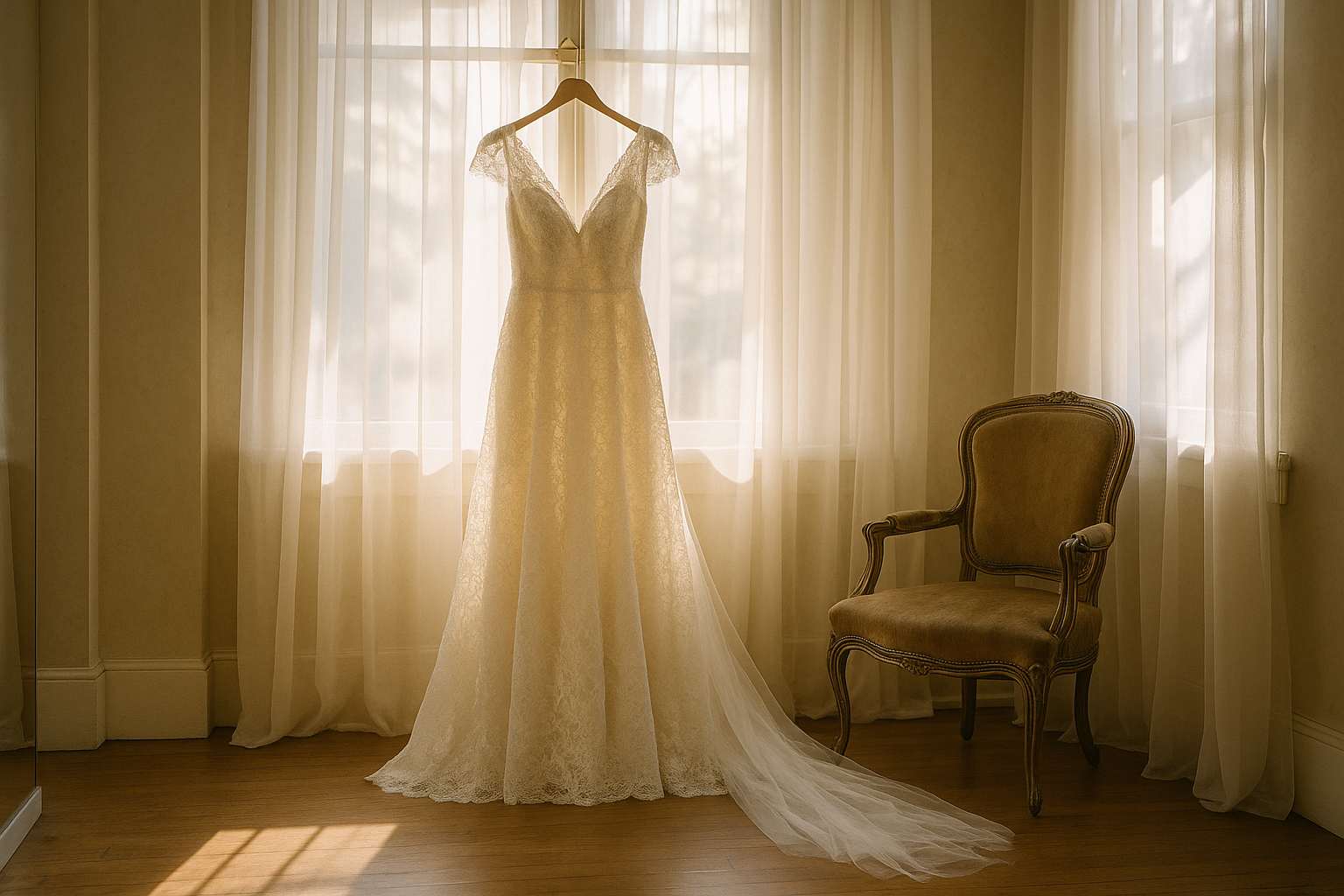
The average American bride spends approximately $2,100 on her wedding dress in 2026, according to The Knot's Real Weddings Study. The true all-in investment — adding alterations, accessories, a veil, and tax — runs $2,800 to $3,500 for most brides. Knowing both numbers before your first appointment is the foundation of a confident dress search.
Every year, thousands of brides walk into bridal boutiques with one number in mind and walk out having committed to something meaningfully different. The disconnect is almost never dishonesty — it is incomplete information. The sticker price on a wedding gown tells you what the garment costs. It does not tell you what it costs to wear the gown on your wedding day. This guide closes that gap.
The data used throughout comes from The Knot's 2026 Real Weddings Study, which surveyed 10,474 U.S. couples married in 2025 — the most comprehensive bridal spending dataset available. Regional figures and retailer-tier analysis are drawn from Zola's 2026 Wedding Spend Survey, Bridal Retailers Association sales data, and independent boutique reporting.
What does the average wedding dress cost in 2026?
The national average for a wedding gown — the dress alone, before alterations or accessories — is approximately $2,100. That figure reflects a wide distribution: the majority of brides fall in the $1,500–$2,500 range, while one in five spends $4,000 or more on their full bridal look. A meaningful minority of brides shop off-the-rack or pre-owned and spend under $1,000.
What the average conceals is how powerfully location, retailer type, and designer tier shape that number. A bride shopping at a David's Bridal in Indianapolis and a bride at a designer boutique in Manhattan are both part of the same national average — yet they are having entirely different experiences.
| Region / Retailer Type | Typical Gown Price Range | Notes |
|---|---|---|
| NYC / San Francisco metro boutiques | $2,500–$3,300 | Higher studio overhead and labor; designer-forward inventory |
| Mid-Atlantic boutiques | $2,000–$2,500 | Strong mid-range and designer trunk-show market |
| Midwest boutiques | $1,800–$2,400 | Strong value per quality; many independent boutiques |
| South / Mountain West boutiques | $1,600–$2,200 | Below-average pricing with quality comparable to national mid-range |
| Chain retailers (David's Bridal, etc.) | $500–$2,000 | Off-the-rack or short-lead in-house labels; limited designer lines |
| Online made-to-measure (Azazie, etc.) | $300–$1,500 | Lower price but cannot try before purchasing; verify return policy |
| Pre-owned (StillWhite, consignment) | 50–70% below original retail | Alterations may offset savings; excellent for designer gowns on budget |
| Luxury designer (Monique Lhuillier, Vera Wang ready-to-wear) | $5,000–$12,000 | Couture craftsmanship; exclusive retail and trunk-show access |
What are the real hidden costs brides forget to budget?
The gown's purchase price is the entry point, not the final number. Based on data from boutiques and bridal alterations studios nationwide, the realistic additions to budget are:
Alterations: The most commonly underestimated cost. Standard alterations — hemming, taking in or letting out the bodice, adding a bustle, adjusting straps — run $300–$600 at most studios. Gowns with heavy beading, intricate lace patterns, or complex structural elements can require $800–$1,200 or more in skilled alterations work. No gown purchased from a boutique, sample sale, or pre-owned platform skips this line item.
Rush fees: Ordering a gown within three to five months of your wedding date triggers rush production fees. Depending on the designer, these run $150–$500 and do not guarantee the same timeline as a standard order. Most bridal professionals recommend ordering no later than eight to nine months before the wedding to avoid this entirely.
Accessories: A veil alone ranges from $80 for a simple elbow-length style to $500 or more for an embellished cathedral veil. A bridal belt or sash adds $100–$300. Shoes, a hairpiece, and jewelry can add another $200–$600 depending on your choices.
Undergarments: The correct foundation pieces for a structured gown — a longline bra, shapewear, or a petticoat — cost $50–$200 and are not optional if you want the gown to perform as intended.
Sales tax and import tariffs: State sales tax on a $2,500 gown can add $150–$250. Notably, trade policy changes in 2025–2026 have added an estimated 10–20% to the wholesale cost of gowns manufactured overseas (the majority of mid-range bridal production). This has translated to visible retail price increases over the past 12 months. Boutiques are absorbing part of this; some is being passed to consumers.
Preservation and cleaning: Post-wedding gown preservation by a specialist service runs $250–$750 depending on fabric complexity and whether you choose museum-quality boxed storage or a hang-clean option.
How much should you actually budget for your wedding dress — total?
Bridal industry professionals consistently recommend allocating 8–10% of your total wedding budget to all bridal attire, which means the gown plus every associated cost. The Knot's 2026 study suggests some brides are stretching this to 12–18% when the dress becomes a top priority. Either way, the operative word is total: the gown price alone should not be your ceiling.
A practical planning framework: whatever price you tell the boutique consultant you want to spend on the gown, keep $600–$1,000 in reserve for the post-purchase costs listed above. A bride who tells a consultant her budget is $2,000 and who then has no remaining reserve for alterations and a veil is not budget-planning — she is deferring a problem.
What are the smartest ways to get the best value on a wedding dress?
Understanding the market reveals real strategies that work:
Shop trunk shows. When a designer sends their full collection to a boutique for a limited weekend, brides gain access to styles not in regular inventory — and often exclusive trunk-show pricing or complimentary customization. Monique Lhuillier, Maggie Sottero, and similar houses run regular trunk shows at boutiques across the country. Follow your preferred designers on social media to track schedules, or ask local boutiques to notify you.
Consider a sample sale strategically. A floor sample at 40–70% off from a boutique that carries quality designer lines represents genuine value — if the sample is in approximately your size and the gown's condition is sound. Factor in potentially higher alteration costs for a sample (which has been tried on many times and may need more work).
Shop just after peak season. January and February are historically the best months for sample sales and clearance pricing as boutiques rotate stock after fall and holiday trunk shows.
Tell your consultant your real budget. Concealing your budget from a bridal consultant does not protect you — it ensures you see options misaligned with what you can actually spend. Consultants are trained to find beautiful gowns at every price point. Honesty enables them to do their job.
Ask about designer diffusion lines. Many luxury designers — including Vera Wang's White by Vera Wang collection at David's Bridal — offer accessible lines at a fraction of the flagship price. The aesthetic DNA is similar; the production tier differs.
What does the gown purchase timeline look like in 2026?
The production timeline for most made-to-order bridal gowns has not compressed since the pandemic supply chain disruptions — if anything, the 2025–2026 tariff environment has added additional shipping complexity. The recommended timeline for most brides:
- Begin boutique appointments: 10–12 months before the wedding
- Place your order: 8–9 months before the wedding (to allow for 4–6 months production plus alterations time)
- Gown arrives at the salon: 3–5 months before the wedding
- First fitting: 10–12 weeks before
- Final fitting: 2–3 weeks before
Brides ordering within six months of their wedding date should ask the boutique explicitly about which designers can still meet the timeline — and prepare for rush fees. Fewer than four months out, the realistic path shifts primarily to in-stock, off-the-rack, and sample options, which require no production time but do require alterations.
Frequently asked
What is the average cost of a wedding dress in the United States in 2026?
According to The Knot's 2026 Real Weddings Study — which surveyed 10,474 U.S. couples married in 2025 — the average cost of a wedding dress is approximately $2,100. Zola's comparable research for 2026 places average bridal attire spend at $2,250. The Bridal Retailers Association, drawing on sales data from over 300 U.S. salons, puts the average at $2,198 including alterations but excluding accessories and veil. Most brides fall in the $1,500–$2,500 range, with roughly one in five spending $4,000 or more on their full bridal look. These averages reflect standard made-to-order gowns purchased through boutiques; off-the-rack and pre-owned purchases pull the median lower.
What are the hidden costs that make a wedding dress more expensive than the sticker price?
The tag price on a wedding gown is only the beginning of the true investment. Brides consistently underestimate the following additions: alterations ($300–$800 for most gowns; up to $1,200 for complex beaded or lace designs); a rush fee if ordering within four to six months of the wedding ($150–$500 depending on the designer); shipping and handling from the manufacturer ($50–$150); a veil ($80–$500 or more for embellished cathedral lengths); the correct foundation undergarments ($50–$200); accessories such as a belt, hairpiece, or shoes ($100–$500+); and post-wedding gown preservation and cleaning ($250–$750). State sales tax on a $2,500 gown can add another $150–$250 depending on your state. A realistic all-in budget for a bride spending $2,000 on the gown itself is $2,800–$3,500.
How much do wedding dresses cost at different types of retailers?
Where you shop dramatically shapes what you pay. Full-service bridal boutiques carrying mid-range designer labels (Maggie Sottero, Justin Alexander, Allure Bridals) typically run $1,500–$4,500 for a new made-to-order gown. Chain bridal retailers like David's Bridal offer in-house designs from $500–$2,000, often available off-the-rack with short lead times. Designer luxury gowns from houses such as Monique Lhuillier or Vera Wang begin around $5,000–$8,000 for ready-to-wear and rise to $15,000–$50,000+ at the couture level. Online retailers like Azazie offer made-to-measure gowns from $300–$1,500 with significant trade-offs in service and fit. Pre-owned platforms like StillWhite or PreOwnedWeddingDresses.com can yield designer gowns at 50–70% off retail, with alterations costs potentially offsetting some savings.
How do wedding dress costs vary by region in the United States?
Regional variation in wedding dress pricing is significant and follows broader cost-of-living patterns. Brides in New York City and San Francisco metro areas typically spend $2,500–$3,300 on their gown — roughly 25–35% above the national average — due to higher boutique overhead and labor costs. Mid-Atlantic and Midwest brides average closer to $2,200–$2,500. Southern and Mountain West brides often find boutique options in the $1,800–$2,200 range. Brides hosting destination weddings — particularly international celebrations — tend to spend more, averaging around $2,900, likely because they are more likely to shop at higher-end boutiques. For all regions, import tariffs enacted in 2025–2026 on goods from major gown-producing countries (China, Vietnam, India) have pushed wholesale and retail prices up an estimated 10–20%.
What percentage of my wedding budget should I allocate to the dress?
Wedding planners and industry professionals consistently recommend allocating 8–10% of your total wedding budget to bridal attire — the gown plus all associated accessories and alterations. On a $30,000 wedding, that implies $2,400–$3,000; on a $20,000 wedding, $1,600–$2,000. The Knot's 2026 Real Weddings Study found that some brides are spending as much as 12–18% of their total budget on attire, which can unbalance other priorities. Setting a firm upper limit before your first boutique appointment — and sharing that number honestly with your consultant — is the single most effective way to protect your overall budget. Remember to include the total dress investment (gown plus alterations plus accessories) in the percentage calculation, not just the gown price alone.
Is it possible to find a beautiful wedding dress for under $1,000?
Yes — and not only at lower quality. Several legitimate paths lead to beautiful gowns under $1,000. Sample sales at full-service boutiques sell floor-model designer gowns at 40–70% off retail; a $3,500 gown from a well-known designer can sell for $900–$1,400 at a sample sale, though sizes are limited and alterations may be needed. David's Bridal and comparable chain retailers carry new gowns from $299–$900. Pre-owned platforms like StillWhite frequently list designer gowns under $1,000 that retailed for multiples of that. The trade-off in these categories is timeline flexibility (sample and pre-owned gowns must fit within the existing sizing range) and the absence of the made-to-order production window. Budget for alterations regardless of purchase channel — they are not optional, they are essential.