Fashion & Beauty
Bridal Hair Extensions: The Complete 2026 Guide
Clip-ins, tape-ins, K-tips, and halos — every extension method explained with honest costs, timing, and what your stylist needs to know before your trial.
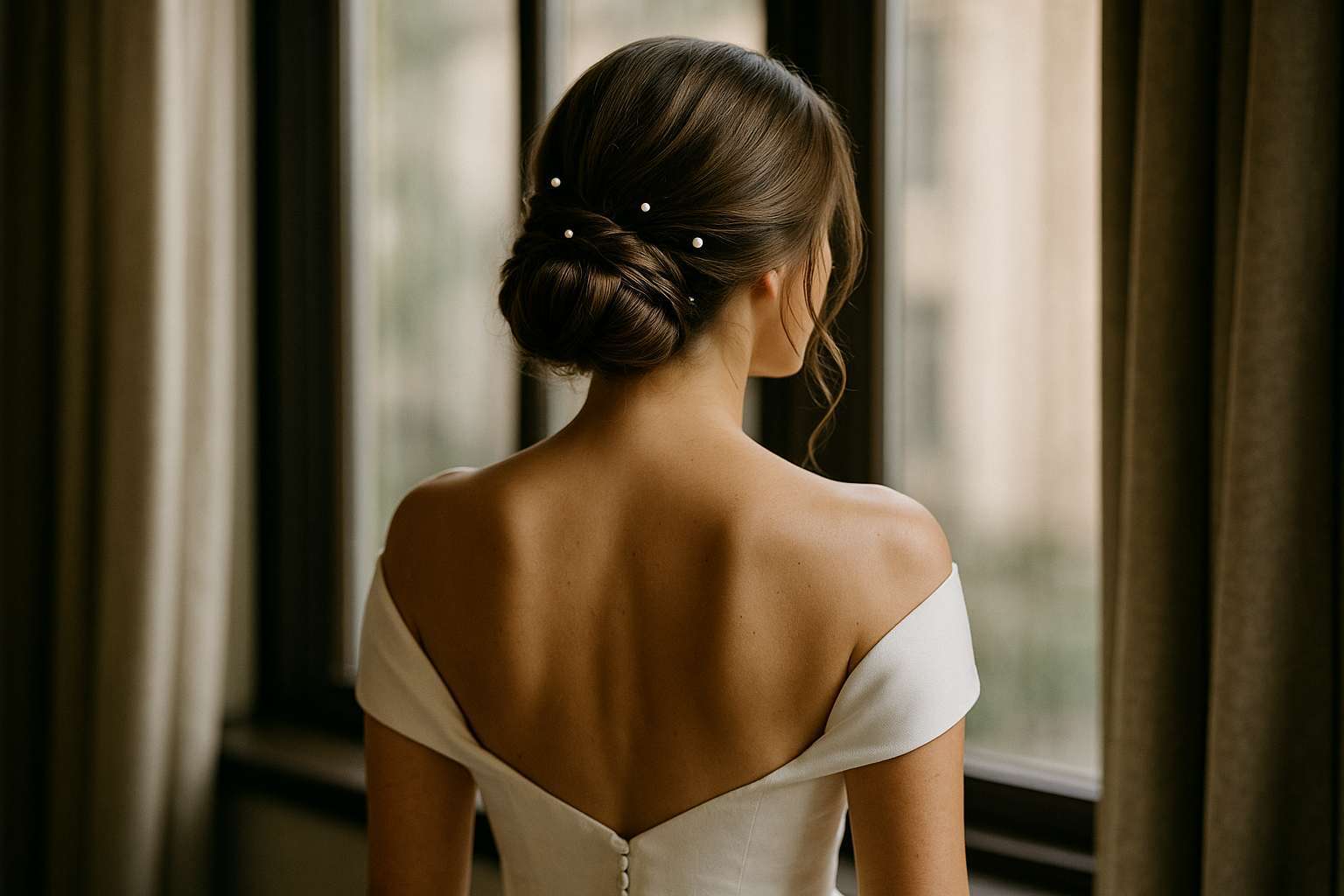
The best bridal hair extension for your wedding depends on your timeline and hair type: clip-ins and halos for a single-day commitment ($100–$500), tape-ins for seamless coverage across all pre-wedding events ($600–$1,500), and K-tip fusion for the most undetectable, long-wearing result — installed three to four months before the date. Human Remy hair only; synthetic extensions cannot withstand heat styling.
Hair extensions have moved firmly into the mainstream of bridal preparation. In 2026, bridal hair and makeup bookings are up significantly year-over-year, and extensions play a central role in the most photographed styles — from the architectural sleek bun to the voluminous half-up with cascading waves. Yet many brides approach extensions with incomplete information, introducing them too late in the process, choosing the wrong method for their hair type, or failing to involve their stylist in the decision until the morning of the wedding. This guide covers every decision point so that your extensions look exactly as intended from the trial through the last dance.
What are the different types of bridal hair extensions?
Six extension methods are commonly used in bridal contexts, each with a distinct application style, durability profile, and cost range. Understanding the trade-offs is the foundation of a good decision.
| Extension Type | Application | Cost Range (2026) | Duration | Best Bridal Use |
|---|---|---|---|---|
| Clip-in | DIY, temporary | $100–$500 | Per wear | Wedding day only; no commitment |
| Halo (wire) | DIY, temporary | $150–$600 | Per wear | Fine hair; quick application |
| Tape-in | Professional | $600–$1,500 installed | 6–8 weeks per move-up | Pre-wedding events through wedding day |
| Sew-in/weft | Professional | $200–$1,500 | 6–8 weeks | Thicker, natural-textured hair |
| Fusion/K-Tip | Professional | $600–$3,000+ | 3–6 months | Maximum natural look; install months ahead |
| Micro-link | Professional | $400–$2,500 | 2–4 months | Seamless strand-by-strand blend |
According to Perfect Locks' 2026 cost guide, virgin hair — never chemically processed, all cuticles intact — is the premium tier at $250 to $400 per 100 grams, while Remy hair (gently processed with aligned cuticles) runs $120 to $250. Non-Remy is budget-friendly at $60 to $120 but is not recommended for bridal use due to tangling and frizz risk. Cost also increases approximately 20 to 30 percent for every six additional inches of length.
Which extension method is right for your hair type?
Hair texture, density, and current condition are the primary factors in choosing an extension method. The best method for a thick-haired bride with five months until her wedding is not the same as the best method for a bride with fine hair getting married in eight weeks.
Fine hair: Clip-in and halo extensions are the safest choices. They distribute weight across the entire head rather than concentrating tension at attachment points, which matters most for hair that is delicate at the root. Tape-ins can work beautifully on fine hair when applied by an experienced stylist using the correct weft weight, but require careful monitoring to prevent slippage or root damage. Avoid heavy fusion sets on very fine hair.
Medium to thick hair: All methods are viable. Tape-ins offer excellent discretion and relatively low maintenance. K-tip fusion extensions provide the most natural result for brides who want length and volume for every pre-wedding event and are willing to follow a consistent maintenance schedule.
Natural textures (coils, curls, locs): Hand-tied wefts and sew-in extensions are typically most compatible with natural and highly textured hair because they do not rely on heat or adhesive near the root. Discuss extension compatibility with a stylist who specifically has experience with your texture — not every extension specialist has trained in natural hair.
Color-treated or chemically processed hair: Damaged or over-processed hair is not a good candidate for semi-permanent extensions until its structural integrity is restored. Complete a deep conditioning and protein treatment program before an extension consultation. A skilled stylist will assess your hair health before committing to any method.
When should you install extensions before the wedding?
Timing is one of the most commonly mismanaged aspects of bridal extensions. A clear installation timeline prevents the two most avoidable problems: insufficient time for the hair to settle, and missed opportunities to course-correct before the wedding day.
K-tip and micro-link extensions: Install three to four months before the wedding. This is enough time for the extensions to blend completely with your natural growth, for you to learn the maintenance routine, and for any color or texture adjustments to be made at a follow-up appointment well before the event.
Tape-in extensions: Install six to eight weeks before the wedding for the smoothest natural appearance. Your first move-up appointment lands approximately two weeks before the wedding, ensuring the extensions look freshly installed on the day.
Clip-in and halo extensions: Purchase and test four to six weeks before the wedding. Bring them to your hair trial — every time — so your stylist can assess the color match, practice application, and identify any fit issues. A halo that slips or clip-ins that show at the crown are serious problems to discover at the trial, not on the wedding morning.
Zola's wedding hair cost data confirms that stylists add an average of $50 to $150 to their bridal styling fee for extension installation on the wedding morning. Build this into your beauty budget and disclose extension plans at booking, not at the trial.
The non-negotiable rules of bridal hair extensions
Experienced bridal stylists agree on several rules that apply regardless of extension type, hair texture, or style choice.
Human hair only. This is the unanimous standard in professional bridal work. Synthetic extensions cannot withstand the heat of a curling iron or flat iron and will melt, frizz, or lose their shape irreversibly. The difference in photographs is immediately apparent, and the risk of a visible failure on the wedding morning is not worth the cost savings. All quality bridal extensions use 100 percent Remy human hair.
Color match at the trial. Extensions must be color-matched, tested, and styled at the hair trial — not introduced on the wedding morning. Even small differences in tone or texture between natural hair and extensions become visible in photographs, particularly in direct sunlight or outdoor settings. If the match is imperfect at the trial, there is time to order a different color, have the extensions toned, or adjust placement.
Disclose to your stylist at booking. Some stylists charge an additional installation fee for extensions; some build it into the bridal package. Others have preferences about which extension methods they work with. All of this needs to be discussed at the initial booking conversation, not discovered at the trial.
For outdoor or humid-climate weddings, choose permanent over temporary. In high humidity — Southeast weddings, beach ceremonies, garden settings in summer — clip-in extensions are more prone to slippage as perspiration and heat cause the anchoring mechanism to loosen. Tape-ins or properly secured hand-tied wefts offer more structural stability in challenging weather conditions. Ask your stylist about additional bobby pin reinforcement if you are using clip-ins at an outdoor warm-weather celebration.
Bring the extensions to every trial appointment. Extensions affect the weight distribution, pinning requirements, product selection, and overall structure of any bridal style. Your stylist needs to practice with the actual extensions you will wear — not a similar set, not a stand-in weight. This is the single most important preparation step after color matching.
The Knot's editorial guidance on hair extensions for brides consistently emphasizes that hand-tied extensions are particularly valued for brides who want added volume across all pre-wedding celebrations, not just the wedding day itself — a consideration that shapes the timing decision significantly for brides with a full pre-wedding event calendar.
Frequently asked
Which type of hair extension is best for a bride?
The best extension type depends on your timeline, hair texture, and how long you want to wear them. For brides who want extensions only on the wedding day without any ongoing commitment, clip-in or halo extensions are ideal — they are applied in minutes, require no professional installation, and cost $100 to $500 for a quality set of Remy human hair. For brides who want consistent length and volume at all pre-wedding events — engagement shoots, bridal shower, rehearsal dinner — tape-in extensions installed six to eight weeks before the wedding deliver a seamless, natural look. K-tip fusion extensions offer the most undetectable result and are best installed three to four months in advance so the hair settles before the big day. Discuss your specific goals with your stylist at a dedicated consultation, not at the hair trial itself.
How much do bridal hair extensions cost in 2026?
Cost varies significantly by extension method and market. Clip-in and halo extensions are the most budget-friendly, ranging from $100 to $500 for a full set of quality Remy human hair. Tape-in extensions installed professionally cost approximately $600 to $1,500 including hair and initial application, with maintenance appointments every six to eight weeks at $150 to $300. Fusion K-tip extensions range from $600 to $1,500 for installation, with longer, thicker sets reaching $3,000 or more in metropolitan markets. Beyond the extension product itself, most bridal stylists charge an additional $50 to $150 to apply or style extensions on the wedding morning. In major cities — New York, Los Angeles, Miami — all figures typically run 30 to 60 percent higher than these national estimates.
Should I tell my stylist I am using hair extensions?
Yes — always disclose your extension plans at booking, not at the trial. Stylists who know extensions are involved can structure the trial correctly, ensure color matching is done in advance, and build the right pinning and product strategy for your specific hair type and extension method. Extensions affect how pins anchor, how products behave, and how long the style will hold. A stylist who discovers extensions for the first time on the wedding morning is working with a significant variable they were not prepared for. Some stylists also charge an additional installation or styling fee for extensions — typically $50 to $150 — and this must be discussed before booking to avoid invoice surprises.
Do I need human hair extensions or are synthetic extensions fine for a wedding?
Human hair only — this is the unanimous standard in professional bridal styling. Synthetic extensions cannot withstand heat styling and will melt, frizz, or distort under a curling iron or flat iron, which are used in virtually every bridal style. They also reflect light differently from natural hair and are immediately visible in photographs. All professional bridal work uses 100 percent Remy human hair, in which the cuticles are aligned in the same direction to prevent tangling and matting. Virgin hair — never chemically processed — is the premium tier. The cost difference between synthetic and quality Remy human hair is real, but the risk of synthetic extensions failing on your wedding morning is not worth the savings.
When should I install extensions before my wedding?
The timing depends on which method you choose. For permanent or semi-permanent extensions — tape-ins, K-tips, or hand-tied wefts — plan to have them installed at least two to three months before the wedding. This gives the hair time to settle naturally, allows you to become comfortable with the maintenance routine, and ensures they look completely natural by the wedding day. If you are using clip-in or halo extensions only on the wedding day, purchase and test them well in advance and bring them to your hair trial so your stylist can assess the color match and practice the application. Never introduce extensions for the first time on the morning of your wedding — color mismatches and unfamiliar application under time pressure are among the most common bridal hair regrets.
Can extensions damage my natural hair before the wedding?
When properly installed and maintained, most extension methods cause minimal damage to healthy hair. The key word is properly. Tape-ins and K-tips attached incorrectly, worn too long without maintenance, or applied to very fine or fragile hair can cause breakage and tension damage. The risk is highest when extensions are too heavy for the natural hair density, when they are not moved up on schedule, or when they are removed improperly at home rather than by a professional. To protect your hair before the wedding, choose a stylist with documented experience in the specific extension method you want, follow the recommended maintenance schedule precisely, and avoid sleeping with wet hair or pulling extensions into tight styles. A consultation appointment — separate from your trial — specifically to assess your hair's suitability for extensions is a wise investment.