Fashion & Beauty
Bridal Hair Trial: What Every Bride Should Know
A bridal hair trial is the single most important beauty appointment you will make before your wedding day. Here is everything you need to know — timing, cost, what to bring, and why skipping it is the most common regret brides report.
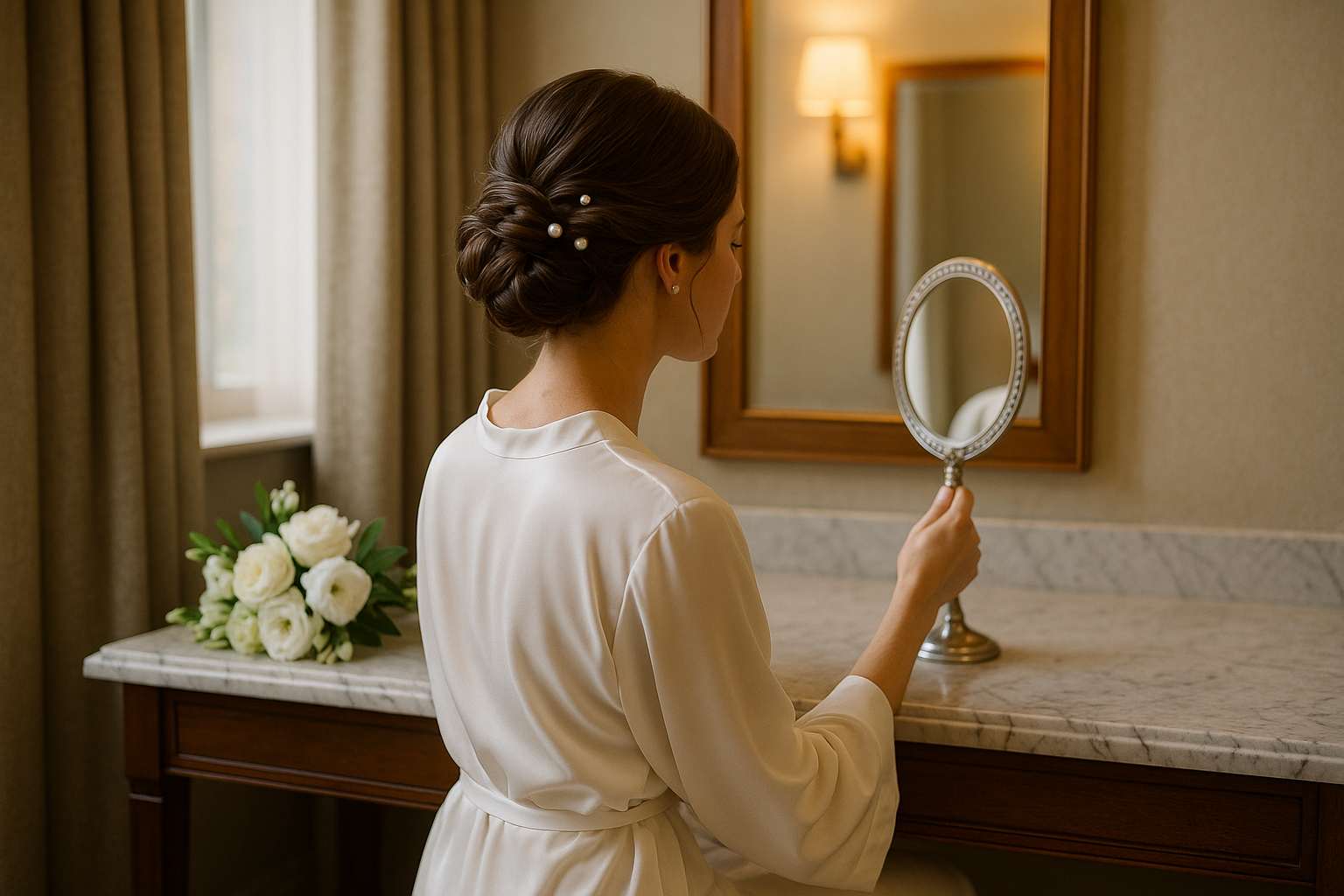
A bridal hair trial is a full, timed rehearsal of your wedding-day look with the same stylist who will do your hair on the day. It costs $100–$300 in most U.S. markets, should be scheduled three to four months before the wedding, and is the single most important appointment in your bridal beauty calendar.
Long after the ceremony flowers have been pressed and the champagne flutes returned to the rental company, your wedding photographs remain. Your hair appears in every one of them — from the first look to the last dance. It must hold for ten to fifteen hours through movement, weather, emotion, and dancing. And yet, the bridal hair trial — the one appointment designed to ensure this outcome — is the step brides most commonly skip or shortchange.
This guide covers everything you need to know: what a trial is, what it costs, when to schedule it, what to bring, how to test longevity, and why the preparation you do in the months before the wedding matters as much as the trial itself.
What is a bridal hair trial, and what does it actually accomplish?
A bridal hair trial is not a consultation. It is a complete, styled execution of your intended wedding-day look, conducted by the same stylist who will do your hair on the day. The distinction matters: a consultation is a conversation about ideas; a trial is a full performance, run start-to-finish, with the same products and techniques that will be used on the wedding morning.
In a single appointment, the trial accomplishes something no amount of Instagram research or Pinterest saving can replicate: it tests how your specific hair — its density, texture, length, and condition — behaves when your chosen style is applied by your chosen stylist. According to The Knot's wedding beauty research, brides who skipped or abbreviated their trial report hair dissatisfaction at significantly higher rates than those who completed a full trial. The math is simple: discover the problem at the trial, where there is time and options, or discover it on the wedding morning, where there are neither.
The trial serves five specific functions:
- Visual vocabulary alignment — Words like "natural," "structured," and "romantic" mean different things to different people. The trial makes the vision concrete.
- Hair-type testing — Fine hair, coarse hair, chemically treated hair, and natural-texture hair each respond differently to the same technique.
- Product and timing confirmation — The stylist learns exactly which products your hair needs and how long the look requires to build.
- Accessory testing — Veils, tiaras, and hairpins can only be tested for weight, placement, and security when actually in the hair.
- Longevity observation — Wearing the style for four to six hours afterward reveals whether the pinning structure holds.
How much does a bridal hair trial cost in 2026?
Pricing varies by market, stylist experience level, and whether the trial is included in a package or billed as a standalone service. Based on current data from WeddingWire's 2025 cost guide, here is a realistic breakdown:
| Service | National Average Range | Major Metro Premium |
|---|---|---|
| Hair trial (standalone) | $100–$250 | $275–$400+ (NYC, LA, SF) |
| Bridal updo (wedding day) | $150–$350 | $350–$600+ |
| Half-up style (wedding day) | $125–$300 | $275–$500+ |
| Down/blowout style (wedding day) | $100–$250 | $225–$400+ |
| Bridesmaid hair | $75–$175 per person | $150–$275 per person |
| Travel fee (venue arrival) | $50–$150+ | Varies by distance |
Some stylists price the trial at exactly their day-of rate; others offer it at 50–75% of their standard updo price. A few include the trial within a comprehensive bridal package. In all cases, confirm in writing whether the trial is included or extra before you sign a contract. The stylist's approach to this question tells you something about their professionalism: a seasoned bridal specialist will either include the trial or treat it as an indispensable separate service. A stylist who makes the trial feel optional is signaling something about their experience with wedding-day stakes.
When should you schedule the trial — and when should you book the stylist?
These are two different timelines that brides frequently conflate, to their regret.
Book the stylist: Eight to twelve months before your wedding, for peak-season Saturday dates. Top bridal stylists in competitive markets — and most major metropolitan areas qualify — fill their calendars well before the six-month mark. The moment you have a confirmed venue and date, stylist booking should be on the priority list alongside your photographer. Waiting until four months out narrows the available pool significantly and removes leverage in negotiating terms.
Schedule the trial: Three to four months before the wedding. This window accomplishes two things simultaneously: it is close enough to the event that your hair length and condition will closely mirror what you will have on the day, and it leaves enough time to schedule a second trial (at six to eight weeks out) if the first attempt needs refinement.
The smartest strategy: schedule the trial on the same day as an engagement photo session or bridal portrait session. This gives the look a genuine real-world test under event lighting, movement, and emotional conditions — and produces photographs you can reference on the wedding morning when confirming the look.
What to bring to make the most of your trial
Preparation for the trial is itself a skill. Brides who arrive with clear, specific material get dramatically better results than those who arrive with a vague sense of wanting something "romantic." Here is the complete prep list:
- Three to five specific inspiration images — printed or screenshotted, specific enough to communicate style and detail, not a Pinterest board of forty images with conflicting aesthetics.
- Your actual hair accessories — the veil (including its length and attachment comb), tiara, decorative pins, headband, or any piece you plan to wear. If you have not yet purchased an accessory, bring the best available photograph of it.
- A strapless top or neckline that mirrors your dress — the relationship between hair and neckline is a critical visual variable that cannot be evaluated in a crew-neck t-shirt.
- Venue notes — indoor climate-controlled ballroom, outdoor garden in July, beachside in Florida humidity. The product choices and structural approach differ significantly by environment.
- Honest timeline information — how long between your hair appointment and the ceremony start time, and how long the full event will run. A stylist building a look for a four-hour event uses a different pinning strategy than one building for a twelve-hour day.
How to test longevity — the most overlooked part of the trial
The trial does not end when you leave the salon chair. In fact, the most valuable part of the trial is what happens in the four to six hours afterward. Wear the style for the rest of the day. Go about your normal activities. Note, specifically:
- What loosens, shifts, or collapses, and at what point in the day?
- Does the veil or accessory move or slip?
- Are any pins uncomfortable after extended wear?
- In warm or humid conditions, does frizz appear, curl pattern loosen, or pins lose their grip?
Photograph the finished look from all four angles — front, profile, three-quarter, and back — immediately after it is set, and again four hours later. The comparison is your real data. A style that holds beautifully through an afternoon is almost certainly going to hold through your ceremony and reception. A style that visibly deteriorates in three hours needs its pinning structure or product foundation reconsidered.
Tell your stylist your honest observations. A skilled bridal stylist treats this feedback as professional intelligence, not criticism. The wedding morning is not the time to be polite about a problem you identified at the trial.
Extensions, accessories, and the most common mistakes
Extensions are a practical solution for brides whose natural hair length or density does not support their chosen style. Clip-in or halo extensions can add volume and length for the day without commitment. Tape-in or fusion extensions installed months before the wedding settle naturally into the hair and are undetectable in photographs. The critical rule: any extension method must be tested at the trial, never introduced on the wedding morning. Color mismatch and texture incompatibility discovered under a photographer's lighting are not fixable in the time available.
The most consistent mistakes bridal stylists report encountering are:
- Washing hair the morning of the wedding — fresh-washed hair is too slippery for pins or curl retention. Wash the night before; apply a texturizing product and air-dry or blow-dry, then style on day-old hair.
- Over-conditioning in the weeks before the wedding — hair that is very soft or very smooth has reduced structural grip. Scale back heavy conditioning treatments two to three weeks before the wedding and use protein-based products instead.
- Booking a colorist instead of an up-stylist — advanced color technique and advanced structural styling are distinct skill sets. Review specifically bridal updo portfolios, not just general salon work.
- Not confirming the day-of call sheet in writing — arrival time, sequence order, duration per person, and location confirmed in writing prevents the most common morning-of chaos.
Frequently asked
How much does a bridal hair trial cost in 2026?
A bridal hair trial typically costs between $100 and $300 as a standalone service in most U.S. markets, according to data from The Knot and WeddingWire. In major metropolitan areas such as New York City, Los Angeles, and San Francisco, standalone trial prices can reach $300–$400 or more. Some stylists include the trial within an all-inclusive bridal package, while others charge it separately at 50–100% of their standard updo rate. Even if a trial feels like an added expense, it is the single most important investment in your wedding beauty budget. An unsatisfactory style discovered at the trial means there is still time to correct it; the same discovery on the wedding morning is a crisis with no solution. Budget the trial as a real line item from the beginning.
When should I schedule my bridal hair trial?
The ideal window for a bridal hair trial is three to four months before your wedding date. This gives you enough runway to schedule a second trial if the first attempt needs refinement, while also being close enough to the wedding that your hair length and condition will be similar on the day. You should book your stylist — and lock in the trial date — eight to twelve months in advance for popular peak-season dates (May, June, September, October), as sought-after bridal hair stylists fill their calendars that far out. A smart strategy: schedule the trial on the same day as an engagement photo session or bridal portraits, so you get a real-world test of how the look holds under lighting, movement, and emotion — and you come away with photographs to reference on the wedding morning.
What should I bring to my bridal hair trial?
Come prepared with three to five printed or screenshotted inspiration images — specific enough to communicate your vision, but not so many that they create confusion. Bring your actual hair accessories: your veil, tiara, pins, or any other piece you plan to wear, along with a photo of the accessory if the item itself is not yet available. Wear a strapless top or something with a neckline that mirrors your dress, so the stylist can evaluate how the hair interacts with your neckline and shoulder line. Bring notes about your venue setting — indoor ballroom, outdoor garden, beach, barn — and a realistic sense of how long between your hair appointment and ceremony start time. Your stylist cannot design for longevity without knowing what you will be doing and for how long.
Do I have to have a bridal hair trial?
No one can require you to have a trial, but every experienced wedding stylist, photographer, and planner will tell you it is the highest-value appointment in your entire wedding planning calendar. The trial is where you discover that your inspiration photo requires hair density you do not have, that your veil comb pulls loose after two hours, or that your chosen updo reads entirely differently on your face shape than it did in the image. These are solvable problems — but only when discovered with enough lead time to address them. Couples who skip the trial represent a disproportionate share of the brides who express dissatisfaction with their wedding-day hair. The cost of a trial is small relative to the stakes of the day.
How long does the bridal hair trial take, and how long should I wear it afterward?
Most bridal hair trials take between 60 and 90 minutes, depending on the complexity of the style and whether accessories or extensions are involved. After the stylist finishes, you should wear the style for the remainder of the day — a minimum of four to six hours. A style that looks beautiful at 2 PM but begins to shift by 5 PM has a problem with its pinning structure or product foundation that needs to be addressed before the wedding. If you wore the trial for four hours and it held perfectly through movement, dancing, and outdoor exposure, you have genuine confidence in the look. If it did not, you have the information and the time to adjust. Photograph the finished style from every angle — front, profile, three-quarter, and back — immediately after it is set.
Can I wear my hair down for an outdoor summer wedding?
Yes, but it requires the right preparation and realistic expectations. Down styles are the most vulnerable to humidity, which causes the hair cuticle to absorb atmospheric moisture, swelling the shaft and disrupting curl patterns. Your stylist must use humidity-resistant products throughout — anti-humidity serums applied on damp hair before heat styling, humidity-blocking finishing spray as the final step, and water-based rather than oil-based products on the day of the event. Textured, imperfect wave styles hold better than precision-set styles in humid conditions. If you need the style to look exactly as it did immediately after styling for the entire duration of the event, a structured updo is a more reliable choice in high-heat, high-humidity conditions. Ask your stylist to do a humidity-resistance test at the trial.
How do I choose the right bridal hair stylist?
Begin by looking at real wedding portfolios — not just studio shots, but actual wedding images from venues similar to yours and in lighting conditions similar to what you will have. A stylist who produces beautiful work in a bright salon may not produce the same results under candlelit reception conditions. Ask your wedding photographer for recommendations: photographers know exactly which stylists' work holds up on camera and which does not. Book a stylist who specializes in bridal up-styling specifically, not a generalist colorist or cutting stylist. Verify that they regularly work at the scale of your wedding party, that they can travel to your venue, and that their cancellation policy and backup plan are in writing. Ask explicitly: what happens if you are unavailable on my wedding date?