Fashion & Beauty
Bridal Makeup Trial Tips: Prepare Like a Pro
Everything you need to know before your bridal makeup trial — when to schedule it, what to bring, how to evaluate the result, and how to give feedback that actually improves your wedding-day look.
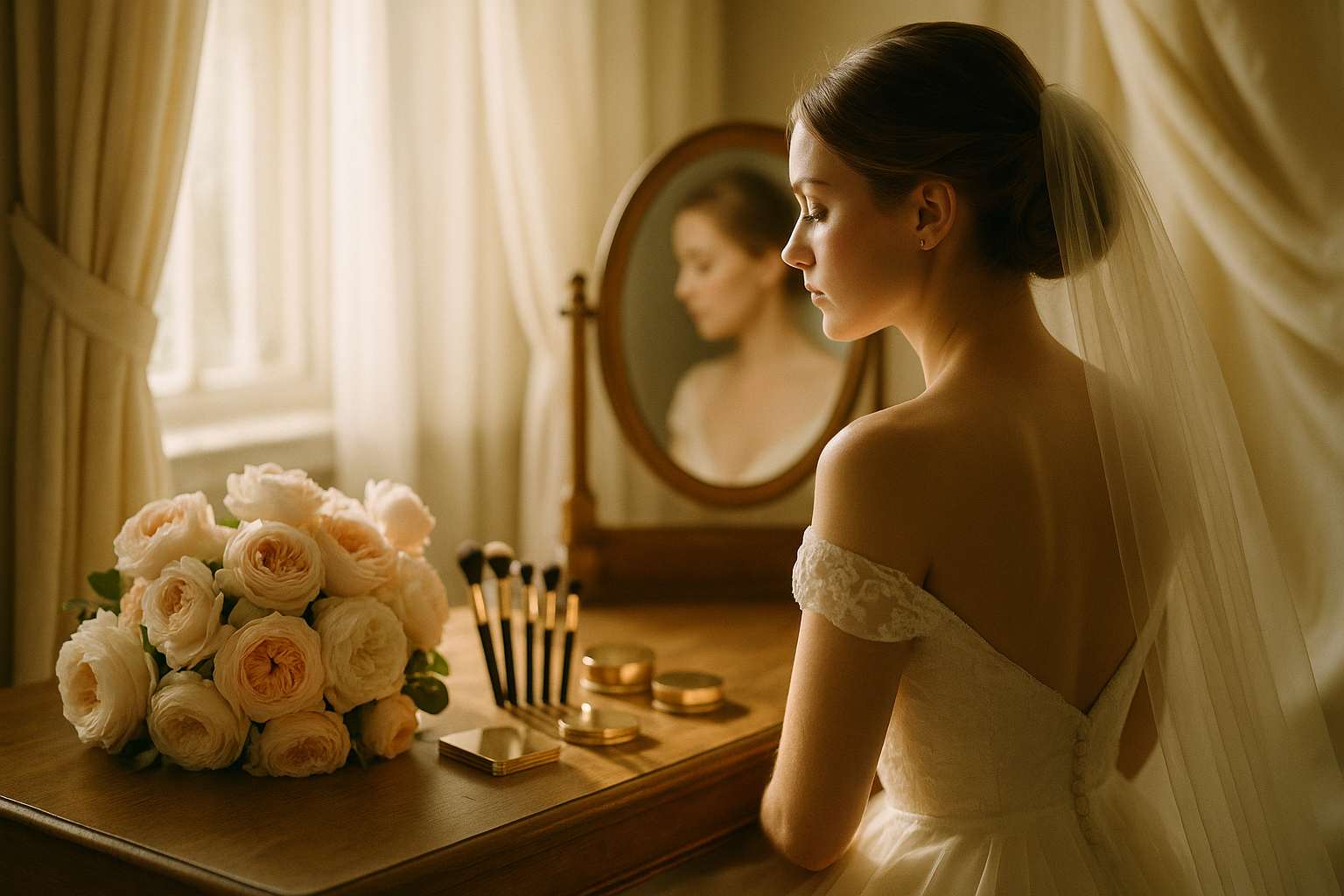
Schedule your bridal makeup trial four to eight weeks before your wedding, arrive with three to five inspiration images and your actual wedding jewelry, wear the result for six to eight hours and photograph it under flash, then send your artist specific written feedback within 48 hours. The trial is your one opportunity to perfect the look before the day itself.
Of all the appointments on a bride's pre-wedding calendar, the makeup trial occupies a singular position. It is the one opportunity — before the morning of the wedding, with all its irreversible time pressure — to test the vision, identify what works and what does not, and give both you and your artist the confidence that comes from having done it once before. The photographers who will document your wedding day see hundreds of brides each year. They consistently report that brides who invested in a thorough trial look more polished, more relaxed, and more like themselves in their photographs than those who did not.
This guide walks through every element of a productive bridal makeup trial: timing, preparation, what to bring, how to evaluate the result honestly, how to give feedback that produces real improvements, and the common mistakes that even organized brides overlook.
When is the right time to schedule a bridal makeup trial?
The four-to-eight-week window before your wedding date is the professional standard for good reason. At this point, your skin is in the routine it will be in on the wedding day, your hair color and style are likely finalized, and your general aesthetic vision has crystallized after months of planning. You are close enough to the day that the trial is a genuine dress rehearsal — but far enough out that if the result requires significant adjustment, or if you need to find a different artist entirely, you have time to do so without panic.
Scheduling your trial to coincide with an engagement photo session or a formal pre-wedding event (a bridal shower, a rehearsal dinner preview) is a strategy recommended by The Knot's bridal beauty coverage and endorsed by most professional makeup artists. Seeing how the look performs in actual event photography, under varied outdoor and indoor lighting, is more informative than any mirror evaluation in a studio.
One critical planning note: the trial appointment should be booked at the same time as the artist herself. Top bridal makeup artists in competitive markets — the talent whose portfolios make brides stop scrolling — fill their Saturday calendars nine to eighteen months in advance. Securing a preferred Saturday date without simultaneously booking the trial is a logistical gap that creates unnecessary stress later. Many artists structure their services so that the trial fee is credited toward the final booking; this arrangement both incentivizes commitment and ensures the trial is taken seriously.
What should you bring to the bridal makeup trial?
The way you prepare for the trial determines how useful it is. Arriving with the right materials — and the right mindset — transforms a beauty appointment into a genuine collaborative session.
Inspiration images (three to five, curated): The most useful inspiration images are those that illuminate specific elements you love — a particular skin finish in one, a lip color in another, a lash style in a third — rather than one single look you want replicated exactly. Most brides do not share the same bone structure, undertone, or eye shape as the model in their inspiration image, and a skilled artist will translate your references rather than copy them. More than ten images is usually counterproductive; a curated selection signals that you have thought about your vision carefully.
Your actual wedding jewelry: Earrings, in particular, transform the visual weight of a makeup look in ways that are impossible to anticipate without them in place. A bold chandelier earring shifts the entire compositional balance toward the face; a delicate pearl stud calls for a different calibration of eye and lip. Bring your headpiece or veil if you have one.
A photo of your dress neckline and back detail: The neckline of your gown — a deep V, a high illusion back, a sweetheart — determines where the eye travels on the wedding day and subtly influences how much emphasis belongs at the jaw and décolletage versus the eyes and lips.
Your normal skincare routine, already applied: Arrive at the trial the way you will arrive on the wedding morning — with your usual moisturizer and SPF already applied, your face clean but not bare. Arriving with no skincare is actually counterproductive; the artist needs to see how your skin responds to primer and foundation over the base you will realistically use on the day. If you use SPF with mineral filters (titanium dioxide or zinc oxide), tell your artist explicitly — these ingredients create white cast under camera flash and should be swapped for a chemical SPF formula on the wedding day.
A white or light-colored top: Wearing something that approximates your gown's neckline and color allows you to evaluate the full picture in the mirror — whether the skin at your neck and chest is tonally continuous with your face, and whether the overall effect reads as polished or overdone against white fabric.
How do you evaluate your trial result honestly?
The most important thing to understand about evaluating a bridal makeup trial is that it cannot be done in the studio immediately after application. The first twenty minutes are a poor judge of a look that must perform for twelve or more hours across multiple lighting environments and through the physical realities of a wedding day: tears, humidity, embraces, a meal, dancing.
| Lighting Condition | What to Assess | Common Issues Revealed |
|---|---|---|
| Natural daylight (outdoor, midday) | Foundation shade match at jaw and neck; coverage evenness; undereye concealer blend | Oxidized foundation turning orange; visible product edges; color mismatches invisible under artificial light |
| Warm indoor incandescent (restaurant, home) | Whether the look feels luminous and skin-like or heavy; eyeshadow color accuracy | Cool-toned products reading purple or ashy; heavy contouring looking muddy under warm light |
| Camera flash (phone or DSLR) | SPF flashback; highlight intensity; whether contour and blush translate or disappear | White cast from mineral SPF; overly sheer coverage that looks bare; shimmer reading as overexposed |
| Four-to-six hours of wear | T-zone breakthrough; settling into fine lines; whether lash adhesive is comfortable | Foundation oxidizing or separating; concealer creasing; lash adhesive irritation |
| Eight hours of wear | Overall staying power; lip color remaining; whether the look still feels like you | Products requiring touch-up more frequently than anticipated |
The flash test is particularly important and frequently overlooked. Photograph yourself in a dark room with your phone's camera flash — this simulates the conditions your wedding photographer's on-camera flash or bounce flash will create during the reception. Many products that look impeccable in the mirror read as white, gray, or flat under direct flash. This is not a flaw in the photography; it is a product selection issue that can be corrected before the wedding day if it is identified at the trial.
How to give feedback that actually improves the result
Useful feedback is specific, comparative, and communicated in writing. "It feels like too much" is a feeling; "I would like the blush blended two inches higher and the contour softened by half" is an instruction an artist can act on precisely. Taking the time to translate your impressions into specific visual language is the most valuable work you can do between your trial and your wedding day.
Send your feedback via email within 48 hours of the trial, while both the details and the photographic record are fresh. Attach the photos you took under varied lighting conditions — they are worth a thousand words of description, and they remove the ambiguity that verbal communication inevitably introduces. List requested adjustments in order of priority: if you could change only one thing, what would it be? This hierarchy helps your artist allocate their attention when time is limited on the wedding morning.
Most professional bridal artists deeply appreciate clear, specific feedback. It is not impolite to ask for adjustments — it is respectful of the artist's craft to give them the information they need to execute your vision precisely. A professional who responds defensively to feedback delivered respectfully is a professional whose work on the wedding morning will likely create the same friction. By contrast, an artist who engages thoughtfully with your notes and asks follow-up questions is demonstrating exactly the collaboration that defines an excellent bridal beauty relationship.
2026 bridal makeup trends worth knowing before your trial
Understanding the current direction of bridal beauty helps you frame your conversation with your artist and distinguish between trends that suit your features and those that suit someone else's.
The defining movement in 2026 bridal makeup is what the industry has come to call skinimalism — a skin-first philosophy that prioritizes luminous, healthy-looking skin over heavy coverage, building the complexion with layered hydration and sheer-to-medium foundations rather than full-coverage armor. The "glass skin" aesthetic — dewy, reflective, almost translucent — has moved from editorial to bridal mainstream. For brides whose skin is in good condition after six-plus months of intentional prep, skinimalism is deeply flattering; for brides with significant texture concerns, a skilled artist can achieve the luminous effect while still providing meaningful coverage.
Complementing the skin-first trend: brow lamination's influence on bridal brows (brushed-up, slightly textured brows replacing the perfectly arched precision of earlier years), blotted or stained lips over traditional high-gloss, warm peachy-terracotta tones displacing cool contour, and individual lash placement over full strip lashes for a more natural definition. These are the elements your artist will likely reference; knowing the vocabulary helps you participate in the conversation.
One perennial truth that no trend changes: the bridal looks brides love most twenty years later are those that made them look like themselves at their most refined. Enhancement over transformation. If you feel unrecognized when you look in the mirror, that is information worth acting on before the wedding morning.
Frequently asked
When should I schedule my bridal makeup trial?
The ideal window for a bridal makeup trial is four to eight weeks before your wedding date. This timing strikes the right balance: your skin should be in the routine it will follow on the wedding day, but you still have enough time to request adjustments, source any specific products your artist needs, or — in the unlikely event of a serious mismatch — find a different artist. Scheduling the trial to coincide with an engagement photo session is a particularly smart strategy, because professional photos provide an honest record of how the look performs under real camera conditions. Avoid scheduling your trial more than three months out. Your skin tone, hair color, and even your vision for the overall aesthetic can change meaningfully over that window, and a result that looked right in March may not reflect your actual wedding-day appearance in June. Top bridal makeup artists in major markets like New York, Los Angeles, and Nashville fill their calendars nine to twelve months in advance — book the trial at the same time you secure the artist.
What should I bring to my bridal makeup trial?
Arrive at your trial with a carefully curated set of references rather than an overwhelming scroll of screenshots. Three to five inspiration images works well — choosing photos that illustrate specific elements you love (a particular skin finish in one, a lip color in another) gives your artist actionable direction without constraining their creative judgment. Bring your actual wedding-day earrings and any significant jewelry: these details fundamentally shape the balance of the overall look. A photo of your dress neckline and back detail is equally important. Arrive with a clean face — no base makeup, but your normal skincare and SPF applied. If you wear daily moisturizer, use the same formula you plan to use on the wedding morning. Bring a phone charger so your camera is ready for photos under varied lighting at the end, and wear a white or light-colored top that approximates the color of your gown, so you can see the full picture in the mirror.
How do I evaluate my bridal makeup trial result?
The trial is a scientific experiment as much as a beauty appointment. After the artist finishes, do not evaluate the look immediately under the studio's controlled lighting — wear it out into the world for six to eight hours. Photograph yourself in natural afternoon light, warm indoor incandescent light, and with a camera flash from multiple angles. The flash test is particularly critical: a look that appears flawless in the mirror can reveal SPF flashback (a white or grayish cast caused by mineral SPF ingredients like titanium dioxide or zinc oxide), overly sheer coverage, or contouring that photographs as patchy under direct light. Ask yourself a genuinely important question: does this look like me, elevated — or like someone else entirely? The bridal looks that brides cherish twenty years later are virtually always the ones that enhanced their natural features rather than transformed them. Document every detail — ask your artist to list the specific products used so that any touch-up products you pack are fully compatible.
What should I tell my makeup artist if I want changes after the trial?
Be specific, kind, and prompt. Vague feedback like 'it feels like too much' is difficult to act on; specific feedback like 'I would like the contour softer on my cheeks and the lip color three shades more nude' gives your artist a precise target. Send your feedback in writing — email is ideal — within 48 hours of the trial while the details are fresh for both of you. Include the photos you took under various lighting conditions, because they remove ambiguity and demonstrate rather than describe your concern. If multiple elements need adjusting, list them in order of priority. Most professional bridal artists genuinely want to get it right and welcome clear direction; this conversation is exactly what the trial is designed to produce. If a second trial is needed, schedule it promptly — some artists include one adjustment session in the original trial fee, while others charge for additional appointments. Clarify this in advance so there are no surprises.
Should I skip the bridal makeup trial to save money?
Skipping the trial is among the most common and consequential beauty mistakes brides make. The trial is not a luxury — it is functional insurance against wedding-morning disaster. A trial reveals whether the artist can execute your specific vision; uncovers any skin sensitivities or reactions to specific products (discovering a latex allergy from false lash adhesive on trial day is far better than discovering it on your wedding morning); establishes the correct foundation shade for flash photography; times the application so you can build your getting-ready schedule accurately; and gives you a window to make adjustments. Consider the math: a professional bridal makeup service costs between $150 and $600 in most U.S. markets, and up to $900 or more in major metros. A trial typically runs $100 to $350 and is often credited toward the final booking fee. Against the backdrop of a once-in-a-lifetime event captured in photographs that will exist for decades, the trial is among the highest-return investments in your entire beauty budget.
What are the most common bridal makeup trial mistakes to avoid?
The most consequential error is arriving at the trial with a freshly exfoliated or treated face — a chemical peel or aggressive exfoliation the day before creates redness and skin sensitivity that does not reflect your normal skin condition, skewing both color-matching and product selection. A closely related mistake is wearing SPF-containing products with titanium dioxide or zinc oxide (mineral filters) without informing your artist; these photograph as a white cast under flash and must be swapped for chemical SPF formulas on the wedding day. Over-referencing — arriving with twenty inspiration images pulled from models whose features bear no resemblance to yours — narrows the artist's creative judgment in ways that are rarely helpful. Finally, many brides make the mistake of evaluating the trial only in the moment, forgetting to wear and photograph the look over several hours. A look that appears flawless at the trial table can shift, settle into lines, or break through oily areas in ways that only real-world wear reveals. The six-to-eight-hour wear test followed by flash photography is non-negotiable.