Fashion & Beauty
Bridesmaid Dress Cost: A 2026 Breakdown
From Birdy Grey's $89 satin styles to Jenny Yoo's $400 velvet gowns, here is exactly what bridesmaids dresses cost in 2026 — and how to communicate the total honestly before anyone says yes.
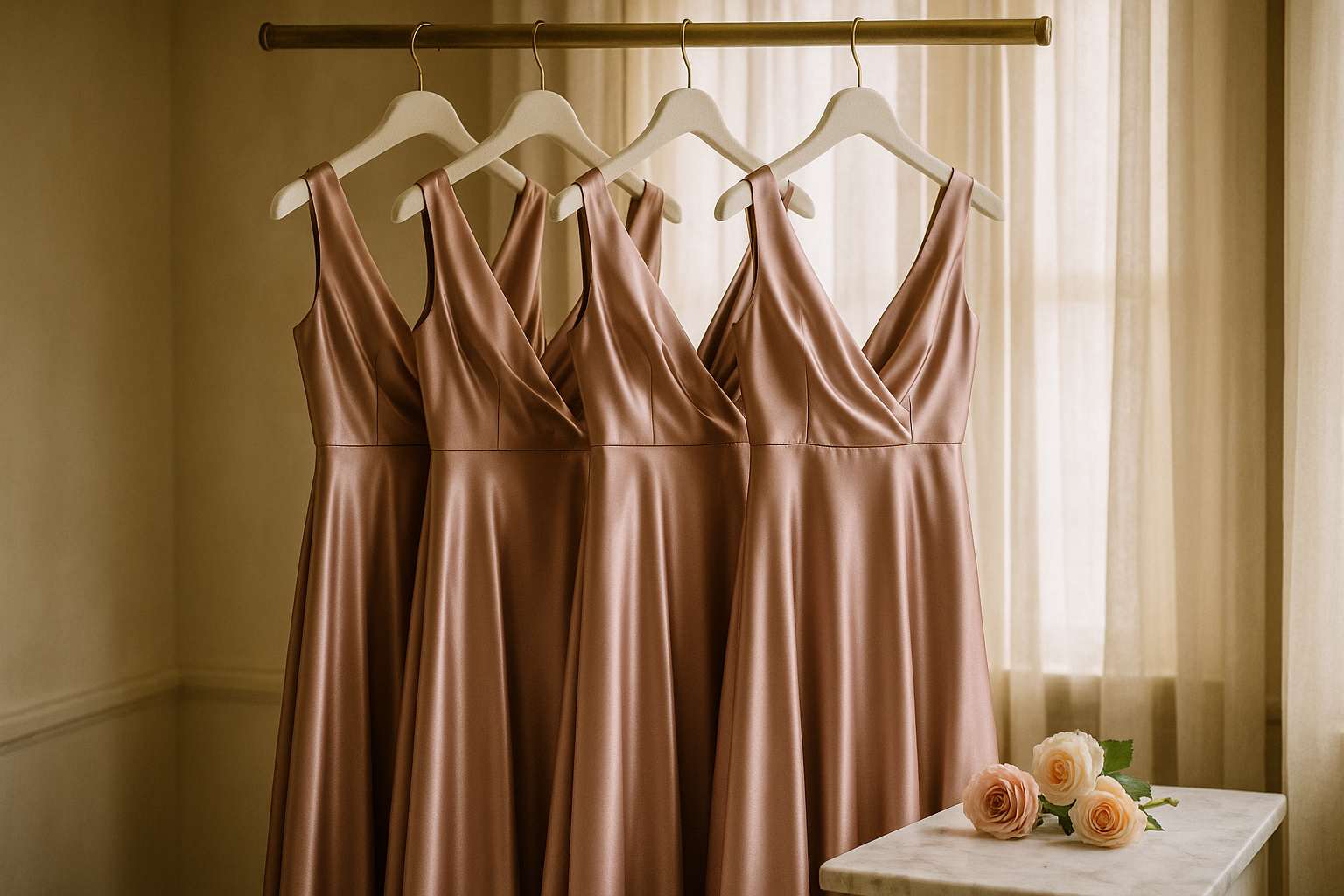
Bridesmaid dresses average $128 per dress in 2026 (The Knot 2025 Real Weddings Study), but the true per-bridesmaid cost — including alterations, shoes, and accessories — typically runs $300–$500. Price tier ranges from $69 at Azazie to $400+ at Jenny Yoo, with who pays determined by tradition, the bride's dress choice, and open communication before anyone says yes.
Of all the decisions that carry emotional and financial weight in a wedding, the bridesmaid dress sits at a particularly delicate intersection: it is simultaneously the bride's aesthetic statement and a financial ask made of people she loves. Done with intention — clear communication, realistic numbers, and genuine regard for each woman's situation — it becomes one of the most beautiful details of the day. Done carelessly, it can quietly damage the friendships it was meant to celebrate.
This guide gives you every number you need, organized by retailer tier and cost category, so you can have honest conversations with your bridal party from a position of clarity rather than hope.
What does a bridesmaid dress actually cost in 2026?
The headline number — $128 per dress, per The Knot's 2025 Real Weddings Study — is real, but it describes a floor, not a ceiling, and it does not reflect what bridesmaids actually spend. The dress is the starting point. A realistic budget for a single bridesmaid attending a local wedding in 2026 looks more like this:
- Dress: $100–$300
- Alterations: $50–$150 (virtually every dress requires at least a hem)
- Shoes: $50–$150
- Accessories (jewelry, clutch): $30–$100
- Hair and makeup (if not covered by the bride): $150–$300+
The Knot estimates total bridesmaid expenses at $1,200–$1,800 per person for local weddings when all related costs are included. Independent analyses that factor in bachelorette travel, engagement party gifts, and shower contributions put the figure closer to $2,500–$3,000 across the full planning period.
| Tier | Representative Retailers | Price Range Per Dress | Best For |
|---|---|---|---|
| Budget / Online | Azazie, Birdy Grey, Cocomelody | $69–$120 | Large parties, tight budgets, inclusive sizing |
| Mid-Range | Kennedy Blue, Lulus, David's Bridal | $90–$180 | Quality fabric, strong mix-and-match programs |
| Contemporary Designer | Jenny Yoo, Dessy, Wtoo by Watters | $200–$400 | Elevated fabric, boutique experience |
| Luxury / Boutique | Marchesa, Monique Lhuillier | $400–$800+ | Black-tie weddings, investment pieces |
Regional variation is real: bridesmaid costs trend highest in the Northeast and Mid-Atlantic (average closer to $140 per dress) and lowest in the South and Midwest. Destination weddings and weddings in wedding-dense markets like New York and San Francisco skew higher across every category.
Who pays for bridesmaid dresses — and when does that change?
In American tradition, each bridesmaid pays for her own dress. This is the prevailing expectation and should be communicated clearly at the time of asking — before anyone has committed. The etiquette authority Diane Gottsman is direct on this point: once a bridesmaid accepts the invitation, she accepts the financial responsibility alongside it.
The calculus shifts in specific circumstances. When the bride selects a dress above approximately $200–$250 — the widely understood threshold for a "reasonable ask" — covering the difference becomes an act of courtesy rather than obligation. When a bridesmaid is the bride's own sister, the bride's family traditionally pays for the gown. When a specific bridesmaid is experiencing financial hardship, the gracious response is to handle it privately and generously, never in a group setting.
Many modern brides navigate this through partial subsidies: offering to cover the gap between what a bridesmaid can comfortably afford and the actual dress cost. The conversation must happen one-on-one, without pressure, and always before orders are placed.
One important note for international bridal parties: in the United Kingdom and Ireland, the tradition runs in the opposite direction — the couple pays for all bridesmaids' dresses. Brides coordinating parties that cross the Atlantic should surface this difference early rather than discovering it after commitments have been made.
How do you order bridesmaid dresses so nothing goes wrong?
The bridesmaid dress ordering process has a small number of rules that, when followed, prevent nearly every common problem. When ignored, they reliably produce the problems you have heard about from other brides.
Order all dresses simultaneously, from the same retailer. This is non-negotiable for color consistency. Different production runs — even from the same manufacturer, in the same style and color — produce perceptibly different shades. A bridal party where two dresses came from February's production run and two from April's will show color variation in photographs that cannot be corrected in editing.
Size from the brand's specific chart, not street size. Bridal sizing historically runs one to two sizes smaller than standard retail. A woman who wears a size 6 in everyday clothing may need a size 10 in a bridesmaid dress. Birdy Grey, Azazie, and most other retailers publish detailed size charts; use them. When a bridesmaid falls between sizes on different measurements, always order the size that accommodates the largest measurement. Taking a dress in is manageable; letting it out is often impossible given bridal fabrics' limited seam allowances.
Book alterations early. During peak wedding season (May–October), skilled seamstresses in major metropolitan areas fill their calendars three to four months in advance. Book alteration appointments at the same time you place dress orders, not after dresses arrive. Every bridesmaid dress requires at minimum a hem — build $50–$150 per bridesmaid into your communicated budget from day one.
Order swatches before committing. Both Birdy Grey and Azazie offer free fabric swatches in multiple colors — use them. A dusty blue dress can read as pale grey under candlelight; a champagne can shift toward gold under tungsten. Test before committing.
What do 2026 bridesmaid dress trends mean for your budget?
The dominant 2026 aesthetic leans into liquid satin, jewel tones, and elevated mismatched palettes — all of which have direct budget implications. Liquid satin and high-quality chiffon are available at every price tier, but the depth of color that makes emerald or dusty plum look genuinely rich requires better fabric. Budget-tier dresses in these colors sometimes read as flat or slightly plastic in photographs.
The mix-and-match trend — the most popular approach in 2025–2026, where bridesmaids choose different silhouettes within the same color family — has a positive effect on bridesmaid buy-in. When women choose a cut that works for their body, they are more willing to invest. Pre-selecting three to four approved silhouettes from a single retailer and presenting a curated "menu" creates structure without rigidity.
Convertible and multi-way dresses — styles worn multiple ways by adjusting straps — continue to grow in popularity precisely because they answer the "will I ever wear this again?" question with a genuine yes. This objection is consistently among the top sources of bridesmaid resistance to higher price points; a truly rewearable dress at $180 is often a more comfortable ask than a single-purpose dress at $130.
The most important cost management tool remains the one most brides underuse: honest, early communication. State the full estimated cost — dress plus alterations plus shoes — before asking. Bridesmaids who know exactly what they are committing to arrive at the order process without resentment. Those who discover the true total midway through the planning process sometimes do not.
Frequently asked
What is the average cost of a bridesmaid dress in 2026?
According to The Knot's 2025 Real Weddings Study, the average bridesmaid dress costs approximately $128 per person — a figure that has remained relatively stable since 2021. Most dresses fall in the $100–$300 range, with the most popular price point landing around $130–$150. However, this number represents the dress only. When you add professional alterations ($50–$150), shoes ($50–$150), accessories ($30–$100), and potentially hair and makeup services, the true per-bridesmaid investment at a local wedding can reach $300–$500 or more. Communicate the complete estimated cost to your bridesmaids before they accept the invitation — not after. Transparency protects friendships more reliably than any budget tip.
Who traditionally pays for bridesmaid dresses in the United States?
In American tradition, each bridesmaid pays for her own dress and accessories. This expectation should be communicated clearly at the time of asking, before anyone has committed to the role. The etiquette shifts, however, when the bride selects a dress above a reasonable threshold — generally understood as $200–$250 for a standard wedding — or when she requires purchase from a single expensive boutique with limited options. When a bridesmaid is the bride's own sister, the bride's family traditionally covers the gown. Many modern brides offer partial subsidies when one or more members of the party face financial constraints; this conversation should always happen privately, never in a group setting. The UK and Ireland follow a different tradition in which the couple pays for all bridesmaids' gowns — an important distinction for bridal parties that cross international lines.
How much should I budget for bridesmaid dress alterations?
Budget $50–$150 per bridesmaid for standard alterations. This covers the most common work: hemming (virtually every dress requires a hem), taking in the bodice, and minor strap adjustments. More complex alterations — bustline restructuring, back modifications, or significant resizing — can run $150–$300 per dress. The critical rule is that nearly every off-the-rack bridesmaid dress requires at least one alteration, regardless of how well it appears to fit in the store. Bridal fabrics have very limited seam allowances, meaning it is always possible to take a dress in but rarely possible to let it out significantly. Always order from the brand's specific size chart — not street clothing size — and size up when a bridesmaid falls between measurements. Include the estimated alteration cost in the total budget you communicate to your bridesmaids at the outset.
What are the best affordable bridesmaid dress retailers in 2026?
The budget tier of the bridesmaid dress market is genuinely excellent in 2026. Azazie offers over 600 styles starting at $69 with free custom sizing, making them one of the most accessible options for bridal parties with varying body types. Birdy Grey has built a loyal following with chic satin styles starting at $89 — their free swatch service lets you compare up to six colors in different fabrics before committing. Kennedy Blue offers a strong mix-and-match program in the $90–$170 range. All three retailers focus on the online model, which compresses pricing compared to boutiques. The trade-off with online-only retailers is that you cannot try before you buy; order swatches first, read the size charts carefully against professional measurements, and confirm the retailer's return or exchange policy before placing any group order.
Can bridesmaids wear different dress styles to keep costs fair?
Absolutely — and the mix-and-match approach is in fact the dominant trend in 2025–2026 bridesmaid styling. The most common implementation is same color, different silhouettes: bridesmaids choose from a curated menu of three to four approved cuts within the same color family, each selecting what works best for her body. An A-line, cowl-neck, wrap, and column option can coexist beautifully when they share the same fabric and colorway. This approach has a meaningful financial dimension as well: bridesmaids shopping for their own silhouette within the approved menu naturally gravitate toward what they are comfortable wearing again, which tends to raise their willingness to invest. The key operational requirement is ordering all dresses simultaneously from the same retailer to guarantee dye-lot consistency — different production runs produce perceptibly different shades even in nominally identical colors.
What bridesmaid dress trends are dominating 2026?
Liquid satin is the fabric of 2026 — body-skimming, light-catching, and deeply photogenic in the warm and jewel-toned palettes that are currently dominant. Emerald, dusty plum, sage, and latte have largely displaced the pastel colorways that characterized earlier years. Statement necklines are prominent: one-shoulder, off-the-shoulder, asymmetrical, and dramatic long sleeves all appear widely. Floral prints have returned in a significant way after years of solids-only convention, particularly for outdoor, garden, and winery weddings. Convertible and multi-way dresses — styles that can be worn multiple ways by adjusting straps — continue to gain share as brides recognize they reduce bridesmaid resistance to price by offering genuine reusability. Coquette-inspired details (bows, ruffles, flutter sleeves) are appearing at the feminine, romantic end of the market.
How far in advance should bridesmaids order their dresses?
Place all bridesmaid dress orders simultaneously, six to eight months before the wedding — or ten months out for destination weddings and any wedding falling near a major holiday. The reason for simultaneous ordering is dye-lot consistency: even small gaps between production runs can produce perceptible color differences across what should be matching dresses. Standard production windows run eight to sixteen weeks from order placement. Rush orders are available at most retailers for an upcharge, typically 15–25% of the dress price, and reduce production to four to six weeks. Target having all dresses in hand at least three months before the wedding to allow adequate time for the alteration process. Book alteration appointments three to four months out during peak wedding season (May–October), as skilled seamstresses fill up quickly. Alterations typically require a minimum of three appointments: a pin fitting, a check fitting, and a final pickup.