Fashion & Beauty
Groom vs. Groomsmen Attire: How to Coordinate Without Matching
The era of identical wedding party suits is giving way to something more thoughtful — coordinated, intentional looks that make the groom the unmistakable focal point while giving each groomsman a look he can actually wear again.
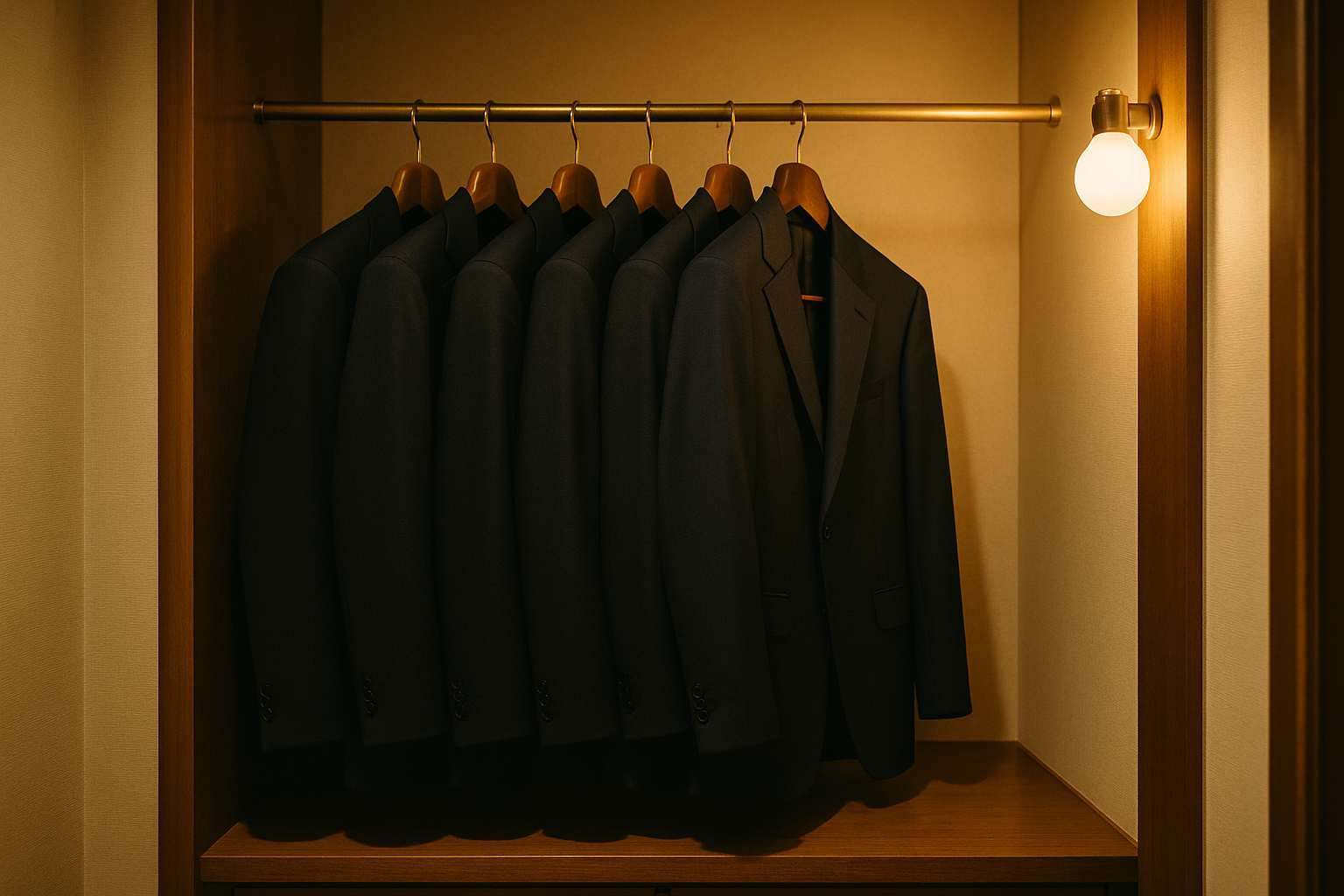
The groom should be visually distinct from his groomsmen through a single well-chosen strategy — a color shift, silhouette upgrade, or fabric distinction — while the wedding party maintains a coordinated palette rather than identical suits, which is the consensus direction for 2026 men's wedding attire.
How the men are dressed at a wedding matters more than many couples initially plan for. The groom's look sets the visual and tonal anchor for every man standing at the altar — and through photography, videography, and the lived memory of the day, it shapes how the entire celebration reads. A groom who disappears into a line of identically dressed groomsmen is a missed opportunity. A groom who stands clearly and confidently at the center of his wedding party is a man who planned thoughtfully.
The good news: in 2026, the dominant trend in men's wedding attire actively serves this goal. The era of matching suits for everyone is giving way to an intentional coordinated aesthetic — one color family, multiple tones and variations — that not only makes the groom the unmistakable focal point but also produces genuinely more attractive group photographs and a more considerate experience for groomsmen with different builds, budgets, and personal styles.
How do you make the groom visually distinct from his groomsmen?
There is one governing principle: use exactly one strategy to distinguish the groom, and execute it well. Attempting multiple simultaneous distinctions — different color, different silhouette, and different neckwear — produces a look that reads as disjointed rather than intentional. Choose the approach that best suits your overall aesthetic and let everything else coordinate.
| Strategy | How It Works | Best For | Photography Impact |
|---|---|---|---|
| Color shift | Groom in midnight blue; groomsmen in navy — same family, richer shade | Formal and semi-formal weddings; tuxedo and suit alike | Creates natural depth in group shots; subtle but consistently effective |
| Silhouette upgrade | Three-piece suit (with waistcoat) for groom; two-piece for groomsmen | Any formality; especially powerful for jacket-off reception moments | The third layer reads distinctly even from a distance; excellent for dance-floor shots |
| Fabric distinction | Velvet dinner jacket for groom; wool for groomsmen — same color family | Autumn and winter weddings; candlelit venues | Velvet photographs with a depth and richness that wool cannot match under evening light |
| Lapel distinction | Peaked lapel for groom; notch lapel for groomsmen | Formal tuxedo weddings | Immediately legible in close-up detail shots; communicates the groom's elevated status |
| Neckwear distinction | Groom in bow tie; groomsmen in long ties; or groom in solid, party in pattern | Any formality | The most accessible and budget-friendly distinction strategy |
The Black Tux identifies the color-shift approach as the most consistently effective in 2026 — "a subtle shade shift like midnight blue for the groom against navy groomsmen creates natural depth in photos while keeping the groom as the unmistakable focal point." Generation Tux notes that a velvet dinner jacket upgrade for the groom "photographs richer without screaming 'different'" — the goal is always distinction that feels intentional, not conspicuous.
What is the coordinated-but-not-matching approach, and why is it the 2026 standard?
For the groomsmen themselves, the 2026 consensus has moved decisively away from identical suits. The "coordinated, not matching" approach means choosing a color palette of two or three harmonious tones and allowing variation within it. In practice, this might look like: all groomsmen in charcoal suits, with each wearing a different tie color within the wedding's blue-grey palette. Or four men in different shades of blue — slate, steel, sky, and navy — in the same silhouette. Or identical suits with deliberately varied pocket squares that each echo one element of the bridesmaids' color story.
This approach is more flattering across a diverse group because it accommodates different skin tones, builds, and personal style preferences without requiring anyone to look uncomfortable in a color that does not suit them. It is also significantly more practical: ordering groomsmen into a single specific shade from different retailers (or in rentals from the same chain but made at different times) virtually guarantees subtle dye-lot variations that look worse than intentional variation. A designed palette sidesteps this entirely.
Generation Tux advises that "the key is having one unifying element while varying the rest" — the same suit with different accessories, or the same color family with different cuts — "creating depth and a more refined group appearance."
Suit vs. tuxedo: which does the groom wear?
This is the foundational decision, and it should be driven by the wedding's formality level rather than by personal preference alone. A tuxedo — distinguished by satin or grosgrain accents on the lapels, trouser outseam, and waistband — is appropriate for evening weddings beginning at or after 6 p.m., black-tie dress codes, and formal venues like ballrooms, historic estates, or grand hotels. A suit is correct for daytime and early-evening weddings, outdoor or rustic settings, and any dress code reading cocktail, semi-formal, or garden party.
The biggest trend shift in 2026 formal wear: midnight blue has overtaken classic black as the most popular tuxedo choice. Under evening light — whether candles, string lights, or ballroom chandeliers — midnight blue reads with a depth and richness that flat black cannot match. Hockerty's 2026 wedding suit trend report identifies relaxed tailoring as the dominant suit direction for non-tuxedo weddings — softer shoulder construction, lighter canvasing, and natural movement in linen and lightweight wool blends for outdoor celebrations.
One practical note: a black suit is a legitimate option between a tuxedo and a standard navy or charcoal suit. More formal than either without requiring satin details, it photographs similarly to a tuxedo in evening light and is among the most versatile purchases a groom can make. If budget or re-wearability is a consideration, a well-tailored black suit may be the most sensible choice for the groom himself even when groomsmen are in rentals.
The men's attire planning timeline
The single most common failure mode in wedding party attire is not style or budget — it is starting too late. The timeline below reflects 2025–2026 best practice from The Black Tux, Generation Tux, and Men's Wearhouse:
| Milestone | Timeframe Before Wedding |
|---|---|
| Decide suit vs. tuxedo; buy vs. rent; set overall coordination strategy | 9–12 months |
| Set budget; communicate cost expectations to groomsmen clearly and in writing | 8–9 months |
| Select retailer or tailor; book first consultation | 7–8 months |
| Groom's first fitting or measurements; custom/made-to-measure orders placed | 6–7 months |
| All groomsmen measurements collected (build in a 2-week buffer deadline) | 5–6 months |
| All orders confirmed; rental or purchase placed for every groomsman | 4–5 months |
| Garments arrive; initial try-on for all local groomsmen | 10–12 weeks |
| Alterations begin | 8–10 weeks |
| Penultimate fitting; all adjustments made | 4–6 weeks |
| Final fitting confirmed; garments in hand | 2–4 weeks |
One insider rule worth adopting: add two weeks to every deadline you communicate to groomsmen. Someone will be traveling, someone will forget, and someone will misread the measurement instructions. The buffer is not pessimism — it is realistic management of a group logistics challenge. Treat it like a professional project timeline, not a casual request.
A final note on fit: no color strategy, no fabric upgrade, and no distinction technique matters as much as how the garments actually fit the men wearing them. A well-tailored rental at $150 will consistently outperform an expensive off-the-rack purchase that does not sit correctly on the body. Budget for alterations as a non-negotiable line item — approximately $75 to $200 per person for standard adjustments — and schedule the final fitting at least three weeks before the wedding, not the week of.
Frequently asked
How should the groom's attire be different from his groomsmen?
The groom needs to be immediately identifiable in photographs and in person — guests, the photographer, and most importantly the bride should never have to scan the line to find him. The most effective strategies in 2026 are: a subtle color shift within the same family (midnight blue for the groom while groomsmen wear navy), a silhouette upgrade (groom in a three-piece suit while groomsmen wear two-piece), a fabric distinction (velvet dinner jacket for the groom against wool groomsmen jackets), a lapel change (peaked lapel tuxedo for the groom versus notch lapels for the groomsmen), or a different neckwear (groom in a bow tie while groomsmen wear long ties). You do not need all of these strategies — one well-chosen distinction consistently creates the visual separation you want without the wedding party looking disjointed. The principle is: coordinated, not matching, with the groom as the clear visual anchor.
Should the groom wear a tuxedo if the groomsmen are wearing suits?
Mixing a tuxedo with suit-wearing groomsmen is not ideal — it creates a formality mismatch that is immediately visible in photographs. The rule is that all men in the wedding party should occupy the same formality tier. If the groom wears a tuxedo, all groomsmen should wear tuxedos; if the groom wears a suit, groomsmen should wear suits. The distinction between the groom and groomsmen is achieved through subtler means: shade, silhouette, fabric, or accessories, all within the same garment category. That said, a black suit is a legitimate hybrid — more formal than navy or grey, photographing similarly to a tuxedo in evening light, and entirely appropriate at semi-formal events without requiring satin lapel details. If you want the groom to feel tuxedo-level elevated while keeping the total budget reasonable, a well-tailored black suit with a peaked lapel for the groom and classic notch-lapel navy suits for groomsmen reads beautifully and cohesively.
What is the 2026 trend for groomsmen attire?
The dominant 2026 shift is away from identical suits toward an intentional coordinated-but-not-matching approach. Rather than requiring every groomsman to wear the same suit, tie, and pocket square, couples are choosing a color palette — say, two or three shades within a blue family — and letting groomsmen select from within it. The same suit with different accessories (each groomsman in a different tie color within the wedding palette) is another widely used approach. This reads as a deliberate, editorial aesthetic rather than a corporate uniform and is genuinely more flattering across a group of men with different builds, skin tones, and personal styles. Midnight blue has overtaken black as the most popular choice for formal tuxedos in 2026, per The Black Tux. Relaxed tailoring — softer shoulder construction, lighter canvasing, linen and cotton blends for outdoor weddings — is the dominant silhouette trend for suit-wearing groomsmen.
How far in advance should groomsmen order their suits?
The general planning rule is: groomsmen should have their suits ordered or rentals confirmed four to five months before the wedding, with measurements locked in at five to six months out. This timeline is not generous — it is the minimum for avoiding the scramble that happens when someone's measurements are late, a rental size is unavailable, or a custom order runs behind schedule. If you are ordering custom or made-to-measure suits for the groomsmen — which delivers a significantly more polished result than off-the-rack rentals — add another two months to this window. The groom himself should begin the process at seven to nine months out to allow time for a quality first consultation, potential custom order, multiple fittings, and final alterations. The most commonly cited planning failure in groomsmen attire is not budget or style — it is simply starting too late. Build in a two-week buffer into every deadline you communicate to your groomsmen; someone will always be late.
Who traditionally pays for the groomsmen's suits or tuxedos?
Modern practice has largely moved away from the tradition of the groom covering all groomsmen attire costs. Today, the most common arrangement is that each groomsman pays for his own rental or purchase. However, this conversation must happen early and transparently. Best practice is to disclose the expected attire and approximate cost before asking someone to be a groomsman — they should be able to make an informed yes. When the attire is expensive (custom made-to-measure suits in the $600–$1,200 range), especially specific to the wedding's aesthetic, or not likely to be worn again, many couples elect to cover the cost or provide a financial contribution. The hybrid approach — couple covers the rental or provides the suit; groomsmen cover their own alterations and accessories — is an increasingly popular middle ground. Whatever arrangement you choose, communicate it clearly in writing.
What accessories distinguish the groom from his groomsmen?
Accessories are one of the most versatile and budget-friendly ways to create visual distinction between the groom and his groomsmen. Neckwear is the most common strategy: the groom in a bow tie while groomsmen wear long ties, or the groom in a solid silk tie while groomsmen wear a subtle pattern within the same palette. A waistcoat or vest worn only by the groom adds an entire visible layer of formality that reads distinctly in photographs — particularly during jacket-off reception moments. The boutonniere is another traditional distinction point: the groom's boutonniere is slightly more complex (a garden rose plus eucalyptus, for example) while groomsmen wear a simpler single stem. Cufflinks in a personalized design are a meaningful groom detail. Suspenders — a strong 2025–2026 trend — look particularly distinctive on the groom when paired with high-waisted trousers and a vest, creating an editorial, timeless look that photographs beautifully as the evening proceeds.