Fashion & Beauty
Mermaid vs Trumpet Wedding Dress: What Is the Real Difference?
Both hug your curves. Both flare at the bottom. But the difference between mermaid and trumpet silhouettes is more than a matter of inches — it shapes how you move, how you photograph, and how you feel for twelve hours.
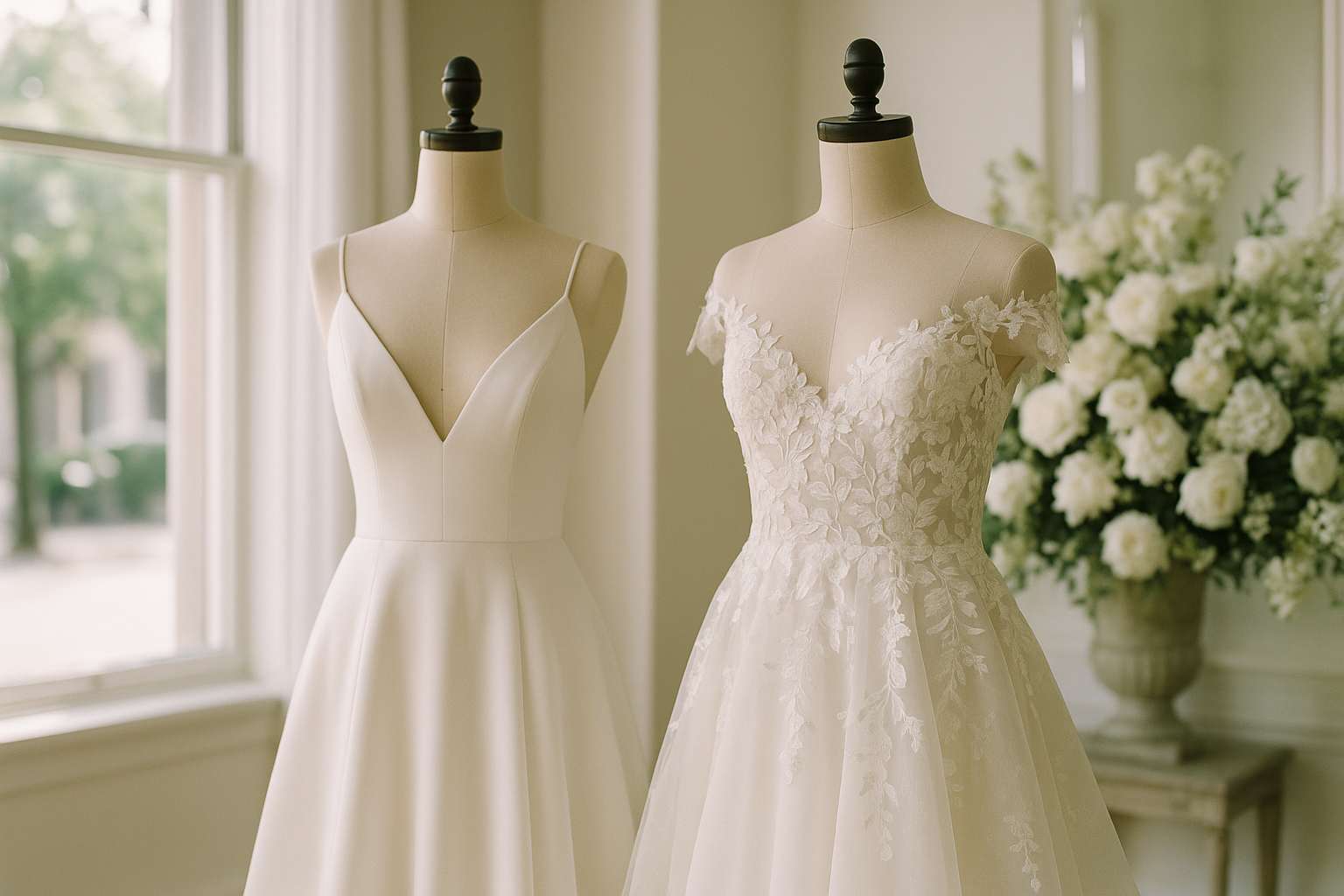
Mermaid dresses flare at or below the knee for maximum drama and the most restricted mobility. Trumpet dresses flare at mid-thigh for a softer effect and noticeably more movement freedom. Both celebrate curves — the choice depends on the visual impact you want, how much you plan to dance, and what your specific body proportions respond to in the fitting room.
What exactly separates a mermaid from a trumpet silhouette?
Both the mermaid and the trumpet fall under the broader category of fit-and-flare gowns — dresses that hug the body through the torso and hips before expanding dramatically toward the hem. The difference between them is structural and specific: it is the location of the flare point.
A mermaid gown is fitted from the bust through the hip, thigh, and often the knee, with the flare beginning at or below the knee. The silhouette creates the sweeping, tail-like effect that defines its name — the transition from tight column to dramatic spread happens as low on the leg as possible, maximizing both visual drama and mobility restriction. Mermaid gowns produce the most striking photographs, particularly from behind, where the sweep of the skirt against the floor creates an architectural elegance that few other silhouettes can match.
A trumpet gown is also fitted through the bust, waist, and hips, but the flare begins at mid-thigh — higher up the leg than the mermaid's flare point. According to Essense of Australia's bridal design team, this higher flare point means the trumpet creates an elegant, elongated silhouette without the extreme restriction of the mermaid. The visual effect is subtly different: trumpet gowns have grace and sophistication; mermaid gowns have drama and spectacle.
| Feature | Mermaid | Trumpet |
|---|---|---|
| Flare point | At or below the knee | Mid-thigh |
| Fit through hips and thighs | Very snug; hugs the body tightly | Fitted but less restrictive |
| Dramatic effect | Maximum — sculptural, red-carpet | Elegant — refined, elongating |
| Movement and mobility | Restricted stride; dancing requires planning | More freedom; most brides can dance comfortably |
| Best body types | Hourglass, tall brides with defined curves | Hourglass, pear, athletic — suits broader range |
| Alteration complexity | High — fit must be precise; multiple fittings required | Moderate — still requires specialist fittings |
| Price range (mid-range) | $2,500–$5,000+ | $2,000–$4,500+ |
Which body types does each silhouette suit best?
The guidance below is a starting framework, not a prescription. Every body is specific, and the only meaningful test is standing in both silhouettes in a fitting room and observing the result with your stylist's professional eye.
Mermaid gowns work beautifully on:
- Hourglass figures — a well-defined waist with balanced bust and hip measurements creates the ideal canvas for the mermaid's body-skimming architecture
- Taller brides (5'7" and above) — the length of leg visible in the fitted section creates visual elongation; petite brides may find the mermaid visually shortens rather than lengthens their frame
- Brides who carry their weight primarily in the upper body — the dramatic flare draws attention downward and provides a visual balance
Trumpet gowns work beautifully on:
- Hourglass and pear-shaped figures — the mid-thigh flare balances proportions beautifully across a wider range of hip-to-waist ratios
- Shorter brides — the higher flare point elongates the leg more effectively than the mermaid's lower flare
- Brides who want to celebrate curves without mobility restriction — the trumpet achieves most of the visual impact of the mermaid with meaningfully more practical comfort
Notably, designers such as True Society Bridal observe that many brides who enter the boutique certain they want a mermaid purchase a trumpet — because the fitting room reveals that the earlier flare point works more beautifully with their specific proportions. The reverse also happens. The lesson: arrive with an open mind and try one of each before making any decision.
How do you decide between them in the fitting room?
Three tests should guide the decision at any fitting appointment for a fitted silhouette:
- The movement test. In the fitting room, walk 20 steps, sit, stand, and simulate dancing. If the stride feels limited to a shuffle or sitting is genuinely uncomfortable, note it honestly — ten hours is a long time to manage restricted movement.
- The photograph test. Ask your stylist to take a photograph from behind, from the side, and from the front. The silhouette that looks most like the version of you that you want to see in your wedding album is worth significant weight in the decision.
- The comfort-to-drama ratio. Only you can determine where on the spectrum between maximum visual impact and maximum movement comfort you want to sit. A bride who is passionate about dancing at her reception and is honest about that priority should lean trumpet. A bride for whom the ceremony photographs are the primary priority, who is willing to use a reception dress for dancing, may find the mermaid delivers an unmatched result for that first phase of the day.
Whatever you choose, budget for the alteration process it requires. The fitted silhouettes demand specialist seamstresses, two to four fittings minimum, and careful attention to the hem and bustle. A beautiful mermaid or trumpet gown that is imprecisely fitted is less beautiful than a well-fitted A-line. The fit is the investment — treat it accordingly.
Frequently asked
What is the key difference between a mermaid and a trumpet wedding dress?
The single defining difference between a mermaid and a trumpet wedding dress is where the skirt begins to flare away from the fitted body of the gown. A mermaid silhouette hugs the body tightly from the bust through the hips and thighs, with the flare beginning at or below the knee — creating the dramatic, sweeping tail effect that the name suggests. A trumpet silhouette also hugs the body from the bust through the hips, but the flare begins at mid-thigh rather than below the knee. The practical result is that trumpet gowns offer somewhat more freedom of movement, suit a slightly broader range of body types, and deliver an elegant rather than dramatic effect. Mermaid gowns create maximum visual impact, are best suited to hourglass figures or taller brides with defined curves, and require thoughtful planning around mobility for dancing and sitting.
Which is more comfortable to wear all day — mermaid or trumpet?
The trumpet silhouette is consistently more comfortable for extended wear. Because the flare begins at mid-thigh rather than the knee, stride length is less restricted — brides can walk, climb stairs, and move through a crowd with noticeably greater ease. This matters across a ten to twelve-hour wedding day that includes a ceremony processional, cocktail hour mingling, dinner seating, and a full reception of dancing. Mermaid gowns, by contrast, shorten the stride, make sitting require conscious positioning, and generally demand that the bride plan her movements with more care. Many brides in mermaid gowns choose a separate reception dress — a shorter, movement-friendly option — or a detachable overskirt for the dancing portion of the evening. If you love the mermaid silhouette but anticipate a high-energy, dance-floor-focused reception, discuss movement-friendly stretch fabrics and lining options with your bridal stylist at the boutique.
Which silhouette is better for a plus-size bride?
Both silhouettes can be extraordinarily beautiful on plus-size brides — the question is not size but proportion and personal confidence. A bride with a well-defined waist and rounded hips at any size is an excellent candidate for either trumpet or mermaid. The mermaid silhouette specifically celebrates and accentuates curves; on a body with a distinct waist-to-hip differential, it creates one of the most visually striking results in bridal fashion. The trumpet silhouette is slightly more forgiving because the earlier flare point accommodates more variation in the hip-to-thigh area and allows greater movement comfort. The most important guidance from experienced bridal stylists: try both. The boutique fitting room, not a photograph or a rule, is where you discover which silhouette works with your specific proportions. Ask your stylist to select one of each and approach both with genuine openness — the result often surprises even the most certain bride.
Are mermaid and trumpet wedding dresses more expensive than other silhouettes?
Generally, yes — mermaid and trumpet silhouettes tend to cost more than A-line or empire gowns at the same quality level, primarily because they require more precise pattern-making, more complex construction, and a higher number of fittings to achieve the exact fit that makes the silhouette work. A mermaid gown with imprecise fit does not deliver the visual impact the silhouette promises; the seaming must be exact. In the U.S. market as of 2025–2026, budget-accessible mermaid and trumpet gowns begin around $1,200, mid-range options run $2,500 to $5,000, and designer versions reach $5,000 to $15,000 and beyond. Budget at least 15 to 20 percent of the gown's purchase price for alterations, which are essential with these silhouettes — a fitted mermaid gown requires two to four fittings minimum to achieve a result worth the investment. Rushing alterations on a fitted silhouette is the most common reason a beautiful gown fails to deliver on the day.
What fabric works best for a mermaid or trumpet wedding dress?
The best fabric choices for mermaid and trumpet silhouettes are those that both stretch appropriately with the body and hold their structured shape. Stretch crepe — a heavy, matte fabric with natural give — is the most popular choice for both silhouettes in 2025–2026, delivering clean lines, excellent body skimming, and comfortable movement. Duchess satin creates a more structured, high-sheen mermaid effect, particularly in photography. Lace over a fitted underlining is a classic and widely beloved choice, with Chantilly and Alençon lace appearing prominently in bridal runway collections from designers including Essense of Australia and Martina Liana. Lighter, more flowing fabrics — chiffon, georgette, soft tulle — are not ideal for the mermaid or trumpet, as they lack the body and structure that makes these silhouettes work architecturally. At your boutique appointment, always ask to feel the fabric moving while you walk and to sit briefly in any fitted gown before deciding.