Fashion & Beauty
Mix and Match Bridesmaid Dresses: The Complete 2026 Guide
The dominant bridesmaids trend of 2026 — each woman choosing a silhouette that flatters her, all within a coordinated color family. Here is how to do it beautifully.
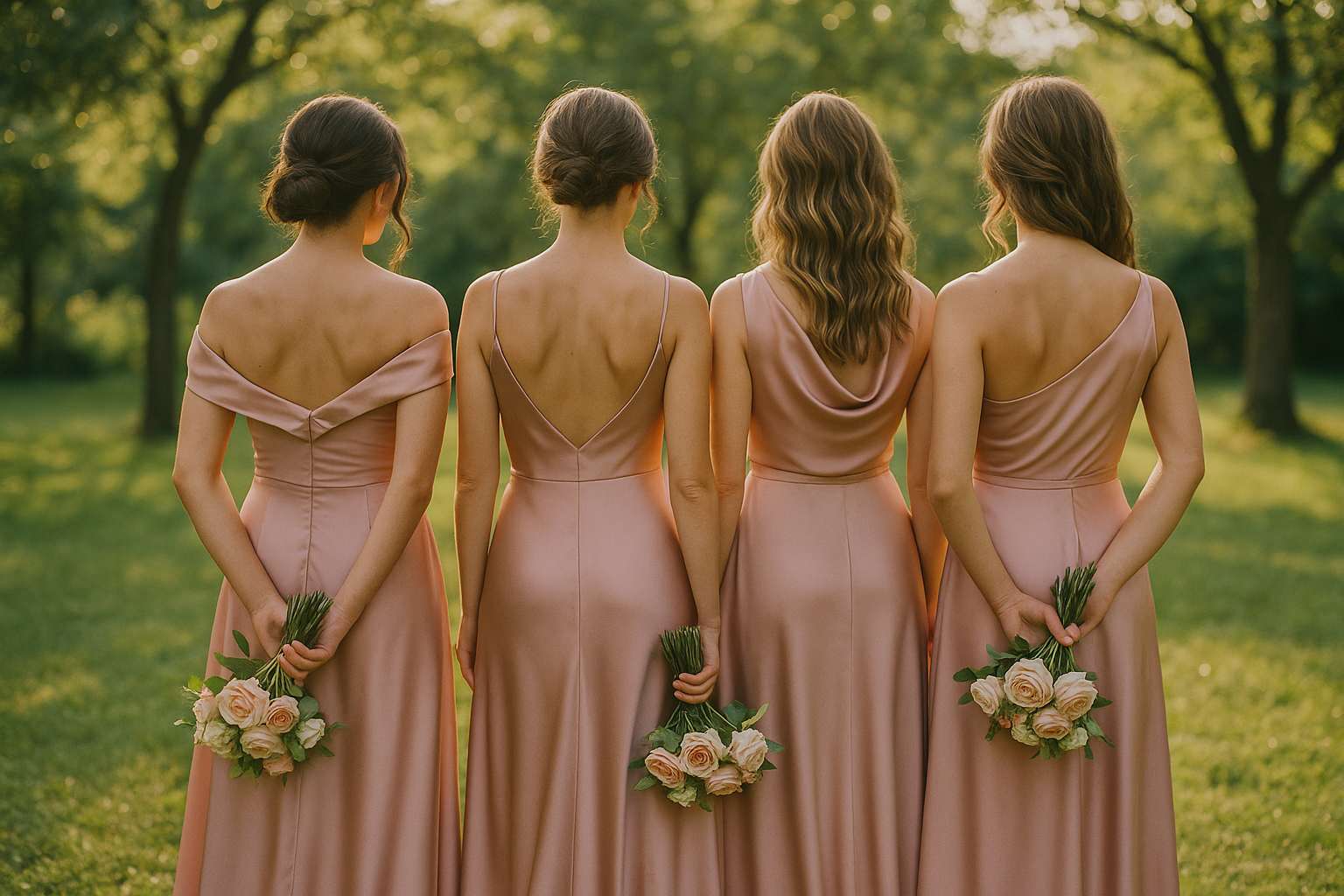
Mix-and-match bridesmaid dresses — each woman choosing a flattering silhouette within a defined shared color family — is the dominant bridesmaids approach for 2026. The key to making it look intentional rather than accidental is structure: lock the color first, maintain consistent hem length, order all dresses from the same dye lot, and give bridesmaids a curated silhouette menu rather than free choice.
The fully matching bridesmaids look — identical dress, identical color, identical silhouette on every figure — had a long run. And it still has a place, particularly at formal, traditional, and religious ceremonies where uniformity reads as intentional and elegant. But for the broad majority of 2026 weddings, it has given way to something more nuanced: the mix-and-match approach, where individual expression and collective cohesion coexist through careful design thinking.
"Coordinating a mismatched bridesmaid look is a great way to keep your wedding party members happy — not only because it allows them to infuse a bit of personal style into their look, but also because it provides a bit more flexibility when it comes to budget," says Kate Boswell, Fashion Editor at The Knot. The wisdom of that observation has made mix-and-match the most widely adopted bridesmaids approach in 2025–2026 — but the word "coordinating" carries significant weight. Done well, it is genuinely beautiful. Done without structure, it is a visual mess.
What is the right framework for a mix-and-match bridal party?
The couples whose mix-and-match bridesmaids photograph most beautifully have almost always made the same set of decisions in the same order. They locked the anchor variables before releasing the variables of individual choice.
The anchor decisions (lock these first):
- Color. Not a general direction like "sage tones" or "dusty colors" — a specific color name and SKU from a specific retailer, verified with physical swatches in your venue's lighting.
- Hem length. All floor-length, all midi, or all knee-length. This is the one element that should never be mixed. Inconsistent hem lengths are the most common visual problem in real mix-and-match bridal party photographs.
- Fabric family. Not necessarily an identical fabric, but a compatible one. All in satin, or all in the same retailer's chiffon, produces natural cohesion. Mixing matte chiffon with high-sheen satin and textured crepe across the same party reads as inconsistent rather than editorial.
The release decisions (offer these as choices):
- Silhouette — A-line, cowl neck, off-the-shoulder, wrap, column
- Neckline detail
- Strap style — thin strap, thick strap, one-shoulder, sleeveless
The practical execution: create a "silhouette menu" — a simple one-page PDF or shared document with your approved color, retailer, and two to four approved silhouettes with their SKU numbers. Share it with all bridesmaids at the same time, with a clear ordering deadline. This gives each woman genuine agency within a structure that protects the visual result you are working toward.
Which retailers do mix-and-match bridesmaids best in 2026?
| Retailer | Typical Price Range | Mix-and-Match Strength | Best For |
|---|---|---|---|
| Birdy Grey | $95–$150 | Multi-fabric coordinated collections built for this | Budget-conscious brides wanting designed cohesion |
| Azazie | $60–$160 | 90+ color library; free custom sizing; wide silhouette range | Diverse parties with inclusive sizing needs |
| BHLDN (Anthropologie) | $150–$350 | Editorial silhouettes; curated color stories; luxury feel | Fashion-forward brides with higher dress budgets |
| The Dessy Group (Jenny Yoo, After Six) | $200–$400 | Designer-quality coordinated silhouettes across shared color stories | Formal and elevated aesthetics |
| Lulus | $60–$120 | Trend-driven styles; frequent new inventory; most under $100 | Budget-first parties who want current fashion aesthetics |
Lee Chen, CEO and founder of Birdy Grey, advises: "We definitely suggest that the bride provide some guidelines for their bridesmaids' dresses, like a color or a family of colors — the last thing you want is one person showing up in black and someone in a ruffled pink number." That guidance applies regardless of which retailer you choose. Freedom within a framework, not freedom without one.
What are the most common mix-and-match mistakes — and how do you avoid them?
Ordering from different dye lots or different retailers. Even within the same color name, different production runs from the same retailer — and certainly from different brands — produce visible color differences in photography. Order all dresses simultaneously, in a single session, from the same collection. This is non-negotiable for color consistency.
Inconsistent hem lengths. A floor-length gown next to a midi next to a knee-length on three women in the same row of a photograph looks uncoordinated regardless of how carefully the colors were chosen. Pick one hem length and hold it.
Vague color direction without swatches. "Something in the sage family" produces five different interpretations. Order physical swatches from your shortlisted retailer ($5–$15, often credited toward purchase), photograph them in your venue's lighting against your own skin tone and your bridesmaids' range, and make the decision from those photographs.
Ordering too late. Standard production time for made-to-order bridesmaid dresses runs 12 to 16 weeks as of 2026. Add three to four weeks for alterations, and you need to order at least five months before the wedding. Six to eight months is safer for peak-season dates. Rush fees — typically $30 to $100 per dress — apply below four weeks, and availability cannot always be guaranteed.
Not accounting for sizing consistency. Bridal sizing runs one to two sizes smaller than standard retail, and the specific size chart varies by brand. Every bridesmaid should be professionally measured and sized to the specific retailer's chart — not to her street clothing size. When a bridesmaid falls between two sizes on different measurements, she should order the size that accommodates the larger measurement; it is always easier to take in than to let out.
The mix-and-match approach, executed with these principles in place, produces a bridal party that is both visually cohesive and individually flattering — which is exactly what the trend, at its best, is designed to achieve.
Frequently asked
What does mix-and-match bridesmaid dresses actually mean?
Mix-and-match bridesmaid dresses refers to a coordinated approach where each bridesmaid wears a different silhouette or neckline while staying within a defined color family or fabric. The most popular version in 2026 is same-color, different silhouette: all bridesmaids wear dusty rose (or sage, or navy), but one chooses an A-line, another a cowl neck, a third an off-the-shoulder. The result is a bridal party that looks intentionally coordinated without being rigidly uniform. A less structured version — mismatched colors within a palette, like dusty rose, blush, and mauve — allows more variety but requires more curation to avoid appearing accidental. The critical design principle is structure: defining what is the same (color, fabric family, hem length) before loosening what is different (silhouette, neckline, strap style). Without that structure, mix-and-match reads as disorganized rather than editorial.
How do I make sure mix-and-match bridesmaids actually look cohesive in photographs?
Cohesion in a mix-and-match bridal party depends on three anchors: consistent hem length, consistent color (from the same dye lot at the same retailer where possible), and consistent fabric weight or family. If all bridesmaids are floor-length in the same dusty rose satin from Birdy Grey's current collection, the silhouette differences will read as a sophisticated, intentional choice. If hem lengths are inconsistent — two at the floor, one at the knee, one midi — the group reads as uncoordinated regardless of how carefully the color was chosen. Photograph a fabric swatch in your venue's lighting, on a range of your bridesmaids' skin tones, before committing. Screen color is notoriously unreliable, and the same color name from two different brands or even two different production runs can look visibly different in photographs.
Which retailers are best for mix-and-match bridesmaid dresses in 2026?
Birdy Grey is particularly well-suited to mix-and-match because it has built curated multi-fabric collections where different silhouettes in coordinating colors are designed to work together — making it easy to shop a full bridal party look from one brand. Azazie offers a 90-color library and free custom sizing, making color consistency across a diverse party manageable. BHLDN at Anthropologie offers elevated, editorial silhouettes that photograph beautifully in mix-and-match configurations. The Dessy Group, which includes Jenny Yoo and After Six, provides a range of silhouettes across a single color story with designer quality. For budget-conscious parties, Lulu's offers fashion-forward styles under $100 with enough variety to build a thoughtful mix-and-match look. The key for all retailers: order all dresses simultaneously from a single collection to ensure dye-lot consistency.
What is the most popular color for mix-and-match bridesmaid dresses in 2026?
In 2026, the most requested mix-and-match colors are dusty rose, sage green, and deep azure or French blue, followed closely by warm terracotta for autumn weddings and champagne/warm nude for formal occasions. Dusty rose remains a perennial leader because it flatters a wide range of skin tones, pairs beautifully with the liquid satin fabric that dominates 2026 bridesmaid collections, and photographs warmly in both indoor and outdoor settings. Sage green has been consistently strong since 2023 and shows no sign of receding, particularly for garden and outdoor ceremonies. Deep jewel tones — emerald, deep plum, dusty navy — are growing as primary colors rather than accents, particularly for formal or fall weddings. What has genuinely faded: slate grey as a primary, millennial blush as the only option, and overly matchy-matchy pastel sets.
How much do mix-and-match bridesmaid dresses cost in 2026?
The average bridesmaid dress cost is $128 per person according to The Knot's 2025 Real Weddings Study, with most dresses falling in the $100 to $300 range. Mix-and-match approaches can actually reduce cost slightly by giving bridesmaids flexibility to choose their preferred price point within a retailer's collection, though this works best when the bride defines a price ceiling upfront. The true cost per bridesmaid goes considerably higher when alterations ($50–$150), shoes ($50–$150), and accessories ($30–$100) are included — a realistic total of $280 to $550 per bridesmaid for a local wedding. Communicate the full estimated cost to your bridesmaids before they commit to the role, not after. The average bridesmaid who attends a bachelorette party, purchases the dress and accessories, and contributes to hair and makeup often spends $1,200 to $1,800 over the full engagement — that context shapes how they hear a $250 dress request.