Fashion & Beauty
Mother of the Bride Dress Guide: Everything You Need in 2026
The mother of the bride is the second most photographed woman at the wedding. Yet family attire is the most consistently under-planned element of the day. Here is every decision, in the right order, with real price ranges and the etiquette that prevents conflict.
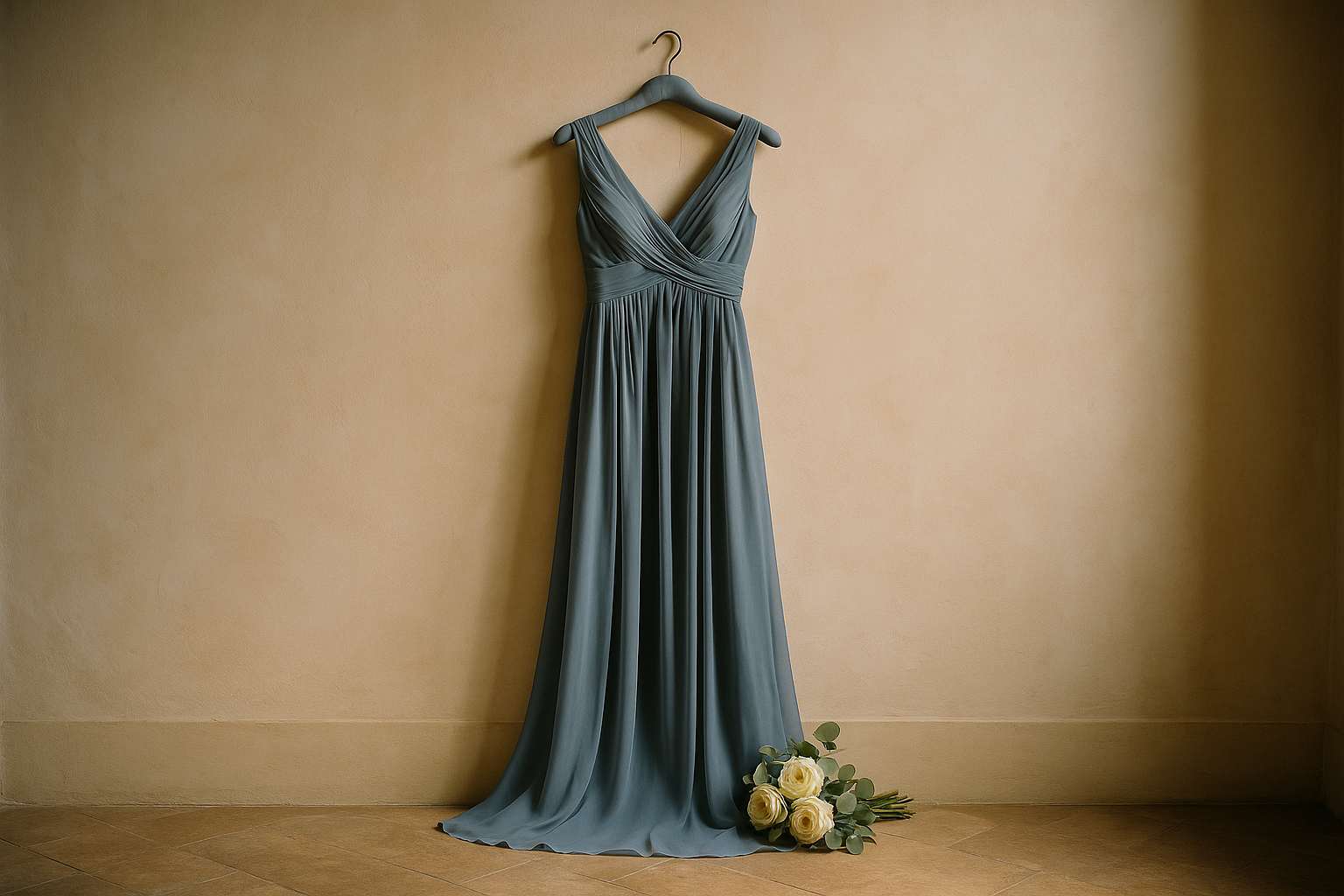
The mother of the bride should begin shopping eight to nine months before the wedding — after the bridal gown and bridesmaid colors are chosen — and communicate her color family to the mother of the groom before either woman commits to a dress. The goal is always coordination, never matching.
Why Does Family Attire Planning So Often Go Wrong?
The mother of the bride is the second most photographed woman at a wedding after the bride herself. She appears in every major portrait, every family formal, every processional photograph, and dozens of candid moments throughout the ceremony and reception. Yet according to wedding planners surveyed by The Knot, family attire is the most consistently under-planned element of the wedding — frequently started too late, derailed by competing opinions, and prone to last-minute conflict between families.
Done thoughtfully, coordinated family attire creates a visual narrative of unity in photographs that will last a lifetime. Done carelessly, it produces clashing colors, mismatched formality levels, and the kind of memories that cannot be retaken. This guide puts every decision in the right order.
The Correct Shopping Sequence: Who Goes First and Why
The hierarchy exists for a practical reason: every element flows from the bride. Starting out of order is the primary cause of color conflict between the two mothers.
- The bride selects her gown — no family member should commit to attire before the bridal gown is chosen.
- Bridesmaids are finalized — the bridesmaids' color and formality establish the palette parameters for family attire.
- The mother of the bride shops first — the MOB has right of first selection by etiquette tradition. She communicates her chosen color family (not necessarily the specific dress) to the MOG.
- The mother of the groom responds — the MOG selects a dress that complements but does not copy or upstage the MOB's choice.
- Extended family coordinates last — fathers, stepmothers, grandmothers, and adult siblings in the processional align to the established palette.
Begin this process no later than eight to nine months before the wedding. For destination weddings, large families, or custom gowns requiring lead time, begin at twelve months.
Formality Alignment: The Most Important Decision
Family attire must match the event's formality register. A MOB in a floor-length gown and a MOG in a cocktail dress creates visual dissonance that photographs poorly and signals a miscommunication between families — regardless of how beautiful each dress is individually.
| Wedding Formality | Appropriate Styles | Avoid |
|---|---|---|
| Black Tie | Floor-length gown; formal sheath in charmeuse or heavy crepe | Cocktail dress, casual separates, pantsuit in non-formal fabrics |
| Formal / Black Tie Optional | Floor-length gown or elegant midi; beaded jacket over column gown | Casual jersey, sundress silhouettes, heavy brocade in summer |
| Cocktail | Knee to midi dress; dressy suit; formal wide-leg jumpsuit | Full ballgown; overly casual knit separates |
| Garden Party / Semi-Formal | Midi dress; tasteful floral print; elevated separates | Heavy velvet in summer; stiff structured gowns |
| Casual / Beach | Flowy maxi; elegant sundress; elevated resort wear | Formal ballgown; heavily beaded or structured styles |
Color Coordination: The Rules That Prevent Conflict
The goal is coordination, not matching. Key principles that every MOB and MOG should know:
- Avoid white, ivory, champagne, and near-white — any tone that reads as bridal is reserved for the bride unless the bride explicitly approves.
- Avoid exactly matching each other — unless the effect is entirely intentional and both mothers agree.
- Avoid exactly matching the bridesmaids — family attire should complement the bridal party in a distinct but harmonious shade.
- Use a color story approach — if bridesmaids wear dusty blue, a MOB in silver-grey and MOG in soft navy creates a layered, cohesive palette.
Trending MOB and MOG color families in 2026: dusty rose, sage green, navy, dusty blue, mauve, champagne gold, slate blue, forest green, and rich jewel tones including sapphire and emerald. All-neutral palettes in ivory, champagne, and taupe remain popular for their timelessness and flexibility with most floral and décor schemes.
Always share a visual mood board — not a verbal color description. Five reference images communicate "dusty rose" with far less ambiguity than the words alone.
Silhouette, Fabric, and 2026 Trends
The dominant shift in 2025–2026 MOB style is toward elegant simplicity. Heavily beaded ballgowns and stiff brocade jackets have given way to fluid drape fabrics and versatile silhouettes that balance formality with comfort for an eight-to-ten hour day.
Most popular silhouettes in 2026:
- Midi-length — the tea-length and midi dress is at peak popularity after years of floor-length dominance. Comfortable, flattering across body types, and appropriate from cocktail through formal events.
- A-line gowns — universally flattering with a fitted bodice and gently flared skirt; the perennial safe choice for formal events.
- Cape overlays and flutter sleeves — adds drama and covers arms; very popular in 2024–2026 across all age ranges.
- Structured jumpsuits — wide-leg versions in crepe or satin are mainstream, polished, and practical for dancing.
- Embellished jackets over simple gowns — a sequined or beaded jacket over a clean column dress achieves formality while allowing the mother to remove the jacket for the reception.
Where to Shop: Retailers and Price Ranges
| Retailer | Price Range | Best For |
|---|---|---|
| David's Bridal | $100–$350 | Budget-friendly; wide size range; in-person fittings |
| Azazie / BHLDN | $100–$400 | Online; good for petite and plus; fashionable styles |
| Rent the Runway | $50–$200 rental | One-time-wear budget; designer labels at low cost |
| Nordstrom Rack | $80–$300 | Designer brands up to 70% off; wide selection |
| Nordstrom | $200–$1,200 | Kay Unger, Adrianna Papell, Mac Duggal; full-service |
| Specialty bridal boutiques | $300–$1,500+ | Best quality matching; dedicated MOB collections |
| Custom / made-to-order | $800–$5,000+ | Perfect fit; specific vision; 4–6 month lead time |
Budget separately for alterations: $150 to $500 depending on gown complexity, requiring two to four fittings over six to eight weeks. Always buy one size up and alter down — taking in fabric is far easier and less expensive than adding it.
Cultural and Faith-Tradition Variations
Family attire expectations vary meaningfully across cultural and religious contexts. For Catholic and Protestant formal ceremonies, floor-length or elegant cocktail gowns are standard; Catholic high masses favor covered shoulders and modest necklines, achievable with a jacket or shawl. Jewish formal weddings traditionally favor floor-length gowns in jewel tones — royal blue, deep burgundy, emerald — with modesty considerations in Conservative and Orthodox settings.
For South Asian weddings, mothers typically wear traditional garments: sarees, lehengas, or salwar kameez. Color significance matters — red is typically reserved for the bride in Hindu tradition, while white and black carry different cultural associations than in Western weddings. For Chinese weddings, red is celebratory and appropriate for family; traditional qipao or cheongsam styles are beloved and equally appropriate alongside Western formal wear.
The Pre-Wedding Checklist for the Mother of the Bride
- Month 9: Begin shopping after bride's gown and bridesmaid colors are confirmed
- Month 8: Communicate your chosen color family (not the specific dress) to the mother of the groom
- Month 7: Schedule first fitting within one week of purchase
- Month 6: Confirm the MOG has selected a complementary dress in a harmonious shade
- Month 4: Complete first alteration fitting; bring shoes, undergarments, and accessories
- Month 2: Complete final fitting; confirm shoes are broken in
- Week 4: Final confirmation — dress, shoes, accessories, undergarments all ready
Frequently asked
When should the mother of the bride start shopping for her dress?
The mother of the bride should begin shopping no later than eight to nine months before the wedding. This window assumes bridesmaids' colors and styles have already been chosen — which should happen at the nine- to twelve-month mark. The correct sequence matters: the bride selects her gown first, bridesmaids are finalized second, and only then does the MOB begin shopping. Starting too late — within four months of the wedding — creates real risk. Made-to-order or designer gowns require four to six months of lead time. Alterations alone need six to eight weeks and typically require two to four fittings. A mother who begins shopping eight months out has ample time to order, alter, break in her shoes, and resolve any unexpected issues without stress. For destination weddings or custom gowns, begin at nine to twelve months.
What colors should the mother of the bride avoid?
The non-negotiable rule: avoid white, ivory, champagne, and any shade that could read as bridal. This includes off-white, bright white, cream, and pale blush unless the bride explicitly approves. White at a wedding is reserved for the bride in Western tradition, and a mother in near-white creates unavoidable visual confusion in photographs. The MOB should also avoid exactly matching the bridesmaids' color, which creates a visual hierarchy problem — family attire should complement the bridal party, not replicate it. Beyond these rules, the field is wide open. Popular MOB color families for 2026 include dusty rose, sage green, navy, dusty blue, slate, mauve, champagne gold, and rich jewel tones such as emerald and sapphire. Coordinate color families — not specific shades — with the mother of the groom to avoid clashing at the altar.
Does the mother of the bride have to match the mother of the groom?
No — and matching exactly is actually discouraged. The goal is coordination, not uniformity. The MOB has right of first selection on color and silhouette by traditional etiquette, and communicates her general color family to the MOG so the MOG can complement rather than clash. A color story approach works beautifully: if bridesmaids wear dusty blue, a MOB in silver-grey and a MOG in soft navy creates a layered, cohesive palette without anyone being identical. Both mothers should match the event's formality level — a MOB in a floor-length gown and a MOG in a cocktail dress creates visual dissonance that photographs poorly and reads as a miscommunication between families. Send both mothers a mood board with reference images rather than a verbal color description — 'dusty rose' interpreted by two different people produces two very different dresses.
What is the appropriate formality level for a mother of the bride dress?
Formality must match the event register. For black-tie weddings, a floor-length gown in formal fabrics such as charmeuse, heavy crepe, or lace is required — cocktail dresses look visibly underdressed at this level. For formal or black-tie optional events, floor-length or an elegant midi is appropriate. For cocktail and semi-formal events, knee-length to midi dresses, dressy suits, and formal jumpsuits all work. For garden party or casual weddings, flowy midis, elevated separates, and floral prints are ideal. The single most common MOB mistake is a formality mismatch between the two mothers — one in a ballgown, one in a cocktail dress. Share the venue, the time of day, and the dress code explicitly with both mothers, along with two or three reference photos, before either begins shopping.
How much does a mother of the bride dress typically cost?
The range is genuinely wide. Budget-conscious options from David's Bridal and online retailers including Azazie and BHLDN start at $100 to $200 and offer elegant styles that photograph beautifully. Mid-range options at Nordstrom, Saks Fifth Avenue, and specialty bridal boutiques carrying designer lines from Kay Unger, Adrianna Papell, and Mac Duggal typically run $250 to $800. Custom and made-to-order gowns from bridal boutiques or independent designers range from $800 to $5,000 or more, depending on fabric and complexity. Rental through Rent the Runway or local formalwear shops costs $50 to $200 for the rental period — a dignified and increasingly mainstream option for one-time-wear budgets. Budget separately for alterations, which typically run $150 to $500 depending on the complexity of the gown, and allow six to eight weeks for the alteration process.
What fabrics are most appropriate for a mother of the bride dress?
Fabric choice should match both the formality level and the season. For formal and black-tie events, charmeuse, crepe, chiffon, lace, and velvet (in autumn and winter) are ideal — they photograph beautifully and read as occasion-appropriate. For cocktail and semi-formal events, chiffon, georgette, lace, and jacquard are excellent choices. For garden parties and warmer months, chiffon, lace, flowy georgette, and eyelet are practical and elegant — heavy velvet or stiff taffeta in summer reads as uncomfortable and visually out of place. General principles: fluid drape fabrics are dominant in 2025–2026, replacing the heavily structured brocade and stiff jacquard styles of earlier years. Opt for lighter weights in summer, richer weights in autumn and winter. Always bring your shoes to every fitting — a floor-length hem can vary by two inches depending on heel height.