Fashion & Beauty
Wedding Dress Silhouettes: The Complete 2026 Guide to Every Style
Before the fabric, before the neckline, before the budget — the silhouette is the decision that shapes how you are photographed from every angle and how you feel for twelve uninterrupted hours. Here is every silhouette, honestly compared.
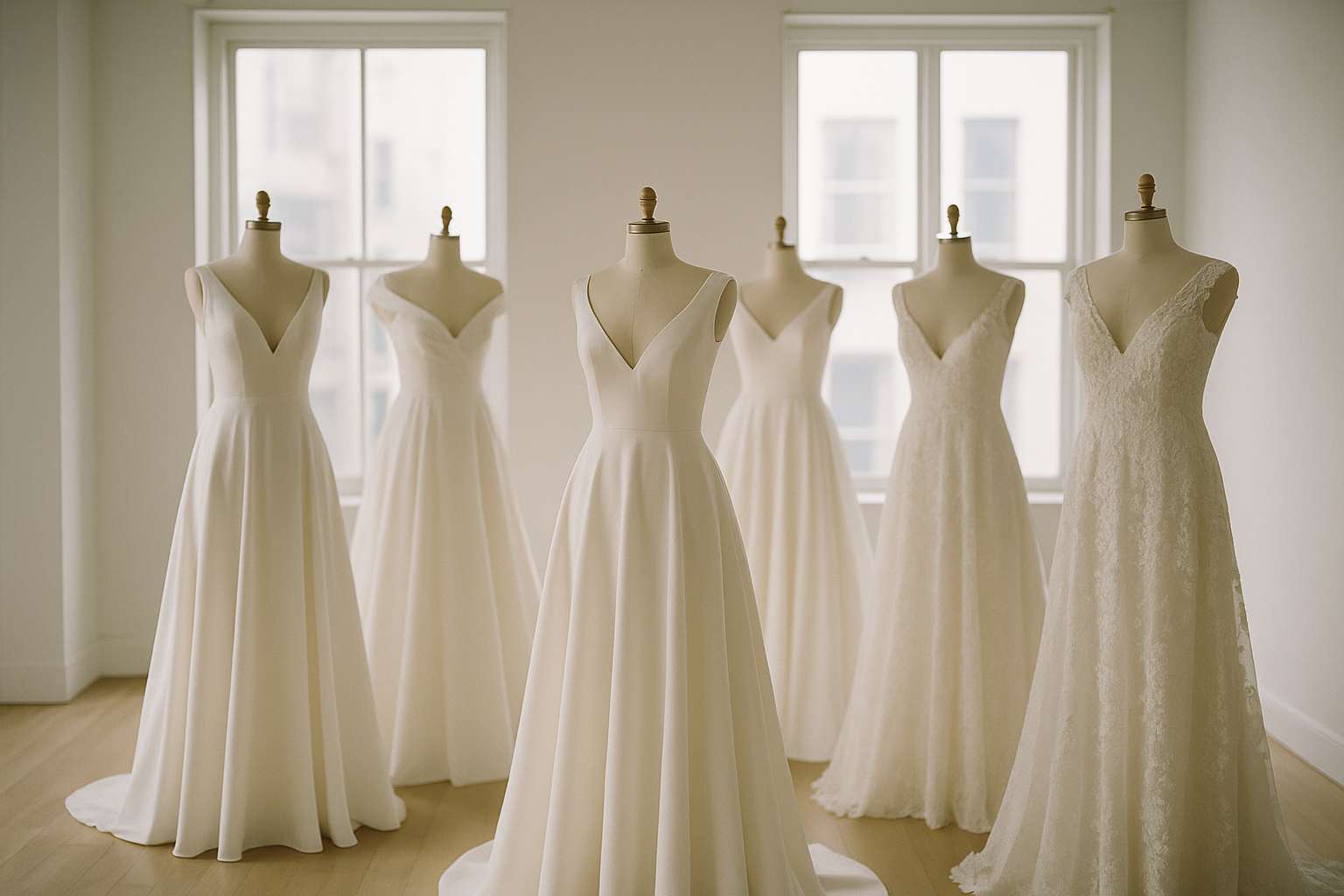
The silhouette is the most important decision you will make about your wedding dress — it shapes your proportions, your movement, and how you appear in every photograph. The A-line flatters the broadest range of body types; the ball gown creates drama; the mermaid celebrates curves; the sheath delivers modern elegance; the empire suits petite frames and pregnant brides. Try all of them before committing.
Why Does Silhouette Matter More Than Any Other Gown Detail?
Before you think about lace versus satin, strapless versus sleeves, or any other styling element, the silhouette determines the architectural relationship between the garment and your body. A beautiful neckline on the wrong silhouette will work against your proportions. The same neckline on the right silhouette will be transformative.
Experienced bridal stylists at boutiques including White Rose Bridal in New Jersey consistently note that brides who walk in with a fixed silhouette in mind and refuse to try alternatives are the brides most likely to experience buyer's remorse. Approximately six out of ten brides end up purchasing a different silhouette than the one they originally planned to buy. The fitting room is the only place where the relationship between a silhouette and your specific body becomes legible — not a photograph, not a social media post, not a friend's recommendation.
Here is every major silhouette defined, with its construction logic, flattering principles, and 2026 iteration:
What Are the Five Core Wedding Dress Silhouettes — and How Do They Differ?
The A-Line
Fitted through the bodice, gradually widening from the natural waist in the shape of the letter A. The flare begins at or just below the hip, giving the skirt a gentle sweep that skims over the hips and thighs without clinging. The A-line is the most versatile silhouette in bridal because it creates a defined waist without requiring the body to conform to a narrow tube — a combination that works across the broadest range of proportions. According to Justin Alexander's 2025 silhouette guide, the A-line remains the most-tried and most-purchased gown silhouette for the third consecutive year globally.
The 2026 iteration: the dropped-waist A-line, where the seam sits at the low hip rather than the natural waist, is one of the dominant current trends — inspired by early twentieth-century silhouettes and updated with modern construction. It visually lengthens the torso and creates a fluid, elongated line that photographs exceptionally well.
The Ball Gown
A fitted, structured bodice — often incorporating boning or corsetry — paired with a dramatically full, floor-length skirt beginning at the natural waist. The quintessential princess silhouette. The volume of the skirt creates an hourglass effect by drawing the eye outward from the waist, camouflaging hips and thighs entirely. A full ball gown skirt may incorporate three to four times the fabric of a sheath dress, with multiple layers of tulle, crinoline, or petticoat for volume — which directly drives both cost and weight (10 to 20 lbs. for a fully layered skirt).
The 2026 iteration: the basque-waist ball gown — featuring a V- or U-shaped seam that dips below the natural waist before meeting the skirt — adds visual drama and elongates the torso in a way that echoes eighteenth-century aristocratic tailoring. Modern versions are softer and less heavily boned than the ball gowns of the 1990s, using tulle and silk rather than heavy crinoline to create volume.
The Mermaid and Trumpet
Both silhouettes are form-fitting from the bodice through the hip and thigh before flaring. The mermaid flares at or below the knee; the trumpet flares at mid-thigh, allowing fractionally more movement. Both celebrate and accentuate curves most effectively on bodies with a distinct waist-to-hip differential. Mobility is genuinely restricted in both styles — strides are shortened, sitting requires positioning practice, and dancing requires rehearsal. Many mermaid brides opt for a comfortable reception outfit change or a detachable overskirt for the dancing portion of the evening.
The 2026 iteration: textural mermaid gowns — ruched satin, draped crepe, and hand-applied floral appliqué — are prominent. Three-dimensional embellishment that creates surface interest at the hip and thigh is one of the defining bridal aesthetic trends of the current season.
The Sheath or Column
A straight, unfitted silhouette that skims the body from shoulder to hem with minimal structural shaping. It uses the least fabric and the simplest construction of all silhouettes — but the quality of a sheath gown lives almost entirely in the fabric and its drape, which is why luxury sheath gowns in bias-cut silk, double-faced satin, or liquid crepe occupy some of the highest price tiers in bridal despite their apparent simplicity. The sheath reveals the body as it is, without strategic structure, making undergarment choice and precise fit critical.
The 2026 iteration: the sculptural column gown — incorporating architectural pleats, asymmetric draping, or a single-shoulder construction — has elevated the sheath from minimalist to statement-making without adding volume.
The Empire
The waist seam sits directly beneath the bust, releasing the skirt to flow freely from the highest point of the natural waist. Often seen in lighter fabrics — chiffon, georgette, soft tulle — the empire draws the eye upward and releases all structure below the high waist. It is the most recommended silhouette for brides who are pregnant, prefer not to emphasize the midsection, or prioritize effortless movement above all else.
Which Silhouette Is Most Flattering for Your Body Type?
| Body Type | First to Try | Also Explore | Use Caution With |
|---|---|---|---|
| Hourglass (defined waist, balanced bust and hip) | Mermaid, trumpet | Ball gown, A-line | Boxy sheath with no structure |
| Pear (narrower shoulders, fuller hips and thighs) | A-line, ball gown | Drop-waist A-line | Straight sheath with no flare |
| Apple (fuller midsection, narrower hips) | Empire, soft A-line | Ball gown | Tight mermaid through the midsection |
| Athletic or rectangular (minimal hip-waist differential) | Drop-waist A-line, structured sheath | Trumpet with 3D embellishment | Plain unadorned sheath |
| Petite (under 5'4") | Empire, clean A-line | Slim mermaid | Ball gown with heavy crinoline at the hip |
| Tall (5'9" and above) | Dramatic ball gown, cathedral-length sheath | Long mermaid with extended train | Short hem lengths that cut the leg |
| Full bust | Off-shoulder or square-neck A-line | Ball gown with structured boned bodice | Strapless without boning |
These recommendations are a starting point, not a rule. Every body is specific, and every bride deserves to try styles outside these suggestions — the goal is to walk into the fitting room informed, not limited. At every first appointment, commit to trying at least one silhouette beyond your top choice. The three-second instinct test — standing in a dress for three seconds and noting your first internal reaction before you begin analyzing fit — is one of the most reliable guides experienced bridal stylists rely on. For a more detailed breakdown, see silhouettes ranked by body type to map these starting points to your specific proportions.
What Are the 2026 Silhouette Trends Worth Knowing Before You Shop?
The 2026 bridal aesthetic has been described by designers including Enzoani and Justin Alexander as a Romantic Revival — a return to softness, structure, and deliberate femininity. The following structural details are appearing across nearly every major collection:
- Basque and dropped-waist seams on A-line and ball gown constructions — the single most discussed structural detail of the current season
- Modern corsetry — boning built into the garment rather than worn beneath it, shaping posture and refining the waist without restriction
- Sculptural column gowns — architectural pleating and asymmetric draping elevating the sheath into high-fashion territory
- Convertible and modular gowns — detachable trains, removable overskirts, and separable sleeves offering two distinct looks within a single purchase
- Three-dimensional floral appliqué on mermaid and A-line silhouettes, applied by hand at the hip, bodice, or shoulder
- Statement sleeves — sheer, lace, or puffed — returning to balance the shoulderline and add romantic volume to otherwise simple silhouettes
What Does Each Silhouette Cost, and What Are the Hidden Expenses?
Gown prices have risen approximately 15 to 20 percent over the prior five-year period in the U.S. market, driven by fabric costs, supply chain adjustments, and increased customization demand. The following ranges reflect the 2025 to 2026 U.S. market across all retail tiers.
| Silhouette | Budget Accessible | Mid-Range | Designer / Couture |
|---|---|---|---|
| Sheath / Column | $200–$800 | $800–$2,000 | $2,000–$8,000+ |
| Empire | $400–$1,000 | $1,000–$3,000 | $3,000–$8,000+ |
| A-Line | $500–$1,200 | $1,200–$3,500 | $3,500–$10,000+ |
| Mermaid / Trumpet | $1,200–$2,500 | $2,500–$5,000 | $5,000–$15,000+ |
| Ball Gown | $1,000–$2,500 | $2,500–$6,000 | $6,000–$20,000+ |
Beyond the dress price itself, always budget for: alterations ($300 to $800 for standard modifications; $800 to $1,500 or more for structural changes); undergarments appropriate to the silhouette ($80 to $300 for a bridal bustier, shapewear, or corset); dress preservation and cleaning after the wedding ($200 to $500); and accessories including veil, headpiece, and jewelry ($100 to $2,000 or more). Rush order surcharges — applicable if the gown must be produced in less than five months — run 15 to 30 percent above the standard dress price. Order early enough to avoid them.
Frequently asked
Which wedding dress silhouette is the most universally flattering?
The A-line is universally cited by bridal stylists as the most reliably flattering silhouette across the widest range of body types. Its fitted bodice defines the waist while the gradual flare from the hip skims over the hips and thighs without clinging — a combination that creates a defined, elongated silhouette without requiring the body to conform to a narrow fit-and-flare structure. An April 2026 survey of bridal boutique stylists confirmed that the A-line remains the most-tried and most-purchased gown style for the third consecutive year. That said, universally flattering does not mean optimal for your specific proportions. The silhouette you feel most beautiful in always outranks any stylist's general recommendation. Try at least three different silhouettes before purchasing — approximately six out of ten brides end up in a different shape than they originally planned.
Can a plus-size bride wear a mermaid wedding dress?
Absolutely, and the question is not about size but about proportion. A mermaid gown produces its most dramatic and flattering result on a body with a defined waist-to-hip differential — an hourglass or near-hourglass shape — at any size. A bride who carries most of her weight in the midsection rather than the hip and thigh may find that a mermaid gown creates more visual compression than elongation, making an A-line or ball gown a more comfortable and flattering option. The honest guidance: work with a stylist who knows your specific measurements and proportions, try a mermaid regardless of any general guidance, and trust the three-second instinct test in the fitting room. What you see and feel in person will always be more accurate than any chart or recommendation.
How much should I budget for a wedding dress, including alterations?
The national median spend on a wedding gown as of 2025 is approximately $2,000 according to The Knot's annual survey of more than 10,000 couples, but this figure varies significantly by silhouette and market. Budget-accessible sheath and empire gowns start at $200 to $800; mid-range A-line and ball gown styles run $1,200 to $3,500; designer and couture mermaid and ball gowns can reach $15,000 to $20,000 or more. Alterations are a near-universal additional expense — nearly 95 percent of brides require at minimum a hem adjustment, bust alteration, and waist take-in. Budget $300 to $800 for standard alterations; structural changes can reach $1,200 or more. Brides in New York and California average $2,500 to $3,200 for the gown alone; Midwest brides average $1,600 to $2,100. Always budget alterations separately from the dress price from the very beginning of the shopping process.
When should I start shopping for my wedding dress?
Begin dress shopping nine to twelve months before your wedding. Most designer gowns require six to nine months for production after the order is placed, and you will need an additional two to three months for alterations after the gown arrives at the boutique. For a standard planning timeline, this means booking your first boutique appointments approximately ten to twelve months out, placing your order eight to ten months out, and completing your final fitting four to six weeks before the wedding. If your wedding is within five months, shift your focus to in-stock boutique inventory and ready-to-wear bridal lines such as BHLDN and Azazie, which stock finished gowns in standard sizes for immediate purchase. Rush-order surcharges from designers run 15 to 30 percent above the standard dress price and are worth avoiding if at all possible by shopping on a timeline that allows standard production.
What is the difference between a mermaid and a trumpet wedding dress?
Both silhouettes are form-fitting through the bodice and hips, but they flare at different points on the leg. The mermaid flares dramatically at or below the knee, creating the most extreme fit-and-flare silhouette and the least mobility of any wedding gown style. The trumpet flares higher, at mid-thigh, which allows fractionally more movement and suits a slightly broader range of body types. Both styles celebrate and accentuate the curve of the waist and hip and produce some of the most dramatic bridal photographs of any silhouette. The practical differences: mermaid gowns typically require three to four fitting appointments before the wedding (more than any other style) because the fit must be precise from shoulder to knee before the flare is properly set. Both require careful movement testing at every fitting — walking, sitting, dancing, and climbing stairs must all be comfortable before approving the final alteration.
My religion requires modesty — can I still find a beautiful gown?
Without reservation. The modest bridal market has expanded significantly, and designers at every price point now offer full-coverage gowns with long lace sleeves, high necklines, and covered backs that are among the most breathtaking garments in current bridal fashion. For Catholic ceremonies requiring shoulder coverage, a bridal bolero, lace cape, or built-in lace overlay on an otherwise open gown satisfies the venue requirement without compromising the dress's beauty. For Orthodox Jewish and Islamic ceremonies requiring full sleeve and neck coverage, A-line and ball gown silhouettes with long lace sleeves and modest necklines are consistently among the most elegant offerings at bridal market shows. Convertible gowns — with a modest ceremony overlay that detaches for the reception — give observant brides maximum flexibility within a single purchase. Do not accept a gown that feels like a compromise; a dress that fully honors your faith and fully expresses who you are is a real and achievable goal at every budget level.