Fashion & Beauty
Wedding Dress Trends 2026: 10 Bridal Styles Defining the Season
From basque waists and structured corsets to convertible gowns and oversized architectural bows, the 2026 bridal silhouette rewards intentional dressing. These are the ten styles shaping the season — with real designer examples, body considerations, and honest guidance for every bride.
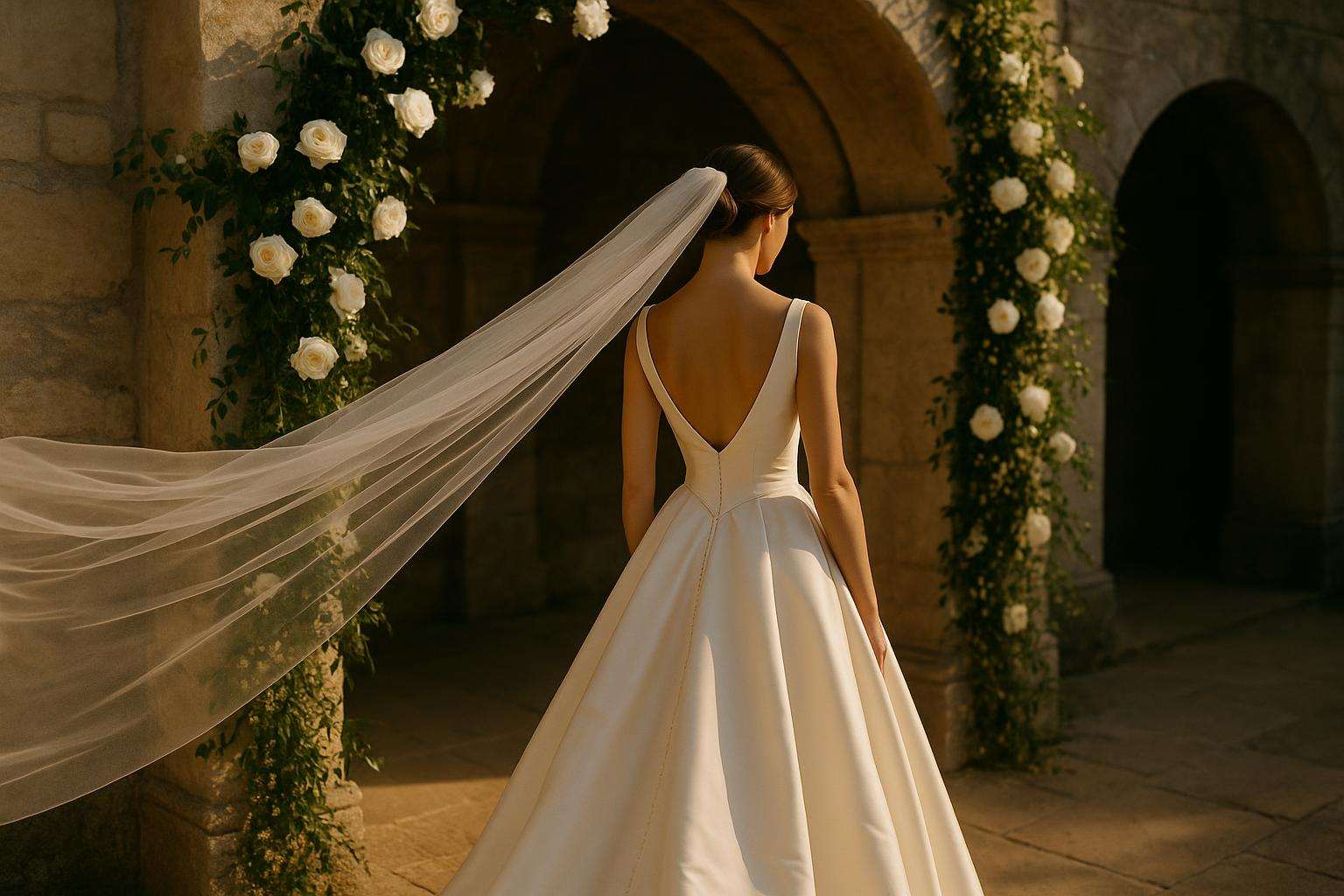
Designer examplesBody type guidanceVenue matchingPrice rangesLongevity notes2026 runway data
The quick verdict
The 2026 bridal season rewards structure, craft, and intention. From basque waists and boned corset bodices to convertible gowns and architectural bows, here are the ten most significant wedding dress trends — with designer examples, body type guidance, and honest notes on what will still look beautiful in fifteen years.
- Best overall
- Corset Bodice with Structured Boning — The single trend with the longest documented bridal runway presence, the widest body-type application, and the strongest photographic performance of any style on this list. A boned corset bodice flatters virtually every figure by creating a precisely fitted waist, gives the bride the posture and confidence that comes from genuine structural support, and photographs with a quality of intentional elegance that off-the-rack or loosely constructed gowns rarely achieve.
- Best value
- Convertible / Two-in-One Wedding Dress — The convertible gown is the strongest value-per-dollar in 2026 bridal fashion — it functions as both a ceremony gown and a reception dress, effectively delivering two distinct looks from a single purchase. BHLDN and Jenny Yoo both offer convertible options in the $1,200–$2,200 range that serve this purpose effectively.
- Best for Brides who want maximum visual impact at an evening ballroom or city venue
- Shimmer and Sparkle Fabrication — A fully sequined or beaded gown at an evening reception is one of the most visually extraordinary experiences in bridal fashion — the combination of candlelight, flash photography, and a bride in motion in a sequined gown creates images of genuine cinematic quality. Berta Bridal, Reem Acra, and Monique Lhuillier all offer spectacular 2026 options in the $4,000–$14,000 range.
How we evaluated
These ten trends were selected by cross-referencing 2026 runway reporting from Rocky Mountain Bride, The Knot's annual trend forecast, Lovely Bride's 2026 style roundup, and Maggie Sottero's trend editorial. Each trend was required to appear in at least two major bridal editorial sources and to be represented in the active current collections of at least two major bridal designers with U.S. retail distribution. Price ranges reflect U.S. retail as of 2026 from authorized retailers including bridal boutiques, BHLDN, David's Bridal, and direct designer retail. All named designers are verified real brands with U.S. retail presence.
- Editorial presence. Documented appearance in at least two major 2026 bridal editorial sources and at least two designer collections with U.S. distribution
- Real-world wearability. Practical assessment of comfort, movement, and functioning at a real wedding across ceremony, reception, and dancing
- Body type range. Evaluation of which body types and proportions the silhouette serves well and where it may require modification
- Photographic performance. Assessment of how the silhouette, fabric, and detail photograph in natural light, warm indoor light, and flash — across different camera systems
- Longevity. Honest assessment of whether the trend is likely to read as time-specific or enduring when viewed five to fifteen years from now
Rating scale: Items are rated on a 1–5 scale across Wearability, Body Type Range, Photographic Impact, Value, and Longevity.
Last verified .
At a glance
| # | Name | Rating | Best for | Pricing |
|---|---|---|---|---|
| 1 | Basque Waist Gown | 4.9 | Hourglass and pear body types; formal ballroom and estate weddings; brides who want maximum structural impact | $1,800–$6,500 |
| 2 | Structured Corset Bodice | 4.9 | All body types; all venue types; brides who prioritize structural excellence and photographic impact | $1,200–$8,000 |
| 3 | Column and Slip Silhouette | 4.7 | Lean body types; modern, minimalist, and city venues; brides drawn to understated luxury over architectural volume | $900–$5,500 |
| 4 | High Neckline | 4.7 | All body types; modern, garden, and formal venues; brides with a fashion-forward aesthetic or a preference for distinctive coverage | $1,200–$7,000 |
| 5 | Convertible / Two-in-One Wedding Dress | 4.6 | All body types and venues; brides who want both a formal ceremony presence and a more mobile, festive reception look | $1,500–$5,500 |
| 6 | Oversized Architectural Bow | 4.5 | All body types (particularly lean and straight frames for back bow placement); garden, modern, and joyful venues; brides who want their dress to be immediately, unmistakably a statement | $1,400–$5,000 |
| 7 | Shimmer and Sparkle Fabrication | 4.6 | Evening receptions, ballroom and city venues, and brides who want maximum visual impact in candlelit or low-light photography | $1,600–$10,000+ |
| 8 | Sheer Layering with Organza or Tulle Overlay | 4.5 | Outdoor, garden, and romantic venue weddings; all body types; brides who want movement and light-catching fabric quality in natural settings | $1,500–$7,000 |
| 9 | Off-Shoulder / Portrait Neckline | 4.4 | All body types; particularly flattering for shoulders and décolletage; beach, outdoor, and garden venues; brides who want a romantic, open neckline without a plunging V | $1,200–$5,000 |
| 10 | Feather and Fringe Details | 4.3 | City, ballroom, and maximalist venues; brides with bold, theatrical personal style; evening receptions where movement photography will be a priority | $2,000–$12,000 |
Basque Waist Gown
The most flattering structured silhouette of the season — a V-pointed waist that creates instant hourglass proportion
The basque waist — a bodice cut with a V-shaped point at the front center waist, dropping below the natural waist before meeting the skirt — is the single most significant silhouette statement in 2026 bridal fashion, and it earns its position at the top of this list through a combination of visual drama and genuine flattery. The basque waist creates the optical illusion of an elongated torso, a narrower waist, and wider hips simultaneously — it is one of the most figure-enhancing structural choices available to a wedding gown designer. In 2026, it has returned with a modernity that distinguishes it from its Victorian origins: paired with structured satin in champagne or ivory, a fitted mermaid or trumpet skirt, and a minimalist approach to surface decoration, the basque waist reads as clean and contemporary while retaining the inherent romanticism of a precisely engineered waistline. Maggie Sottero's 2026 Essence of Australia collection features multiple basque-waist gowns across price points from $2,100 to $4,800. Vera Wang's Fall 2026 bridal collection includes a basque-waist ball gown in ivory duchess satin with a cathedral train that has become one of the season's most requested styles. The silhouette is most specifically flattering for hourglass and pear body types, where the pointed waist accentuates an already-present waist-to-hip differential — but it is available in a range of skirt volumes from fitted pencil to full ball gown that allow brides across body types to find their version.
Strengths
- One of the most visually dramatic and flattering structural choices in bridal design — the downward-pointing V waist creates a figure-elongating optical effect that few other silhouette choices produce with equal efficiency
- Available across a wide price range from accessible collections (Maggie Sottero at $2,100) to luxury designer pieces (Vera Wang at $6,500+), making the trend accessible without compromising on the structural quality that makes it effective
- Photographs with exceptional clarity from every angle — the strong architectural line of the basque waist creates a visual anchor in bridal portraits that gives images compositional strength
Weaknesses
- The basque waist requires a very precise fit at the abdominal and hip junction — an incorrectly fitted basque waist can create bunching or pulling at exactly the point it is designed to be perfect; budget for 2–3 fitting appointments and work with a skilled seamstress rather than relying on off-the-rack sizing
- Best for
- Hourglass and pear body types; formal ballroom and estate weddings; brides who want maximum structural impact
- Pricing
- $1,800–$6,500
Structured Corset Bodice
The enduring bridal silhouette — boned, fitted, and deeply flattering across body types
The boned corset bodice is not a 2026 trend — it is a permanent feature of the bridal silhouette that surfaces with particular prominence in seasons that value structure over volume, and 2026 is strongly such a season. The corset bodice is defined by internal boning (either steel or flexible synthetic) that creates a precisely fitted, waist-defining structure, typically with a visible lace-up back detail that has become one of the most photographed bridal details of the decade. In 2026, corset bodices appear across multiple silhouette types: as the top half of full ball gowns (paired with voluminous tulle or duchess satin skirts), as the full expression of fitted column gowns, and as standalone bodices worn over flowing skirts for a layered effect. The lace-up back — whether truly functional or purely decorative — adds adjustability (a significant practical benefit for weight fluctuations between order and wedding day), visual interest in back portraits, and the specific quality of handcraft that brides increasingly seek as a counterpoint to mass-produced fashion. Grace Loves Lace, the Australian bridal brand with a strong U.S. following, built its entire 2026 collection around structured corset bodices in natural fabrications including stretch lace, organza, and draped silk charmeuse. Hayley Paige's 2026 collection includes a notably beautiful corset bodice ball gown with a sweetheart neckline and adjustable lace-up closure that has become one of the most saved and shared bridal images of the year on Pinterest.
Strengths
- The most universally flattering structural choice in bridal design — a correctly fitted boned corset bodice creates a waist definition and posture that is impossible to achieve with a soft or unstructured bodice, and it flatters virtually every body type through that structural precision
- The lace-up back adds genuine practical value: the adjustment range of a lace-up closure (typically 2–3 inches) provides insurance against fitting changes between the final appointment and the wedding day, reducing the risk of last-minute emergency alterations
- The most durable visual trend on this list — corset bodices have appeared in major bridal editorial in every year from 2010 to 2026 without interruption; they will not read as dated in your album in fifteen years
Weaknesses
- A boned corset bodice worn for 10+ hours requires careful management — the boning can create pressure points at the rib cage during extended wear (particularly during a long reception); brides should request a proper sit-test in their final fitting appointment and confirm that the boning sits correctly against their body in a seated position as well as standing
- Best for
- All body types; all venue types; brides who prioritize structural excellence and photographic impact
- Pricing
- $1,200–$8,000
Source: Wedding Dress Trends 2026: What Brides Are Wearing This Year
Column and Slip Silhouette
The most sophisticated minimalist direction — lean, architectural, and quietly extraordinary in quality fabric
The column and slip silhouette — a lean, closely fitted gown that follows the body without flaring, pleating, or significant volume anywhere — is the 2026 counterpoint to structured romanticism, and it has found a devoted following among brides with modern, minimalist aesthetics, city venues, and a preference for understated confidence over architectural drama. The most important factor in a column gown is fabric quality, because the silhouette allows no design complexity to compensate for inferior material: an excellent column gown in silk charmeuse or silk crepe reads as deeply luxurious; an inferior column gown in polyester satin reads as formal occasion wear. In 2026, the column silhouette appears in two primary interpretations: the true bias-cut slip, with its 1930s Old Hollywood reference (popularized again by Vera Wang's minimalist archive and Grace Loves Lace's Sigrid and Corvi styles); and the structured column with architectural seaming (a more modern interpretation with sharp seam lines that create body-defining structure without volume). Lovely Bride reports that column and slip gowns are among the most-requested styles in their boutiques for 2026, and Grace Loves Lace's column styles consistently appear among their best-sellers globally. Who What Wear's 2026 wedding dress trends report specifically cites the return of the bias-cut slip as one of the defining style stories of the season.
Strengths
- The highest-quality fabric impact of any silhouette — a column gown in true silk (charmeuse, crepe, or hammered satin) photographs with a luminosity and drape that structured or embellished gowns cannot fully replicate; for brides who value material quality over design complexity, this is the optimal choice
- The most practical silhouette for non-traditional venues — a column gown moves freely through a woodland ceremony, a beach setting, an urban rooftop, or a minimalist loft space with none of the logistical challenges of full-volume skirts
- Among the most editorially validated minimalist directions of the season — Who What Wear's 2026 report names the bias-cut slip a defining style story, and Grace Loves Lace's Sigrid and Corvi column styles rank among the brand's global best-sellers, signaling durable demand rather than a passing moment
Weaknesses
- The column and slip silhouette is most specifically flattering for lean and proportionally even body types — it requires acceptance of the body's natural shape rather than architectural enhancement of it; brides seeking waist definition, hip-to-waist differentiation, or chest support will find that other silhouettes serve those goals more effectively
- Best for
- Lean body types; modern, minimalist, and city venues; brides drawn to understated luxury over architectural volume
- Pricing
- $900–$5,500
High Neckline
The most striking contemporary neckline choice — from jewel to mock-neck, commanding and beautifully photographic
The high neckline — spanning jewel, mock-neck, Victorian-inspired standing collar, and Chinese-influenced mandarin collar interpretations — is one of the clearest 2026 bridal countertrends to the long dominance of sweetheart, plunging V, and off-shoulder necklines. It is a confident, unconventional choice that reads as fashion-forward without requiring a dramatic overall silhouette, and it has been championed by the editorial bridal market as a sign of a bride who knows her own style. The high neckline works particularly well in combination with a low-back or completely open back — the contrast between coverage at the front and architectural revelation at the back is one of the most compelling design combinations in contemporary bridal fashion, and it photographs with exceptional impact in portrait sessions that feature the back of the gown. In fabric, high-neckline gowns appear across lace (where the neckline creates a particularly beautiful botanical border), stretch crepe (for clean, modern lines), and beaded or embroidered designs (where the neckline frames the embellishment). Pronovias' 2026 collection features multiple high-neckline gowns in intricate lace. Maggie Sottero reports the mock-neck as one of their most-requested specifications for custom modifications in 2026. Rocky Mountain Bride identifies the high neckline as a defining trend of the 2026 runway season in their comprehensive trend review.
Strengths
- The high neckline with open back is among the most photographically extraordinary bridal combinations available — the contrast between structured front coverage and dramatic back revelation creates images that are visually arresting and distinctively personal
- Universally flattering for all body types — the high neckline adds height and elongation, provides natural coverage of any chest or décolletage concerns, and reads as fashion-intentional rather than fashion-conservative
- Adapts across nearly every fabrication — lace creates a botanical border at the neck, stretch crepe delivers clean modern lines, and beaded or embroidered designs are framed beautifully by the raised neckline, so the trend works regardless of the gown's surface treatment
Weaknesses
- High necklines in rigid or structured fabrics can restrict head movement and comfort over a long wedding day; always request a full day of movement testing in the fitting appointment — turn your head fully, look down, look up — and ensure the neckline fabric has at least slight flexibility at the neck seam
- Best for
- All body types; modern, garden, and formal venues; brides with a fashion-forward aesthetic or a preference for distinctive coverage
- Pricing
- $1,200–$7,000
Source: Wedding Dress Trends 2026: The Biggest Bridal Styles of the Year
Convertible / Two-in-One Wedding Dress
The most practical modern bridal innovation — two complete looks from a single gown, without compromise
The convertible wedding gown — designed to transform from one silhouette to another during the course of the wedding day, most commonly from a full-coverage ceremony gown to a shorter or more revealing reception dress — has evolved from a practical convenience into a genuine design statement in 2026. The category covers several distinct design approaches: a detachable overskirt that removes to reveal a fitted mini or midi skirt beneath; a detachable train that converts a ball gown into a more mobile reception silhouette; a full ballgown skirt that buttons or zips away to reveal a fitted sheath or column; and modular bodice options that allow detachable sleeves or neckline panels to be removed for the reception. The appeal is both practical (one dress purchase that solves two distinct dress-needs) and theatrical — the reveal of the second look at the reception is one of the most enthusiastically received wedding moments of the current bridal era. BHLDN has been a leader in accessible convertible options, offering several styles in the $1,400–$2,200 range that deliver genuine versatility. Jenny Yoo's 2026 collection features a particularly beautiful layered-organza convertible option where the skirt volume decreases in stages, creating a gradient transformation. Maggie Sottero's convertible styles are among their fastest-selling items in authorized boutiques for the 2026 booking season.
Strengths
- Functionally solves the dress-for-two-occasions problem with a single purchase — the ceremony look and the reception look are both addressed, and the transformation itself becomes a memorable moment in the event narrative
- The most accessible luxury bridal option on this list — BHLDN and Jenny Yoo deliver genuine quality convertible gowns in the $1,400–$2,200 range that perform the function elegantly without requiring a designer price point
- Delivers strong value as effectively two gowns in one purchase — the detachable overskirt, train, or modular sleeve options replace what would otherwise be a second reception dress, consolidating attire spend into a single fitting and alteration process
Weaknesses
- The quality and ease of the transformation varies significantly between brands — a poorly engineered detachable skirt can require assistance, create visible seam lines, or leave the bride in an awkward semi-transformed state in front of guests; always practice the full transformation sequence with your maid of honor at the final fitting appointment to confirm it is manageable under real conditions
- Best for
- All body types and venues; brides who want both a formal ceremony presence and a more mobile, festive reception look
- Pricing
- $1,500–$5,500
Source: Wedding Dress Trends 2026: The Biggest Bridal Styles of the Year
Oversized Architectural Bow
The defining statement detail of 2026 — bold, joyful, and unmistakably bridal
The oversized bow — whether positioned at the back waist, the back neckline, the shoulder, or even the front bodice — is the single most visually distinctive detail element of 2026 bridal fashion, and it has become the detail that separates the bridal photographs of 2026 from those of any other year. These are not small, gentle bows: the 2026 iteration is architectural, structured, and deliberately exaggerated — constructed in duchess satin, silk organza, or taffeta in dimensions that command attention in a portrait photograph even from a full-length distance. The bow is most commonly positioned at the center back, where it becomes the dominant visual element of the back portrait and works in complementary relationship with a sweetheart or strapless front neckline. In terms of body suitability, the back bow actually works well across body types because it adds apparent volume at the waist-to-hip junction (flattering for straight and lean figures) without any front-facing modification to the silhouette. Hayley Paige's 2026 collection has been widely credited with reestablishing the bow as a bridal statement detail, and the style has been reproduced across price points from BHLDN (accessible) to Vera Wang (luxury) within the same season — a reliable indicator that the trend has genuine momentum rather than flash appeal.
Strengths
- The most immediately distinctive and photographically identifiable detail on this list — in a decade of wedding photographs, an oversized back bow will visually locate this dress in 2026 as confidently as any other single design element
- Surprisingly flattering for lean and straight body types because the volume of the bow reads as added hip and waist definition from behind — one of the rare statement details that serves figures that most other details ignore
- Reproduced across the full price spectrum within a single season — from BHLDN at accessible prices to Vera Wang at the luxury tier — which is a reliable signal of genuine momentum rather than a flash trend, and means brides at any budget can execute it well
Weaknesses
- An oversized structured bow is a trend-specific detail — unlike a corset bodice or a basque waist (which are structural fundamentals), a very large bow is legible as a specific fashion moment; it will photograph as fashionable in 2026 and it will read as 2026 in your album in fifteen years; couples who prioritize timelessness should consider this a joyful trade-off rather than a problem
- Best for
- All body types (particularly lean and straight frames for back bow placement); garden, modern, and joyful venues; brides who want their dress to be immediately, unmistakably a statement
- Pricing
- $1,400–$5,000
Source: Wedding Dress Trends 2026: The Biggest Bridal Styles
Shimmer and Sparkle Fabrication
The most visually extraordinary bridal choice for evening — sequined, beaded, or metallic fabrication in motion
Sequin, beaded, and fully metallic wedding gowns have moved firmly from "reception dress" territory into the full ceremony consideration set in 2026, reflecting a broader cultural appetite for celebration and joy as an aesthetic stance rather than an exception to formality. The category includes fully sequined column or slip gowns (which have a 1920s Gatsby reference), fully beaded sheath gowns in pearl or crystal, metallic lamé or brocade ball gowns, and gowns with allover micro-beading that creates a shimmering surface without the graphic quality of large sequins. In motion and in photography, these gowns create visual experiences that no other fabrication can replicate: a fully sequined bride in a candlelit ballroom generates light the way no other design does. Berta Bridal and Reem Acra lead the luxury segment of this trend with extraordinary fully-beaded column gowns in the $8,000–$18,000 range. At more accessible price points, BHLDN and Ellie Saab's secondary line offer sequin and metallic options beginning around $1,600 that capture the essence of the trend. Rocky Mountain Bride specifically cites shimmer and sparkle fabrication as one of the most significant 2026 bridal trend stories with strong expected carry-forward into 2027.
Strengths
- The highest visual impact per dollar of any fabrication choice for evening weddings — a fully sequined gown at a candlelit ballroom or rooftop venue creates photographic moments of genuine cinematic quality that structured or matte-fabric gowns cannot produce
- Available at a meaningful range of price points — from BHLDN's accessible sequin column at $1,600 to Berta Bridal's couture bead-work at $14,000+, the trend is accessible without requiring a luxury budget
- Strong forward momentum into 2027 — Rocky Mountain Bride cites shimmer and sparkle fabrication among the most significant 2026 stories with expected carry-forward, so a sequined or beaded gown reads as current rather than dated for years beyond the wedding
Weaknesses
- Sequin and bead-work gowns are significantly heavier than equivalent fabric designs — a fully beaded gown can weigh 15–25 pounds, which creates genuine fatigue over a long reception day; brides considering this category should factor physical comfort into the decision and test-wear the gown for at least two hours before committing
- Best for
- Evening receptions, ballroom and city venues, and brides who want maximum visual impact in candlelit or low-light photography
- Pricing
- $1,600–$10,000+
Source: Wedding Dress Trends 2026: The Biggest Bridal Styles of the Year
Sheer Layering with Organza or Tulle Overlay
The most romantic and forgiving silhouette direction — diaphanous layers that move beautifully in every setting
The sheer-layering trend — building a gown from a fitted or structured underlayer and one or more diaphanous overlay layers in organza, georgette, tulle, or chiffon — is the 2026 expression of the perennial romantic ideal: softness, movement, and luminosity in fabric. The practical genius of the construction is that the underlayer provides structure, body-definition, and warmth, while the overlay creates the ethereal quality that most brides imagine when they first picture a wedding gown. In strong natural or backlit light, a bride in a sheer-overlay gown creates images of extraordinary delicacy — the layers catch and diffuse light in a way that matte-fabric designs cannot replicate. For brides with body concerns, sheer layering is among the most forgiving structural approaches: the overlay softens contours, the underlayer provides support, and the combination allows customization of coverage and body-definition through material selection and overlay depth. Grace Loves Lace's layered tulle and lace constructions have been foundational to this trend's current moment, and Monique Lhuillier's 2026 chiffon-over-silk collection pieces represent the elevated luxury version. The sheer-layering aesthetic also extends into accessories — long sheer overskirts worn over fitted ceremony gowns, and sheer capes or jackets worn over strapless or minimal bodices — creating entry-level options to the trend at very accessible price points.
Strengths
- The most photographically luminous of all fabric constructions in natural light — backlit outdoor portraits with a sheer-overlay gown create images of genuine ethereal beauty that are specific to this construction and difficult to replicate in any other way
- The most body-forgiving construction on this list — the softening effect of the overlay addresses contour concerns while the underlayer maintains structure; the combination works beautifully across a wide range of body types and provides coverage flexibility
- Offers the lowest-cost entry point to the trend through accessories — long sheer overskirts, capes, and jackets layered over a fitted ceremony gown deliver the diaphanous effect without committing to a fully layered gown, so brides can adopt the look at accessible price points
Weaknesses
- Multiple sheer layers accumulate weight, particularly in wet or humid outdoor conditions — outdoor summer wedding brides considering this construction should confirm that the overlay fabric is specifically designed for outdoor wear and confirm with the designer or retailer that the construction manages moisture appropriately
- Best for
- Outdoor, garden, and romantic venue weddings; all body types; brides who want movement and light-catching fabric quality in natural settings
- Pricing
- $1,500–$7,000
Source: Wedding Dress Trends 2026: What Brides Are Wearing This Year
Off-Shoulder / Portrait Neckline
The perennial romantic neckline, refreshed for 2026 with structured Bardot lines and stronger shoulder framing
The off-shoulder neckline — in both its true off-shoulder form (sleeves or straps that rest below the natural shoulder line) and its Bardot interpretation (a single structured bar or band across the upper chest with fully revealed shoulders above) — continues to perform as one of the most consistently flattering and romantically expressive bridal necklines available. In 2026, the off-shoulder has been refreshed through a combination of stronger structural framing at the shoulder (stiffer organza or duchess satin constructions that hold their shape without drooping) and a general move toward wider necklines that reveal more of the collarbone and décolletage than the narrower 2020–2022 iterations. The Bardot neckline specifically has emerged as the more modern reading of the off-shoulder story — it avoids the practical challenges of a true off-shoulder gown (sleeves that can migrate down during dancing) while retaining the specific quality of revealed shoulder and collarbone that makes the neckline so photographically beautiful. Pronovias' 2026 off-shoulder collection in Chantilly lace is among the season's most widely referenced, and Maggie Sottero's Bardot-neckline styles have been among their fastest-selling for 2026 bookings. The off-shoulder neckline is universally effective for shoulder-flattering because it specifically frames and highlights the shoulder-to-neck line — one of the most inherently feminine and graceful parts of the female form.
Strengths
- One of the most universally flattering and effortlessly photographic bridal necklines available — the shoulder-to-neck line is highlighted in a way that flatters across body types, and the collarbone exposure creates a natural visual point for necklace styling
- Widely available across designers and price points — from accessible BHLDN Bardot styles to Pronovias Chantilly lace off-shoulder gowns — making this a democratic trend that does not require a luxury budget to execute beautifully
- Among the most enduring necklines on this list — refreshed for 2026 with structured Bardot framing and wider necklines, it carries a perennial romantic record that means it will not read as a single-year fashion moment in your album
Weaknesses
- A true off-shoulder sleeve construction (as distinct from the Bardot interpretation) can migrate downward during energetic dancing — confirm the sleeve construction is anchored at the correct position and will remain there through physical activity; the Bardot (on-shoulder band) construction avoids this issue entirely
- Best for
- All body types; particularly flattering for shoulders and décolletage; beach, outdoor, and garden venues; brides who want a romantic, open neckline without a plunging V
- Pricing
- $1,200–$5,000
Feather and Fringe Details
The most maximalist and joyfully theatrical detail statement — feather and fringe for brides who celebrate themselves
Feather and fringe as a bridal detail element — whether as hem embellishment, cuffs, bodice trim, or sleeve edging — is the most maximalist and theatrically joyful category in 2026 bridal fashion, and it is specifically for brides who view their wedding dress as a statement of personality rather than a statement of tradition. The feather detail in 2026 bridal design is applied with editorial restraint: not full-body feather gowns (which remain a separate couture category) but deliberate feather accents — a single feather-edged hem, a feather-trimmed cuff on a structured sleeve, or a cluster of ostrich feathers at the back waist as an alternative to the oversized bow. The fringe detail appears most commonly as movement-generating hem embellishment on column and slip gowns, where it creates visual kinetics in movement and in dance photography that static hem finishes cannot produce. Both details are distinctively photographable in motion: a feather-accented hem captured mid-step, or a fringe-adorned column gown in a twirl portrait, creates images with a quality of life and movement that still-photography rarely achieves. Ellie Saab's resort bridal collection for 2026 features several extraordinary feather-embellished gowns. The trend is available at accessible price points through Anthropologie's BHLDN line in fringe-hem silhouettes and at the couture level through Elie Saab and Reem Acra.
Strengths
- The most movement-responsive detail category on this list — feather and fringe trim creates visual dynamism in dance and motion photography that adds genuine cinematic quality to wedding photographs and video beyond what static gown details can achieve
- Applied with editorial restraint in 2026 — deliberate accents like a feather-edged hem, a feather-trimmed cuff, or a fringe hem on a column gown deliver the statement without committing to a full feather gown, keeping the look wearable and intentional
- Available from accessible to couture — BHLDN and Anthropologie offer fringe-hem silhouettes at entry price points while Elie Saab and Reem Acra execute the couture version, so the trend can be adopted at almost any budget
Weaknesses
- Feather and fringe details require specific care and management throughout the wedding day — feathers can shed under physical stress, and fringe can catch on chairs, car doors, and other guests; confirm material quality and durability with the designer, and assign a bridesmaid specifically to monitor the detail area during the reception
- Best for
- City, ballroom, and maximalist venues; brides with bold, theatrical personal style; evening receptions where movement photography will be a priority
- Pricing
- $2,000–$12,000
Frequently asked
Which 2026 wedding dress trends are most likely to still look beautiful in ten years?
Structural fundamentals — the corset bodice, the basque waist, and the column silhouette in quality fabric — have the strongest longevity because they are grounded in body-engineering principles that transcend trend cycles. The off-shoulder and sheer-layering trends also have strong longevity records because they are rooted in perennial romantic principles rather than a specific cultural moment. The oversized bow and feather or fringe details are more likely to read as distinctively 2026 in a decade — which is not a reason to avoid them, but a consideration for brides who prioritize timelessness over fashion participation.
How do I know if a wedding dress trend suits my body type?
The single most reliable method is a genuine fitting appointment — not an online consultation, not measuring against a size chart, but an in-person appointment at a bridal boutique where a trained consultant can assess how a silhouette sits on your actual body. Beyond that guidance: fitted silhouettes (basque waist, corset, column) are most flattering when they work with your natural proportions rather than trying to override them; structured bodices create proportion that lean or unstructured fabric cannot; and the off-shoulder and sheer-layering trends work across the widest range of body types. The convertible gown and high-neckline options also work across body types because they address different functional needs rather than depending on specific proportion advantages.
What is the best way to budget for a 2026 wedding dress?
Plan to allocate 10–15% of your total wedding budget to your attire, including the gown, alterations, undergarments, accessories, shoes, and veil or hair piece. For a $30,000 wedding, that is a $3,000–$4,500 attire budget. Within that, plan for alterations as a separate line item of $300–$800 — most gowns require 2–4 fitting appointments and some degree of structural adjustment. Accessible brands (BHLDN, David's Bridal, Grace Loves Lace) deliver quality executions of most 2026 trends at $1,200–$2,500. Designer boutique brands (Maggie Sottero, Jenny Yoo, Hayley Paige) at $2,500–$5,000. Designer labels (Vera Wang, Monique Lhuillier, Pronovias) at $4,500–$12,000. Couture (Berta, Elie Saab, Reem Acra) at $8,000–$25,000+.
When should I start shopping for a 2026 wedding dress?
Standard lead time from order to delivery for most bridal brands is 4–6 months, plus 4–8 weeks for alterations. For a 2026 wedding, the optimal dress shopping window is 10–14 months before the wedding date, with a final order no later than 9 months before the date. For popular styles or designer collections with limited production, booking earlier is always safer — Hayley Paige's more editorial styles and Berta's beaded gowns have been reported to have 6–9 month production queues in 2026. If you are within 6 months of the wedding and have not ordered, consult with boutiques about their rush-order options (typically a 15–25% premium on the gown price) and confirm that alterations can be completed on your remaining timeline.
Can I wear a 2026 trendy dress if my venue is a traditional church?
Yes — every trend on this list is appropriate for a traditional church ceremony with minimal or no modification. The high neckline, corset bodice, sheer layering, and off-shoulder silhouettes are all traditional in character. The basque waist, column, and convertible gowns are neutral in venue context. The oversized bow works in a church setting if the bow is positioned at the back waist rather than the front bodice. The shimmer and sparkle category and the feather and fringe details may benefit from evaluation against specific church aesthetic guidelines — some conservative Catholic, orthodox, or evangelical churches have coverage requirements for sleeves and necklines, and some have aesthetic sensibilities around theatrical embellishment; confirm with your officiant if in doubt.
What undergarments do I need for the most popular 2026 wedding dress trends?
Each silhouette has specific undergarment requirements. Corset bodices with boning are largely self-supporting and typically worn without a bra — your boutique will advise on this at fitting. Column and slip gowns in bias-cut silk or charmeuse require seamless undergarments (thong only, or go without); visible seam lines or panty lines read clearly through these fabrics. High-neckline gowns with open backs typically require a backless adhesive bra or are worn without chest support — confirm with your boutique. The convertible gown requires undergarments that work comfortably for both the ceremony and reception silhouette — plan both configurations in your fitting appointments. For shimmer and beaded gowns, the structured nature of the construction often eliminates the need for additional undergarment structure; confirm at fitting.