Fashion & Beauty
Wedding Dresses for Curvy Brides: Silhouettes, Designers, and What to Try First
The best silhouettes for curvy figures, the designers who actually size up to 28 and beyond, 2026 trend analysis, and exactly what to ask your bridal consultant when you walk in the door.
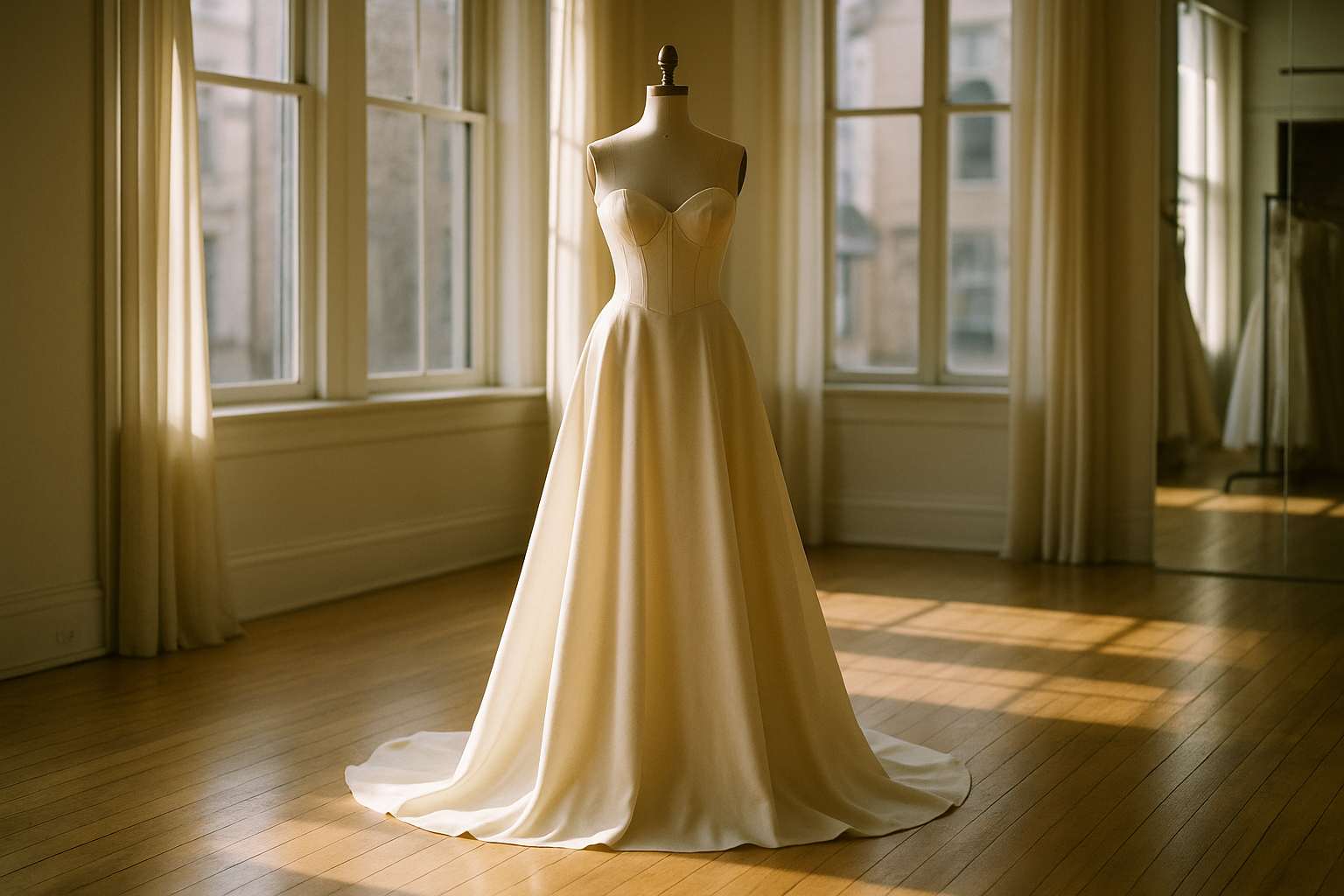
The best wedding dress silhouettes for curvy brides are the A-line, the fit-and-flare, and the ball gown — in that order of versatility. The designers with the widest genuine size range include Morilee Julietta, Maggie Sottero (0–28W), Studio Levana (custom to measurement), and Avery Austin (0–30 at one price point). Order twelve months before your wedding date; book only at boutiques with samples that can actually be clipped close to your measurements.
Shopping for a wedding dress as a curvy bride is a better experience in 2026 than it was five years ago — but it still requires more preparation than the bridal industry's marketing suggests. Knowing your silhouettes, knowing your designers, and knowing the right questions to ask a consultant before you try on a single dress changes the appointment from a stressful exercise in managed expectation to a genuinely joyful one.
Which silhouettes actually work best for curvy figures?
Silhouette selection is the single most impactful decision a curvy bride makes — more impactful than fabric, designer, or embellishment. A dress in the wrong silhouette will not be fixed by a better fabric; a dress in the right silhouette will look beautiful across a wide range of price points and materials.
| Silhouette | Best For | 2026 Trend Status | Alteration Complexity |
|---|---|---|---|
| A-line | All curvy body types; universally flattering | Strong and perennial | Low to moderate |
| Fit-and-flare | Proportional bust-to-hip; confident, curve-celebrating brides | Strong in 2026 | Moderate — knee flare point matters |
| Ball gown | Apple-shaped, fuller tummy; princess aesthetic | Trending up for 2026 | Low below waist; can be complex at bodice |
| Column / sheath | Very proportional figures with comfort in form-fitting styles | Trending in crepe versions | High — precision fit required throughout |
| Empire waist | Larger bust; brides who prefer waist-free comfort | Moderate | Low — minimal structural requirements |
The A-line deserves its reputation as the most universally flattering silhouette in bridal. It fits close at the bodice and natural waist, then flows away from the body in a gradual triangle — creating a clean vertical through the center of the figure while leaving the hips and thighs entirely free. It works from a size 4 to a size 28 and in nearly every fabric, from lightweight chiffon to heavy duchess satin. If you are walking into a bridal appointment uncertain which silhouettes to request, start with A-line and use that as your baseline. Everything you try after it will be evaluated relative to how it compares.
The fit-and-flare (sometimes marketed as a trumpet or modified mermaid) is the silhouette that celebrates curves most explicitly: it hugs the body through the hips and releases into a flare at or below the knee. Maggie Sottero's extended-size guide identifies the fit-and-flare as the silhouette most frequently requested by curvy brides who want to wear their shape rather than soften it. The key fitting consideration is the flare point: it must sit where the leg has enough room to step comfortably, not pulled taut at mid-thigh. Ask your consultant specifically about this when trying one on — and walk across the showroom, not just stand still in front of the mirror.
Which bridal designers genuinely serve curvy brides in 2026?
The honest answer is that the bridal industry's plus-size coverage has expanded significantly, but uneven quality and hidden surcharges remain real issues. The brands below have been specifically selected for extending genuine size ranges (not just marketing language) and for having received consistent positive feedback from curvy brides and bridal consultants.
Morilee Julietta is widely regarded as the standard-setter in plus-size bridal design. The Julietta collection is specifically designed for fuller figures rather than graded up from standard sizes — a meaningful distinction that affects how the bodice, hip, and hemline behave on a curvy body. The collection runs from size 12 to 34 in most styles.
Maggie Sottero offers sizes 0 to 28W across most of its main collection styles, with a specific plus-size guide on its website that identifies the silhouettes designed to best serve fuller figures. Their alteration partner network is well-established across the U.S. through authorized retailers.
Studio Levana takes a custom-to-measurement approach: every dress is cut to the bride's exact measurements, from sizes 8US to 38US, with no upcharge for size. This eliminates the structural gap that occurs when a standard-graded pattern is extended to larger sizes and means the bodice, hip, and hem are all proportioned to the individual bride's body from the beginning of the construction process.
Avery Austin offers sizes 0 to 30 at a single price point — a genuine industry distinction in a market where plus-size surcharges of $75 to $200 per dress are common. For brides who have experienced the quiet indignity of a plus-size upcharge on top of an already significant dress budget, this matters both practically and emotionally.
How should a curvy bride prepare for the appointment and the order timeline?
The single most important step happens before you ever walk into a boutique: call ahead and ask whether their sample dresses can be clipped within two sizes of your measurements. Most bridal salons stock samples in sizes 10 and 12, which means a curvy bride is asked to imagine a dress rather than experience it — the bodice gaps at the back, the skirt pulls across the hips, and the appointment becomes an exercise in managed disappointment. A boutique that carries extended-size samples, or that uses a proper clip-and-pin system, lets you evaluate fit, comfort, and movement honestly. According to The Knot's plus-size bridal guidance, asking this question first is the most reliable predictor of whether an appointment will be joyful or frustrating.
On timing, order your dress nine to twelve months before the wedding, and target the full twelve months if you are ordering a larger size or a cut-to-measurement gown. Standard production runs four to six months; cut-to-measurement orders from a designer like Studio Levana run longer and benefit from a revision round, which only a twelve-to-fourteen-month lead time accommodates without stress. Alterations for curvy brides frequently involve more structural work — taking in a bodice while releasing a hip, or rebalancing a fuller skirt's hem — so budget two to three months for fittings and confirm the seamstress's timeline and pricing before you commit. Rush production is available from most designers at a surcharge of $100 to $400, but ordering early remains the cheaper and calmer path.
Finally, bring the undergarments and shoes you intend to wear, and bring one trusted person rather than a crowd — a packed entourage with conflicting opinions is the fastest way to lose confidence in a dress that genuinely flatters you. Trust the silhouette guidance, ask the three consultant questions, and the right dress in the right cut will do the work for you.
Frequently asked
What wedding dress silhouettes are most flattering for curvy brides?
The three silhouettes that consistently work best for curvy brides are the A-line, the fit-and-flare, and the ball gown — each for different reasons. The A-line is the most universally flattering cut in bridal: it fits close at the bodice and waist, then falls away in a gradual triangle to the hem, creating a clean vertical line while accommodating hips and thighs without pulling. The fit-and-flare (also called mermaid-lite) hugs the figure through the hips and releases into a flare at or just below the knee, celebrating curves rather than minimizing them — it works best for brides with proportional bust-to-hip ratios and comfortable walking room at the knee. The ball gown provides complete freedom below the waist while creating a defined waist emphasis at the natural waistline, making it ideal for apple-shaped or fuller-tummy figures. The one silhouette to approach with caution is the straight sheath, which can pull or create tension across the hips for most curvy figures, though excellent tailoring can make it work.
Which bridal designers carry the widest size range for curvy brides?
The designers consistently recommended by bridal consultants for curvy brides include Morilee's Julietta collection, Maggie Sottero (sizes 0–28W across most styles), Sophia Tolli's Curvy Collection, Allure Bridals (sizes 0–30 in many styles), and Studio Levana, which custom-cuts to measurements from sizes 8US to 38US with no upcharge. Avery Austin is frequently cited for offering sizes 0–30 at a single price point without the typical plus-size surcharge that many bridal brands add — a meaningful distinction in a market where $75 to $200 upcharges for larger sizes are common. For budget-conscious curvy brides, BHLDN (Anthropologie's bridal line) and Azazie both offer extended sizing with free home try-on programs. The key question to ask any bridal salon before booking an appointment is whether their size-range sample dresses include a style that will fit your measurements — many boutiques carry samples only in sizes 10 and 12, which makes trying on dresses more aspirational than informative for curvy brides.
How far in advance should a curvy bride order her wedding dress?
Most bridal designers recommend ordering nine to twelve months before the wedding date, and curvy brides should target the twelve-month mark whenever possible. Wedding dresses in larger sizes or in non-standard cut-to-measurement orders typically have production timelines of four to six months, leaving only two to three months for alterations at the nine-month mark — which is functional but leaves no buffer for unexpected delays, reordering, or complex alterations. If you are ordering a custom-cut dress through a designer like Studio Levana or a small atelier, twelve to fourteen months allows for one revision round without stress. Rush orders are available from most designers at a surcharge of $100 to $400 — real money, but significantly less stressful than the alternative. Order earlier than you think you need to.
What are the 2026 bridal trends most relevant to curvy brides?
The 2026 bridal silhouette trends are, for the first time in a decade, nearly uniform in their friendliness toward curvy figures. The corset-style bodice with boning and lace-up back is the dominant 2026 trend — it provides genuine adjustability for bodies that fluctuate between fitting appointments, creates a defined waist even without a belt or sash, and accommodates fuller busts better than a standard strapless. Statement sleeves — puff sleeves, flutter sleeves, long bishop sleeves — are strong in 2026 and draw the eye to the décolletage and arms rather than the midsection. The convertible or two-in-one dress (detachable overskirt, detachable train) works particularly well for curvy brides who want a dramatic ceremony look and comfortable movement at the reception. Minimalist chic in crepe or duchess satin, rather than heavily textured or tiered fabrics, also trends positively for fuller figures because structured, smooth fabric creates a clean line while heavily layered or ruffled fabrics add visual volume in uncontrolled ways.
What should curvy brides ask a bridal consultant before trying on dresses?
Three questions are worth asking before you try on a single dress. First: 'Do you have sample dresses within two sizes of my measurements?' Many boutiques cannot accommodate curvy brides well because their largest samples are sizes 12 or 14, meaning every dress will gap at the back or pull across the hips — you cannot evaluate fit or comfort under those conditions. If the samples do not fit you, ask if the boutique has a clip-and-pin system for approximate fit assessment, or seek out a boutique that specifically advertises extended-size samples. Second: 'Which designers in your collection offer my size without a surcharge?' This saves a frustrating conversation at the point of order. Third: 'What is the realistic alteration timeline for my measurements?' Alterations for curvy brides sometimes require more work — taking in a bodice while releasing a hip, adjusting a train length on a fuller skirt — and knowing the timeline and cost upfront prevents a surprise at the final fitting.
Is it worth buying a less expensive wedding dress and investing in alterations instead?
Yes, in many cases this is a genuinely sound strategy — particularly for curvy brides who have found that off-the-rack and moderately priced dresses in their size range do not fit the upper body and lower body simultaneously. A $1,200 dress that fits the hips but gaps at the waist can often be transformed by a skilled seamstress for $200 to $400 in alterations, yielding a custom-fitted result for $1,400 to $1,600 — meaningfully less than a designer dress that starts well in the upper price range. The variables that determine whether this strategy succeeds are the skill of the seamstress (always ask for referrals from recently married brides in your area, not Google reviews alone), the fabric of the dress (heavy beading, lace overlays, and heavily structured bodices are more expensive to alter than crepe or satin), and how far the dress needs to move from its original cut. A dress that needs to be taken in three sizes at the waist while the hips remain unchanged is a significant structural alteration that requires genuine expertise.