Fashion & Beauty
Who Pays for Bridesmaid Dresses? The Etiquette Guide Every Bride Needs
U.S. tradition says bridesmaids pay for their own dresses — but the real answer is more nuanced, and the stakes are your friendships. Here is the complete 2026 framework for handling it gracefully.
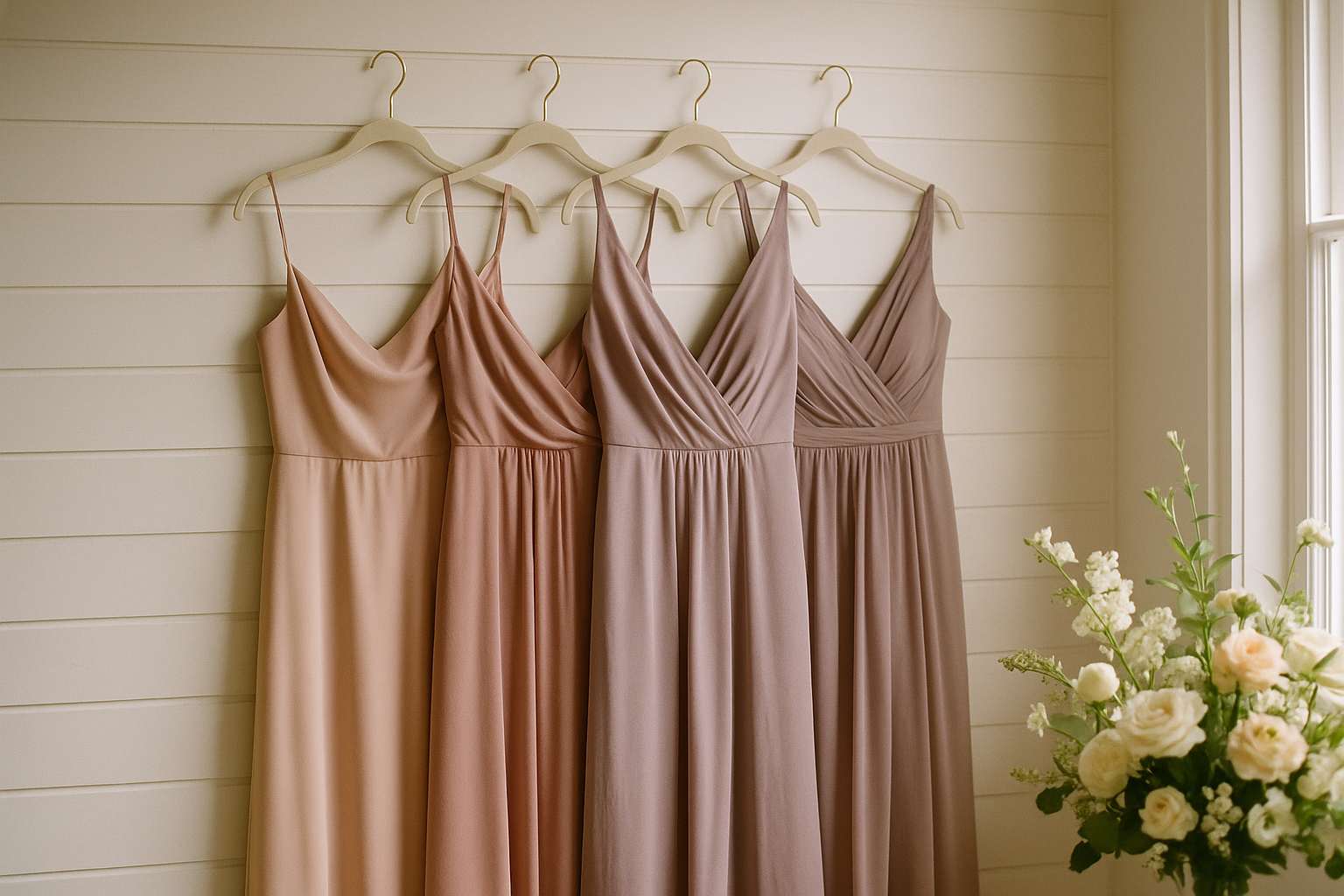
In the United States, each bridesmaid traditionally pays for her own dress — but this expectation comes with a clear obligation on the bride: communicate the cost before anyone says yes. When dresses exceed roughly $250, when a bridesmaid is your sister, or when financial hardship is a factor, the bride covering or subsidizing the cost is both gracious and appropriate.
Among all the decisions in wedding attire, the question of who pays for bridesmaid dresses is the one most likely to create quiet resentment — not because of the money itself, but because of the moment the conversation happens. If your bridesmaids learn the dress costs $300 after they have already accepted the role, accepted the invitation, and told their families they will be in your wedding, they are in an uncomfortable position that careful, early communication would have prevented entirely.
The etiquette is actually quite clear. The decision of how to handle it gracefully requires a little more thought.
What does traditional etiquette say — and does it still apply in 2026?
In the United States, traditional wedding etiquette places the cost of a bridesmaid dress — the dress itself, alterations, and accessories — on each individual bridesmaid. This expectation has been the American standard for generations and remains the widespread norm in 2026. According to Zola's expert wedding advice, "In America, bridesmaids are typically expected to cover the cost of their own dresses" — a position echoed by virtually every etiquette authority in the wedding space.
That said, "traditional" is a starting point, not a binding rule. The spirit of the tradition is that asking someone to stand beside you on your wedding day is a great honor, and being present for that day is the real gift. The dress cost is a contribution to your vision — not an arbitrary fee. When that contribution begins to feel burdensome rather than joyful, the tradition has been applied too rigidly.
The single most important shift in 2025–2026 etiquette is emphasis on early, transparent communication. The bride's primary obligation is not to cover the cost but to ensure every prospective bridesmaid knows the approximate cost — including dress, alterations, shoes, and accessories — before she accepts the invitation. This one step prevents nearly every financial misunderstanding in the bridal party.
What does a bridesmaid dress actually cost in 2026?
The dress price is the floor of a bridesmaid's total investment. According to The Knot's 2025 Real Weddings Study (surveying nearly 17,000 couples), the average bridesmaid dress costs $128–$150 — a figure that has held relatively stable since 2021. Most dresses fall in the $100–$300 range. But the dress alone does not capture the full commitment.
| Expense | Typical Range | Notes |
|---|---|---|
| Dress | $100–$300 | Budget retailers (Azazie, Birdy Grey): $60–$120; designer (Jenny Yoo, Dessy): $200–$350 |
| Alterations | $50–$150 | Required for virtually every dress; at minimum a hem |
| Shoes | $50–$150 | If the bride specifies a color or style |
| Accessories (jewelry, clutch) | $30–$100 | Often provided as a bridesmaid gift by the bride |
| Hair and makeup (if not bride-covered) | $150–$300+ | Some brides cover all; some cover partial; some leave to each bridesmaid |
| Realistic total, local wedding | $380–$1,000+ | Bella Bridesmaids estimates $1,200–$1,800 including all pre-wedding obligations |
For destination weddings — where bridesmaids also bear the cost of flights, accommodation, and potentially the bachelorette trip — some independent analyses place the total bridesmaid investment at $2,500–$3,500 per person. These numbers are not meant to alarm you. They are meant to give you the information you need to communicate honestly when you ask someone to stand beside you.
When should the bride pay — or contribute?
There are several clear circumstances in which the bride covering the dress cost — or a meaningful portion of it — is not just generous but the etiquette-aligned choice.
When the dress exceeds approximately $250. The informal consensus among etiquette professionals is that when a bride selects a dress above this threshold, offering to cover the difference or the full cost becomes the gracious standard. The higher the price, the stronger the case for the bride to contribute.
When you are asking bridesmaids to order from a single boutique. If your dress requires ordering from one specific retailer with limited customization — removing the ability for bridesmaids to shop for alternatives — the bride bears more responsibility for the resulting cost.
When one bridesmaid is your sister. Some family traditions hold that the bride's family covers the sister's gown. If this is your family's expectation, communicate it to the rest of the bridal party or keep the arrangement private — both are valid.
When a specific bridesmaid is experiencing financial hardship. This must be handled privately, always. Offer to cover her dress in a one-on-one conversation, never in a group setting. The rest of the bridal party does not need to know. The friendship is worth infinitely more than any bridesmaid dress.
In the United Kingdom. British etiquette is notably different: the bride or couple traditionally pays for all bridesmaids' dresses. Couples with international bridal parties — a bridesmaid in London, another in Chicago — should address this expectation disparity early and directly to avoid confusion.
The middle-ground approach: partial subsidies and flexible frameworks
Many brides in 2026 have moved toward a middle path: selecting dresses in a moderate price range ($100–$180), offering bridesmaids a mix-and-match silhouette menu so each woman can choose what works for her body, and covering alterations or accessories as a bridesmaid gift. This approach distributes the financial conversation across several smaller, less fraught decisions rather than centering everything on one large ask.
According to Bella Bridesmaids, the mix-and-match approach — where bridesmaids each select from a curated menu of three to four silhouettes in the same color family — is now the dominant format in American weddings. It respects that different bodies are flattered by different cuts, increases each bridesmaid's confidence in what she is wearing, and reduces the resentment that can build when a single mandated silhouette flatters some people and not others.
The practical requirement of mix-and-match is dye-lot consistency: all dresses must be ordered from the same designer and in the same production run to ensure the colors match. A "sage" from Azazie photographed next to a "sage" from a different retailer will often read as clearly different shades. Order all dresses simultaneously from one retailer to prevent this.
How to have the conversation — before anyone says yes
The single most protective step any bride can take is communicating the expected cost as part of the invitation to be a bridesmaid — not afterward, not at the first group fitting, and not in a group chat where no one wants to be the first to raise a concern.
A warm, clear opening conversation sounds like this: "I would love you to be a bridesmaid. I'm still finalizing the dress, but I expect it will be in the $150–$200 range plus alterations. Would that work for you?" This gives the prospective bridesmaid the information she needs to make a genuine, informed decision — and it gives you the opportunity to address financial constraints before anyone is in an awkward position.
If a bridesmaid raises a concern, hear it generously. If she cannot comfortably afford the dress, find a private, graceful solution — a partial subsidy, a different silhouette at a lower price point, or covering her dress as a bridesmaid gift. The bride who makes her bridesmaids feel valued and respected ends up with photographs where everyone is genuinely smiling. That is worth more than any dress.
Frequently asked
Is it rude to ask bridesmaids to pay for their own dresses?
No — in the United States, asking bridesmaids to pay for their own dresses is standard etiquette and the widely understood expectation. What can feel rude is surprising bridesmaids with the cost after they have already accepted the role, or choosing a very expensive dress without acknowledging the financial ask. The etiquette obligation that falls on the bride is not to cover the cost but to be transparent about the cost before anyone commits. According to The Knot's 2025 Real Weddings Study, the average bridesmaid dress costs $128–$150 in the U.S., with most dresses in the $100–$300 range. Share a realistic price range with prospective bridesmaids when you extend the invitation — not after they say yes. That single step of early transparency protects every friendship in your bridal party.
When should the bride pay for bridesmaid dresses?
Several situations make bride-covered or bride-subsidized dresses not only thoughtful but the genuinely right choice. If you have selected a dress above approximately $250, the price has crossed into territory where offering to cover the difference or the full cost is a recognized gesture of generosity. If you are choosing a dress from a single expensive boutique with limited options, the bridesmaids have no ability to shop around, which creates additional reason for the bride to shoulder more of the cost. In the UK and Ireland, the bride or couple traditionally covers bridesmaid dress costs entirely — international bridal parties should understand this expectation disparity and communicate early. When a specific bridesmaid is your sister, some family traditions hold that the bride's family covers her gown. And when a bridesmaid is navigating financial hardship, addressing it privately and with grace — offering to cover her dress without making it a group announcement — is both kind and correct.
What is the full cost a bridesmaid should expect beyond the dress?
The dress price is the floor of a bridesmaid's total investment, not the ceiling. A realistic complete picture for a local wedding: dress ($100–$300), alterations ($50–$150, required for virtually every dress), shoes in the requested color or style ($50–$150), accessories such as jewelry or a small clutch ($30–$100), and hair and makeup if not covered by the bride ($150–$300). Bella Bridesmaids estimates total bridesmaid expenses at $1,200–$1,800 for a local wedding. For a destination wedding, flights and accommodation push the total significantly higher. The bride's obligation is to communicate this full picture — not just the dress price — before asking anyone to be in the party. Many bridesmaids have been blindsided by the cumulative cost because no one laid it out clearly at the start.
How do I handle it if a bridesmaid cannot afford the dress I've chosen?
Handle it privately, immediately, and with warmth. The moment you learn that a bridesmaid cannot comfortably afford the dress, the conversation shifts from etiquette to friendship. Offer to cover the difference between what she can afford and the actual cost — and do so in a private message or phone call, never in a group text or at a fitting where others are present. You do not need to explain your decision to the rest of the bridal party. Some brides offer a uniform subsidy to all bridesmaids; others address cases individually and privately. Either is valid. What is never acceptable is making a bridesmaid feel publicly exposed about her financial constraints. The most important truth in this conversation is that you chose her for who she is, not for her ability to spend a certain amount on a dress.
What is the most popular bridesmaid dress approach in 2026?
The mix-and-match approach — where all bridesmaids wear the same color family but choose their own silhouette from a curated menu of three to four approved styles — has become the dominant format by 2026, according to industry trend reports from Zola and The Knot. This approach solves two problems simultaneously: it respects that different bodies are flattered by different cuts, and it reduces bridesmaid resentment toward a single mandated style by giving each woman some agency. The practical requirement is that all dresses come from the same designer and dye lot to ensure color consistency — mixed sources produce color variations that are visible in photographs. Retailers like Azazie, Kennedy Blue, and Birdy Grey offer broad silhouette menus within a consistent fabric and color program, making the mix-and-match approach logistically straightforward and budget-friendly.
Do bridesmaids have to wear the same shoes and accessories?
There is no etiquette requirement for matching shoes or accessories — and in practice, coordinating shoes across multiple women in different cities is one of the more logistically frustrating elements of wedding planning. The most common approach in 2026 is to give bridesmaids a color or style guideline ("nude heel or flat sandal," "no open toe") rather than a specific product, and allow each woman to work within that framework. For jewelry, many brides give earrings or a simple necklace as a bridesmaid gift, solving both the coordination and the cost question in one gesture. The more prescriptive the shoe and accessory requirements, the more the total cost of being in the party rises — something to factor in when communicating the full financial picture to your bridal party at the outset.