Flowers & Décor
Seasonal Wedding Flowers by Month: The 2026 Complete Guide
In-season flowers cost 30–50% less than out-of-season imports and arrive at peak size, color, and fragrance. This month-by-month guide tells you exactly what is blooming — and beautiful — on your wedding date.
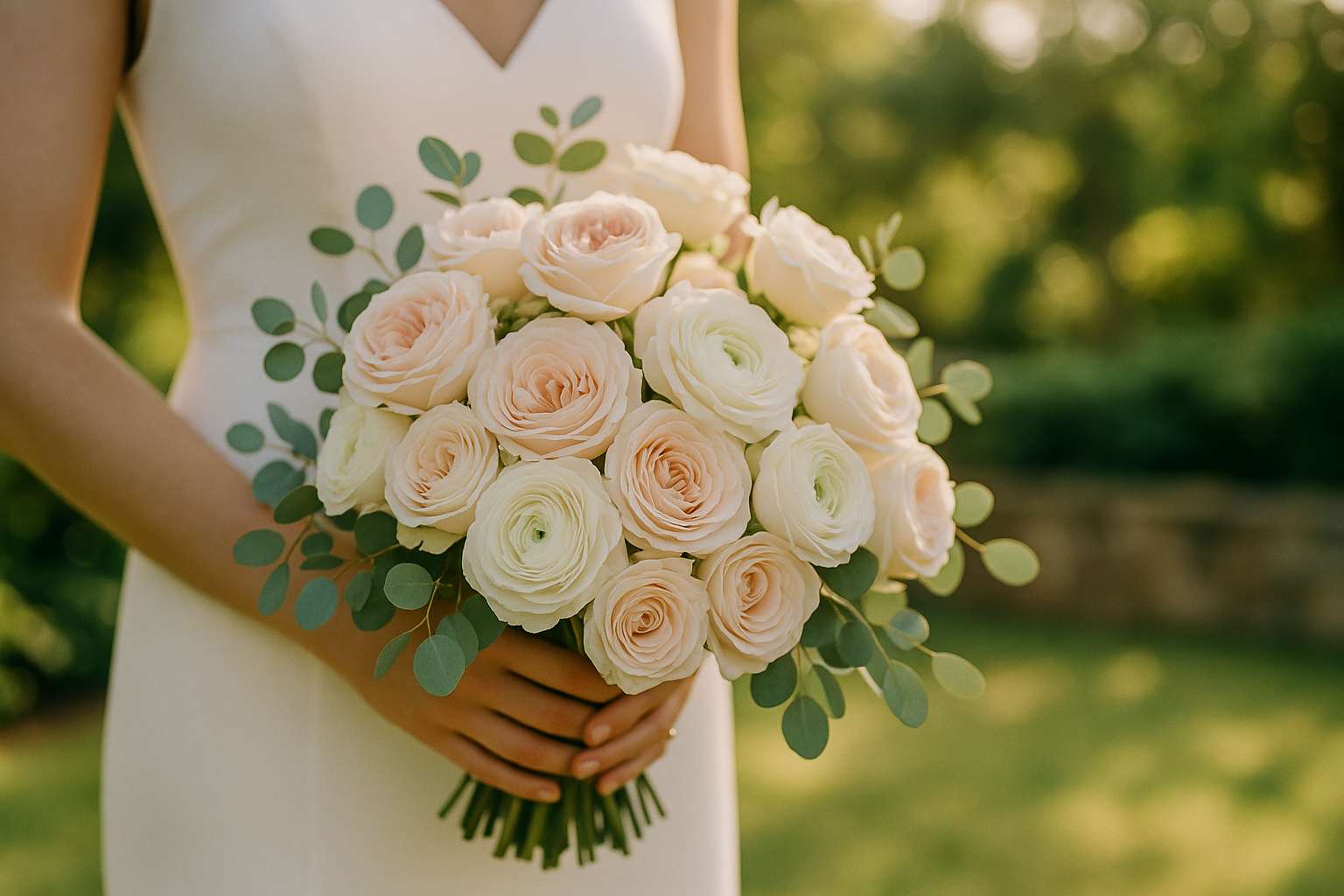
In-season wedding flowers cost 30–50% less than out-of-season imports, arrive larger and more fragrant, and last longer after being cut. Build your floral palette around what naturally blooms at your wedding date — the most beautiful and budget-wise choice a bride can make.
Every decision in wedding florals flows from a single upstream choice: whether to build your palette around what naturally blooms at your wedding date, or to specify flowers regardless of season and absorb the cost difference. This is not a trivial decision. Out-of-season flowers cost 30–50% more than in-season equivalents at the stem level — and some specialty imports can reach four times the price of a comparable seasonal substitute, according to data from Poppy Flowers' seasonal availability guide.
This guide gives you the complete seasonal picture: what is blooming at its best each month, what to avoid in each season, how to substitute for your favorite flowers when they are not naturally available, and the year-round staples that anchor any arrangement regardless of date.
What is actually in season for your wedding month?
| Month | Peak Blooms | Palette | Notable Notes |
|---|---|---|---|
| January | Anemones, amaryllis, iris, hellebores, paperwhites | Deep red, white, purple, ivory | Anemone's black center adds dramatic modern contrast; iris is structural and elegant |
| February | Ranunculus, waxflower, tulips (arriving), hellebores, camellias | Blush, white, soft pink, burgundy | Valentine's Day demand spikes rose prices — consider ranunculus as the romantic centerpiece instead |
| March | Daffodils, sweet peas, anemones, early garden roses, cherry blossom branches | Yellow, blush, lavender, white | Cherry blossom availability is brief and market-specific — confirm with your florist well in advance |
| April | Peonies (early), tulips (peak), ranunculus, sweet peas, lilac, viburnum | Blush, coral, lavender, soft white | Lilac has a very short season; confirm availability and request early in the planning process |
| May | Peonies (absolute peak), garden roses, ranunculus, sweet peas, iris, allium | Blush, white, dusty rose, soft lavender | May is peak peony season — the most affordable and lush month to use them |
| June | Garden roses (peak), hydrangeas, lisianthus, snapdragons, astilbe, scabiosa | White, blush, peach, soft pink | Heat precautions begin for outdoor ceremonies — hydrangeas need water tubes |
| July | Sunflowers, dahlias (arriving), zinnias, hydrangeas, gerbera daisies, veronica | Gold, coral, bright pink, deep orange | Sunflowers are among the most affordable summer options ($2–$5/stem); heat-tolerant and bold |
| August | Dahlias (building), zinnias, marigolds, garden roses, protea, orchids | Deep pink, burgundy, terracotta, gold | Protea, orchids, and succulents are excellent heat-tolerant choices for late summer outdoor events |
| September | Dahlias (absolute peak), chrysanthemums, cosmos, celosia, amaranth, hypericum berries | Burgundy, rust, terracotta, deep amber | Dahlias peak September–October; café au lait and blush dahlias are the premier fall romantic bloom |
| October | Dahlias, marigolds, chrysanthemums, dried grasses, persimmon branches, seed pods | Rust, burnt orange, deep red, sage | Pampas grass and cotton stems add texture and movement; marigolds string beautifully into garlands |
| November | Amaryllis, anemones (early), dried blooms, winterberry, rosehips, holly | Deep red, ivory, hunter green, gold | Transition month — late fall blooms overlap with early winter arrivals; confirm availability |
| December | Amaryllis, hellebores, paperwhites, pine, cedar, birch branches, poinsettias | Deep red, white, green, gold | Structural elements — bare branches, pine, cedar — anchor winter arrangements beautifully without flowers |
Source: The Knot's In-Season Wedding Flower Guide; Blooms By The Box seasonal availability chart; Bespoke Bride 2026 seasonal flower guide. Regional variation applies — confirm specific availability with your local florist.
What are the best peony substitutes for out-of-season brides?
Peonies are the most universally desired flower in bridal floristry — and one of the most seasonally constrained. Their natural availability in the U.S. runs from late April through early June, with May as the absolute peak. Outside this window, peonies are imported from the Southern Hemisphere or greenhouse-grown, arriving smaller, less fragrant, and at significantly higher cost.
The good news: the peony aesthetic — that soft, full, layered, romantically overblown quality — can be achieved in every season with the right substitutes:
- Garden roses (year-round): The closest visual equivalent. Varieties like Juliet, Cappuccino, and Quicksand have the full-petaled, layered quality that defines the peony look. Available year-round at stable pricing.
- Ranunculus (winter–spring): Tightly packed, layered petals in an almost architectural arrangement. Blush and white ranunculus in February through April are among the most stunning and budget-friendly flowers in the market.
- Lisianthus (summer–fall): Ruffled, romantic, and considerably more budget-friendly than imported peonies. Available in white, lavender, and blush.
- Dahlias, café au lait or blush (late summer–October): The premier autumn peony substitute — lush, large-headed, and among the most photographically stunning flowers available to fall brides.
- Full-bloom carnations (year-round): Deeply underrated. Ruffled, full-faced, available in every color, and a fraction of the cost of peonies at any time of year.
How much do seasonal flowers save compared to out-of-season imports?
The cost difference is real and meaningful at scale. A stem of peonies in May runs $5–$12; in December, the same bloom imported from the Southern Hemisphere may cost $18–$30 and arrive smaller. On a full floral order — bridal bouquet, bridesmaids' bouquets, ceremony arch, and centerpieces for twenty tables — the choice to work with in-season versus out-of-season blooms can shift the total floral budget by $1,000–$3,000.
According to Bespoke Bride's 2026 seasonal flower guide, choosing in-season wedding flowers can reduce your floral costs by up to 30% compared to importing out-of-season blooms. The national average floral spend per wedding is $2,800–$6,300, depending on market and scope (The Knot / Zola data). A 30% reduction on the lower end of that range saves $840; on the higher end, it saves nearly $1,900 — enough for a significant upgrade elsewhere in the budget, or simply for a more generous contingency reserve.
The most beautiful wedding florals are almost always created by florists who respect what the season offers rather than fighting against it. The dahlia-rich, terracotta-palette October wedding is not a consolation prize for the bride who could not have peonies — it is a more beautiful, more authentic, more seasonally resonant celebration than a May palette forced into October with imported flowers at triple the cost.
Frequently asked
Why does choosing seasonal wedding flowers save money?
Seasonal flowers cost less because supply and demand work in your favor. When a flower is at its natural peak — grown in volume, harvested at full maturity, requiring no long-haul refrigerated shipping — the cost per stem drops significantly. According to Poppy Flowers' seasonal availability guide and data from Blooms By The Box, out-of-season flowers cost 30–50% more than in-season equivalents, and some specialty imports can reach four times the price of a comparable seasonal substitute. A May bride who wants peonies at their peak pays $5–$12 per stem; a December bride requesting peonies may pay $18–$30 per stem for imported greenhouse-grown versions that arrive smaller and less fragrant. Beyond cost, in-season flowers are genuinely better: larger blooms, richer colors, longer vase life after being cut, and a wider selection of sub-varieties. The bride who builds her palette around what the season naturally offers almost always gets more beautiful flowers for less money than the bride who imports her inspiration board at any cost.
What flowers are in season for a spring wedding (March, April, May)?
Spring is the most generous season for the romantic, garden-style bridal aesthetic. Peak blooms include peonies (their most affordable and lush moment, especially in May), ranunculus, tulips, sweet peas, lilac, garden roses, anemones, hyacinth (early spring; typically gone by mid-April), daffodils, viburnum, cherry blossom branches, and hellebores. Greenery includes eucalyptus, fern, ivy, and bleeding heart. The spring palette runs naturally to soft pastels: blush, lavender, butter yellow, and soft white. Peonies are at their absolute best and most budget-friendly in May; sweet peas and lilac have a short availability window and must be confirmed in advance with your florist. A spring bride who builds her palette around peonies, ranunculus, and garden roses with eucalyptus greenery is working with some of the most lush, affordable, and photographically beautiful materials available in the entire year.
What are the best flowers for a summer outdoor wedding that can handle heat?
Summer outdoor ceremonies require careful attention to heat tolerance because many beautiful flowers wilt quickly without water tubes or refrigeration. The most reliable heat-tolerant options are orchids, protea, succulents, anthuriums, zinnias, dahlias (arriving in July), marigolds, and sunflowers. Garden roses are available at their summer peak but require hydration tubes in direct heat. Hydrangeas, while gorgeous, are notoriously heat-sensitive and should be used with caution at outdoor summer ceremonies — they require water tubes and careful staging. Absolutely avoid for outdoor summer heat: sweet peas, tulips, lily of the valley, and late-season peonies. Discuss your specific ceremony location, timing, and exposure with your florist — a morning ceremony in partial shade tolerates different flowers than an afternoon ceremony in direct sun. The best summer palettes lean toward bold, saturated colors: coral, bright pink, deep peach, and gold, all supported by the abundant seasonal flowers in production.
When are peonies in season for weddings, and what are the best substitutes?
Peonies are reliably in season in the United States from late April through early June, with May being their absolute peak — the moment of largest bloom, most vibrant color, and lowest price per stem. Outside this window, peonies are imported from the Southern Hemisphere or grown in greenhouses at significantly higher cost and smaller size. The best peony substitutes by season are: garden roses (available year-round; the closest visual match, with similarly layered, full-petaled blooms); ranunculus (winter through spring; tightly packed, similarly textured petals at a very accessible price point); lisianthus (summer through fall; ruffled, romantic, and considerably more budget-friendly than imported peonies); and dahlias in café au lait or blush colorways (late summer through October; lush, dramatic, and a worthy autumn-season substitute). A skilled florist can incorporate any of these into an arrangement that captures the soft, romantic fullness of a peony palette at a fraction of the cost of out-of-season imports.
What flowers work year-round for wedding planning regardless of season?
Several flowers are grown in sufficient volume globally — in greenhouses, in South America, and in the Netherlands — to remain consistently available at relatively stable pricing throughout the year. The most reliable year-round staples are: standard roses (available in an enormous color range; consistent pricing; a dependable anchor for any arrangement), hydrangeas (greenhouse-grown all year; large bloom heads; excellent filler and body), alstroemeria (peruvian lily; long-lasting; budget-friendly), carnations (deeply underrated for texture; durable; available in every color), lisianthus, gypsophila (baby's breath), and most types of eucalyptus and greenery. A bride whose wedding date does not align naturally with her favorite specialty blooms can build a foundation of year-round staples and supplement with in-season blooms, creating a lush, full arrangement at a more manageable cost than importing specialty flowers out of season.
How much should I budget for wedding flowers in 2026?
According to The Knot's 2026 Real Weddings Study, U.S. couples spend an average of $2,800 on wedding florals. Zola's Wedding Cost Index places the figure higher for full-service florist packages, averaging $6,300 when installations and elaborate tablescapes are included. The standard allocation recommendation from professional planners is 8–10% of your total wedding budget. Practical budget tiers for 2026: $1,500–$2,500 covers personal flowers for the wedding party, simple ceremony arrangements, and modest centerpieces using seasonal or filler blooms. $2,500–$5,000 allows for a lush bridal bouquet, fuller ceremony design with a floral arch or arbor, and varied centerpiece heights. $5,000–$10,000+ opens up full floral installations, elaborate tablescapes, and cascading bridal bouquets with rare or imported blooms. Geographic variation is real: New York, Los Angeles, San Francisco, and Chicago typically run 20–30% above national averages; rural and smaller-market areas run 10–20% below.
Is it worth using local or farm-direct flowers for my wedding?
For many couples, yes — both for cost and quality reasons. The conventional cut-flower supply chain involves three to four intermediary steps between the farm and the florist, each adding refrigerated transport, packaging waste, and time. Approximately 80% of cut flowers sold in the U.S. are imported, primarily from Colombia and Ecuador. Local and farm-direct sourcing bypasses most of this supply chain, producing flowers that are cut closer to the wedding date and arrive with better longevity and fuller blooms. Approximately 33% of couples worldwide now seek sustainably sourced, locally grown flowers, per Abby Garden's 2025–2026 research. The farmer-florist model — in which a grower also designs and arranges the flowers — is one of the fastest-growing segments of the bridal floral market. These designers work exclusively with what is growing on their farm or in their region, which is structurally aligned with seasonal and budget-conscious planning. Search for farmer-florists in your region through the Slow Flowers directory or local farmers' market listings.