Food & Drink
How to Freeze Your Wedding Cake Top Tier for Your First Anniversary
Saving the top tier of your wedding cake for your first anniversary is a tradition that rewards careful preparation. Here is the step-by-step wrapping method, the thawing timeline, and the honest truth about which cakes survive a year in the freezer — and which do not.
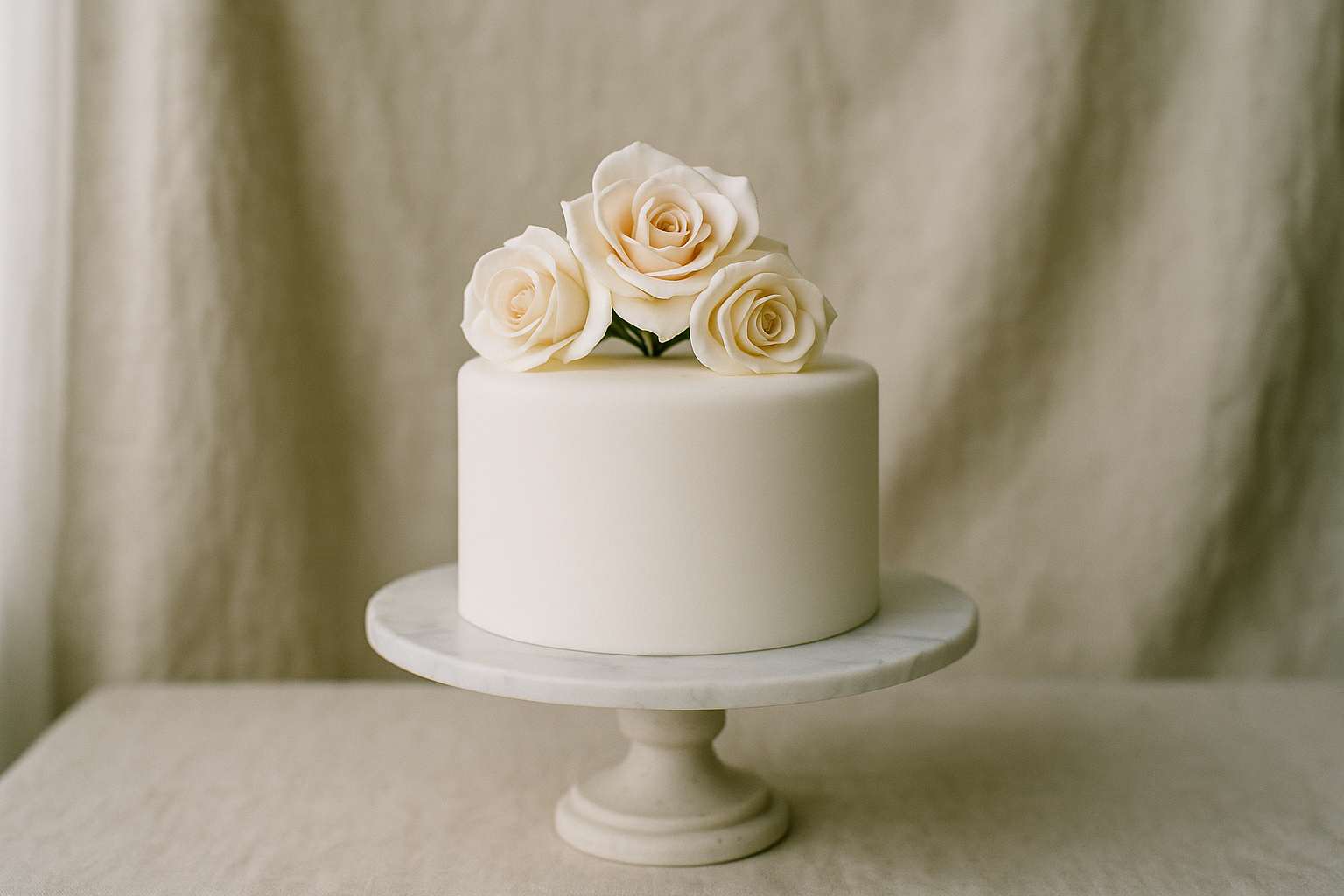
Properly freezing your wedding cake top tier requires flash-freezing the iced tier first, then triple-wrapping in plastic, foil, and an airtight container, and thawing slowly in the refrigerator for 24 to 48 hours before your anniversary. Dense cakes freeze well; fresh-fruit-filled or whipped-cream layers do not — and a copycat cake from your baker is always the graceful backup plan.
There is something quietly beautiful about eating the same cake one year later. Not because the cake will taste identical to how it did on your wedding day — it almost certainly will not — but because the act of sitting down together on your first anniversary with a piece of something that was present at the very beginning of your marriage carries a weight that no other food can replicate.
The tradition is older than most couples realize. It dates to 18th-century Britain, where the top tier was a dense fruit cake preserved for the christening of the couple's first child. As cake styles evolved toward lighter, more delicate flavors in the 20th century, the preserved tier migrated to the first anniversary. Today it is one of the most widely observed and quietly meaningful wedding rituals — a small thread of sweetness connecting the wedding day to the first year of marriage.
Done well, it works beautifully. Done carelessly, it produces a freezer-burned disappointment that tastes vaguely of wedding regret. This guide walks you through every step of doing it well.
Which wedding cakes actually survive a year in the freezer?
Honest answer: not all of them, and knowing the truth about your specific cake before you attempt preservation is one of the most useful things you can do. Here is a practical breakdown:
| Cake / Frosting Type | Freezes Well? | Quality After 1 Year | Notes |
|---|---|---|---|
| Fruit cake (traditional) | Excellent | Very good to excellent | The original tradition; natural preservatives in dried fruit |
| Chocolate cake | Very good | Good | Dense, moist texture survives freezing well |
| Almond / carrot cake | Good | Good | Dense crumb holds up; cream cheese frosting survives adequately |
| Vanilla or lemon sponge | Moderate | Acceptable — noticeably drier | Lighter crumb loses more moisture; still ceremonially meaningful |
| Cake with fresh fruit filling | Poor | Poor — filling separates and weeps | Order a copycat cake from your baker for the anniversary |
| Whipped cream or mousse layer | Very poor | Unacceptable texture after thaw | Always order a copycat; do not attempt to preserve |
| American buttercream frosting | Good | Good — some texture change | Firms up after freezing; thaws reasonably well |
| Fondant covering | Excellent | Very good | Fondant provides additional moisture seal; some surface condensation on thaw |
| Meringue-based frosting | Poor | Unacceptable texture after thaw | Do not attempt to freeze; plan for copycat cake |
Taste of Home's preserving guide notes that modern frost-free freezers — which circulate dry air to prevent ice buildup — gradually dehydrate any stored food, including carefully wrapped cake. This is the primary enemy of wedding cake preservation: not ice damage, but moisture loss over twelve months. The thicker and denser the cake, the more moisture it has to lose before it becomes noticeably dry. A rich chocolate or dense almond cake starts with more reserves; a light vanilla sponge has less margin.
The step-by-step wrapping method professionals recommend
Speed is your first tool. Every hour between the cake cutting and the freezer is an hour of moisture loss and potential bacterial growth. The ideal timeline is to freeze the cake the night of the wedding — have your coordinator or a trusted family member box it and deliver it to the freezer at your overnight accommodation or the venue's kitchen that same night.
Step 1: Remove non-edible decorations. Fresh flowers, plastic toppers, fondant figurines, dowels, and internal structural supports must be removed before freezing. Decorative elements that are not food-safe will transfer flavors and potentially chemicals into the cake over twelve months of freezer contact.
Step 2: Flash-freeze the tier before wrapping. This is the most commonly skipped step and one of the most important. Place the undecorated, unwrapped tier in the freezer for 45 to 60 minutes until the frosting or fondant is firm and dry to the touch. This prevents the plastic wrap from pressing into and disturbing the decoration when you apply it in the next step. Infinity Cakes' preservation guide identifies this as the single step most home preservers skip, and the one most responsible for surface damage to the finished cake.
Step 3: Wrap in multiple layers. Apply three generous layers of plastic wrap — pressing each layer snugly against the surface of the previous one and ensuring no exposed cake is visible. Over the plastic, apply two layers of aluminum foil. The foil creates a secondary barrier against temperature fluctuations and freezer odors.
Step 4: Seal in an airtight container. Place the wrapped tier in a large, well-fitting airtight freezer container or a heavy-duty zip-top freezer bag, pressing out all air before sealing. The container protects the wrapped cake from being crushed by other freezer contents and provides a final barrier against freezer odors. Label clearly with the date frozen and your anniversary date.
Step 5: Position and store. Place the container at the back of the freezer, away from the door — where temperatures are most stable and fluctuations from opening and closing are minimal. If your freezer has an auto-defrost cycle, store the cake in the zone least affected by the cycle's heat pulses.
How to thaw the cake beautifully for your anniversary
The thawing process is as important as the freezing, and a slow, controlled thaw is the difference between a cake that tastes reasonably good and one that weeps condensation, develops a soggy exterior, and collapses on its way to the table.
Remove the container from the freezer — keeping all wrapping fully intact — and place it in the refrigerator 24 to 48 hours before your anniversary dinner. Slow refrigerator thawing allows the moisture that was frozen inside the cake to reabsorb gradually into the crumb rather than condensing on the surface. After the refrigerator thaw is complete, move the cake — still wrapped — to the kitchen counter and allow it to come to room temperature over approximately two hours. Only when the cake has reached room temperature should you remove the outer foil, then the plastic wrap. Homestead Kitchen's 2025 guide recommends dabbing any surface condensation gently with a clean paper towel before serving.
If the cake does not look or taste as beautiful as you hoped, set it alongside a copycat tier ordered from your original baker — same flavor, same design — and serve both. The frozen piece is the artifact. The fresh piece is the pleasure. Together, they make a first anniversary worth remembering.
Frequently asked
Where did the tradition of saving the wedding cake top tier come from?
The tradition of saving the top tier of the wedding cake originated in 18th-century Great Britain, where the top layer was almost always a rich fruit cake or dense almond cake — both of which were engineered to last without refrigeration, sometimes for years. At the time, the preserved tier was set aside not for the wedding anniversary but for the christening of the couple's first child, which families optimistically assumed would arrive within the first year of marriage. Fruit cake's extraordinary longevity made this practical as well as symbolic. As wedding cake flavors evolved in the 19th and 20th centuries toward lighter sponge cakes, vanilla buttercream, and fresh fillings — none of which have the same natural preservative properties as fruit cake — the tradition adapted.
How do you properly freeze the wedding cake top tier step by step?
The process requires speed, careful wrapping, and the right storage conditions. First, act quickly: freeze the cake as soon as possible — ideally the night of the wedding or the day after. Before wrapping, remove all non-edible decorations: fresh flowers, plastic toppers, dowels, and any internal supports. Then flash-freeze the unwrapped tier for 45 to 60 minutes until the icing or fondant is firm — this prevents the plastic wrap from sticking to and disturbing the decoration. Once firm, wrap the entire tier tightly in at least three layers of plastic wrap, pressing it snugly against every surface to eliminate air pockets. Over the plastic, wrap tightly in two layers of aluminum foil. Place the double-wrapped tier in a large airtight freezer bag or a well-fitting airtight container. Label the container with both the date frozen and your anniversary date.
Which cake flavors and frostings freeze well for a full year?
Not all cakes are equally suited to a year in the freezer, and being honest with yourself about your cake's ingredients before attempting preservation is important. Dense, richly flavored cakes — chocolate, almond, spiced carrot, hazelnut — freeze significantly better than lighter ones, retaining more moisture and flavor after thawing. Fruit cake is the gold standard and can survive a year with minimal quality loss, as tradition intended. Buttercream frosting — both American and Swiss meringue varieties — freezes and thaws reasonably well, maintaining most of its texture. Fondant-covered cakes travel through the freezer reliably because fondant provides an additional moisture seal. Cakes that do not freeze well include those with fresh fruit fillings (strawberry, raspberry, lemon curd), whipped cream or mousse layers, and meringue-based frostings.
How do you properly thaw the frozen wedding cake top tier?
Thawing is as critical as freezing, and rushing it is the most common mistake couples make. Remove the cake from the freezer keeping all its protective wrapping intact — do not unwrap it yet. Place the fully wrapped cake in the refrigerator for a full 24 to 48 hours. Slow, refrigerator-temperature thawing is essential for preventing condensation from forming inside the wrapping and wetting the frosting or cake surface. After the refrigerator thaw is complete, move the cake — still wrapped — to the counter and let it come to room temperature for approximately two hours. Only at this point should you remove the outer foil and then the plastic wrap. If condensation has formed on the surface, gently blot it with a clean paper towel before serving.
What happens if the cake does not taste good after a year in the freezer?
This is more common than most couples expect, and it is entirely okay. A year in a frost-free freezer — which works by circulating dry air to prevent ice buildup — slowly dehydrates any food stored in it, including carefully wrapped cake. The result is often edible but noticeably drier and less vivid in flavor than it was on the wedding day. The most graceful solution is to contact your original bakery several months before your anniversary and order a small copycat tier — the same flavor, frosting, and design as your top tier — to be ready on your anniversary date. Many couples choose this approach deliberately rather than as a fallback, treating the fresh bakery cake as the actual consumption object and the frozen tier as the ceremonial artifact.
What is the best way to designate someone to box and preserve the cake tier at the wedding?
This is one of the most overlooked logistical details in wedding cake planning, and it must be addressed explicitly in advance — not improvised on the night. The most reliable approach is to designate a specific person — your wedding planner, day-of coordinator, a trusted family member who is sober and present at the end of the reception — to box the top tier immediately after the cake is cut. Brief this person well in advance: they should bring the cake to the freezer at the reception venue or at your overnight accommodation that same night, and transfer it to a proper airtight container before traveling with it. Request your baker's dimensions for the top tier several weeks before the wedding so you can purchase an appropriately sized airtight storage container in advance.