Food & Drink
Wedding Open Bar Cost in 2026: What to Budget for Every Bar Type
Open bar averages $30–$70 per person in 2026, totaling roughly $4,400–$6,600 for a 100-guest wedding — but tier, region, and the hidden costs of bartenders and glassware shape your real number.
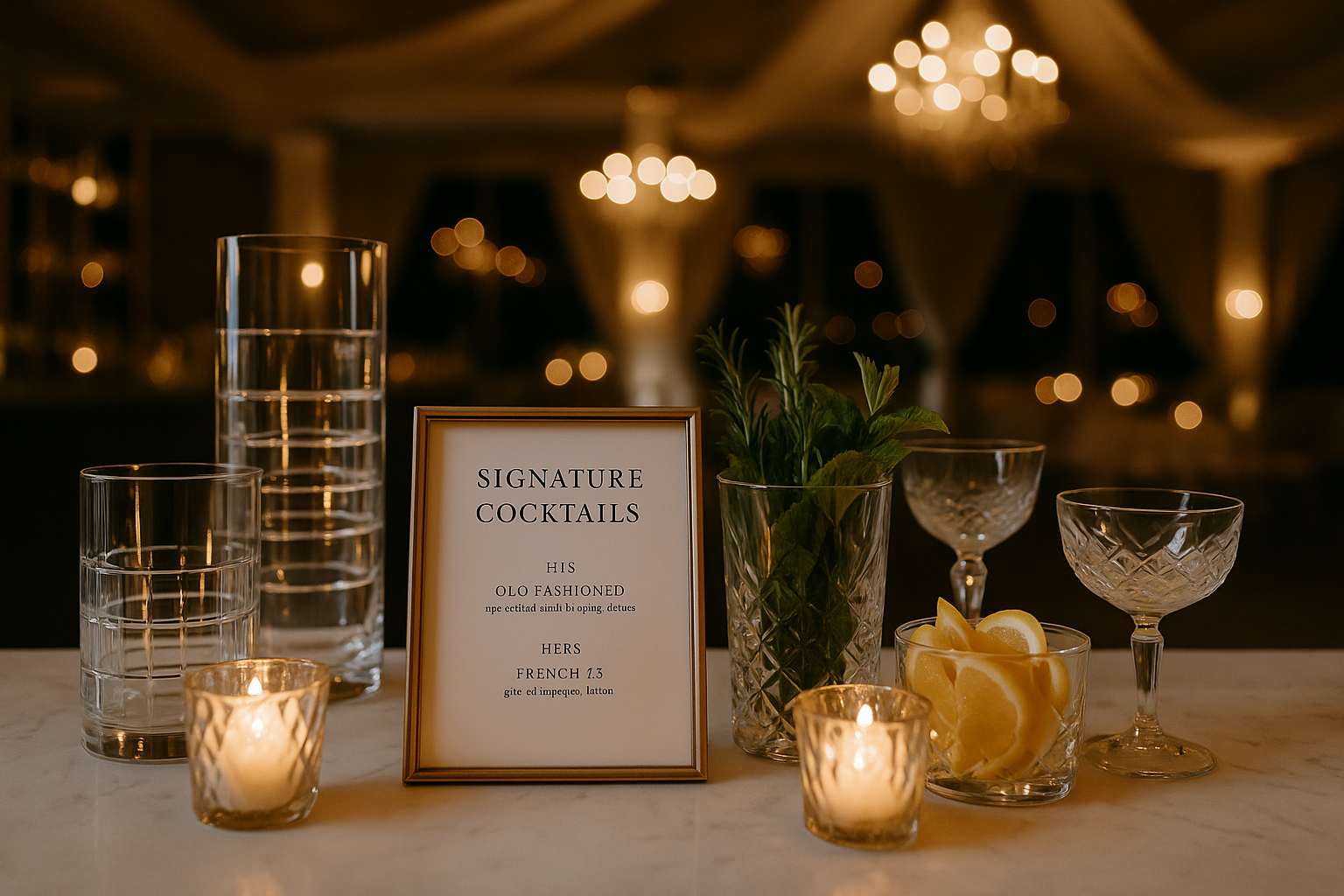
Wedding open bars average $30–$70 per person in 2026, totaling roughly $4,400–$6,600 for 100 guests at a standard tier. What you actually pay depends on bar tier, your region, whether you buy through a venue package, and the hidden costs — bartenders, glassware, gratuity — that rarely appear in the initial quote.
The bar is the social heartbeat of your reception. Guests spend more time near it, return to it more often, and feel the energy of the evening more through it than through almost any other element of the day. Getting the bar right — the right tier for your crowd, the right quantities, and a signature touch that tells your story — is worth the planning investment. Getting the budget right is what makes the vision possible.
How much does a wedding open bar actually cost in 2026?
According to data from The Knot and Zola's 2026 Wedding Cost Index, alcohol and bar service represent approximately 11% of total wedding spend — with couples nationally averaging approximately $5,500 for their bar program. Per-person costs in 2026 run:
| Bar Tier | Per-Guest Cost | What Is Included | Total (100 Guests) |
|---|---|---|---|
| Beer and wine only | $15–$30 | House wine (red, white, rosé), domestic and craft beer, sparkling water | $1,500–$3,000 |
| Standard open bar | $30–$50 | Mid-shelf spirits, broader wine selection, beer, signature cocktail | $4,000–$6,500 |
| Premium open bar | $50–$90 | Top-shelf liquor, craft cocktail menu, curated wine list, Champagne toast | $7,000–$12,000 |
Estimates reflect national averages. Major metro markets add 40–80% to all tiers. The same standard package that costs $4,375 in Milwaukee can exceed $14,000 in New York City.
These figures cover alcohol and bar service only — they do not include bartender labor, glassware rental, mixers, gratuity, or setup fees, which typically add $1,500–$3,000 to the total for a 100-guest event. Build out the full bar cost projection before comparing packages across venues.
How do I calculate how much alcohol my wedding needs?
The standard planning formula is two drinks per guest in hour one, then one drink per guest per hour thereafter. For a 5-hour reception (one hour cocktail, four hours dinner and dancing), that totals 6–7 drinks per guest across the evening. Apply two additional adjustments: subtract the approximately 15–20% of guests who do not drink alcohol, and front-load your quantities toward cocktail hour — it is always the highest-consumption window.
For a 100-guest, 5-hour reception at a full open bar, a practical starting point:
- Red wine: 12–15 bottles
- White wine: 10–12 bottles
- Rosé: 6–8 bottles
- Champagne or Prosecco (toast): 20–25 bottles
- Beer (assorted): 8–10 cases (192–240 units)
- Vodka: 3–4 liters; Whiskey/Bourbon: 2–3 liters; Gin, Rum, Tequila: 1–2 liters each
- Ice: 100–150 lbs
Purchase 10–15% above your estimate from retailers like Total Wine or Costco that permit returns on unopened alcohol. Running out of alcohol at 9 PM is a hospitality failure guests will remember; returning three cases of beer on Monday morning is a minor errand.
Are there money-saving strategies that do not compromise hospitality?
Yes — several strategies preserve generous hospitality while meaningfully reducing cost:
Beer, wine, and one signature cocktail only. Eliminating a full spirits bar in favor of wine, beer, and a pre-batched signature cocktail saves 40–50% against a full open bar in most markets, while giving your reception a memorable, personal touch. The majority of guests — estimates range from 70–80% — gravitate toward wine and beer regardless of what else is available.
Shorten the open bar window. Covering the cocktail hour and dinner service (typically 3–4 hours) and transitioning to a beer-and-wine-only option for dancing reduces cost without withdrawing hospitality. Communicate the transition gracefully — your DJ or band can announce last call for cocktails as dancing begins.
Mid-shelf spirits for mixed drinks. For any cocktail that involves mixers, citrus, or syrups, well and mid-shelf spirits are genuinely indistinguishable from premium in the final glass. Reserve top-shelf selections for straight pours if you want them available at all.
Batch the signature cocktail. Pre-batching 24–48 hours before the event reduces bartender time per drink, improves consistency, and photographs beautifully in a large glass dispenser or apothecary jar. The espresso martini station — consistently the most-requested 2025–2026 wedding bar trend — is best executed with pre-batched cold brew concentrate for the same reason: speed and quality.
Offer Prosecco instead of Champagne for the toast. Guests in a toast setting — glasses lifted, focus on the speeches — rarely distinguish between Champagne and a quality Prosecco or Cava. At roughly half the price per bottle, the savings on a 100-person toast are $200–$400.
How do I design a signature cocktail for my wedding?
A signature cocktail does double duty: it personalizes the bar experience with your story as a couple, and it simplifies service by reducing the volume of individual custom orders your bartender must fulfill. The most meaningful signature drinks are rooted in a shared memory — the city where you met, the country where you got engaged, a shared favorite ingredient, a playful reference to your names or a film you love together.
Work with your caterer, bartender, or an outside mixologist at least 3–4 months before the wedding to develop, taste-test, and confirm the recipe. Design with batching in mind from the start: a cocktail that looks beautiful in a single glass needs to hold its flavor and color stability for 3+ hours in a large dispenser. Pair every signature cocktail with an equally considered non-alcoholic companion version. Brands like Seedlip (zero-proof spirits) and Athletic Brewing (non-alcoholic craft beer) make it possible to build a genuinely sophisticated dry bar experience that honors guests who do not drink without making them feel like an afterthought.
2025–2026 signature cocktail trends worth knowing: botanical and herb-forward drinks (lavender gin, rosemary-infused vodka), spritz bars featuring Aperol or elderflower, espresso martini stations for dessert hour, batched cocktails in vintage decanters, and mocktail parity — every cocktail offered in an equally beautiful zero-proof version.
What are the hidden costs I need to add to my bar budget?
The alcohol cost is never the final line item. Budget these additions before confirming your bar package:
- Bartender labor: $25–$60 per hour per bartender; for a 150-guest reception, plan for 2–3 bartenders across 5–6 hours
- Gratuity: $50–$150 per bartender, given in envelopes at the end of the night — pre-prepare these before the wedding day so they do not fall through the cracks
- Bar setup and equipment: $300–$800 if not included in venue or caterer fees
- Glassware rental: $1–$3 per glass, ordered at 2–3 times your guest count to allow for replenishment
- Mixers, garnishes, and ice: $3–$8 per guest
- Corkage fee (if self-supplying): $10–$25 per bottle at many venues; calculate this against package pricing before purchasing your own alcohol
- Host liquor liability insurance: $100–$500 for event-day coverage; some venues require it and it is worth carrying regardless
Frequently asked
How much does an open bar cost at a wedding per person?
In 2026, expect to budget $30–$70 per person for a solid open bar, with total event costs often ranging from $4,400 to $6,600 for an average 100-guest wedding at a standard tier — approximately 11% of total wedding spend, per The Knot's data. The range depends on three primary variables: the tier of service (basic beer and wine versus full premium spirits), the region (the same package that costs $4,375 in Milwaukee can exceed $14,000 in New York City), and whether you are purchasing through a venue package or sourcing your own alcohol with an outside bartender. For a 5-hour reception with 100 guests at a standard open bar, most couples spend $4,000–$6,500 all-in when all costs — alcohol, bartender labor, glassware, mixers, and gratuity — are included. Premium open bars with top-shelf liquor, craft cocktails, and espresso martini stations can reach $8,000–$12,000 for 100 guests.
What are the different types of wedding bar service and what does each cost?
The four primary wedding bar structures carry meaningfully different price points and hospitality signals. A full open bar covers all drinks for the duration of the event and is the standard expectation at most formal American weddings — costs run $30–$70 per person at standard tier, up to $90+ at premium. Beer and wine only saves 40–50% versus a full open bar, runs $15–$35 per person, and is appropriate for daytime, garden, rustic, and brunch receptions. A limited or consumption bar means the couple covers a pre-paid amount or specified hours, then optionally transitions guests to a cash bar — costs vary but this hybrid approach can reduce total spending by 20–30%. A cash bar, where guests pay for their own drinks, is the most budget-conscious option but most etiquette authorities advise against it at a formal reception; if budget is the driver, beer and wine at no charge is always preferable to asking guests to pay. A dry wedding serves no alcohol, which approximately 8% of U.S. couples choose for faith, personal, or sober-curious reasons.
How much alcohol do I need for a 100-person wedding?
The standard industry planning formula for a 5-hour reception is two drinks per person in hour one, then one drink per hour thereafter — totaling approximately 6–7 drinks per guest over a full evening. Remember that roughly 15–20% of guests typically do not drink alcohol; subtract those from liquor calculations and ensure your non-alcoholic program is robust. For 100 guests over 5 hours at a standard mix, plan approximately: 12–15 bottles of red wine, 10–12 bottles of white wine, 6–8 bottles of rosé, 20–25 bottles of Champagne or Prosecco for the toast, 192–240 units of beer (8–10 cases), and 3–4 liters of vodka, 2–3 liters of whiskey or bourbon, and 1–2 liters each of gin, rum, and tequila. Most large retailers including Total Wine and Costco permit returns on unopened alcohol — purchase 10–15% more than your estimate and return what remains.
What hidden costs come with a wedding open bar?
The alcohol itself is only part of the open bar budget. Bartender labor runs $25–$60 per hour per bartender, and gratuity of $50–$150 per bartender should be budgeted as a separate envelope given at the end of the night. Bar setup and equipment rental add $300–$800 if not included in the venue or caterer package. Glassware rental costs $1–$3 per glass, often rented at multiples of your guest count to allow for breakage and replenishment throughout the evening. Mixers, garnishes, and ice add approximately $3–$8 per guest. If your venue allows self-catered alcohol, ask about the corkage fee: many venues charge $10–$25 per bottle or $5–$15 per guest as a service fee when you bring your own supply. Always calculate whether self-purchased alcohol at retail prices minus the corkage fee actually beats the venue's package pricing — in many cases it does not, especially at hotels.
Is it rude to have a cash bar at a wedding?
Most wedding etiquette authorities — including the Emily Post Institute — consider asking guests to pay for drinks at a wedding reception a departure from traditional hospitality standards, because hosting a wedding implies covering the needs of your guests throughout the event. Context matters significantly: a casual backyard celebration communicated as informal from the invitation forward is received very differently than a formal evening event where guests arrive expecting the hospitality standards a black-tie setting signals. If budget is the driver, the universally recommended alternative is offering beer and wine at no charge rather than a cash bar — most guests gravitate toward wine and beer anyway, and the hospitality signal remains generous. If you are planning a dry wedding for faith or personal reasons, communicate this clearly on your wedding website so guests can plan accordingly, and invest in a genuinely beautiful non-alcoholic beverage program featuring brands like Seedlip, Athletic Brewing, and thoughtfully designed mocktails in proper glassware.
How many bartenders do I need for my guest count?
The industry standard is one bartender per 50–75 guests. For a 150-person reception, two bartenders is the minimum; three is recommended if you want to prevent long lines, particularly during the high-consumption cocktail hour. If you are serving a complex signature cocktail requiring individual preparation rather than batch service, plan toward one bartender per 50 guests. Cocktail hour is the highest consumption window of any wedding — guests arrive, are enthusiastic, and the bar is the gathering point. Front-load your staffing accordingly; opening a second bar station during cocktail hour and reducing to one during dinner service is an efficient approach that many venues and caterers offer. Always hire bartenders who are TIPS (Training for Intervention Procedures) or ServSafe Alcohol certified — they manage guest service and over-service situations more reliably, and some venues and insurance policies require it.