Marriage & Honeymoon
Wedding Dress Preservation Cost: A 2026 Breakdown
Your gown begins deteriorating within hours of the reception. Professional preservation — which costs $300 to $500 for most brides — is the highest-return investment you can make in the weeks after your wedding.
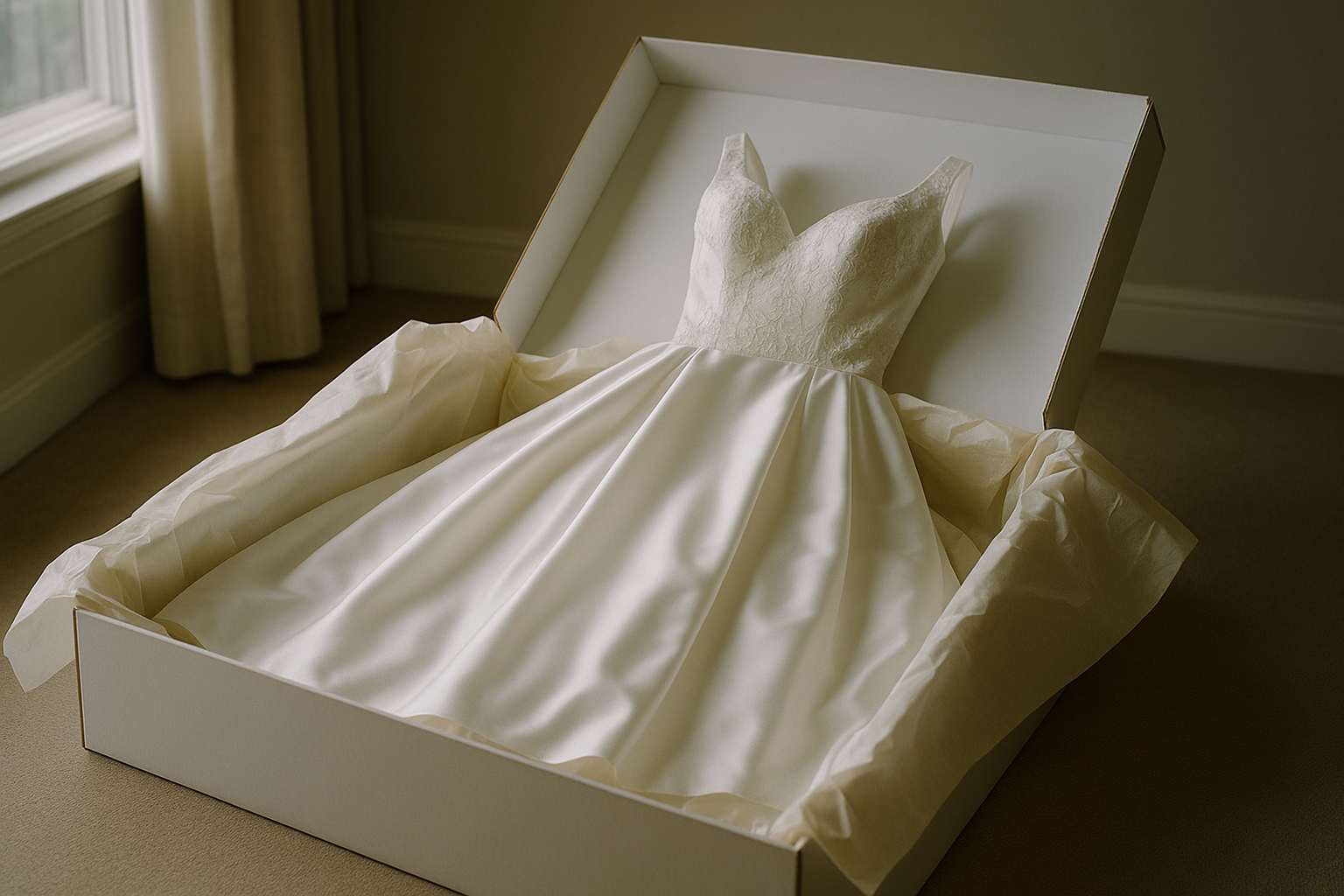
Wedding dress preservation costs $300 to $500 for most brides in 2026, rising to $795 and above for premium boutique services like Kleinfeld Bridal. The window that protects your investment is six weeks post-wedding — invisible stains from champagne, perspiration, and floral water begin oxidizing within months. Act quickly, choose an acid-free archival box, and request a written anti-yellowing guarantee.
What does wedding dress preservation actually cost in 2026?
The national average for professional wedding dress preservation falls between $300 and $500, a range that encompasses both quality and long-term guarantee. The full market spans a wider band: budget mail-in services begin around $169, while premier boutique preservation at Kleinfeld Bridal in New York starts at $795 — with surcharges for particularly complex gowns by designers including Pnina Tornai and Randy Fenoli. According to WeddingGownPreservationKit.com's 2026 pricing guide, the most widely used mid-range mail-in services price between $285 and $435 and typically include museum-grade cleaning, acid-free archival packaging, and multi-decade guarantees against yellowing.
The framing that makes preservation costs make sense: the national average cost of a wedding gown now exceeds $2,000, with designer and custom gowns routinely running $5,000 to $20,000. Professional preservation at $300 to $500 represents 10 to 25 percent of the gown's original value — an investment that protects, rather than costs, when viewed against the alternative of irreversible yellowing in an unsealed plastic bag or an attic box.
| Service Tier | Typical Cost Range | What Is Included |
|---|---|---|
| Budget mail-in (basic) | $169–$250 | Cleaning, standard box; limited or no written guarantee |
| Mid-range mail-in (most popular) | $285–$435 | Cleaning, acid-free archival box, viewing window, multi-decade anti-yellowing guarantee |
| Local bridal specialist | $300–$700 | Hands-on inspection, cleaning, archival packaging; varies by market |
| Premium boutique (e.g., Kleinfeld Bridal) | $795 and above | Organic solvent cleaning, repairs included, museum-grade polypropylene box identical to Costume Institute at the Metropolitan Museum of Art |
| Restoration (already yellowed gown) | $400–$800 | UV inspection, stain reduction treatment; results vary by extent of damage |
| Accessories (veil, garter, gloves) | $40–$75 per item | Typically priced separately; ask about bundled pricing when booking the gown |
Why does the timing of preservation matter so much?
The invisible stains that cause the most long-term damage to wedding gowns are not the obvious ones — the red wine, the lipstick, the grass. They are the colorless ones: champagne, sparkling water, perspiration, body oils, and the residual water in floral stems. These organic compounds are transparent when fresh but oxidize progressively as they react with the fabric's fibers and with oxygen. The result, beginning as early as three to six months after a wedding, is yellowing, browning, or darkened tide marks that appear on a gown that looked perfectly white when you boxed it.
The preservation timeline that professional conservators recommend:
- 0 to 2 weeks post-wedding: Lowest risk window; deliver to a professional for the best possible outcome
- 2 to 6 weeks: Still low risk; excellent preservation results remain achievable
- 6 weeks to 3 months: Stains beginning to bond with fibers; professional cleaning still highly effective
- 3 to 12 months: Oxidation underway; some stains may be permanent despite treatment
- 1 year or more: Damage control rather than prevention; restoration pricing applies
If you cannot arrange professional preservation immediately after the wedding, interim storage should be: fully air the gown out of any plastic garment bag (plastic traps moisture and off-gases chemicals that accelerate yellowing), then store it loosely wrapped in a clean white cotton pillowcase in a cool, dark, climate-controlled room — never an attic, basement, or cedar closet. This buys time without initiating the damage that improper storage accelerates.
What is the difference between a local specialist and a mail-in service?
Both can deliver excellent results. The choice depends on what you prioritize.
Mail-in preservation services (national providers who ship you a packaging kit, receive your gown, clean and preserve it, and return it boxed) are cost-competitive, often offer 100-year anti-yellowing guarantees, and use the same museum-grade archival materials as premium boutiques. The trade-off is shipping a priceless and emotionally irreplaceable item, which requires careful packing and carrier insurance equal to the gown's replacement value. For reputable services, ask specifically about their written guarantee, their cleaning process, and whether work is performed in-house or outsourced to a third-party facility.
Local bridal specialists offer hands-on inspection — the preservationist can personally examine every stain, discuss fabric-specific concerns, and tailor the cleaning approach to your gown's construction. Pricing is market-dependent: urban centers (New York, Los Angeles, Chicago, San Francisco) run 20 to 40 percent above national averages. A local specialist who comes recommended by your bridal boutique and can show you examples of preserved gowns in their archive is often the most confident choice for a gown of significant monetary or sentimental value.
The question to ask any preservationist before booking: Is the work performed on-site, or is my gown shipped to a facility? Many boutiques and dry cleaners contract preservation out to the same national facilities that mail-in services use — and add a markup of $150 to $300 on top. Understanding the actual process confirms whether the local option's premium is justified.
What are the most common wedding dress preservation mistakes?
The following errors appear repeatedly in post-wedding accounts and preservation specialist consultations:
- Storing in the original plastic garment bag. Plastic traps moisture and emits off-gassing chemicals that accelerate yellowing. Remove the gown from plastic immediately; use breathable cotton or acid-free tissue for any interim storage.
- Waiting more than six months. The invisible stains that cause yellowing are irreversible after sufficient oxidation time. Act within six weeks whenever possible.
- Using a non-specialist dry cleaner. A general dry cleaner may not have the equipment, chemical knowledge, or handling protocols for beaded, silk, or multi-layer bridal construction. Always ask specifically about bridal preservation experience and request examples of completed work.
- Storing in an attic or basement. Temperature and humidity swings in these locations accelerate yellowing at two to three times the rate of a climate-controlled interior room.
- Opening the sealed preservation box out of curiosity. Every opening introduces humidity and contaminants. Use the window panel for routine viewing; only open for scheduled inspections every two to three years with fresh acid-free tissue for re-boxing.
- Forgetting to preserve accessories. A veil, garter, and gloves preserved alongside the gown for $40 to $75 per item create a cohesive heirloom ensemble. Bundle everything in one appointment.
Frequently asked
How much does wedding dress preservation cost in 2026?
Wedding dress preservation costs between $300 and $500 for most brides in 2026, though the full range spans from approximately $169 for budget mail-in services to $1,000 or more for premium boutique providers. The most widely used mail-in preservation services — which ship you a kit, receive and clean the gown, then return it in an archival box — typically price in the $285 to $435 range and frequently include multi-decade anti-yellowing guarantees. Kleinfeld Bridal in New York, one of the most recognized names in bridal preservation, starts at $795, with surcharges for designer gowns of exceptional complexity. At the high end, specialty services for heavily beaded, custom, or couture gowns can reach $750 to $1,000 or more. When budgeting, a useful benchmark is to reserve 15 to 20 percent of your gown's purchase price for preservation. For a $2,000 gown, that is $300 to $400 — an amount that protects an investment representing months of searching and trying on.
What is the difference between gown cleaning and full preservation?
Gown cleaning alone involves treating visible and invisible stains, removing perspiration and body oils, and dry cleaning or wet cleaning the fabric using appropriate solvents. This phase typically costs $200 to $350 and is the foundation of any preservation service. Full preservation adds the archival packaging phase: after cleaning and pressing, the gown is padded internally with acid-free tissue to prevent compression folds, wrapped in acid-free muslin, and placed in a lignin-free, acid-free archival box, often with a sealed viewing window. This combination of cleaning and preservation boxing adds $100 to $300 to the cleaning cost and is what protects the gown against the long-term threats of oxidation, acid migration from standard cardboard, UV exposure, and humidity-driven yellowing. A gown that is cleaned but stored improperly — in a sealed plastic bag, a standard cardboard box, or an attic — will yellow almost as quickly as one that was never cleaned at all.
How soon after the wedding should you preserve your gown?
The single most important rule in wedding dress preservation is timing: deliver the gown to a professional preservationist within six weeks of the wedding. The invisible stains that cause long-term damage — champagne, sparkling water, perspiration, body oils, citrus from floral water — are colorless when fresh but begin oxidizing and darkening within three to six months as organic compounds react with oxygen and the fabric itself. A gown delivered within two weeks has the best possible preservation outcome. Between two and six weeks, results remain excellent. Between six weeks and three months, stains begin bonding to fibers and some may become permanent despite professional treatment. After one year, preservation becomes restoration — a different and more expensive process ($400 to $800) aimed at reducing, rather than preventing, damage. If you cannot arrange professional preservation immediately, the minimum acceptable interim storage is: let the gown air fully out of any plastic bag, then store it loosely in a clean white cotton pillowcase in a climate-controlled interior room.
What should you look for in a reputable preservation service?
Ask every prospective preservationist five questions before entrusting them with your gown. First: do you specialize in bridal preservation, or is it an add-on to general dry cleaning? Second: what cleaning method do you use, and how do you determine which is right for this specific fabric? Third: are your storage boxes, tissue, and wrapping materials acid-free and lignin-free? Fourth: do you offer a written guarantee against yellowing, and for how long? Fifth: is the gown cleaned on-site, or shipped to a third-party facility? Mail-in national services can be excellent — many offer 100-year anti-yellowing guarantees and use museum-grade packaging — but require carefully shipping a priceless garment. Kleinfeld Bridal packages gowns in proprietary polypropylene boxes made of the same chemically inert material used by The Costume Institute at the Metropolitan Museum of Art. A local bridal specialist offers hands-on inspection and discussion; always request verifiable references from other brides.
Can you preserve a wedding dress years after the wedding?
Yes — and it is always worth doing, even for gowns that have waited years or that appear visibly yellowed. Professional restoration services ($400 to $800) can significantly reduce — though rarely fully reverse — discoloration that has developed over time. The earlier the intervention, the better the outcome: a gown that has yellowed in six months of improper storage can often be restored to near-original condition; a gown that has yellowed over a decade is a more complex case. If a gown has been stored in sealed plastic, an attic, a cedar chest, or other non-archival conditions, the restoration process typically begins with UV inspection to map all stains and discoloration zones before cleaning. For gowns of significant sentimental or monetary value that have been waiting for years, the question is not whether to preserve but which service has the appropriate expertise for the specific condition of the fabric.