Photography & Film
Cinematic vs. Documentary Wedding Video: How to Choose
Two styles, two entirely different promises. One captures a feeling; the other preserves a memory. Here is an honest guide to understanding both — and choosing the one that will matter most twenty years from now.
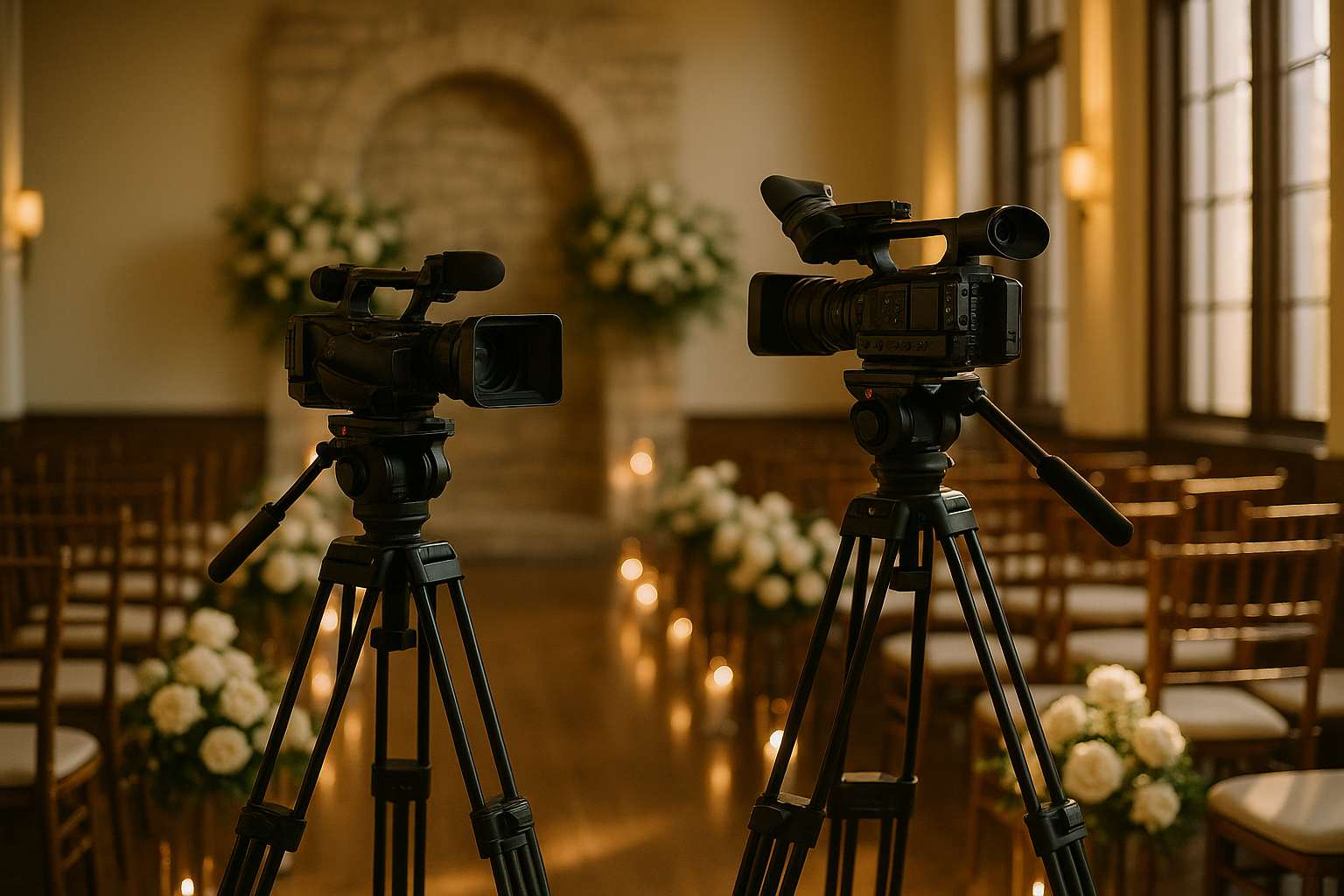
Cinematic wedding videos distill your day into a 3–10 minute emotionally curated film; documentary videos preserve it in full, including complete vows and speeches. In 2026, most couples choose a hybrid package that delivers both — a cinematic highlight for anniversaries and a ceremony edit for the complete record.
What does each wedding video style actually capture?
When a videographer describes their work as "cinematic," they mean something specific: the editorial process begins with an artistic question — what is the emotional story of this particular wedding? — and every shot, cut, and musical choice is made in service of that question. A cinematic film is closer to a short movie than a recording. The videographer may use slow-motion to extend a moment of eye contact at the altar, drone footage to reveal the grandeur of a vineyard venue, or a non-linear cut that opens with the first dance before returning to the morning preparations. The result is polished, shareable, and deeply rewatchable. The trade-off is compression: a 5-minute cinematic film contains perhaps 2% of the footage shot during the day. Everything outside that selection — including most of your vows, all of your guests' speeches, and the candid moment your grandmother danced — lives only in the raw footage, which most couples never see.
A documentary wedding video makes the opposite editorial choice. The videographer works invisibly, treating your wedding as a subject rather than a production. The camera captures events as they unfold — the complete ceremony from processional to recessional, every speech in full, the quiet moment between dances, the guest who cried in the third row. Real-time ambient sound — laughter, the officiant's voice, the string quartet between readings — is central to the documentary film in a way that cinematic music-driven edits by definition cannot preserve. The result is not polished in the cinematic sense, but it is complete. According to Lulan Studio's 2026 style guide, documentary films typically run 60–90 minutes or longer when capturing a full wedding day across multiple camera operators.
| Characteristic | Cinematic | Documentary | Hybrid (Most Common 2026) |
|---|---|---|---|
| Typical length | 3–10 minutes | 60–90+ minutes | 5–12 min highlight + full ceremony edit |
| Editorial approach | Artistic curation; best 2% of footage | Chronological; observational; complete record | Curated highlight + documentary ceremony and speeches |
| Audio focus | Licensed music; ambient sound secondary | Live vows, speeches, ambient sound primary | Licensed music for highlight; live audio in ceremony edit |
| Videographer direction | High — directs shots and moments | Minimal — observational only | Balanced; directs portraits, observes ceremony |
| Post-production hours | 30–50+ hours per wedding | 15–25 hours per wedding | 40–60+ hours combined |
| Best rewatched when | Anniversaries; sharing with friends | Milestones; family who could not attend | Both occasions served by different deliverables |
| Typical cost range (2026) | $3,000–$10,000+ | $2,000–$7,000 | $2,500–$8,000 |
How is the 2026 wedding video landscape actually shifting?
Documentary-style filming has become the most-requested single approach in 2026, according to multiple videography industry surveys — couples want to relive the day as it happened, not as a curated film. At the same time, research from Edit Your Wedding's 2026 trend report shows that 82% of couples still specifically request a cinematic highlight reel as one deliverable, because short-form video optimized for sharing and repeat viewing matters enormously in the social media era. The resolution of this apparent contradiction is the hybrid format, which has become the default offering at most experienced studios at the mid-tier and above.
Two emerging trends are worth noting for couples beginning their search. First, retro and lo-fi aesthetics — Super 8mm film emulation, VHS-style grain, vintage color profiles — have moved from novelty to genuine demand, particularly among couples who associate warm, imperfect texture with authentic memory. Studios that offer film-emulation profiles through tools like FilmConvert or DaVinci Resolve's Kodachrome simulation are handling this request well. Second, guest-filmed footage is increasingly being incorporated into final edits; some studios now offer a "guest film integration" add-on where short clips shared by attendees are woven into the documentary sections of the final edit, creating a genuinely multi-perspective record of the day.
Which wedding video style is right for your priorities?
The most useful way to answer this question is to imagine yourself watching your wedding film at three different moments in time: on your first anniversary, when the day is still vivid; at your fifth anniversary, when specific details have blurred; and when your children are old enough to watch it with you. These three moments ask different things of a wedding film, and understanding which viewing matters most to you will clarify the style decision significantly.
If the first-anniversary viewing matters most — you want something that captures the emotional peak of the day in a form you will share with everyone who loves you — cinematic is the natural priority. If the fifth-anniversary viewing matters most — you want to hear your vows exactly as you said them, to hear your father's voice in his toast, to watch the full ceremony that your family traveled to witness — documentary elements and a complete ceremony edit become essential. For most couples, both viewings matter equally, which is exactly why the hybrid format has overtaken both standalone styles in market share.
One concrete guideline from Picture This Wedding's style guide: if you are comfortable being gently directed during the day — posing for specific shots, pausing at a moment for the camera — cinematic videography will serve you well. If the idea of a videographer directing moments feels intrusive and you want to be fully present without managing camera relationships, documentary is the right default. Couples who fall in the middle — which is most couples — are well-served by communicating clearly with their videographer about which mode they want at each point in the day: documentary during the ceremony, more directed during portraits.
What questions should you ask before booking?
Style vocabulary is one thing; consistent execution is another. The most revealing question to ask a prospective wedding videographer is not "what is your style?" but "can I see a full ceremony edit from a recent wedding?" A highlight reel is marketing; a complete ceremony edit reveals audio quality, camera steadiness during the most important moments of the day, and how the videographer handles unexpected conditions like low light or a late start. Ask specifically about audio: how many lapel microphones does the team run? Do they take a soundboard feed when the venue's AV system allows it? Do they use redundant audio recorders as backup? Poor audio — inaudible vows, a speech cut off — is the single most common regret reported by couples who invested in professional videography.
Also ask directly: will the videographer who shot the portfolio you are reviewing be the person at your wedding? Some larger studios book under a lead name and assign team members. If you are hiring a studio rather than a named individual, request the specific person who will cover your date and ask to see their portfolio, not the studio's general reel. Music licensing is a second non-negotiable: confirm that the music in your final film will be fully licensed for personal social media sharing through a service like Artlist or Musicbed. Films with unlicensed commercial music will be muted on Instagram and YouTube — a frustrating discovery months after the wedding.
Frequently asked
What is the main difference between a cinematic and documentary wedding video?
The core difference is editorial intent. A cinematic wedding video is built around emotion and aesthetics — the videographer selects and assembles the most visually powerful moments of your day into a 3–10 minute film, scored to music, with deliberate color grading, slow-motion sequences, and a narrative arc that feels more like a short film than a record. A documentary wedding video, by contrast, is an observational record. The videographer works invisibly, capturing the day as it unfolds — full vows, complete speeches, candid guest reactions, ambient sound — typically resulting in a 60–90 minute or longer film. Cinematic gives you a beautiful memory; documentary gives you everything that actually happened. Most couples in 2026 choose a hybrid approach that delivers both a polished cinematic highlight reel and a full ceremony edit.
Which style is right for couples who want to preserve their vows?
If hearing your vows exactly as you said them — including every pause, every tremor, every laugh — is important to you, documentary is the format that serves that need. Cinematic highlight films compress the ceremony to its most visually emotional moments; they may include a few seconds of your vows, but rarely the full exchange. A ceremony edit, which most mid-tier and premium packages now include alongside the cinematic highlight, is the practical answer: it captures the complete ceremony from processional to recessional with clean audio. When reviewing packages, ask specifically for a ceremony edit and confirm that the videographer runs lapel microphones on the groom and officiant, and ideally takes a soundboard feed, to ensure vow audio is crisp and complete.
How long does a cinematic wedding video take to produce compared to documentary?
Cinematic films take significantly longer to produce because of the intensive editing they require. A 5–7 minute cinematic highlight involves reviewing hours of footage, hand-selecting the best shots, color grading each individual clip, and meticulously layering licensed music and ambient sound — a process that typically requires 30–50 hours of post-production labor per wedding. Most studios deliver cinematic highlights within 8–16 weeks of the wedding date. Documentary films are less edited but longer: a 60–90 minute documentary may be delivered within 4–10 weeks because editing is primarily chronological assembly rather than artistic curation. Most studios now offer a 30–90 second social media teaser within 1–2 weeks of the wedding as a quick deliverable ahead of either final format.
Is a cinematic or documentary wedding video more expensive?
Cinematic videography typically commands a higher price point because of the labor-intensive post-production process — color grading, music licensing, sound design, and the skill required to build a genuinely compelling short film rather than a chronological edit. Premium cinematic packages from specialized studios often start at $5,000–$8,000 in major markets. Documentary packages are more variable: a straightforward documentary edit can be delivered at lower price points by smaller studios, but multi-camera documentary coverage of a full wedding day from an experienced team can run just as high as cinematic work. The most cost-effective entry point for most couples is a mid-tier hybrid package ($2,500–$4,500) that includes both a cinematic highlight film and a ceremony edit as standard deliverables.
What is a hybrid wedding video and is it right for most couples?
A hybrid wedding video combines a cinematic highlight film — typically 5–12 minutes, music-driven, with deliberate color grading and a curated emotional arc — with documentary elements such as full ceremony audio, complete speeches, and candid moments captured as they naturally unfolded. In 2026, hybrid is the dominant format among experienced wedding videographers because it resolves the central trade-off between aesthetics and completeness. The cinematic highlight film is what you share on anniversaries and with friends who could not attend; the documentary ceremony edit and speech archive is what you return to for the complete record. Most couples who review their final film report that they watch the highlight reel most frequently but are deeply grateful for the full-length footage when they do return to it years later.