Photography & Film
Engagement Photos for Shy Brides: What Every Couple Should Know
If you tense the moment a camera turns toward you, you are not alone — and you are not doomed to stiff, awkward engagement photos. Here is how to relax, what to wear, and how the right photographer and location transform the whole experience.
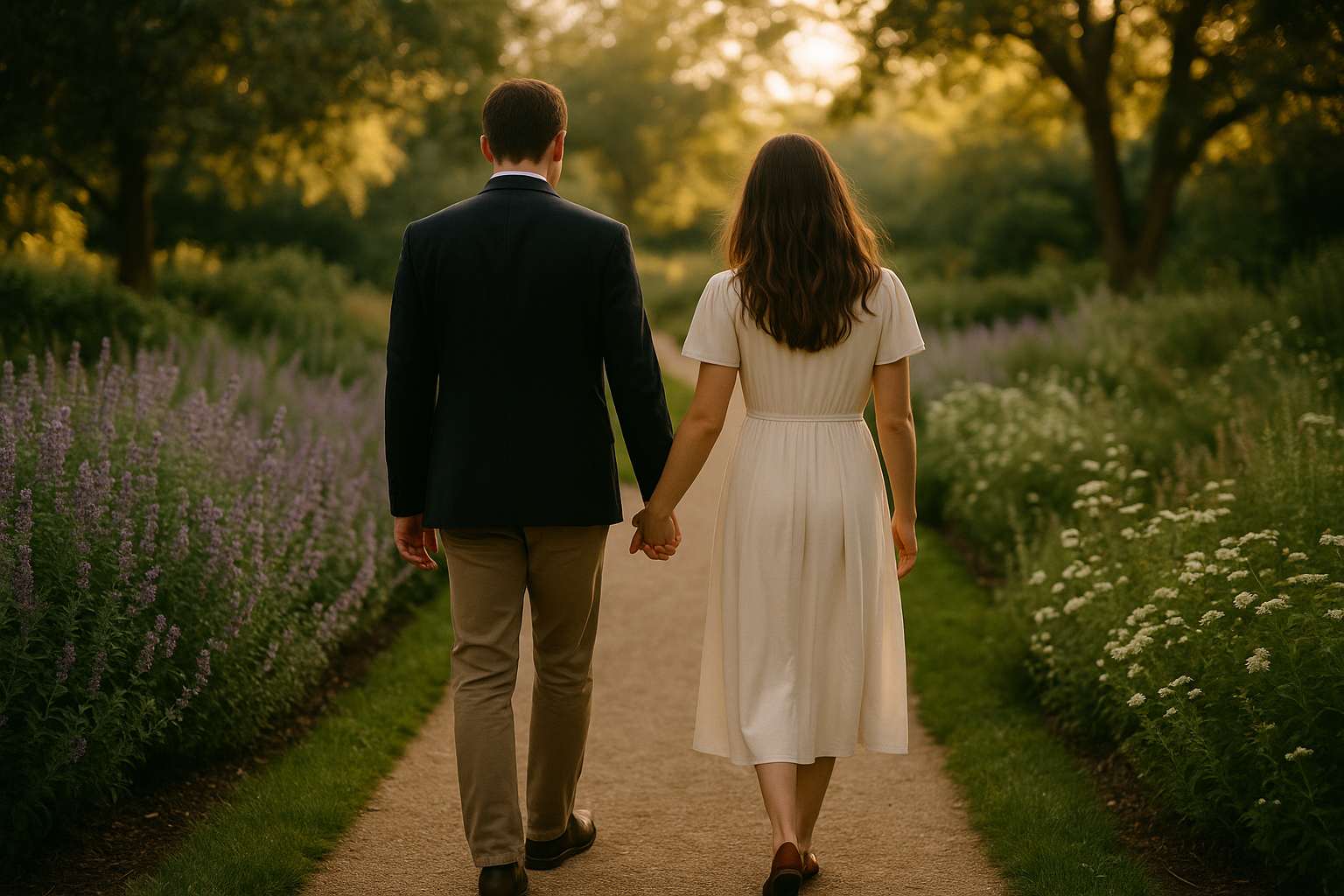
Camera shyness does not produce bad engagement photos — the wrong photographer, wrong location, and wrong expectations do. With the right match, a meaningful place, comfortable clothes, and the knowledge that the first 20 minutes are always awkward, even the most self-conscious couple reliably produces beautiful, genuine images.
Camera shyness is one of the most common things couples confess to their wedding photographers — often in the same breath as booking the session. And the irony is that this confession usually leads to a better shoot: it prompts the photographer to use their best techniques from the start rather than assuming comfort that was never there.
The truth that every experienced engagement photographer knows is this: there is no such thing as a couple who cannot photograph well. There are only couples who have not yet found the circumstances under which they relax and interact naturally. Your job is not to become a model. Your job is to find the photographer, location, and approach that create those circumstances for you — and then trust the process. This guide gives you the tools to do exactly that.
What actually causes camera shyness, and how do photographers work around it?
Camera shyness is not a personality flaw or a photographic doom sentence. It is a predictable stress response to an unusual social situation: being watched, evaluated, and expected to look natural simultaneously. The moment you are aware the camera is pointed at you, self-consciousness activates, and the body tightens in exactly the way that makes photographs look forced.
Professional photographers who specialize in natural, authentic couple imagery have developed specific techniques to short-circuit this response. Fstoppers' guide to relaxed couple portraits identifies the first 15 to 20 minutes of any session as the deliberate warm-up period — a structured space where the photographer shoots but considers nothing final, while the couple simply gets used to each other, the location, and the camera's presence. Experienced photographers often tell couples explicitly: "Nothing from the first 15 minutes counts. Just walk and talk and ignore me." This instruction reliably reduces tension because it removes the performance pressure.
After the warm-up, the techniques that work best for camera-shy subjects are:
- Prompts over poses: Instead of "Stand here and look at each other," a skilled prompt sounds like "Whisper something you love about today into her ear." The instruction gives both partners something to do and something to react to — and genuine reaction is the source of every natural-looking photograph.
- Activity-based shooting: Walking, making coffee, looking at something together, dancing without a formal first-dance structure — any purposeful movement occupies the conscious mind with a task and removes it from self-monitoring.
- Embracing the awkward: Love and Latitudes photography notes that when a couple is visibly awkward, they often turn to each other — laughing at themselves, leaning in for support — and in that moment of genuine mutual reaction, extraordinary images happen. The awkwardness is not the enemy of good photography; pretending to feel comfortable when you do not is.
Which engagement photography styles work best for camera-shy brides in 2026?
| Style | How It Works | Camera-Shy Friendly? | Best Setting |
|---|---|---|---|
| Love Drunk / Motion Blur | Embraces movement; soft focus; whimsical, dreamlike output | Excellent — no stillness required | Garden, open field, any outdoor |
| Documentary / Candid | Photographer anticipates moments; minimal direction | Excellent — feels least like being photographed | Home, neighborhood, personal spots |
| Activity-Based | Couple engages in a shared activity; camera captures reactions | Excellent — focus is on the activity, not the camera | Coffee shop, bookstore, kitchen, garden |
| Film / Analog Aesthetic | Grain, warmth, slight imperfection; lower resolution feels more forgiving | Very good — grain reduces hyper-scrutiny of expressions | Any; particularly beautiful outdoors |
| Formal / Constructed | Deliberate poses; dramatic light; static composition | Challenging for shy couples — requires prolonged stillness | Studio, architectural venue |
The dominant 2026 trend, confirmed by The Knot's 2025 engagement trend report, is authenticity-forward candid storytelling — movement, natural reactions, and genuine interaction over constructed poses. This direction is arguably the best possible development for camera-shy couples, because it aligns professional best practice with exactly the conditions under which shy subjects produce their most beautiful images.
How do you choose the right location and photographer as a camera-shy couple?
The location decision. Personal locations — the coffee shop where you had your first date, the park you walk through every Sunday, your own kitchen — produce relaxed bodies and genuine expressions because familiarity lowers the baseline anxiety level. When you know a space, your movements are natural rather than tentative, and your comfort with the environment translates directly into your comfort with the camera. For couples who prefer an unfamiliar location for aesthetic reasons, a brief pre-session visit to walk the space removes the surprise variable on shoot day.
Indoor sessions have gained significant momentum in 2025 and 2026 specifically because camera-shy couples find them far more comfortable: the controlled environment, absence of public observers, and intimate scale of a home or bookshop create conditions that simply feel less exposed. According to Zno's 2026 engagement trend analysis, indoor sessions are no longer a budget-compromise fallback — they are a mainstream choice driven by the desire for authentic, intimate imagery.
The photographer selection. This is the most important decision a camera-shy couple makes. Ask every photographer you consider: "How do you work with couples who feel uncomfortable being photographed?" Listen for specificity. A photographer with genuine expertise in this area will describe their warm-up approach, the types of prompts they use, their philosophy about the first portion of a session, and how they pace the shoot to build comfort. Generic reassurance without a specific process is a signal to keep looking.
Review their portfolio specifically for natural-looking images: are the couples relaxed? Are the expressions genuine? Candid-looking images are not accidents — they are the product of deliberate technique. When you find a photographer whose portfolio is full of couples who look like themselves, you have found someone who knows how to create the conditions for natural imagery.
What should you bring, wear, and do on session day to set yourself up for success?
Eat a real meal 60 to 90 minutes before the session. Low blood sugar is a reliable source of flatness and irritability, and it reads in photographs. This is practical, not glamorous, advice — and it works.
Wear clothes you have worn before. New outfits for the session feel good in theory but add a layer of self-monitoring — you are managing how you look in them rather than forgetting the camera exists. Flowing dresses and skirts that move well, comfortable coordinated separates, and layers with visual texture all photograph beautifully while giving you freedom of movement. Bring two outfits: the change itself is a reset that helps nervous subjects relax into the second look.
Bring a playlist. Music shifts energy in a way that nothing else quite replicates. Share it with your photographer before the session so they can sync the shoot's pace to the mood you want — slow and romantic, or upbeat and fun. A shared playlist also gives you and your partner something to react to naturally, which is valuable for activity-based shooting.
Arrive 10 to 15 minutes early and spend that time simply standing in the location, looking around, and talking to each other about something entirely unrelated to the shoot. Your nervous system needs a few minutes to register that nothing alarming is happening. The transition from arrival to shooting goes more smoothly when you are not also absorbing a new environment for the first time.
The last piece of guidance is the most important: the session will almost certainly feel awkward for the first portion of it. That is not a failure. That is the beginning. Every professional photographer who works regularly with real couples says the same thing: the best images come when the couple stops trying to look good and starts simply being together. Trust the process long enough to get there.
Frequently asked
Is it normal to feel awkward at an engagement session, even if you are generally confident?
Completely normal — and professional photographers say it every time. The first fifteen to twenty minutes of any engagement session are almost universally described by experienced photographers as the warm-up period, during which even the most confident people feel stiff, self-conscious, and unsure what to do with their hands. Knowing this in advance is genuinely helpful: you can stop interpreting early awkwardness as a sign that the session is failing. It is simply the calibration period. The best images in most engagement galleries are taken in the final third of the session, when the couple has found their rhythm, forgotten about the camera, and started genuinely interacting with each other. According to Fstoppers, professional photographers specifically allow for this warm-up and consider it part of their standard approach, not a problem to be solved.
What kind of engagement photos work best for camera-shy couples?
The styles that work best for camera-shy couples are those that shift the focus away from posing and onto doing. Activity-based photography — walking together, laughing at something one partner said, making coffee, sitting on a blanket with a book — gives the camera somewhere to look other than directly at you, which is the precise dynamic that triggers self-consciousness. The 'love drunk' style, which embraces movement and slight blur as a deliberate aesthetic, works beautifully for shy couples because it requires no stillness at all — you simply walk and move naturally, and the photographer works with the motion. The Knot's 2025 engagement trend report confirms that candid storytelling and movement-driven shooting are the dominant approaches among top photographers right now.
How do I choose the right location for engagement photos if I am shy or uncomfortable?
Choose a location that means something to you. Location familiarity is one of the most underestimated comfort tools available: when you are in a place you know and love — the coffee shop where you had your first date, the park you walk through every Sunday, your own home — your body relaxes in a way it simply cannot in an unfamiliar styled backdrop. A personal location also gives the photographer organic conversation and interaction to work with. Practically: avoid extremely crowded public locations, which add the discomfort of being watched by strangers in addition to the camera. If you prefer an unfamiliar location for its beauty, do a quick visit before the session day so you have a mental map of the space. Golden hour timing — the 60 to 90 minutes before sunset — adds soft, forgiving light that photographs beautifully and de-emphasizes facial tension.
What should a camera-shy bride wear to her engagement session?
Wear something you have worn before and feel genuinely comfortable in — not something purchased specifically for the session that you are still getting used to. New clothes that you have not broken in carry a subtle psychic weight: you are managing how you look in them rather than forgetting you are being photographed. Practically: avoid stiff structured pieces that restrict movement; avoid anything with a complicated fit that you need to constantly adjust; avoid shoes you cannot comfortably walk in for an hour. The strongest engagement outfits for camera-shy women tend to be flowing dresses or skirts that move beautifully (creating visual interest that does not require you to do anything), coordinated separates in soft neutrals or jewel tones, and layers that give the photographer visual texture. Bring two outfits: one relaxed and personal, one slightly more elevated.
How do I find a photographer who is good with camera-shy couples?
Ask directly during your initial consultation: "How do you work with couples who are camera-shy or uncomfortable being photographed?" A photographer who has a specific, articulate answer to this question — describing their warm-up approach, the types of prompts they use, their communication style during the session — has genuinely thought about it and has experience with it. A photographer who responds with generic reassurance ('Don't worry, everyone feels that way!') without describing a specific approach may not have developed real techniques for it. Look at their portfolio specifically through this lens: do the couples in their images look natural and at ease, or do they look posed and slightly tense? Candid-looking images are not accidental — they reflect specific photographer skills and prompting approaches.
How far in advance should we book our engagement session, and when should we schedule it?
Book your engagement session as soon as you have selected your wedding photographer — ideally 9 to 12 months before the wedding if you need photos for save-the-dates. If your photographer includes a complimentary session with their package, activate it early rather than leaving it for later: engagement sessions are among the most popular add-ons and can book out several months in advance during spring and fall. For scheduling, always request golden hour: the 60 to 90 minutes before sunset provides the most forgiving, flattering natural light and is the standard recommendation among professional photographers. Early morning (the first hour after sunrise) is equally beautiful and often less crowded. Avoid midday scheduling — direct overhead sun creates harsh shadows that flatter almost no one.