Photography & Film
Highlight Film vs. Full Wedding Video: Which Do You Actually Need?
Most videographers will sell you both — and for most couples, that is the right call. Here is how to think about what each format delivers, and when you genuinely need only one.
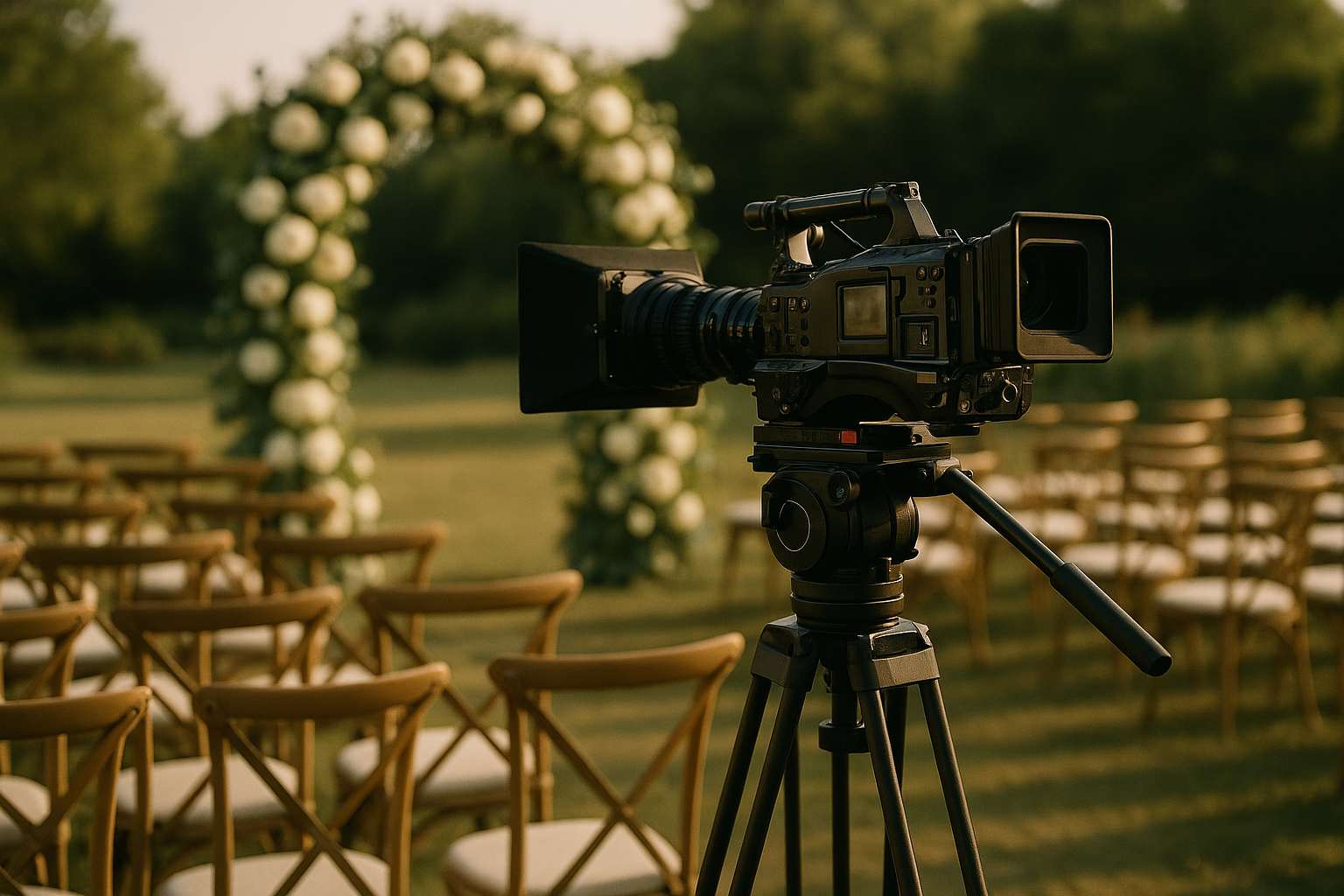
A highlight film is what you watch on every anniversary. The full film is what you watch with your children. If budget forces a choice between the two, prioritize a ceremony edit — verbatim vows are the most commonly regretted footage loss. Most mid-tier packages include both, and the investment is almost universally considered worth it: over 75% of couples who skip videography report regretting it within the first year.
What is the difference between a highlight film and a full wedding video?
The names describe two genuinely different editorial philosophies, not just different lengths. A highlight film is a curated, music-driven distillation of your day — the emotional peak of the ceremony compressed to thirty seconds, the first dance at its most cinematic, laughter and tears and stolen glances woven together in three to seven minutes. It is designed to be rewatchable, shareable, and emotionally coherent for anyone who watches it, whether or not they attended the wedding. A full-length film, by contrast, is a document. It preserves the complete ceremony from the first notes of the processional to the recessional, the full text of every toast, the arc of the first dance without cuts. It is designed for completeness, not curation — and it serves a different purpose across a different timescale.
| Format | Typical Duration | Editorial Approach | Best Used For |
|---|---|---|---|
| Highlight Film | 3–7 minutes | Curated, music-driven, emotionally compressed | Anniversary viewing, sharing with family and friends, social media |
| Full-Length Feature | 20–60 minutes | Chronological, documentary, complete moments | Complete vow preservation, absent family members, long-term archive |
| Ceremony Edit | 20–45 minutes | Lightly edited ceremony start to finish | Verbatim vow preservation, guests who could not attend, faith tradition documentation |
| Social Media Teaser | 60–90 seconds (vertical) | Fast-cut, platform-native, high energy | Instagram, TikTok, immediate sharing within days of the wedding |
| Same-Day Edit (SDE) | 3–5 minutes | Delivered and screened during the reception itself | Premium tier events where the emotional impact of seeing the day during the day is the goal |
What does each format actually cost in 2026?
According to industry pricing data, most mid-tier wedding videography packages ($2,000–$4,500) include both a highlight film and a ceremony edit as standard deliverables. The highlight-only package has largely disappeared from reputable studios because most couples want both. Packages separate by what is added beyond those core deliverables:
- Entry-level ($1,000–$2,000): One videographer, four to six hours, a three to five minute highlight reel. No ceremony edit or full feature.
- Mid-tier ($2,000–$4,500): One to two videographers, six to eight hours, highlight film plus ceremony edit, lapel mic audio, color grading, social media teaser.
- Premium ($5,000–$10,000+): Two to three videographers, full day eight to twelve hours, cinematic highlight plus full-length feature (20–60 minutes) plus drone footage, rehearsal dinner or pre-wedding coverage, same-day edit option, licensed music.
Common add-ons and their 2026 pricing: a second videographer ($500–$1,500), drone footage ($300–$800), raw footage files ($300–$800), a same-day edit ($500–$1,500), and a social media vertical cut ($150–$400). If drone footage matters to you, confirm the operator holds an FAA Part 107 Remote Pilot Certificate and has obtained written venue permission before booking.
What do different videography styles actually look like?
Once you understand the formats, the next variable is style — the editorial signature of the studio you hire. The cinematic style, popularized by studios such as The Wedding Film Company and widely emulated across the premium tier, leans on shallow depth of field, slow-motion, golden-hour color grading, and a scored emotional arc; it produces the polished, movie-trailer feel most highlight reels aspire to. The documentary or journalistic style, associated with filmmakers in the WEVA and independent filmmaker tradition, prioritizes unstaged candid coverage and natural sound over heavy scoring — ideal for the full-length feature. A third hybrid approach, which dominates 2026 packages, blends a cinematic highlight with documentary-style ceremony and reception edits, giving couples the best of both philosophies.
Style is also shaped by gear, and reputable studios are transparent about theirs. The mirrorless workhorses of 2026 wedding cinematography are the Sony FX3 and a7S III, the Canon EOS R5 C, and Panasonic's Lumix S5 II, paired with fast prime lenses for the low-light reception look. Stabilization usually comes from a DJI RS 4 or Zhiyun gimbal, aerials from a DJI Mavic 3, and color is graded in DaVinci Resolve or with FilmConvert film-emulation profiles. You do not need to evaluate gear yourself, but a studio that names its kit and its editing pipeline is signaling a real, repeatable craft rather than a one-off lucky edit.
What should you actually ask to see before booking?
The most common — and most consequential — mistake in wedding videography is booking based on highlight reels alone. A highlight film is marketing. It is the best five minutes from the best day the studio has ever filmed. The questions that reveal consistent quality are different:
- Ask for a complete ceremony edit or full-length feature from a recent wedding. Audio quality, camera movement during the ceremony, and coverage during speeches are far more revealing than the highlight reel.
- Ask specifically about audio. Poor audio is the single most common reason a wedding film disappoints. Ask how many microphones they run, whether they use redundant audio sources, and whether they take a soundboard feed when the venue's AV system allows it.
- Ask who will be at your wedding. Some studios book under a lead videographer's name and assign a subcontracted filmmaker on the day. Ask directly: "Will you personally be filming my wedding?"
- Ask about music licensing. Confirm the music in your final film will be fully licensed for personal social media sharing. Services like Artlist and Musicbed provide this; vague answers are a red flag.
The last question to ask, which most couples forget: "What is your backup plan if you have an emergency on our wedding day?" Established studios have formal networks of trusted colleagues for this scenario. Solo operators may have informal arrangements. Any answer other than a specific, practiced plan should give you pause.
Frequently asked
Is a wedding highlight film or a full video better to have?
Most couples genuinely benefit from having both, and most professional mid-tier packages include both for this reason. The highlight film — typically three to seven minutes, music-driven, emotionally curated — is what you watch on your first anniversary and share with people who were not there. The full-length film or ceremony edit is what you return to when you want to hear the actual vows, the complete speeches, and the candid moments the highlight condensed away. The formats serve different emotional needs across different timescales: the highlight film is for the next five years; the full film is for the next twenty. If budget forces a choice, prioritize a ceremony edit — verbatim vows and officiant words are the most commonly regretted footage loss.
How long should a wedding highlight film be?
Three to seven minutes is the sweet spot for a wedding highlight film in 2026 — long enough to tell the emotional arc of the day, short enough to hold a viewer's attention and feel rewatchable. Films under three minutes often feel incomplete; the first look, ceremony, and reception get compressed into brief clips without room to breathe. Films over ten minutes tend to lose momentum in the middle third as the day's emotional arc plateaus. The most common format at the premium tier in 2026 is a five to six minute highlight reel paired with a separate ceremony edit of the complete ceremony from start to finish. Some couples also request a 60–90 second vertical social media cut, delivered within one to two weeks of the wedding, for immediate sharing.
What does a full-length wedding film actually include?
A full-length wedding film — sometimes called a wedding documentary or feature film — typically runs 20 to 60 minutes and includes the complete ceremony from processional to recessional, all speeches and toasts in full, the first dance, and significant reception moments including guest candids, the cake cutting, and the final send-off. The goal is completeness rather than curation: where the highlight film selects the best 60 seconds of each moment, the full film preserves the whole. This format is most valuable for families with members who could not attend the ceremony, for couples who wrote personal vows they want preserved verbatim, and as a record that children and grandchildren might watch in 20 years.
Can I use my favorite song in my wedding film?
For private viewing on your own devices, most commercial music can be used without issue. For sharing on YouTube, Instagram, or TikTok, the situation is different: commercial music without proper sync licensing will typically be flagged by the platform's content ID system and muted, removed, or demonetized. This is one of the most important contractual questions to ask before booking a videographer. Reputable videographers subscribe to music licensing services — Artlist, Musicbed, or Epidemic Sound — that provide royalty-cleared music for personal social media sharing. Ask specifically: 'Is the music in my final film fully licensed for personal social media use?' before signing.
How far in advance should I book a wedding videographer?
For premium videographers in major markets — New York, Los Angeles, Chicago, Nashville, Charleston — 12 to 18 months in advance is the practical minimum for peak-season dates. The same videographers who are fully booked for June weddings in December may have availability for November dates booked five months out. In secondary markets and for mid-tier studios, eight to twelve months typically provides adequate lead time. The most common and costly mistake in wedding videography planning is treating it as a late-stage decision after photography is booked. Photography and videography should be researched and booked simultaneously — they work in close proximity all day, and confirming they have worked together previously, or facilitating an introduction, significantly improves coverage quality for both.