Photography & Film
Wedding Videographer Cost: A 2026 Breakdown
Wedding videography costs range from $1,000 for an entry-level package to $15,000+ for a premium cinematic production — and most couples who skip it regret it within the first year. Here is exactly what you are paying for at each tier, and how to find the right match for your budget.
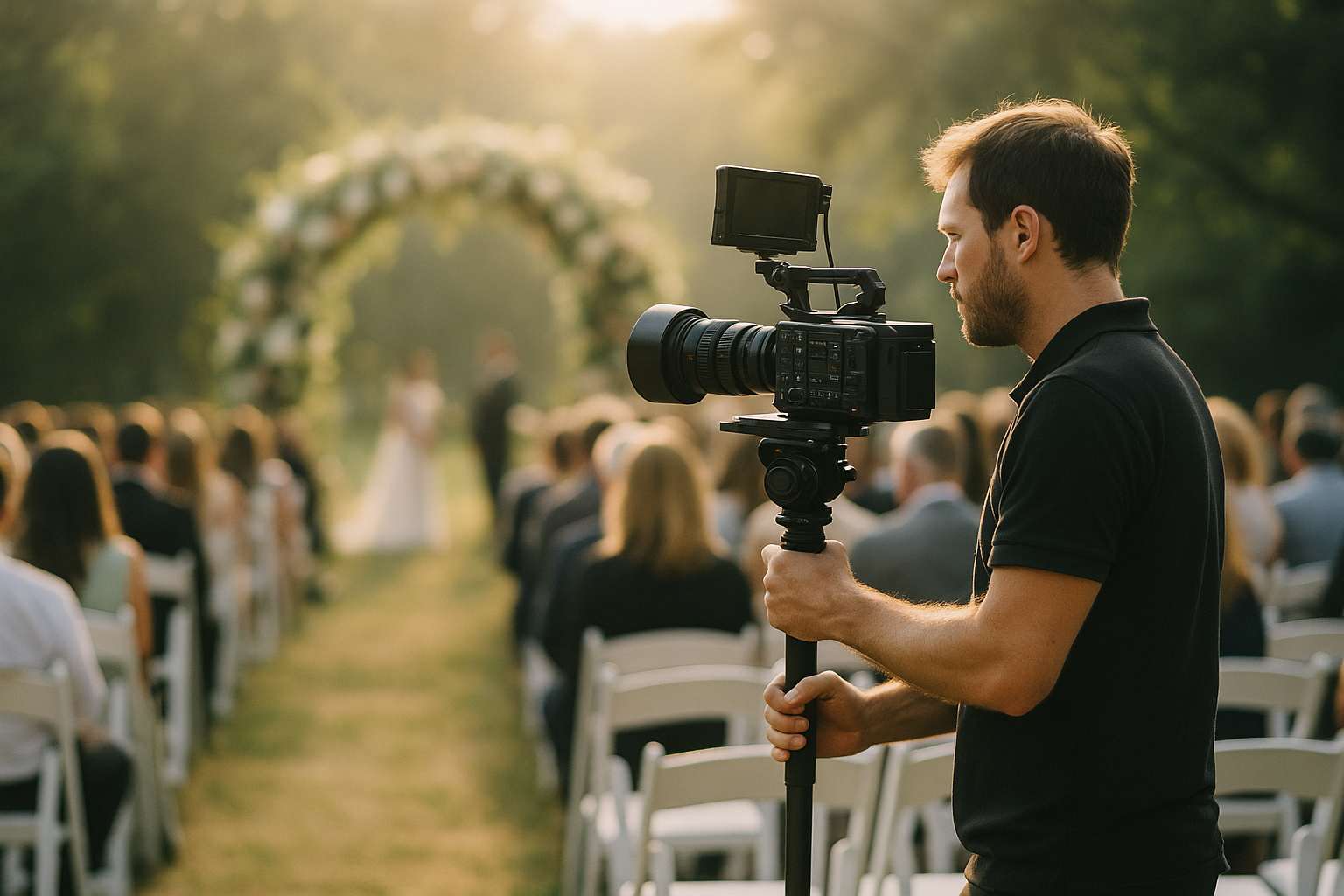
Wedding videography costs range from $1,000 for an entry-level package to $15,000 or more for a premium cinematic production. The national average in 2026 sits between $2,300 and $3,993 depending on the survey. Most couples who skip videography regret it — budgeting 5 to 8 percent of your total wedding budget for it is the industry standard recommendation.
There is almost nothing else in wedding planning with this particular dynamic: a vendor category where the regret rate among those who skip it is consistently measured in the majority, not the minority. Videography is the category most likely to be cut when budgets tighten — and the one couples most consistently wish they had kept when the wedding is over and the day already belongs to memory.
The good news is that wedding videography has never been more accessible. The entry point for quality video coverage has fallen as technology has improved, and the range of options available in 2026 allows couples at nearly every budget level to hire a competent professional. What varies is not whether you can afford a videographer — almost certainly you can — but which tier of quality and coverage aligns with your priorities. Understanding those tiers clearly is the essential first step.
What does wedding videography cost at each tier — and what do you actually get?
Zola's 2026 Wedding Cost Index places the national average for wedding videography at $3,993, with most couples spending $3,200 to $4,800. The Knot Real Weddings Study reports a lower average of $2,300, reflecting a broader dataset that includes more entry-level and newer videographers. WeddingWire's survey data places the average even lower at approximately $1,799. These variations are real and instructive: the "average" depends entirely on who is answering the survey and which experience tier they are representing.
| Tier | Price Range | Coverage Hours | Deliverables | Best For |
|---|---|---|---|---|
| Entry-Level | $1,000–$2,000 | 4–6 hours | 3–5 min highlight reel; basic color correction | Small intimate weddings; tight budgets |
| Mid-Tier | $2,000–$4,500 | 6–8 hours | Highlight film (5–8 min) + ceremony edit; lapel audio; social teaser | Most couples; strong value-quality balance |
| Premium | $5,000–$10,000 | 8–12 hours | Cinematic highlight + full-length feature (20–60 min); drone; 2–3 videographers | Couples prioritizing cinematic quality and complete documentation |
| Luxury / Destination | $10,000–$15,000+ | Full multi-day | Full production team; rehearsal dinner; same-day edit; licensed music | Destination weddings; large multi-day celebrations |
The mid-tier package — one to two videographers, six to eight hours, a polished highlight film plus a ceremony edit, and professional audio — represents the sweet spot for most couples. CC King Entertainment's 2026 pricing guide confirms this as the most commonly booked configuration, with demand continuing to rise as couples increasingly treat the highlight film as something they will share and re-watch rather than archive and never open.
How does location affect wedding videography costs?
Location is one of the most significant variables in videography pricing. In the highest-demand markets, mid-tier packages cost two to three times what an equivalent-quality package costs in a secondary market. Candid Studios' 2026 market data places San Francisco's average at $6,091 — more than double the national WeddingWire average — reflecting the intersection of high cost of living, high vendor demand, and a competitive market where established videographers command premium rates.
Key market benchmarks for 2026:
- New York City: $4,000–$7,000 (mid-tier); $8,000–$15,000+ (premium)
- Los Angeles: $3,500–$6,500 (mid-tier); $7,000–$12,000 (premium)
- Chicago / Boston: $2,500–$5,000 (mid-tier); $5,500–$9,000 (premium)
- Nashville / Southeast: $2,500–$4,500 (mid-tier); $5,000–$9,000 (premium)
- Mountain West (Denver, SLC): $2,000–$3,500 (mid-tier); $4,000–$7,000 (premium)
- Rural / secondary markets: $1,200–$2,500 (mid-tier); $3,000–$5,000 (premium)
Destination weddings add a daily rate for travel (typically equivalent to the videographer's day rate), plus flights and accommodations, to the package price. Budget these travel costs as a separate line item; some destination videographers include them in an all-in quote, others invoice separately.
What are the most important questions to ask before booking?
The most consequential question a bride can ask any wedding videographer — the one that separates professional studios from solo operators who may not have a backup plan — is: "Will you personally be filming my wedding, and what happens if you have an emergency?" Some studios book under a lead videographer's name and assign a subcontracted filmmaker without disclosure. Require a direct answer and a written backup plan as a condition of signing.
Audio is the second non-negotiable topic. Poor audio — vows that are inaudible, speeches that are muffled, ambient sound that drowns conversation — is the single most common reason a wedding film disappoints. Ask specifically: How many lavalier microphones do you use? Do you run redundant audio recorders? Do you take a feed from the venue's soundboard when available? Videographers who have clear, specific answers to these questions have thought carefully about audio quality; those who give vague reassurances have not.
Music licensing is the detail most couples discover too late. Any commercial music in a wedding film uploaded to Instagram, TikTok, or YouTube will be automatically detected and muted or flagged without proper sync licensing. Reputable videographers subscribe to licensing services — Film House Weddings identifies Artlist, Musicbed, and Epidemic Sound as the leading professional services — and can confirm this before signing. If a videographer uses unlicensed popular music and you share your highlight film on social media, you risk having that film muted or your account flagged. Confirm licensing explicitly in the contract.
Finally: book your videographer at the same time as your photographer, not after. These two vendors work in close physical proximity all day long, and conflicting working styles degrade coverage for both. Introduce them to each other before the wedding and confirm they have either worked together before or are each experienced in collaborative coverage. The difference between a photography and videography team that knows each other and one that does not is visible in the final product.
Frequently asked
What is the average cost of a wedding videographer in 2026?
National average figures for 2026 vary by source and methodology, reflecting how differently survey datasets capture experience tiers and market ranges. Zola's Wedding Cost Index places the national average at $3,993, with most couples spending $3,200 to $4,800. The Knot's Real Weddings Study reports an average of $2,300. WeddingWire places the national average around $1,799. The variation exists because each dataset captures different experience tiers and package types: Zola's survey skews toward actively booking couples who are selecting mid-range and premium vendors, while WeddingWire's broader sample includes entry-level and newer videographers at the lower end of the market. The practical takeaway is that a quality mid-tier wedding videographer — one experienced professional, a strong portfolio, full day coverage, and a highlight film — typically costs $2,000 to $4,000 in most U.S. markets in 2026.
What is included in a wedding videography package at each price tier?
Entry-level packages ($1,000 to $2,000) typically include one videographer, four to six hours of coverage, a three to five minute highlight reel, basic color correction, and digital delivery in four to eight weeks. This tier suits smaller intimate weddings or couples for whom videography is a lower priority. Mid-tier packages ($2,000 to $4,500) represent the sweet spot for most couples: one to two videographers, six to eight hours of coverage, a highlight film of five to eight minutes plus a ceremony edit, lapel microphone audio, professional color grading, a 60- to 90-second vertical social media teaser, and delivery in eight to twelve weeks. Premium packages ($5,000 to $10,000 and above) include two to three videographers, full-day coverage of eight to twelve hours, a cinematic highlight film plus a complete feature-length documentary edit of twenty to sixty minutes, drone footage, rehearsal dinner coverage, a same-day edit option, fully licensed
How much does wedding videography cost in different cities and regions?
Location is one of the most significant price drivers in wedding videography. Markets where demand is highest and cost of living is greatest command significantly higher rates than secondary or rural markets. In New York City, quality mid-tier videography packages typically run $4,000 to $7,000, with premium cinematic studios charging $8,000 to $15,000 or more. Los Angeles mid-tier rates run $3,500 to $6,500, with premium in the $7,000 to $12,000 range. San Francisco averages around $6,091 for a mid-range package per Candid Studios' 2026 market data. In Nashville and the Southeast, mid-tier runs $2,500 to $4,500; premium $5,000 to $9,000. Mountain West markets (Salt Lake City, Denver, Boise) average $2,000 to $3,500 for mid-tier and $4,000 to $7,000 premium. Smaller cities and rural markets represent the most accessible price points: $1,200 to $2,500 for mid-tier quality.
Which videography add-ons are worth paying for, and which can you skip?
The add-ons most consistently identified as high-value by both couples and professionals are the second videographer and the ceremony edit. A second videographer ($500 to $1,500) dramatically improves coverage by enabling simultaneous capture of both the groom's reaction and the bride's walk, the audience and the couple at the altar, and multiple angles during the first dance and hora — moments that a single camera operator physically cannot capture alone. The ceremony edit (a lightly edited, complete recording of the ceremony) is the piece of the wedding film that couples return to most often years later: the verbatim vows, the ring exchange, the blessing.
Is wedding videography actually worth the cost?
The data on this question is unusually consistent. Multiple industry surveys — including Bridebook, The Knot, and various wedding planning publications — find that the majority of couples who skip videography report regretting it. One widely cited figure, though the exact methodology varies by source, places that regret rate at 75 percent or higher within the first year after the wedding. The explanation is intuitive: the wedding day moves faster than any couple anticipates. You will be too overwhelmed, too emotional, and too joyfully occupied to absorb everything happening around you. A wedding film captures the sound of your partner's voice as they read their vows, the laughter during the toasts, the way your mother looked when you walked down the aisle — details your memory will soften and blur.
How far in advance should I book my wedding videographer, and what should I ask them?
For premium videographers in major markets (New York, Los Angeles, Chicago, San Francisco, Nashville), 12 to 18 months before the wedding is the practical minimum. In secondary markets, 8 to 12 months is typically sufficient, though the best local videographers in any market are booked well in advance for peak-season Saturday dates. Do not treat videography as a late-stage booking after photography — they are complementary decisions that benefit from coordination. The most important questions to ask every videographer you consider: Will you personally be filming my wedding, or might a subcontractor? How many microphones do you use, and do you run redundant audio sources? Can I see a full-length ceremony edit or feature film — not just a highlight reel? Is the music in my final film fully licensed for social media sharing? What is your backup plan if something happens on the day?