Photography & Film
What to Wear for Engagement Photos: The Complete 2026 Outfit Guide
Choosing what to wear for your engagement session is simpler than it feels — and more important than most couples realize. Here is the complete guide: how to coordinate as a couple, which colors and fabrics photograph beautifully, how to dress for your location, and the two-outfit rule that almost every photographer recommends.
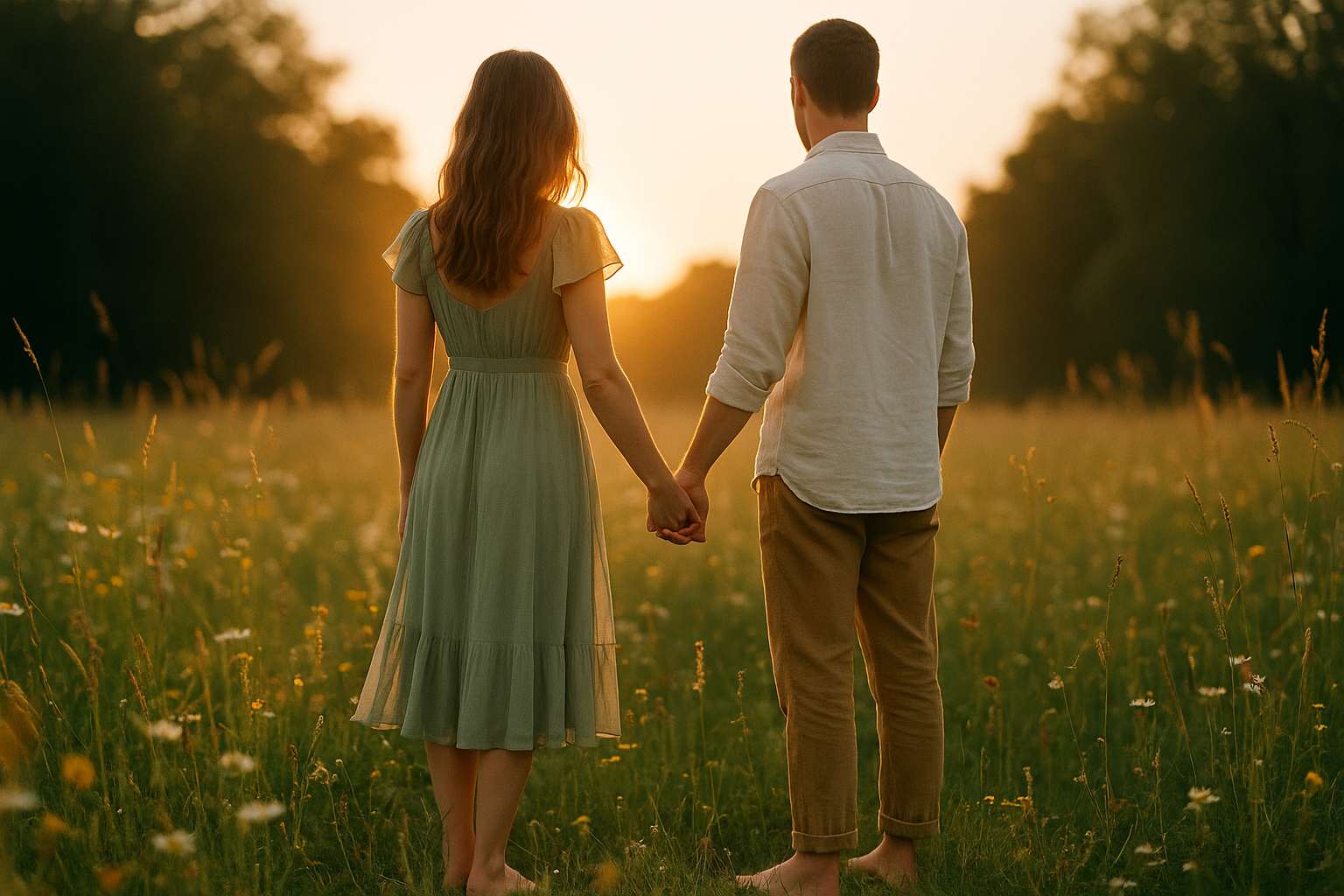
For engagement photos, coordinate without matching: share a color palette and formality level but stay distinct as individuals. Soft neutrals and earth tones photograph best. Bring two outfits — one relaxed, one polished — scale the formality to your location, and prioritize comfort above all. The most beautiful images come from couples who feel genuinely like themselves.
Why engagement photo outfits matter more than most couples realize
Many couples approach engagement session outfit planning as a minor logistical detail — something to handle in the 24 hours before the shoot. Experienced photographers see something different. Outfit choices are among the highest-impact variables in the final gallery, influencing color tone, cohesion between partners, relationship to the background and setting, and the overall emotional register of the images. A couple in beautifully coordinated, well-fitting outfits against a complementary setting produces photographs that feel intentional and timeless. A couple in randomly assembled clothes that do not relate to each other or the location produces photographs that feel like documentation.
The good news: getting this right is genuinely simple once you understand the principles. It does not require a significant investment or a personal stylist. It requires understanding three things — coordination versus matching, palette and fabric for your location and season, and why two outfits almost always beat one.
How do you coordinate engagement photo outfits as a couple without matching?
The distinction between coordination and matching is one of the most practically useful concepts in engagement session styling, and it is worth understanding before you make a single clothing decision.
Matching means both partners wearing the same color, the same fabric, or the same specific look — the classic example is a couple in identical white shirts and jeans. This reads in photographs as a costume rather than as two people's authentic relationship. Coordination means both partners operating within a shared color palette, a shared formality level, and a consistent stylistic intention — while remaining visually distinct as individuals.
Here is a practical coordination formula that works across most aesthetics and settings:
| Her Look | His Coordinating Look | Palette | Setting |
|---|---|---|---|
| Soft blush flowy maxi dress, nude sandals | Cream linen shirt, ivory or tan chinos, brown leather shoes | Warm neutral | Garden, outdoor meadow |
| Sage green chiffon midi dress | Olive or dark green trousers, white or cream shirt | Natural earth | Woodland, vineyard |
| Dusty blue wrap dress | Navy or chambray jacket, white shirt, tan trousers | Cool neutral | Beach, urban, lake |
| Rust or terracotta wrap dress, ankle boots | Olive chinos, cognac belt and boots, cream henley | Warm earth | Autumn forest, farm, pumpkin patch |
| Deep burgundy velvet midi dress | Charcoal suit, burgundy pocket square, white shirt | Rich formal | Ballroom, historic architecture, evening |
The test before leaving for your session: photograph both of you fully dressed and look at the image on a phone screen. Do the two looks read as part of the same story? Do the colors complement rather than compete? Does each person look like themselves? If yes on all three, you are ready.
Which colors and fabrics photograph most beautifully in 2026?
Color palette choices for engagement sessions interact with the light, the setting, and the season in ways that are worth understanding before you commit. According to Candid Studios' 2026 engagement outfit guide, soft neutrals and earthy tones remain the dominant palette for engagement photography precisely because they are the most versatile across the widest range of lighting conditions and natural settings.
Colors that photograph well: cream, ivory, warm white, dusty blue, sage green, blush pink, champagne, soft burgundy, rust, terracotta, muted olive, caramel, warm gray. These tones hold detail well in both golden light and overcast conditions, complement skin tones across a wide range, and do not compete with natural backgrounds.
Colors to approach carefully: Stark bright white in direct sunlight overexposes and reads as harsh. Neon or saturated bright colors — bright red, hot pink, electric blue — can cast color reflections onto skin in warm light. Black is sophisticated but absorbs golden hour warmth rather than catching it, which can look beautiful in an editorial way but flat in a romantic-outdoor context.
Fabrics and their visual behavior: Flowing fabrics — chiffon, silk, linen, soft cotton — create beautiful movement in outdoor settings, particularly in wind and golden hour backlighting. The movement of a chiffon skirt or a loose linen shirt in a gentle breeze is one of the most reliably beautiful elements in an outdoor engagement gallery. Structured fabrics — tailored wool, crisp cotton, velvet — work beautifully in urban and interior settings where clean lines complement the architecture. Mixing fabric textures between partners adds visual depth: a smooth silk dress paired with a textured linen shirt creates dimensional interest in the frame.
For 2026 specifically, One Story Weddings' engagement session style guide notes that sustainable and rented designer pieces have grown significantly — platforms like Rent the Runway allow couples to access elevated looks for a single session at a fraction of purchase cost, which is particularly useful for the "polished" second outfit where investment dressing makes a meaningful visual difference. Vintage-inspired silhouettes — 1970s-era wide-leg trousers, 1960s shift dresses, 1940s midi silhouettes — are also consistently strong in 2025–2026 because they read as timeless rather than trend-dependent in photographs.
How do you scale outfits to your engagement photo location?
Location compatibility is the most commonly overlooked dimension of engagement outfit planning — and the one that produces the most visible disconnects between subject and setting in final galleries.
Outdoor natural settings (meadows, gardens, forests, vineyards, beaches): Flowing, relaxed, textural fabrics in organic earth tones and soft pastels. Formality should be elevated above daily-casual but not formal-wear level. Think: a dress you might wear to a garden party or a summer lunch, or a well-fitted linen shirt and chinos for her partner. Shoes should be appropriate for the terrain — beautiful heels on a cobbled garden path or in soft grass quickly become both physically uncomfortable and visually distracting as posture compensates.
Urban and architectural settings (city streets, historic buildings, rooftops, bridges): Structured, polished, clean-lined pieces that echo the intentionality of the architecture. Tailored looks, blazers and trousers, sleek midi dresses in solid colors or subtle prints. The city rewards precision and clarity in clothing the same way it rewards them in its own design.
Indoor sessions (studios, homes, cafes, libraries): The most forgiving setting for outfit choices because the background and lighting are controlled. Both casual-romantic and polished looks work well. Focus on colors that complement the interior's palette — if the studio has warm neutral tones, echo them; if the home has a specific color scheme, coordinate with rather than clash against it.
Seasonal outfit guidance for engagement sessions
Season affects both palette and practicality, and planning outfits that work with the conditions of your shoot date rather than against them produces a noticeably stronger gallery.
Spring and summer: Light, breathable fabrics (chiffon, linen, lightweight cotton); soft pastels, florals, fresh whites, and sage. Factor in warmth — heavy fabrics in mid-summer sun will affect your comfort and it will show in your body language. For golden hour summer sessions, consider a light layer (a silk blazer, a denim jacket draped over) that adds visual interest in the cooler light after sunset while keeping you comfortable.
Fall: The richest palette for engagement photography. Warm earth tones — rust, burgundy, camel, chocolate, forest green, and burnt orange — pair beautifully with autumn foliage backgrounds. Texture earns its investment in fall: velvet, knit, corduroy, and suede read warmly in golden October light in ways that summer fabrics do not. Layering (a cozy cardigan over a dress, a scarf worn loosely) adds dimension and seasonal authenticity.
Winter: Deep jewel tones, cream, charcoal, and burgundy. The logistics of staying warm without obscuring the outfit require planning: choose a coat that is beautiful enough to stay on in exterior shots (a tailored wool coat or a faux-fur wrap can be part of the look, not just a practical layer), and plan the change to a coat-free interior or studio setup for contrast. Coordinating hats, scarves, and gloves as accessories rather than afterthoughts — in complementary palette — can make winter sessions visually rich rather than merely cold.
The final practical checklist before your engagement session
Four to six weeks before the session: confirm both outfits are decided, pressed, and tested on your body with all shoes and accessories. Photograph each outfit in natural light to check colors. Book a manicure for three to five days before the session. Research whether your location requires a photography permit and confirm if needed.
One week before: test any new shoes in both outfits to confirm comfort over walking distances. Pack everything — both outfits, both sets of shoes, all accessories — in a garment bag and a clear accessory pouch. Confirm the meeting point and timeline with your photographer.
Day of: eat a full meal 60 to 90 minutes before the session. Bring a small bag with touch-up essentials (lip color, powder, a few bobby pins, safety pins for unexpected wardrobe needs). Arrive 10 minutes early in outfit one. Relax. The first 20 minutes of every engagement session have an adjustment period — trust that it improves, and trust your photographer to guide you through it. The best images almost always come in the second half.
Frequently asked
Should engagement photo outfits match exactly?
No — and photographers almost universally advise against it. Couples wearing identical outfits (matching white shirts and jeans is the classic example) in the same color read as costumes in photographs rather than as two distinct people in a relationship. The goal is coordination, not uniformity. Coordination means sharing a color palette, a formality level, and a stylistic intention. If one partner wears a soft blush flowy dress, the other might wear a warm white linen shirt and ivory or tan trousers — within the same warm neutral palette, complementary in tone, but clearly distinct as individuals. The visual result is a gallery that feels cohesive and intentional without looking staged. Before the session, photograph both outfits side by side (literally hold the garments next to each other or photograph both partners fully dressed before leaving) to check that the colors actually work together in real life, since fabrics can shift significantly under different lighting conditions.
What colors look best in engagement photos?
Soft neutral and earthy tones consistently photograph the most beautifully across a wide range of outdoor and indoor settings. Cream, ivory, warm white, dusty blue, sage green, blush pink, champagne, soft burgundy, rust, terracotta, and muted olive all hold well in natural light without drawing attention away from the subjects or competing with natural backgrounds. Avoid neon or saturated bright colors — they reflect onto skin and can cast unattractive color shadows in golden or warm light. Avoid stark bright white in direct sunlight — it overexposes and blooms in a way that reads as harsh. Avoid busy graphic prints and large logos, which date images immediately. The strongest palette rule for engagement photos is almost exactly what it is for wedding guest attire: let the color be present and intentional, but let the subjects — the two of you — be the focal point.
Should engagement photo outfits match the wedding dress or wedding style?
It is thoughtful but not necessary for engagement session outfits to echo your wedding aesthetic, and some photographers actually recommend against overly literal matching because it reduces the visual distinctiveness between the two sets of images. A softer connection works well: if your wedding will be a garden ceremony with a romantic floral gown, a flowy floral midi dress for the engagement session creates tonal harmony without duplicating the look. If your wedding is a formal ballroom event, a polished but relaxed blazer outfit for the engagement session maintains a sophisticated thread without being identical in register. What matters most is that your engagement outfits feel authentic to who you are as a couple on an ordinary elevated day — slightly dressed up from your usual, but genuinely yours rather than costumes that only exist for photography.
What is the two-outfit rule for engagement sessions, and how do you choose the second look?
The two-outfit approach — one more casual or relaxed look and one slightly more elevated or polished look — is recommended by the vast majority of experienced engagement session photographers because it creates natural visual variety in the final gallery without the session feeling repetitive or staged. The practical structure: outfit one for the first location or the outdoor portion of the session; outfit two for a different location, a different lighting setup, or the golden hour window. The two looks should be different enough to read as clearly distinct in photographs — different color palette, different formality level, or different silhouette — while still coordinating with each other as a couple. For the logistics: bring both outfits pressed and packed, arrive in outfit one, and change at a natural break point rather than mid-session. Many photographers suggest that the more elevated, polished look be saved for the golden hour window at the end of the session, when the light is most extraordinary.
How should I dress for an engagement session at the beach versus in the city?
Location signals the appropriate formality register, and dressing against the location creates visual dissonance that is immediately noticeable in photographs. For a beach session, lean light and relaxed: flowing fabrics (linen, chiffon, lightweight cotton) in coastal neutrals or soft pastels — cream, soft blue, blush, white — photograph beautifully against sand and water. Avoid structured fabrics that resist the breeze and read as rigid against the organic setting. For urban or architectural settings (city streets, historic buildings, rooftops), structured pieces photograph with more intention — a tailored midi dress, a blazer and trouser combination, clean lines and polished silhouettes. The city backdrop rewards the same aesthetic clarity that the city itself reflects. For woodland or garden settings, layer texture into the palette: velvet, knit, or embroidered pieces in warm earthy tones complement organic backgrounds without competing with them. The fastest way to check before the session: find a photograph taken at your specific location type and ask whether your outfit would look proportionate and intentional in that setting.
What practical details do most couples forget when preparing engagement photo outfits?
The most commonly overlooked practical details that show up in photos: shoe comfort for walking over varied terrain (many outdoor sessions involve uneven ground, grass, or gravel — heels that sink or cause pain translate immediately into body language); a steamed or pressed garment (wrinkles from a suitcase or a hanger read in photographs, especially in close-up shots); jewelry that photographs — delicate fine jewelry photographs beautifully in close-up portrait work, while chunky or bright statement pieces can overwhelm the frame; and nails. Nails appear in virtually every close-up of hands, rings, and the bouquet — schedule a manicure three to five days before the session, and if you are wearing a bold nail color, ensure it complements rather than clashes with the outfit palette. Finally: break in any new shoes for at least three to four sessions around the house before the shoot, and bring blister pads regardless.