Wedding Planning
How to Save Money on a Wedding
The average American wedding costs $34,200 in 2026 — but smart couples are cutting that number by 20–35% without sacrificing a single element that genuinely matters to them. Here is exactly how.
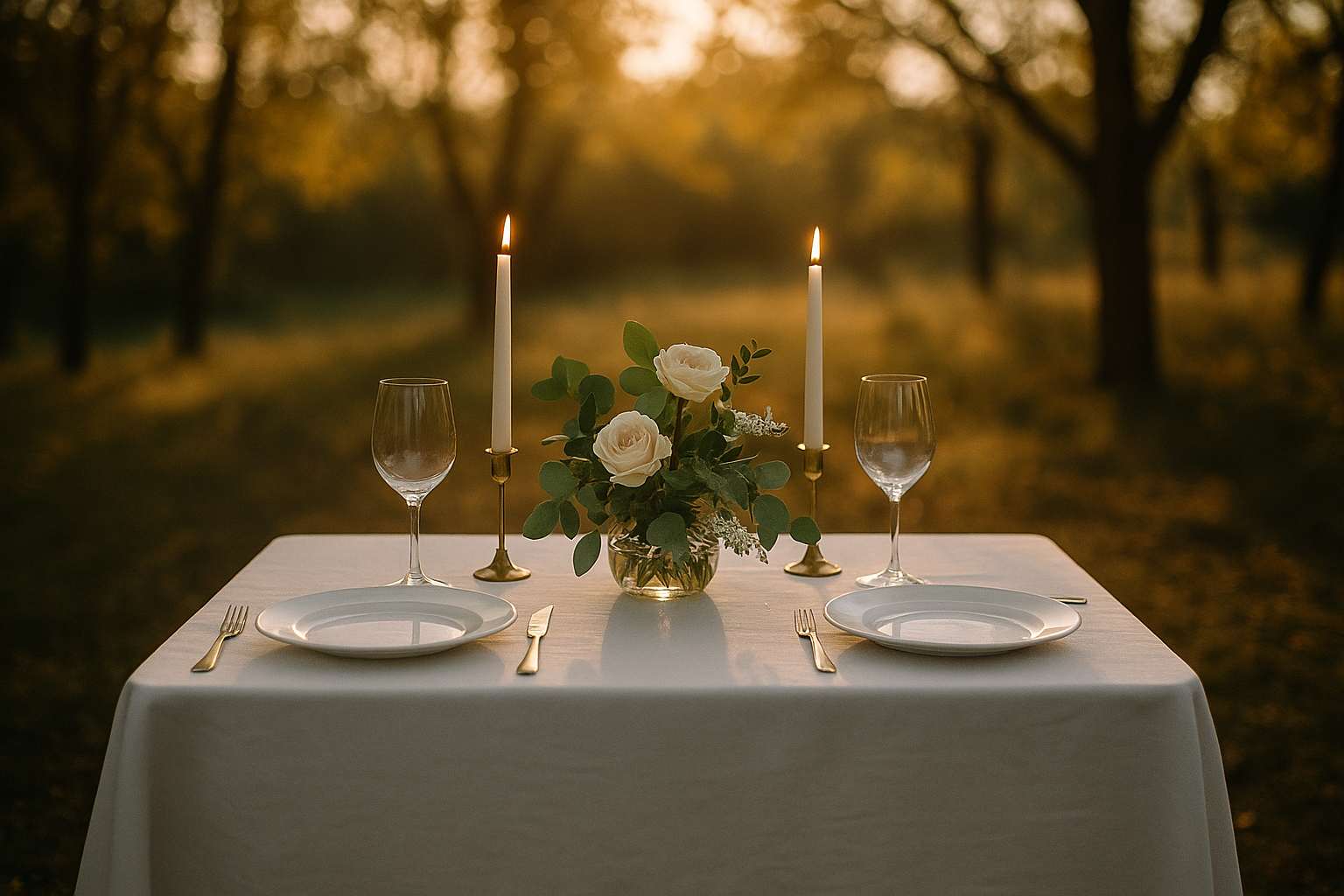
The average American wedding costs $34,200 in 2026, but couples who plan with a clear budget framework and focus their spending on what genuinely matters to them routinely reduce that number by 20–35%. The strategies below — prioritized by impact — can save you $3,000 to $12,000 without compromising the experience on any element that will matter to you in twenty years.
The most important thing to understand about wedding budgets is that the national average is not a target — it is a description of what happens when couples plan without a framework. The Knot's 2025 Real Weddings Study found the average cost at $34,200, but the median is considerably lower, and couples who approach their budgets with deliberate strategy spend significantly less without any noticeable sacrifice in beauty, meaning, or hospitality. The key is knowing where the real leverage lives.
Where does the wedding budget actually go — and where is the leverage?
Before any individual cost-cutting strategy makes sense, it helps to see the full allocation. Venue and catering together consume the largest share of most wedding budgets — typically 45–55% of the total. Photography and videography represent the second-largest investment for couples who prioritize them appropriately. Everything else — flowers, music, attire, stationery, cake — divides the remainder.
| Category | Typical % of Budget | Savings Potential |
|---|---|---|
| Venue | 28–35% | High — largest single lever in the budget |
| Catering (food + beverage) | 20–30% | Moderate — structure, format, and bar type matter |
| Photography + Videography | 10–14% | Low — this is the one category not to undercut |
| Music / Entertainment | 5–10% | Moderate — DJ vs. band difference is meaningful |
| Florals + Decor | 8–12% | High — seasonal sourcing, repurposing, greenery |
| Attire (couple) | 5–8% | Moderate — sample sales, consignment, rental |
| Stationery | 1–2% | Very high — digital or DIY cuts cost 60–80% |
| Cake / Desserts | 2–3% | Moderate — display tier + sheet cakes |
| Miscellaneous / Buffer | 5–8% | Required — never omit this line |
The rule that experienced planners repeat most often: if your venue plus catering costs exceed 60% of your total budget, every other category will feel squeezed. Your venue is the highest-leverage single decision in wedding planning — it determines your date flexibility, whether you can bring in outside caterers, what the aesthetic baseline is, and what décor you still need to provide. Choosing the right venue unlocks savings in every downstream category.
How does guest count affect your budget — and what can you do about it?
The guest list is the budget lever most couples are most reluctant to touch — and the one with the largest financial impact. Every guest you invite adds approximately $150–$300 to your total wedding cost when you account for catering, bar, cake, stationery, and seating. Adding ten guests adds one full table, which multiplies across venue capacity, catering minimums, centerpieces, and stationery.
The 2026 national per-guest average is approximately $292 per guest, according to The Knot's Real Weddings Study. On that basis, trimming your guest list by 25 people saves $7,300 — more than most couples save through all their other budget strategies combined. Review your list honestly: distinguish between guests you genuinely want to share this day with and guests added from obligation or assumed expectation. The most meaningful weddings are rarely the largest ones.
What off-peak timing strategies deliver real savings?
Wedding vendors price by demand, and demand follows predictable patterns. Saturdays in May, June, September, and October in most U.S. markets are peak demand — and they are priced accordingly. Understanding where demand falls allows you to capture genuine savings without changing anything about the wedding itself.
Day of week: Friday evening weddings typically cost 15–25% less than comparable Saturday events. Sunday afternoon or brunch receptions offer the deepest discounts — sometimes 25–30% — and naturally limit bar consumption, which is one of the largest variable costs in any reception. Sunday brunch receptions have grown steadily in popularity for exactly these reasons.
Season: January through early March offers the greatest negotiating leverage in virtually every vendor category, particularly venues. November and early December — when many venues already have holiday décor in place — also present meaningful savings with the bonus of a beautiful built-in aesthetic. A January wedding can come in 20–30% below the same event in October.
Holiday weekends: Counterintuitively, Memorial Day, Labor Day, and Fourth of July weekends can offer modest savings because vendors consider them inconvenient for guests. For weddings where most guests drive locally, these dates provide genuine value with the bonus of a built-in long weekend for traveling guests.
What should you splurge on — and what can you cut without regret?
Every budget strategy guide should answer this question honestly, because the most damaging wedding budget mistakes come not from spending too much but from spending in the wrong places.
Spend here: Photography and videography. Your photographs are the only tangible artifact of your wedding day that you will revisit for the rest of your life. Underspending on photography is the single most-regretted wedding budget decision in post-wedding surveys — consistently, across income levels and wedding sizes. A skilled photographer in most markets runs $2,500–$6,000+. Do not undercut this line. Catering quality is the second category guests remember most viscerally; a beautiful setting with forgettable food registers as a disappointment, while warm hospitality and genuinely good food in a simpler setting leaves guests delighted.
Save here: Wedding favors. Survey data consistently shows guests leave favors behind or discard them. Elaborate favors at $8–$15 each on 150 guests total $1,200–$2,250 with almost no measurable guest satisfaction return. Specialty lighting upgrades — uplighting, draping, gobo projections — feel compelling at a venue walkthrough but are rarely visible in photographs. A few well-placed candles and simple string lights often achieve more. Wedding cake: a visually beautiful cutting cake ($300–$600) plus sheet cakes served from the kitchen feeds 150 guests far more economically than an elaborate tiered cake billed per slice, and guests rarely notice the difference.
How do you negotiate with vendors to reduce costs?
Negotiation is professional and expected in the wedding industry. Vendors who are offended by respectful, clear negotiation are not the right fit. Most vendors build a margin into their initial quotes to allow for discussion — approaching it as a collaborative conversation about mutual value, rather than an adversarial demand, produces better outcomes and better relationships with the people executing your wedding.
Your timing is leverage. Early booking (12–18 months out) offers vendors certainty they value; offer early commitment in exchange for a rate hold at current pricing. Off-peak and off-day dates are leverage because your date is easier to fill. Package adjustments are leverage: ask what elements you could remove in exchange for a lower total. If a vendor will not lower their price, shift to added value — extra coverage hours, a second shooter, upgraded deliverables, waived travel fees.
Language that works: "We love your work and you are our first choice. We are working within a firm budget of $X. Is there any flexibility to make this work?" and "We noticed [element] in the package that we would not use. Can that be removed and reflected in the price?" Always confirm any concession in writing before signing. A verbal promise at a consultation does not survive a vendor transition.
What DIY projects actually save money — and which ones backfire?
DIY wedding projects can deliver real savings in the right categories and significant regret in the wrong ones. The honest framework: DIY the elements that are noticed primarily in person and not prominently photographed; hire professionals for the elements that will be scrutinized in every photograph for the next fifty years.
High-return, low-risk DIY categories: invitations and paper goods using Canva or Adobe and a local print shop (savings: $300–$900); table numbers, menus, and signage printed at home (savings: $150–$400); non-floral centerpieces using candles, greenery, and rented vessels (savings: $500–$2,000); and wedding favors such as baked goods, homemade jams, or seed packets (savings: $200–$800).
High-risk categories to reconsider: bridal flowers (timing, refrigeration, and wilting are real risks; a botched bridal bouquet is photographed extensively); wedding cake assembly and transport (structural failures happen to experienced professionals too); hair and makeup (the margin for error on your wedding morning is narrow); and photography (this is the one category where DIY produces the most lasting regret). Couples who have a friend who is genuinely professional-caliber and who clearly wants to do this as a gift — not from obligation — should carefully distinguish between those who qualify and those who do not.
Two additional strategies worth noting: secondhand wedding dresses listed on platforms such as StillWhite and PreOwnedWeddingDresses often appear in near-new condition at 40–70% below retail, and renting ceremony and reception items — arches, candelabras, linens, furniture — through services like RentMyWedding reduces décor spend significantly compared to purchasing. Two-thirds of U.S. couples in 2025 took on debt for their wedding according to LendingTree; the most meaningful gift you can give your first year of marriage is starting it without financial pressure that could have been avoided.
Frequently asked
What is the single most effective way to save money on a wedding?
Managing your guest list is the highest-leverage budget decision available to you — more than any vendor negotiation or DIY project. Every additional guest adds approximately $150–$300 to your total wedding cost when you account for catering, bar, cake, seating, stationery, and favors. Adding one table of eight guests increases your total by $1,200–$2,400 on top of any existing guests. Conversely, trimming your list by twenty people can free $3,000–$6,000 to redirect toward the elements that matter most — a better photographer, more meaningful florals, or a nicer honeymoon. Review your list honestly and distinguish between guests you genuinely want to share this day with versus guests added from social obligation or assumed expectation. Every name on that list is a real cost multiplier.
How much can you save by getting married on a Friday instead of a Saturday?
Significantly — and more couples are making this choice in 2026. Friday evening weddings typically cost 15–25% less than comparable Saturday events at the same venue, because venues need to fill the inventory and Friday is harder to sell. Sunday afternoon or brunch weddings command the deepest discounts — sometimes 25–30% — and naturally contain bar spend, which is one of the largest variable costs in a reception. Off-peak season savings compound this: a Friday in January or February can come in 30–40% less than a Saturday in May or September. The practical tradeoff is that some guests — particularly those traveling from out of town or managing childcare — find weekday weddings harder to attend. For couples whose guests are mostly local, a Friday evening is often the best value available in the market.
Should I hire a wedding planner if I'm trying to save money?
A day-of coordinator — costing roughly $800–$2,000 — is almost universally worth the investment regardless of budget. Their value is not primarily financial; it is the preservation of your ability to be present on your wedding day rather than managing vendor logistics. A full-service wedding planner ($3,000–$10,000+) is potentially cost-effective if they can negotiate vendor savings that exceed their fee, which experienced planners with strong vendor relationships often can through access to preferred pricing, package adjustments, and bundled deals unavailable to couples shopping independently. The question is not 'can we afford a planner?' but 'will a planner save us more than their fee?' For budget-conscious couples planning their first wedding without industry relationships, the answer is often yes.
What wedding elements are safe to DIY to save money?
The safest and highest-return DIY categories are stationery and paper goods (save-the-dates, menus, table numbers, signage) — using design tools like Canva and printing locally can save $300–$900 with no visible quality compromise; non-floral centerpieces (candles, greenery, rented vessels, succulents) can save $500–$2,000; wedding favors (baked goods, homemade jams, seed packets) save $200–$800; and day-of signage. The high-risk DIY categories — those most likely to go wrong and be photographed — are flowers (especially the bridal bouquet), wedding cake transport and assembly, hair and makeup, and photography. Never DIY photography. Couples who regret a budget decision cite this more than any other single choice. The rule of thumb: DIY the elements that are noticed primarily in person rather than through the lens.
How do you negotiate with wedding vendors?
Approach vendor negotiation as a collaborative conversation to find mutual value, not as an adversarial confrontation. Vendors build a margin into their initial quotes specifically to allow for discussion. Your timing matters: early booking (12–18 months out) gives you leverage because vendors value certainty; off-peak and off-day dates give you leverage because your date is easier to fill; and last-minute booking (under 6 months) can unlock sharp discounts on remaining dates a vendor needs to fill. If a vendor will not lower their price, pivot to added value — extra coverage hours, a second shooter, waived travel fees, upgraded album. Language that works: 'We love your work and you are our first choice. We are working within a firm budget of $X. Is there any flexibility to make this work?' Always confirm any concession in writing before signing.
Is it really possible to have a beautiful wedding for under $15,000?
Absolutely — and many couples do it with genuinely beautiful results. The strategies that make it achievable: a non-Saturday date (Friday or Sunday); a venue that permits outside catering such as a church hall, family property, state park pavilion with a permit, or community center; a buffet rather than plated service; a talented photographer who is newer to the industry and building their portfolio; digital invitations; and minimal or DIY florals using seasonal, locally grown flowers. Couples who are flexible on day, time, and venue type can execute a genuinely lovely wedding in most U.S. markets for $10,000–$15,000. The micro-wedding — under 30 guests — averages $11,200 nationally and consistently delivers the intimacy, personal touch, and quality per-guest experience that larger weddings often sacrifice in pursuit of scale.