Wedding Planning
Wedding Planner vs. Coordinator: The Complete Guide
A wedding planner builds your wedding from the ground up over 12–18 months. A coordinator takes the wedding you have already planned and executes it flawlessly. One is not better than the other — the right choice depends entirely on where you are in the planning process when you hire them. Here is everything you need to know.
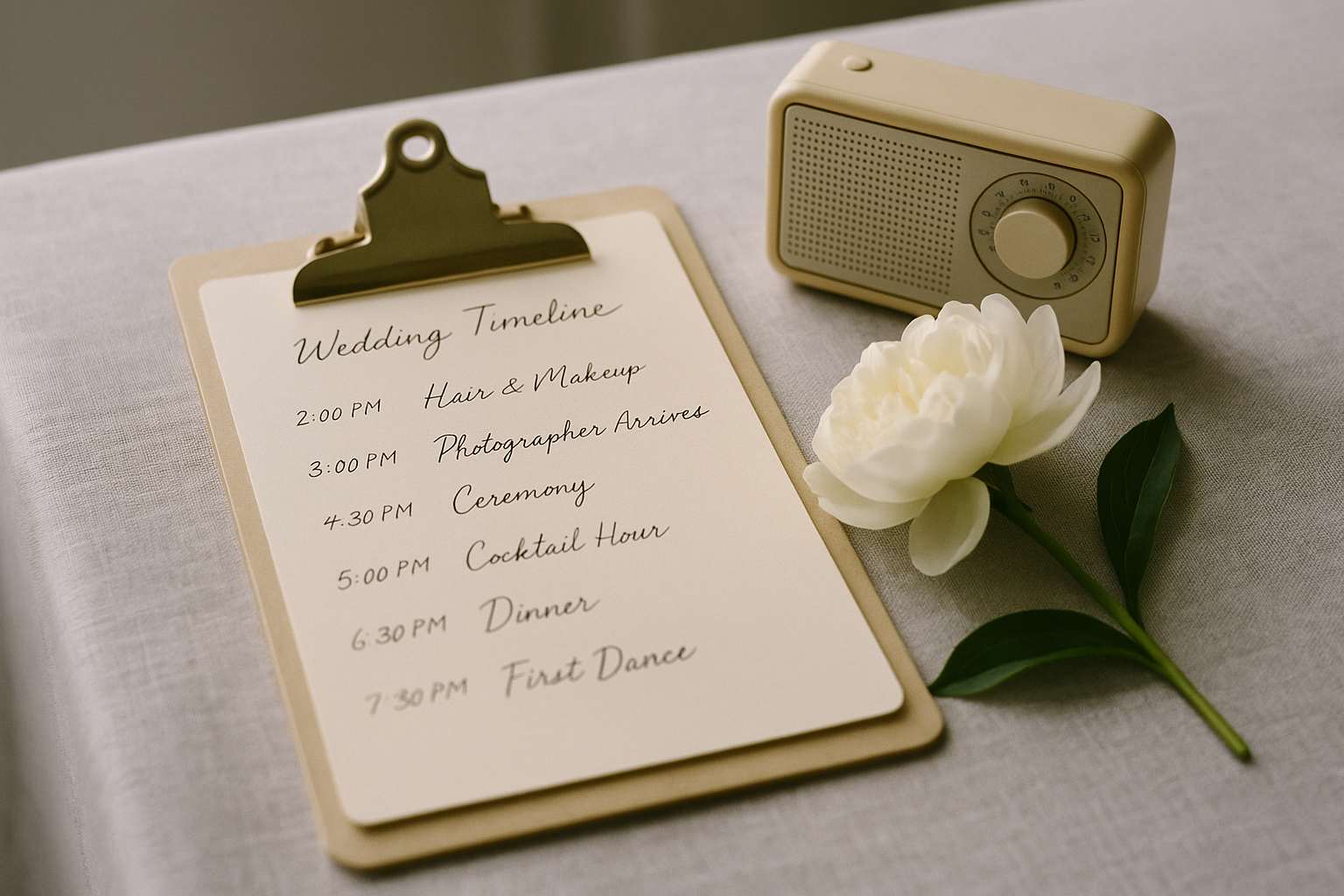
A wedding planner builds your wedding from the first conversation — budget, vendors, design, timeline. A wedding coordinator takes the wedding you have already planned and executes it flawlessly on the day. Which one you need depends entirely on where you are in the planning process when you hire them.
The confusion between these two roles — and the costly misunderstanding that a venue coordinator fills either of them — is among the most common sources of preventable wedding-day stress. Getting clear on exactly what each professional does, what they cost in 2026, and when to bring them in is the kind of planning decision that pays dividends in ways that are only fully visible on the wedding day itself.
The stakes are meaningful: The Knot's 2026 Real Weddings Study found that only 39% of couples stay within their original planned budget. A skilled planner negotiates out hidden fees, prevents cascade overtime events, and catches contract red flags before deposits are made. At the month-of coordination level, the average investment of $2,400 protects a $34,000 wedding day from the very real risks of timeline slippage, vendor miscommunication, and the misallocation of family goodwill.
What does each type of wedding professional actually do?
There are four distinct roles — not two — and understanding each one prevents the most common planning error:
Full-service wedding planner. Joins at or near engagement. Helps establish and manage the entire budget from scratch. Sources, vets, and contracts every vendor. Directs overall design aesthetic and ensures vendor choices are coherent. Serves as the couple's single point of contact for all 12–18 months of planning. Manages the rehearsal and executes the wedding day. Typical time investment: 200–400+ professional hours. Best for: couples starting from scratch, planning a destination or complex multi-day wedding, or carrying demanding careers with limited weekly bandwidth.
Partial or a la carte planner. Joins 3–6 months before the wedding after the couple has made major decisions. Fills specific gaps — vendor sourcing only, design direction only, budget tracking only, or any combination. Cost range: $2,500–$8,000, scaled to scope. Best for: organized brides who enjoy planning but need reinforcement on specific pressure points.
Month-of coordinator (also called wedding management). The most misunderstood and most undervalued professional in the wedding industry. Despite the 'day-of' label used by many, a real professional begins active engagement 4–8 weeks before the wedding — not 24 hours before. They receive and review all your signed vendor contracts; assume all vendor communication 4–6 weeks out; build the master production timeline; conduct the venue walkthrough; run the rehearsal; and manage every aspect of wedding-day execution from vendor arrivals to ceremony cueing to reception flow and end-of-night logistics. They do not source vendors, build your budget, or design your aesthetic — you have done that. Their job is to execute what you have built, perfectly. Best for: almost every couple who has completed their planning and wants a professional in charge on the day.
Venue coordinator. An employee of the venue, not the couple. See below.
What does a venue coordinator actually do — and what don't they do?
The most expensive misunderstanding in wedding planning: assuming the venue coordinator covers day-of coordination. It does not.
| Task | Venue Coordinator | Personal Coordinator |
|---|---|---|
| Manages in-house catering and bar staff | Yes — this is a primary responsibility | No (that is the venue's staff) |
| Ensures floor plan is set correctly | Yes | Verifies; coordinates with venue |
| Cues ceremony music and processional timing | No | Yes |
| Bustles dress, pins boutonnieres | No | Yes |
| Manages wedding party and family logistics | No | Yes |
| Coordinates off-site getting-ready or ceremony location | No | Yes |
| Follows up with outside vendors pre-wedding | No | Yes — 4–8 weeks of active vendor management |
| Works exclusively for the couple | No — works for the venue | Yes |
Venue coordinators at busy venues manage 50–200 weddings per year. They may be reassigned or replaced with no notice to the couple. Their relationship is with the property, not with you. They are a valuable and necessary operations partner — but they are designed to complement a personal coordinator, not to replace one.
What do wedding planners and coordinators cost in 2026?
Cost varies significantly by market, experience level, and scope. Elisabeth Kramer Wedding Consulting and Zola's pricing index provide useful 2025–2026 benchmarks:
| Service Type | National Average Range | Major Metro Premium | Engagement Start |
|---|---|---|---|
| Full-Service Planner | $5,000–$15,000 | $10,000–$25,000+ | At engagement; before venue |
| Partial / A La Carte Planner | $2,500–$8,000 | $4,000–$12,000 | 3–6 months before wedding |
| Month-of Coordinator | $1,500–$6,000 | $4,000–$8,000+ | Book 6–12 months out; active 4–8 weeks out |
| Venue Coordinator | Included with venue | Included with venue | Event day / venue operations only |
The Zola Wedding Cost Index places the national average for full-service planning at $4,047, with couples typically spending $3,200–$4,900 for standard services. Month-of coordination averages approximately $2,400 nationally. In New York City or San Francisco, both figures increase by 30–60%.
How do you choose between a full-service planner and a coordinator?
The cleanest decision framework: if you are starting from scratch — no venue booked, no vendors contracted, no design direction established — a full-service planner is likely the right choice. If you have made your major decisions and have solid vendor contracts in hand, month-of coordination is almost certainly sufficient.
A more honest test: can you genuinely commit 8–10 hours per week to planning for the next 12 months? If not — because of work, family, distance, or personal capacity — full-service planning is not a luxury. It is a practical tool for ensuring your wedding gets built the way you want it built, by someone whose full professional attention is on it daily.
The most important thing either professional will tell you: hire before you book your venue. A good planner has venue relationships, can access favorable dates, and will review every contract before you sign it. The most common client regret, heard repeatedly across the industry: "I wish I had found her six months earlier."
Frequently asked
What is the core difference between a wedding planner and a wedding coordinator?
A wedding planner is your creative partner and logistics architect from the beginning — they help you establish and manage the budget, select and vet every vendor, direct the overall design aesthetic, and manage the full planning process from engagement through the last dance. Full-service planners typically invest 200–400 professional hours over 12–18 months and touch every element of the wedding. A wedding coordinator — often called a month-of or day-of coordinator — steps in after you have already made your major planning decisions. They receive all your vendor contracts, review them for accuracy and potential conflicts, assume all vendor communication 4–8 weeks before the wedding, build the master production timeline, run the rehearsal, and execute the wedding day itself. The planner builds the machine; the coordinator runs it. Both roles are valuable — they are simply designed for different stages of the process.
How much does a wedding planner cost in 2026?
Full-service wedding planner fees in 2026 range from approximately $3,000–$8,000 in smaller and mid-size markets, $5,000–$15,000 as a national average, and $10,000–$25,000+ in major metropolitan markets including New York, Los Angeles, Chicago, and San Francisco. Luxury and destination wedding planners operate at $25,000–$100,000+. The Zola Wedding Cost Index places the national average at $4,047, with most couples spending $3,200–$4,900 for standard planning services. Planners who price as a percentage of total budget typically charge 8–15% of the overall wedding cost. Hourly rates for independent professionals who offer a la carte services run $75–$275 per hour.
How much does a month-of wedding coordinator cost?
Month-of (or 'wedding management') coordinator fees typically range from $1,500–$6,000, with most experienced professionals in mid-size markets charging $1,800–$3,500. Portfolio-building coordinators — newer professionals actively growing their client base — often charge $800–$1,800 and can provide exceptional value when properly vetted. Top-tier coordinators in major metropolitan markets charge $5,000–$8,000+. Industry data from the 2026 wedding season places the average spend on month-of coordination at approximately $2,400. The 'day-of' label is a misnomer: real professionals begin active engagement 4–8 weeks before the wedding — reviewing vendor contracts, building the production timeline, conducting a venue walkthrough, and coordinating the rehearsal — not simply the 24 hours before the event. When you see a quote for 'day-of coordination' priced below $800, ask precisely what it includes.
Does my venue coordinator cover my day-of coordination needs?
No — and this misunderstanding is one of the most expensive mistakes couples make. A venue coordinator is an employee of the venue, and their primary responsibility is the venue's operations: managing in-house catering and bar staff, ensuring the floor plan is set correctly, overseeing venue rules compliance, and orienting outside vendors when they arrive. They do not cue your ceremony music or manage your processional timing. They do not pin boutonnieres, bustle your dress, or handle any personal logistics. They do not coordinate anything happening off-site — the getting-ready location, an off-site ceremony venue, transportation arrivals. They do not follow up with your vendors in the days before the wedding. Venue coordinators also typically manage 50–200+ events per year and may be reassigned or replaced with no notice to you. They are a valuable operations partner — not a substitute for a personal coordinator who works exclusively for you.
Do I actually need a wedding planner or coordinator?
A full-service planner is genuinely worth the investment for couples who are starting from scratch with no venue or vendor relationships, who have demanding careers and cannot commit 8–10 hours per week to planning, or who are navigating a destination wedding, a multi-cultural or multi-faith ceremony, or a very large guest list with complex logistics. A month-of coordinator is worth the investment for nearly every couple — the average wedding involves 13 vendors whose work must be choreographed to a minute-by-minute timeline on a day when the bride should be present, not problem-solving. At $2,400 on average, month-of coordination is one of the most cost-effective investments available. The one case where professional coordination may not be strictly necessary: a genuinely small celebration of under 30 guests at an all-inclusive venue package with in-house staff. For anything more complex, a coordinator gives everyone in your life — including you — the gift of being a guest.
When should I hire a wedding planner or coordinator?
The best time to hire a full-service planner is before you book your venue — ideally within the first few weeks of engagement. A good planner has venue relationships that can unlock preferred dates and favorable contract terms, and they will catch red flags in vendor contracts before you sign them. The most common regret couples express is: 'I wish I had hired her six months earlier.' A month-of coordinator should be booked 6–12 months before the wedding, even though their active work does not begin until 4–8 weeks out. The most experienced coordinators fill their calendars well in advance; waiting until 90 days before the wedding significantly limits your options and may mean settling for a less experienced professional at a more pressured price point.
Can a friend or family member act as my wedding coordinator?
This is one of the most well-intentioned — and ultimately costly — decisions a couple can make. The person you assign to coordinate your wedding cannot be a guest at your wedding. They will spend the entire day managing vendor timelines, solving problems, and managing logistics while every other person you love is present with you. Many couples who went this route describe it, in retrospect, as one of their wedding regrets — not because the friend did a poor job, but because they lost a guest and created a debt of gratitude that can feel uneven. Month-of coordination at $1,500–$3,500 is the precise solution to this problem: it gives your people the gift of being fully present, while ensuring the day is managed by a professional whose sole job is flawless execution.