Wedding Planning
Weekday Wedding: What Every Couple Should Know
For the first time in recorded U.S. data, fewer than half of all 2025 weddings happened on a Saturday. A weekday or Sunday wedding can save 20 to 50 percent — but the tradeoffs are real and worth understanding before you commit.
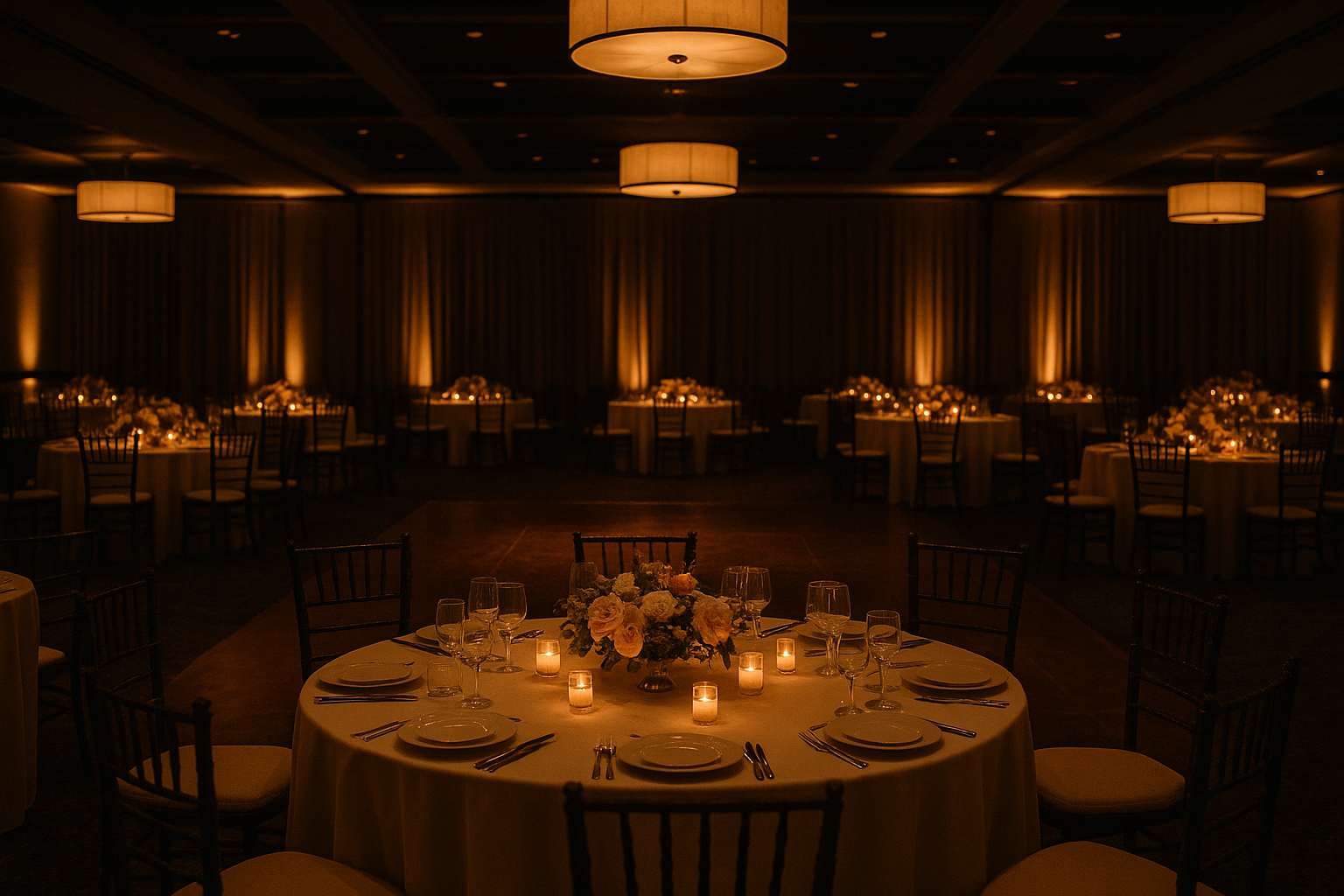
A weekday or Sunday wedding realistically saves 20 to 50 percent on venue costs and meaningfully improves access to photographers, florists, and vendors who are fully booked on Saturdays. The primary tradeoff is guest attendance — primarily for out-of-town guests who must take additional days off work. For a primarily local guest list, a Friday evening wedding with eight-plus months notice typically yields strong attendance at a substantially reduced cost.
Saturday weddings are no longer the default they once were. For the first time in recorded U.S. wedding data, fewer than 50 percent of 2025 weddings occurred on a Saturday — down from 68 percent in 1995 — reflecting a meaningful shift in how couples think about the relationship between their wedding date and their wedding budget.
A weekday or Sunday wedding is not a compromise. It is a deliberate, financially intelligent choice that opens access to venues, vendors, and a quality of celebration that peak Saturday demand often prices out of reach. Understanding the tradeoffs honestly — and communicating your choice with grace — is what makes the decision work.
What does a weekday or off-peak day actually save?
The savings are real and quantifiable. Venue discounts for weekday bookings are built into the industry's revenue structure, because venues must fill their calendar across seven days and they price accordingly.
| Day | Typical Venue Savings | Photographer Savings | Overall Tone |
|---|---|---|---|
| Sunday | 10 to 30% | 10 to 20% | Relaxed; brunch or afternoon format works beautifully |
| Friday evening | 15 to 25% | 10 to 20% | Weekend energy; most guests available; the strongest weekday choice |
| Thursday evening | 25 to 40% | 15 to 25% | Fastest-growing weekday option; pairs naturally with a long weekend |
| Tuesday or Wednesday | 40 to 60% | 20 to 30% | Maximum savings; smallest natural guest pool |
Beyond venue savings, shifting to a weekday date delivers a second benefit that is often more valuable: access to top vendors who are booked solid on Saturdays. The most sought-after photographers in any major market fill their Saturday calendar 12 to 18 months out. Their Friday and Thursday calendars are considerably more open. A weekday date is often your best path to the vendor team you actually want, rather than who is still available at the budget you have.
According to The Knot's weekday wedding planning guide, venue savings on weekdays can range from 20 to 50 percent depending on the market and the specific venue. In major metropolitan markets — New York, San Francisco, Chicago — where Saturday premium pricing is steepest, weekday savings are proportionally the most dramatic.
What are the real tradeoffs of a weekday wedding?
The financial case for a weekday wedding is strong. The honest case requires acknowledging its genuine challenges.
Guest attendance: This is the primary consideration, and it deserves honest evaluation before you commit. Local guests — those within a two-hour drive — will generally attend a Friday or Thursday evening with sufficient notice. Out-of-town guests who must book travel and take multiple days off work face a more meaningful barrier. For a wedding where a significant portion of your most important guests live far away, a Thursday date may reduce attendance in ways you will genuinely regret.
Earlier natural end times: Guests who work the following day will need to leave at a reasonable hour. Friday weddings can run as late as a Saturday — guests simply sleep slightly shorter. Thursday weddings should plan for a 10 or 10:30 p.m. conclusion; a late-night celebration until midnight will thin the room by 9 p.m.
Some venues are weekend-only: Not every venue offers weekday bookings. Highly in-demand or privately operated venues may restrict their calendar to weekends. Ask early in your venue search whether weekday events are possible and whether there are any restrictions on late-night timing or vendor access.
How do you make a weekday wedding work beautifully?
The couples who execute weekday weddings most successfully treat the non-Saturday date as a feature of the celebration rather than a footnote. Three specific strategies consistently deliver the best results:
Give maximum notice. Send save-the-dates eight to ten months in advance for a weekday wedding — or twelve months for out-of-town-heavy guest lists. Early notice is not just considerate; it is the practical factor that most determines whether guests can make it work. Flights are cheaper when booked early. Time-off requests are more likely to be approved with long lead times. Hotel room blocks at negotiated rates have cut-off dates that guests need several months to leverage.
Consider multi-event framing. A Thursday wedding that includes a welcome dinner Wednesday evening and a farewell brunch Friday morning becomes a long-weekend experience — particularly for out-of-town guests who have already committed travel time and days off. This framing genuinely changes the experience from attending a Thursday wedding to enjoying a wonderful three-day celebration with people they love. Multi-event weekday weddings are one of the strongest-growing wedding formats in 2025 and 2026.
Redirect the savings with intention. The financial benefit of a weekday date is most meaningful when it flows toward the elements that matter most. A couple saving $6,000 to $10,000 on venue costs by choosing Friday over Saturday has the resources to invest in a photographer they truly love, a florist whose work takes their breath away, or a menu that genuinely reflects their taste. The saving is not its own goal — it is a means to a more intentional, values-driven celebration.
A weekday wedding done well is not a compromise version of a Saturday wedding. It is a different, often more personal, more financially considered, and frequently more intimate experience — available to every couple willing to think honestly about what the calendar choice makes possible.
Frequently asked
How much can you realistically save with a weekday wedding?
The savings are real and documented. Most wedding venues offer 20 to 50 percent reductions for weekday bookings compared to Saturday rates, and many photographers, florists, and DJs follow a similar structure. A Friday evening wedding typically saves 15 to 25 percent versus a Saturday at the same venue. Sunday afternoons often yield 20 to 30 percent savings. Monday through Thursday weddings deliver the deepest discounts — some venues offer 40 to 60 percent off their Saturday rate for a Tuesday or Wednesday booking — though those days present the most guest attendance challenges. For a $35,000 Saturday wedding, shifting to a Thursday could realistically reduce the venue alone by $5,000 to $10,000 in many markets. In 2025, for the first time in recorded U.S. wedding data, fewer than 50 percent of weddings occurred on a Saturday, reflecting exactly this financial pressure driving couples toward off-peak dates.
Will guests actually attend a weekday wedding?
Most guests who are local — within a one-to-two-hour drive — will attend a Thursday or Friday evening wedding if given adequate notice. The genuine challenge is out-of-town guests who would need to take multiple days off work and book travel. A Friday wedding means guests arriving Thursday and departing Saturday, which represents two work days. A Thursday wedding typically requires three days off for out-of-town attendees. For a wedding with a large percentage of out-of-town guests, the attendance impact of a weekday date is real and should be factored honestly into the decision. For a primarily local guest list, a Friday or Thursday evening with six-plus months notice consistently yields strong attendance. Evening start times — 6 p.m. or 7 p.m. — accommodate guests coming from work and should always be the default for weekday weddings.
Which weekday is best for a wedding — Thursday, Friday, or Sunday?
Friday is the sweet spot for most couples: it delivers meaningful savings (15 to 25 percent in most markets), preserves a genuine weekend-feel energy for guests, and out-of-town guests only need one additional day off beyond the weekend. Thursday is a growing choice — it was the fastest-growing weekday wedding day in 2025, with some markets showing 11 percent year-over-year growth — partly because guests can roll into a long weekend and treat the trip as a mini-vacation. Sunday delivers some of the deepest discounts (often comparable to Thursday) while keeping the Friday and Saturday nights available for pre-wedding travel and events. Sunday brunch or early-afternoon receptions naturally contain alcohol spend and end at a reasonable hour, which suits families and guests with longer drives. Tuesday and Wednesday carry the largest savings but the smallest natural guest pool.
Do vendors charge less for weekday weddings?
Most do, though the amount varies by vendor category. Venues almost universally price weekdays lower than Saturdays — the discount is built into their revenue model. Photographers and videographers typically discount weekday bookings 10 to 20 percent, and many have open calendars that weekday couples can leverage to access photographers who are otherwise booked 18 months out on Saturdays. Florists and caterers usually offer more flexible pricing on weekdays and may be able to give you more time and attention since they are not managing back-to-back events. DJs and bands typically follow the venue pricing model. One important exception: some service providers — particularly highly sought-after photographers and popular vendors — may not discount at all if their reputation creates enough demand to fill weekdays anyway. Always ask directly whether there is a difference in pricing for weekday or Sunday bookings. The answer tells you where your negotiating leverage lies.
How do I communicate a weekday wedding date to guests?
Transparency and timing are everything. Send save-the-dates further in advance for a weekday wedding than you would for a Saturday — eight to ten months ahead is advisable, with destination or peak-travel-season events warranting twelve months. On the save-the-date, simply include the day of week prominently: Friday, October 16, 2026. No apology or extended explanation is needed or appropriate; clear, early notice is the complete communication. On your wedding website FAQ page, acknowledge the weekday date warmly. For guests you know will need to travel, a personal phone call or note in advance of the save-the-dates demonstrates care and allows them to start planning early. Couples who communicate a weekday date warmly and with confidence almost universally report that guests follow their lead and receive it well.
Is a weekday wedding less formal or less special than a Saturday wedding?
Not at all. The day of the week has no bearing on the beauty, significance, or formality of a wedding celebration. Many of the most elegant and personal weddings of recent years have been held on Fridays, Thursdays, and Sundays — including at some of the most sought-after venues in the country, which are available to weekday couples precisely because demand is lower. What makes a wedding special is the intention behind it, the quality of the people in the room, and the care with which every detail has been considered. A candlelit Friday evening in a venue you love, surrounded by the people who matter most, is every bit the celebration that a Saturday in a ballroom you settled for can be. The financial savings from a weekday choice can also be redirected toward the details that genuinely matter — a photographer you adore, a menu that truly reflects your taste, flowers that take your breath away.
Should we plan additional events around a weekday wedding?
For out-of-town guests especially, building a fuller weekend experience around a Thursday or Friday wedding dramatically increases attendance and satisfaction. A welcome dinner or cocktail party the evening before gives traveling guests an activity on their first night and creates the social warm-up that weekend weddings accomplish naturally. A farewell brunch or morning-after gathering the following day rounds out the trip and gives out-of-town guests a reason to stay — and a reason to take one more day off rather than rushing home. This multi-event framework is increasingly popular for weekday weddings and destination celebrations alike. It shifts the experience from attending a Wednesday wedding to a wonderful long weekend with close friends and family — and that reframe is entirely genuine for guests who make the trip.