Wedding Planning
Winter Wedding Planning: The Complete 2026 Guide
Winter is the season most couples overlook — and the one with the most to offer. Lower prices, more available vendors, and a visual palette that is romantic in ways summer simply cannot match. Here is how to plan it beautifully.
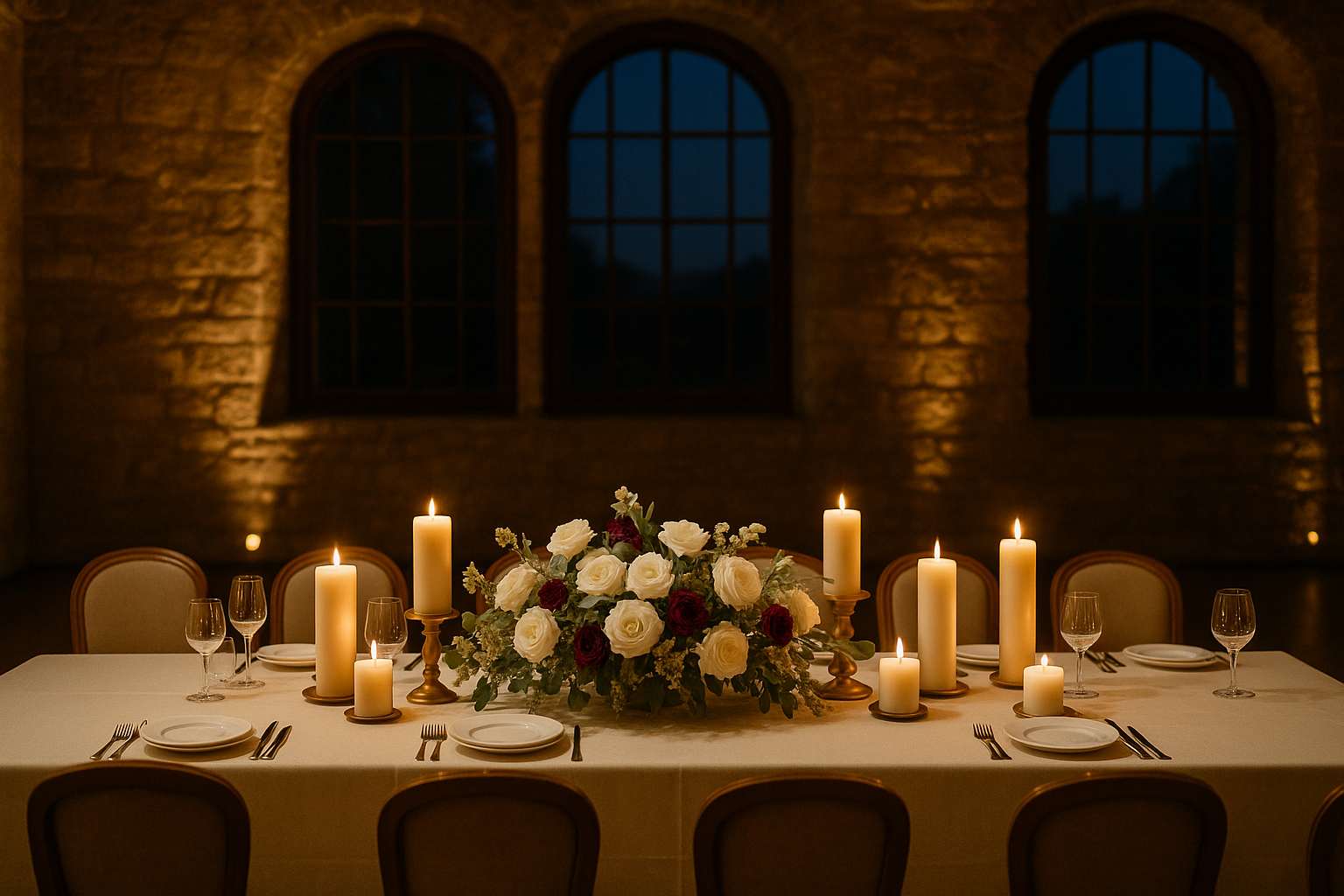
Winter weddings offer venue savings of 20–50% off peak rates, better vendor availability, and a romantic visual palette that summer cannot replicate. The practical trade-offs — guest travel logistics, shorter portrait windows, heating costs — are manageable with early planning. January and February deliver the deepest savings; December holiday weekends are the exception, not the rule.
Why do more couples choose winter weddings every year?
The old idea that a winter wedding means a compromised wedding is dissolving. In 2024, only about 24% of U.S. weddings occurred between November and April — but those couples consistently report some of the most personalized, intimate, and budget-friendly celebrations in the industry. The stigma has not fully disappeared, but it is being quietly dismantled by couples who discover that their top-choice venue suddenly has availability, their favorite photographer can actually take their calls, and their catering quote came in $8,000 below what a June date would have cost.
The Knot's 2025 Real Weddings Study confirms that October remains the most popular wedding month in the U.S., capturing approximately 17% of all weddings, while January and February each represent just 2–3%. That imbalance is precisely why winter offers such pricing leverage: vendors are not competing for clients and venues are not turning away bookings. According to Great Event's 2026 wedding cost analysis, Friday and Sunday winter weddings can come in 20–40% below a peak Saturday in the same market, with venue discounts accounting for the largest portion of that difference.
What do winter weddings actually cost compared to peak season?
The savings are real, though the specific numbers depend on your market, vendor category, and which winter months you are considering. Here is an honest picture of what to expect:
| Cost Category | Peak Saturday (May–Oct) | Winter Weekday or Sunday | Typical Savings |
|---|---|---|---|
| Venue rental | $8,000–$15,000+ | $4,000–$10,000 | 20–50% |
| Photography | $4,000–$8,000 | $3,000–$6,500 | 10–25% |
| Catering (per head) | $120–$200+ | $100–$170 | 10–20% |
| Florals | $4,000–$8,000 | $3,200–$7,000 | 10–20% (seasonal blooms) |
| DJ or band | $2,500–$8,000 | $2,000–$7,000 | 10–20% |
| Additional heating (outdoor/tent) | Minimal | $1,500–$8,000 | Added cost |
Important caveat: December holiday weekends — Christmas week and New Year's Eve in particular — are exceptions to winter pricing patterns. Hotel ballrooms and event venues that host corporate parties, holiday galas, and New Year's events command premium pricing during those windows. The deepest winter savings are in January and February, months that most couples skip precisely because they have not considered how beautiful an early-year celebration can be.
What florals and decor work best for a winter wedding?
Winter's floral palette rewards couples who work with the season rather than against it. Attempting to replicate a summer garden wedding in February — with peonies sourced from South America and garden dahlias imported at premium cost — is both expensive and often visually incongruous. Working with what winter genuinely offers produces a far more cohesive aesthetic at a fraction of the cost.
The best winter blooms available in the U.S. from November through March include white and blush garden roses (available year-round but most cost-effective in cooler months), ranunculus in cream, blush, and deep burgundy, anemones with their striking dark centers, hellebores with muted mauve and plum tones, carnations in white and burgundy, and chrysanthemums. For texture and foliage, according to Whole Blossoms's seasonal guide, seeded eucalyptus, cedar branches, pine cones, hypericum berries, dusty miller, and curly willow are all both beautiful and affordable — and they give arrangements a depth and visual richness that summer flowers rarely achieve on their own.
Color palettes that read beautifully in winter's lower-contrast, warm-interior light: ivory and deep burgundy; cream and plum with gold accents; white and dusty sage; champagne and pale blush; all-white with metallic detail. The 2026 trend according to Banquets of Minnesota's 2026 trend guide is seasonal fluidity — coupling winter's rich jewel tones with soft spring-adjacent pastels, creating an arrangement that feels warm and romantic rather than strictly wintry or holiday-adjacent.
Candlelight does more work in a winter wedding than at any other time of year. Tall taper candles at every table, votives along ceremony aisles, and large pillar candles grouped in centerpieces create a warmth and intimacy that no floral arrangement alone can achieve. Work with your venue coordinator on open-flame policies — some spaces require flameless LED candles — and invest the majority of your decor budget in candlelight and florals before anything else.
What practical logistics does a winter wedding require?
Winter weddings work beautifully when the practical details are handled early. The four areas that require specific attention beyond the standard planning checklist:
Guest travel and weather contingency. Communicate clearly and early. Your wedding website should address accommodation options, transportation between the ceremony and reception, and — if weather risk is real in your region — a brief note on the contingency communication process ("if conditions require a timing adjustment, we will text all guests by 10 a.m. that morning"). Book a hotel room block within two miles of your venue; winter guests will thank you for the proximity.
Heating for outdoor and tented elements. A covered cocktail hour on a beautiful January evening is entirely achievable with propane patio heaters, which typically rent for $75–$200 per unit. Fully heated tent structures for a reception cost more: $2,500–$8,000 depending on size, HVAC equipment, and insulation. Confirm heating capacity with your rental company and your venue, and have a clear indoor fallback option identified in your contract.
Photography and portrait timing. Golden hour in December and January arrives at 4:00–4:30 p.m. in most of the U.S. and ends within thirty to forty-five minutes. A ceremony that starts at 3:30 p.m. may have just enough outdoor light for portraits before the ceremony itself ends; a 5 p.m. ceremony means all portraits are done in darkness or interior light. Review NOAA historical sunset data for your venue's location and target date, and discuss the portrait timeline explicitly with your photographer at booking — not two weeks before the wedding.
Guest attire communication. A brief dress code note in the invitation or on your wedding website that acknowledges winter conditions is a genuine kindness: "Black tie; outdoor cocktail hour — wraps and coats are welcome and will be checked" tells guests everything they need to decide what to wear. Guests who arrive at a January outdoor ceremony in a sleeveless cocktail dress because no one mentioned the cold will remember the experience for the wrong reasons.
Frequently asked
How much can you really save with a winter wedding?
The savings are real and significant, but the exact amount depends heavily on your local market and the specific vendors you book. Venue discounts of 20–50% off peak Saturday pricing are well-documented for winter weekday and Sunday bookings in most U.S. markets. Photographers and videographers who are fully booked eighteen months out for peak-season Saturdays frequently have meaningful winter availability and may offer lower rates or more flexible packages. Caterers working fewer events have more attentive staffing. The national average wedding cost in 2026 is approximately $34,000–$36,000; winter weddings on weekdays or Sundays in the same markets often come in $8,000–$15,000 lower, sometimes more. The primary caveat: December holiday weekends (Christmas week, New Year's Eve) are exceptions — venue and entertainment pricing spikes sharply during those windows. The deepest savings are in January, February, and early March.
What are the best flowers for a winter wedding?
Winter offers a surprisingly rich floral palette when you work with what is genuinely in season rather than importing out-of-season blooms at premium cost. White and blush garden roses, ranunculus, anemones (especially in deep burgundy and white), hellebores, carnations, chrysanthemums, and dusty miller are all beautiful and seasonally available. Foliage and texture accents — seeded eucalyptus, cedar branches, pine cones, hypericum berries, and curly willow — are winter's great gift to floral designers: they add visual weight, texture, and depth at a fraction of the cost of specialty flowers. Color palettes that read beautifully in winter light include ivory and deep burgundy, cream and plum, white and dusty sage, and champagne with warm gold accents. Avoid placing any arrangements near heaters — the warmth accelerates wilting significantly.
What logistics do winter weddings require that other seasons do not?
Winter weddings require thoughtful planning around four practical realities that summer couples rarely face. First, guest travel: flights and driving in January and February carry real weather-risk in much of the country, and your invitations and wedding website should communicate contingency plans, hotel proximity, and transportation options more explicitly than a summer event would. Second, heating: outdoor ceremonies and tented receptions in winter require climate control — patio heaters for cocktail areas, climate systems for tents — which adds $1,500–$8,000 depending on scale. Third, guest attire: a dress code note on the invitation that addresses the cold ("black tie with winter wraps welcomed" or "outdoor cocktail hour — please dress warmly") is a practical kindness guests deeply appreciate. Fourth, photography: winter light is beautiful but brief — golden hour arrives earlier and ends sooner, and outdoor portrait windows in December and January may be as short as forty-five minutes. Coordinate the photo timeline carefully with your photographer at the time of booking.
When should vendors be booked for a winter wedding?
The winter booking calendar is more forgiving than peak season, but that flexibility is not unlimited. Venues with strong winter wedding programs — particularly hotel ballrooms, historic estate properties, and vineyard tasting rooms — still fill their most desirable Friday and Saturday dates 10–14 months in advance. January and February dates generally have better availability than November and December, which attract both wedding bookings and holiday-season corporate events. Photographers and videographers who are widely booked for peak Saturdays often have winter availability 8–12 months out. The most important insight: do not assume winter availability means you can plan on a compressed timeline. The advantage of winter is pricing and flexibility — not permission to book vendors three months out. Start the venue search ten to twelve months before your target winter date, and proceed on the same general timeline you would use for any other season.
What are the most important things to include on a winter wedding checklist?
A winter wedding checklist should include several items that are less critical in other seasons. Confirm weather contingency plans in writing with your venue: what is the protocol if roads are unsafe for guests, if the photographer cannot reach the venue, if an outdoor element must be moved indoors? Verify that your venue has adequate indoor heating capacity for your guest count — a ballroom that seats 150 comfortably in summer may struggle to heat quickly if guests arrive cold from an outdoor ceremony. Book a hotel room block early: winter guests will almost certainly want accommodation close to the venue rather than driving home in uncertain conditions. Check your local NOAA historical climate data for your target wedding weekend: average snowfall, average lows, and average probability of ice are all available by week and help you make an informed venue and logistics decision rather than hoping for the best.