Reception & Parties
Bridal Shower Planning Timeline: Your Week-by-Week Guide
From the first co-host conversation to the final thank-you note, here is the complete 12-week bridal shower planning timeline every maid of honor needs — with real costs, key deadlines, and the decisions that matter most.
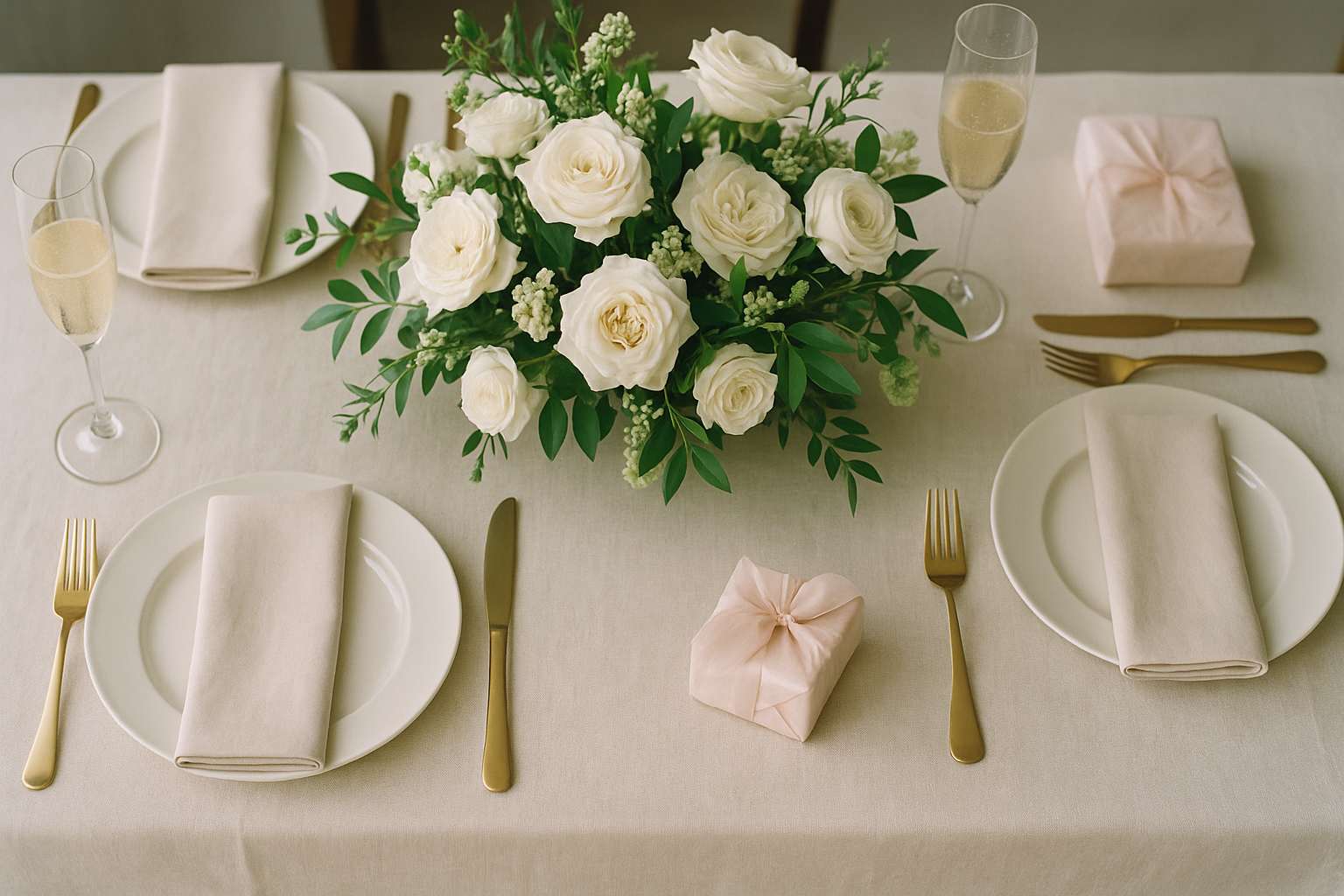
A well-executed bridal shower requires roughly 10 to 12 weeks of lead time, a budget conversation among co-hosts before any vendor is contacted, and a guest list cross-checked against the wedding invite list. Most showers host 20 to 30 guests and cost between $500 and $1,500 in 2026, with at-home options running considerably less.
The bridal shower occupies a singular place in the pre-wedding calendar. Unlike the bachelorette party, which belongs to the bride and her closest friends alone, the shower is multigenerational, communal, and anchored in something older and more tender: the tradition of a community gathering to celebrate and equip a woman entering marriage. Grandmothers and college roommates sit at the same table. Future mothers-in-law meet childhood best friends. When it is done well, it is one of the most genuinely cherished memories of the entire engagement.
Done carelessly, it is a source of preventable stress for everyone involved. This guide walks hosts — whether that is the maid of honor, a group of bridesmaids, or a combination of family and friends — through every phase of planning, from the first conversation to the final thank-you note sent on behalf of the bride.
What should hosts do first when planning a bridal shower?
The single most important first step is a conversation among potential co-hosts about budget — not venue, not theme, not date. Budget determines everything else, and decisions made before the budget conversation creates ongoing resentment when the bills arrive. According to The Knot's bridal shower guidance, the order of operations should be: confirm who is hosting, establish a per-person budget ceiling together, then begin making creative decisions within that ceiling.
The second conversation is with the bride. Before a single vendor is contacted, hosts should know: Does the bride want a shower at all? (Some brides — particularly those planning very intimate weddings or second marriages — genuinely prefer not to have one.) Are there dates that conflict with vendor appointments or family travel? Does she have preferences about the scale, theme, or guest list? Her input at the start saves many revisions later.
| Weeks Before Shower | Primary Tasks | Cost Items to Address |
|---|---|---|
| 10–12 weeks | Confirm hosts; establish budget; set date with bride; begin venue search | Venue deposit, if any; budget split among co-hosts |
| 8–10 weeks | Book venue; finalize guest list with bride; choose theme; order or design invitations | Invitation design and printing ($0–$200); custom invitations via Paperlust or similar |
| 6–8 weeks | Send invitations; confirm dietary restrictions on RSVP; set up wedding website registry link | Postage; digital invitation platforms (Paperless Post, Zola) $0–$30 |
| 4–6 weeks | Plan menu; book caterer or assign food prep; shop decor; plan games and prizes | Catering deposit; decor ($75–$500); cake or dessert order ($50–$300) |
| 2–4 weeks | Confirm RSVP final count; finalize caterer headcount; purchase game prizes | Final catering balance; prizes ($20–$100); favors ($3–$15/guest) |
| 1 week | Confirm all vendors; prep decorations; finalize run-of-show; assign day-of roles | Any remaining vendor balances |
| Day before | Prep food that can be made ahead; decorate if venue is accessible | Flowers ($50–$200 if DIY arranging) |
| Day of | Arrive 60–90 minutes early; set up; greet guests; designate gift recorder | Day-of incidentals; gratuity for any service staff |
| Within 2 weeks after | Provide bride with complete gift-and-giver list; bride sends thank-you notes | Bride's thank-you stationery |
What bridal shower themes are working best in 2026?
Themes serve a practical function: they make every other decision easier. When you have committed to a garden party aesthetic, the invitations, tablecloths, flowers, and menu all follow with minimal debate. Without a theme, every creative decision requires its own conversation.
The timeless classics endure because they are universally accessible. A garden party, a brunch and bubbly gathering, or an afternoon tea works across all age ranges, all guest configurations, and almost all budgets. These themes age beautifully in photographs.
Among 2026's strongest trends, the coquette or bow aesthetic — soft pinks, ribbons woven into every detail, pearl accents, cream and ivory tones — has shown remarkable staying power. The Italian summer or Mediterranean gathering (Aperol spritz station, terracotta tones, limoncello favors, rustic antipasti) is one of the fastest-growing choices among brides in their late twenties and early thirties. The old money or pearls aesthetic — ivory and champagne palette, classical white florals, refined without stiffness — resonates with traditional-values brides who want elegance rather than trend.
The strongest macro trend of 2026 is experience-led formats: rather than standard party games, the shower is built around a shared activity. A flower-arranging workshop, a jewelry-making or permanent bracelet station, a candle-blending bar, or a perfume workshop each doubles as both entertainment and take-home favor, reducing the need for separate prizes and creating a more genuinely memorable afternoon than any bingo card could.
How do hosts manage the budget and split costs fairly?
Budget management begins with a ceiling, not a venue. Before any vendor is contacted or any venue is toured, co-hosts should agree on a total budget and a per-person cost maximum. Once those parameters are established, all creative decisions flow within them rather than expanding to fill whatever seems available.
The national average for a mid-range bridal shower in 2026 runs $500 to $1,500 for 20 to 30 guests. An intimate at-home gathering can be executed beautifully for $150 to $500. Upscale events in major metropolitan areas routinely reach $2,000 to $3,500. The largest cost categories, in order, are venue rental, food and catering, florals, and printed invitations.
When bridesmaids are splitting costs evenly, a common model has each contributing $50 to $150 depending on the event's scale — with the maid of honor often taking the lead on coordination and managing the shared budget. The most common financial mistake in co-hosted showers is allowing decisions to be made before financial parameters are agreed upon. A co-host who books a private dining room for twelve without first establishing whether the group is budgeting $50 or $150 per person creates a problem that is genuinely difficult to walk back.
A practical tip from experienced hosts: establish the total budget and per-person ceiling before any venue is discussed, then tour venues only within that pre-agreed range. Creative decisions made within a known ceiling tend to produce better outcomes — and far better relationships among co-hosts — than decisions made first and reconciled financially later.
What are the most important etiquette rules hosts must know?
The guest list carries the most consequential etiquette rule of the entire event: never invite anyone to the bridal shower who is not also invited to the wedding. Shower guests are expected to bring a gift; inviting someone to a gift-giving occasion without the wedding invitation is a social misstep serious enough to damage relationships. Cross-check every name on the shower list against the confirmed wedding guest list before invitations are addressed.
Multiple showers — one in each hometown, one at the office, one hosted by the church women's ministry — are entirely acceptable and increasingly common. The rule governing them: do not invite the same guests to more than one shower. Each gathering should have its own largely distinct guest list. The bridal party and immediate family are the one acceptable exception; they are expected to appear at all of them.
The registry information should be active before invitations go out. In formal settings traditional etiquette places registry details on an enclosure card rather than the invitation itself, but a simple and clearly worded enclosure — "Registered at Zola and Williams Sonoma" — is universally accepted. In 2026 most digital invitations handle registry links elegantly within the event page itself.
Thank-you notes belong to the bride and must be sent within two weeks of the shower. They should be handwritten and specific. The host's most important post-shower task is providing the bride with a complete gift-and-giver list — every gift paired with its giver's name — recorded by a designated person during gift-opening. Without this list, the thank-you process stalls.
Frequently asked
When is the best time to hold a bridal shower?
The ideal window for a bridal shower is two to six weeks before the wedding, with eight to twelve weeks before the date being the sweet spot for many couples with out-of-town guests. Earlier than four months out and the excitement loses its connection to the approaching wedding; later than three weeks before and the bride is overwhelmed with final fitting appointments, rehearsal preparations, and vendor confirmations. For destination brides, a local shower can be held at any reasonable point in the final three to four months of the engagement. If multiple showers are planned — one in each hometown, for instance — space them at least three to four weeks apart to allow guests adequate financial and logistical breathing room.
Who is responsible for hosting and paying for a bridal shower?
Traditionally the maid of honor plans and funds the bridal shower, often sharing costs with the rest of the bridesmaids. Modern etiquette has expanded considerably: the bride's mother, future mother-in-law, close aunts, sisters, or family friends may also co-host, and the costs are typically divided among all hosts. The critical rule is that hosting responsibility is agreed upon early — before any decisions are made — with a per-person budget ceiling established among co-hosts before venue or theme discussions begin. The bride herself should not contribute financially to her own shower; the event is a gift from the hosting community. Typical co-host contributions range from $50 to $150 per bridesmaid depending on the scale and location of the event.
How much does a bridal shower cost to host in 2026?
Bridal shower costs in 2026 fall into three general tiers. An intimate at-home or backyard shower for 10 to 15 guests typically runs $150 to $500 total, or $15 to $35 per person. A mid-range event at a restaurant private room or rented event space for 20 to 30 guests typically costs $500 to $1,500, or $25 to $75 per person. An upscale luncheon or curated venue experience for a similar guest count runs $1,500 to $3,500 or more, with per-person costs reaching $75 to $150 in major metro areas. The largest cost drivers are venue rental, food and catering, florals, and printed invitations. In cities like New York, Los Angeles, and San Francisco, costs run 30 to 50 percent higher than the national averages above.
What is the proper bridal shower guest list etiquette?
The single most important bridal shower guest list rule is one that admits no exceptions: never invite anyone to the shower who is not also invited to the wedding. Shower guests are expected to bring a gift; inviting someone to a gift-giving occasion without extending them a wedding invitation is widely regarded as presumptuous and unkind. The typical shower hosts 20 to 30 guests, with the core list drawn from the bridal party, both families' immediate members, close friends, and select family friends. When planning multiple showers — one for each geographic community the couple belongs to — do not invite the same guests to more than one shower, as this implicitly pressures them to give multiple gifts. The only acceptable exception is the bridal party and immediate family, who are expected to attend all showers.
What are the most popular bridal shower themes for 2026?
In 2026 the bridal shower theme landscape has two distinct tiers: timeless classics and emerging trends. The garden party, brunch and bubbly, and afternoon tea remain consistently beloved across all regions and guest age ranges because they are universally accessible and visually warm. Among newer trends, the coquette and bow aesthetic — soft pinks, ribbons on everything, pearl accents — has shown remarkable staying power entering 2026. The Italian summer or Mediterranean theme (Aperol spritz stations, terracotta accents, limoncello favors) is one of the fastest-growing choices. Old money or pearls gatherings — ivory and champagne palette, classical florals — appeal to traditional-values brides who want refinement without stiffness. Experience-led formats, where guests participate in a flower-arranging workshop or jewelry-making station rather than passive games, represent the strongest macro trend of the season.
How many bridal shower games should we plan?
Two to four games is the right range for a standard three-hour bridal shower. Any fewer and the event may feel structurally thin during the gift-opening lull; any more and guests begin to feel herded through an agenda rather than gathered to celebrate the bride. A well-balanced game lineup includes one high-energy or interactive game that runs during cocktail arrival, one quieter sentimental activity such as advice cards or a recipe exchange, and one passive game that runs throughout the entire shower such as the ring game or bridal bingo. Avoid games that require obscure knowledge of the couple, that embarrass guests, or that run longer than fifteen to twenty minutes. Experience activities — flower arranging, bracelet-making — function as both entertainment and take-home favor, eliminating the need for separate prizes.
When should the bride send thank-you notes after the shower?
Bridal shower thank-you notes are the bride's responsibility, and they should be sent within two weeks of the shower — not after the wedding. Waiting to combine shower and wedding thank-you notes in a single post-wedding batch is a breach of etiquette. Each note should be handwritten, specific about the gift received, and warmly personal; a generic note feels perfunctory and is noticed. The host's most important post-shower task is to provide the bride with a complete, accurate list of every gift and the name of the guest who gave it, recorded during gift-opening. Without this list the thank-you process breaks down entirely. For a shower of 25 guests, a bride writing two notes per day will complete the task within two weeks without feeling overwhelmed.