Reception & Parties
First Dance Before or After Dinner: What Every Couple Should Know
There is no universally correct answer — but there is a right answer for your specific wedding, your energy levels, and the kind of evening you want to create. Here is exactly how to decide.
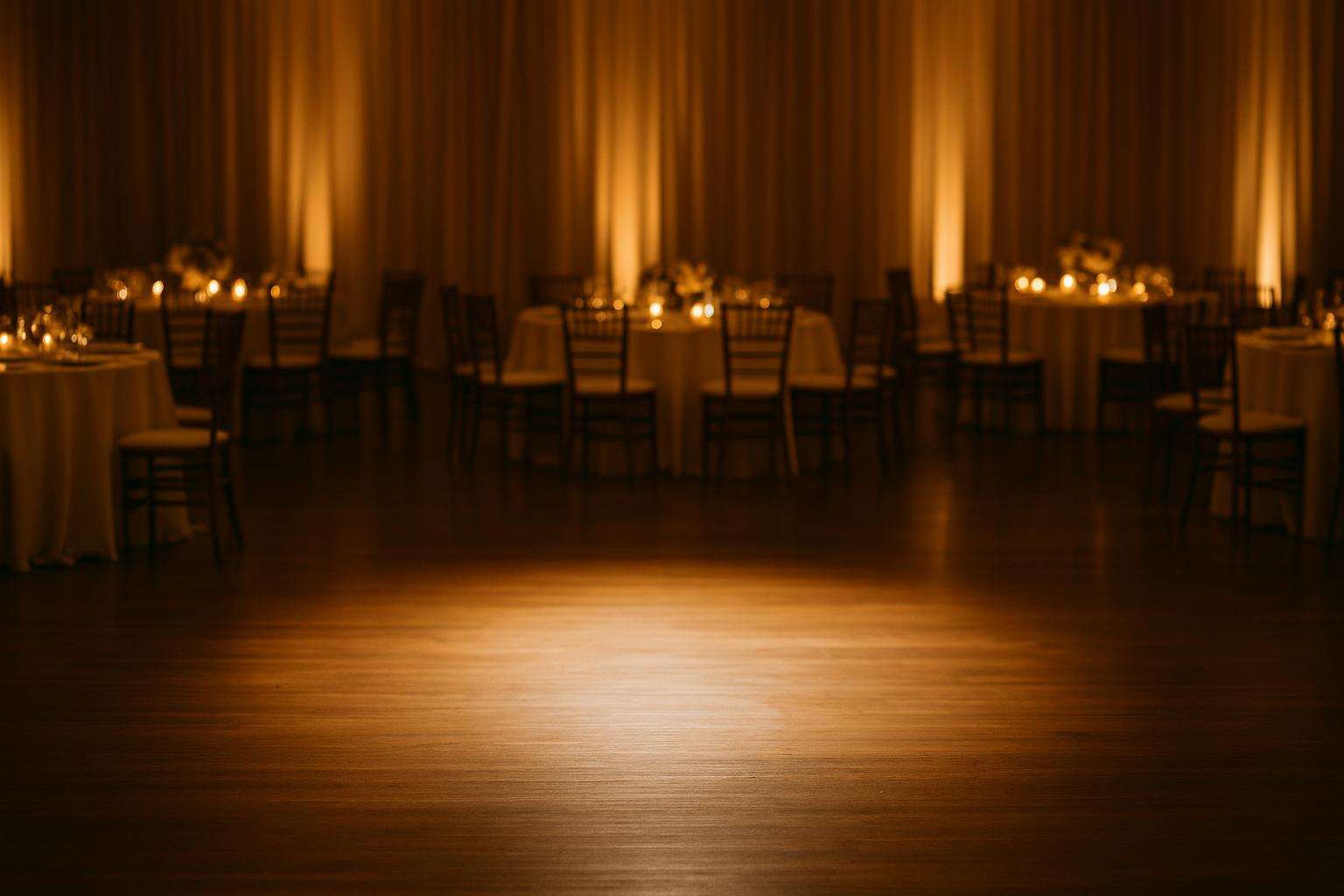
Most couples choose to dance immediately after their grand entrance, before dinner — capturing peak emotional energy when the whole room is cheering. Dancing after dinner is equally valid if you prefer a relaxed opener. Both work beautifully; the right answer is the one that matches how you want your evening to feel. Edit the song to 2.5–3 minutes and give your DJ a written cue sheet.
The first dance is the most photographed, most emotionally anticipated moment of a wedding reception. It is two to three minutes in which every eye in the room rests on just the two of you — and the entire tone of the evening is set in those minutes. The question of when to take that moment, before or after dinner, is not a small one. It shapes the emotional arc of your entire reception.
The honest answer is that both options work, and the right one depends entirely on who you are, how you want to feel, and what kind of night you are creating. Here is what you need to know to make an informed decision — and everything your DJ needs to execute it flawlessly.
First dance before dinner: what it delivers and who it is right for
The pre-dinner first dance is the most popular choice among American couples today, and the logic is intuitive: it capitalizes on the highest point of emotional energy in the entire evening. Wedding-planning resources such as The Knot's guidance on first dance timing note that placing the dance right after the grand entrance keeps the room's momentum from dropping. Guests have just watched you enter together as a married couple for the first time — they are standing, cheering, and fully present. The transition from your entrance directly to your first dance is seamless and electric, requiring no additional announcements, no awkward pause while guests find their seats.
From a practical perspective, the early-evening timing works in your favor across multiple dimensions. Your hair, makeup, and gown are at their freshest. The lighting in the venue has not yet been dimmed fully for dinner service, giving your photographer brighter, cleaner exposures. The crowd energy behind those reaction shots — friends and family watching you dance with joy on their faces — is at its absolute peak.
Your DJ benefits from this timing too. Rather than building energy from a standing start after the relative quiet of dinner, they can carry the momentum from your entrance forward, immediately transitioning from your first dance into the parent dances and then opening the floor — all while guest energy is still riding the wave of your arrival.
Pre-dinner first dance works best for: Couples who want maximum dance floor time, those whose guests skew younger and energetic, couples who have rehearsed choreography and want a high-energy performance moment, and any couple who simply wants to get the spotlight over with so they can relax and enjoy dinner with their guests.
First dance after dinner: what it delivers and who it is right for
The post-dinner first dance is the more traditional European approach and has distinct advantages that deserve honest consideration. After a full dinner, guests are comfortable, well-fed, and in a generous mood. The room has settled into its rhythm. When you rise from the table and step onto the floor, the attention you receive is focused and warm rather than adrenaline-charged.
If either of you carries significant performance nerves — and this is far more common than couples admit — having dinner as a buffer is genuinely valuable. The hour and a half of shared meals, toasts, and table visits allows you to breathe, eat something, and arrive at the dance floor feeling like yourself rather than a wound spring. Many couples who chose post-dinner timing describe the experience as more intimate: rather than a theatrical announcement, it felt like a natural extension of the evening's warmth.
The after-dinner placement also suits couples with carefully choreographed routines. A settled, captive audience after the energy of dinner service will watch your choreography more fully than a crowd still buzzing from the grand entrance.
Post-dinner first dance works best for: Couples who want a relaxed, traditional reception flow; those with performance nerves who need time to settle in; couples who have invested heavily in choreography and want a focused audience; and weddings with a more formal, seated-dinner structure where maintaining an unhurried pace is a priority.
How does first dance timing affect your wedding photos?
Your photographer's experience of these two options differs meaningfully, and it is worth understanding their perspective before you decide.
| Factor | Before Dinner | After Dinner |
|---|---|---|
| Venue lighting | Brighter; house lights may still be at medium | Fully dimmed; primarily candlelight and uplighting |
| Guest reaction energy | Peak — guests still riding entrance excitement | Warm and focused; guests relaxed and attentive |
| Couple's appearance | Hair, makeup, and gown at their freshest | Some wear is natural; can add authenticity |
| Photographer positioning | More floor space before tables fill with guests seated for dinner | Guests at tables create a framed backdrop |
| Transition to open dancing | Immediate — high energy launch | Natural signal that dinner is concluding |
Regardless of your timing choice, brief your photographer on the song's runtime and any choreographed moments at least two weeks before the wedding. If your photographer and videographer have not worked together previously, make an introduction — positioning conflicts during the first dance are a well-documented source of missed shots, and a brief coordination conversation prevents them entirely.
What to tell your DJ: the exact information they need
Your DJ or band is your most powerful timeline enforcer, and the first dance is the moment where their preparation is most visible. A written cue sheet delivered at least two weeks before the wedding — not a verbal conversation at the venue — is the professional standard.
That cue sheet should include:
- Song title, artist, and specific recording version (live or studio)
- Desired edit length or specific fade point (confirm your DJ will edit, not simply fade at the board)
- Spotlight cue and house-lighting instructions
- Whether parent dances follow immediately or are staggered through dinner
- The cue to invite guests onto the floor at the end of the first dance
- Any musical surprise — a transition from a slow opening to an upbeat choreography reveal, for example
The sweet spot for a first dance song is two and a half to three minutes. Most popular first dance songs run longer than this in their standard recording — "A Thousand Years" by Christina Perri, one of the most enduringly popular choices, runs four minutes twenty seconds. Your DJ should edit the song before the wedding, preserving its most emotionally resonant verse and chorus and ending cleanly on a musical phrase. A well-edited three-minute first dance lands with more emotional power than the full four-minute recording every time.
If you have invested in dance lessons — even two or three sessions — build in a 15-minute rehearsal at the actual venue during the day-before walk-through. The floor surface, the lighting, and the acoustic environment of your specific venue are different from the studio, and even a brief run-through eliminates the single largest category of day-of surprises. Practice in your wedding shoes, and ask your photographer or a trusted friend to film a rehearsal so you can see what the moment will look like from the guests' perspective.
The first dance, whenever you choose to have it, is two or three minutes that exist entirely for you. The rest of the evening is hospitality — welcoming your guests, honoring your families, celebrating with your community. This moment is different. Give it the space it deserves, prepare for it thoroughly, and then let yourself be simply present in it.
Frequently asked
Should the first dance happen before or after dinner at a wedding reception?
Both options are correct — the right choice depends on your energy, your vision for the evening, and how you want your guests to experience the transition from ceremony to celebration. First dance before dinner is the most common choice in the United States, capitalizing on peak emotional momentum immediately after the grand entrance when the entire room is already on their feet and cheering. First dance after dinner is more traditional in many European and formal settings, and it works beautifully if you want a relaxed opener and prefer to launch dancing when guests are fully settled. There is no etiquette rule requiring either. Discuss your preference with your DJ at least two weeks before the wedding and confirm the timing is reflected in the written cue sheet.
What are the advantages of a first dance before dinner?
A first dance immediately after your grand entrance capitalizes on the highest emotional energy of the entire evening. Guests have just arrived, they are standing and cheering after watching you enter, and all eyes are naturally on you — the transition to your first dance is seamless and electrifying. From a practical standpoint, your hair, makeup, and gown look their freshest in that first hour; photography is sharper in the early reception lighting; and opening the dance floor immediately means guests have more time to actually dance rather than waiting through dinner. Your DJ or band benefits too — they can use the momentum of the entrance energy and carry it forward without a long pause.
What are the advantages of a first dance after dinner?
A first dance after dinner allows both of you to relax, eat, and greet guests before stepping onto the dance floor. If either of you experiences significant performance nerves, having dinner as a buffer to settle in is genuinely valuable. After dinner, guests are comfortable, satiated, and ready to give their undivided attention — many planners describe the post-dinner moment as the most captive audience of the entire evening. The after-dinner timing also extends open dancing further into the evening, which can suit couples who want the dance floor to feel like the central event rather than a prelude to dinner. If your first dance includes carefully rehearsed choreography, a settled post-dinner audience will appreciate the performance more fully.
Does the timing of the first dance affect wedding photography?
Yes, meaningfully. A first dance before dinner typically benefits from brighter venue lighting — early in the reception, house lights may still be at a medium setting rather than fully dimmed for dinner service, giving your photographer more natural exposure to work with. The crowd energy before dinner is also higher, which means the reaction shots of your guests watching you dance are more animated and emotionally vivid. For photographers, the pre-dinner timing often produces the best combination of candid guest reactions and well-lit couple portraits. Regardless of when you choose, brief your photographer on the song's runtime, any choreographed moments or surprises, and coordinate so they know whether to expect lighting changes from your DJ or venue. Submit this information in writing at least two weeks before the wedding.
How long should the first dance song be?
The ideal first dance runs two and a half to three minutes. Industry consensus among DJs, planners, and photographers is that guests remain fully engaged through approximately the first two minutes of any spotlight dance; attention drifts noticeably after three and a half minutes. Most commercial recordings run longer than this — Ed Sheeran's 'Perfect,' the single most-played first dance song globally at approximately 3.7 billion streams, runs four minutes and forty seconds in its standard recording. Your DJ can and should edit it to the right length. Either provide the desired fade point in your cue sheet or establish a discreet hand signal that cues them to fade on your mark. Never feel obligated to dance to the full studio recording; a beautifully edited three-minute version delivers a stronger, more emotionally complete moment.
When should parent dances happen relative to the first dance?
The traditional sequence places parent dances immediately after the couple's first dance, creating a full 'dance segment' before dinner service begins. This approach is clean, emotionally sequential, and allows the DJ to open the floor to all guests after the parent dances without interrupting dinner. An alternative is to stagger parent dances during dinner — father-daughter after the appetizer course, mother-son after the entrée — which spreads the emotional highlights across the meal. A third option, increasingly popular among couples with complex family structures or limited time, is the medley approach: 90 seconds father-daughter, immediate musical transition, 90 seconds mother-son, completing both dances in under four minutes while keeping the evening moving. Discuss parent dance timing with your parents before the wedding day — never surprise a parent with their dance song.
What should the DJ know about the first dance timing?
Your DJ needs at minimum three weeks' notice to prepare properly, and a written cue sheet rather than verbal instructions is essential. That sheet should specify: the song title and exact artist or recording version (different recordings of the same song vary significantly in tempo and feel); the desired edit length or fade point; whether you want a spotlight and when to dim house lights; the cue for inviting guests to join the floor at the end; whether parent dances follow immediately; and any surprise elements such as a musical transition from a slow song to an upbeat choreography reveal. A skilled DJ or MC is your most powerful timeline enforcer — give them the information they need to make your first dance moment exactly as you envisioned it.