Reception & Parties
How Long Should a Wedding Reception Be: What Every Couple Should Know
Four to six hours is the sweet spot for most wedding receptions in 2026 — long enough to let the evening breathe, short enough that guests leave celebrating rather than exhausted. Here is how to build the right timeline for your specific wedding.
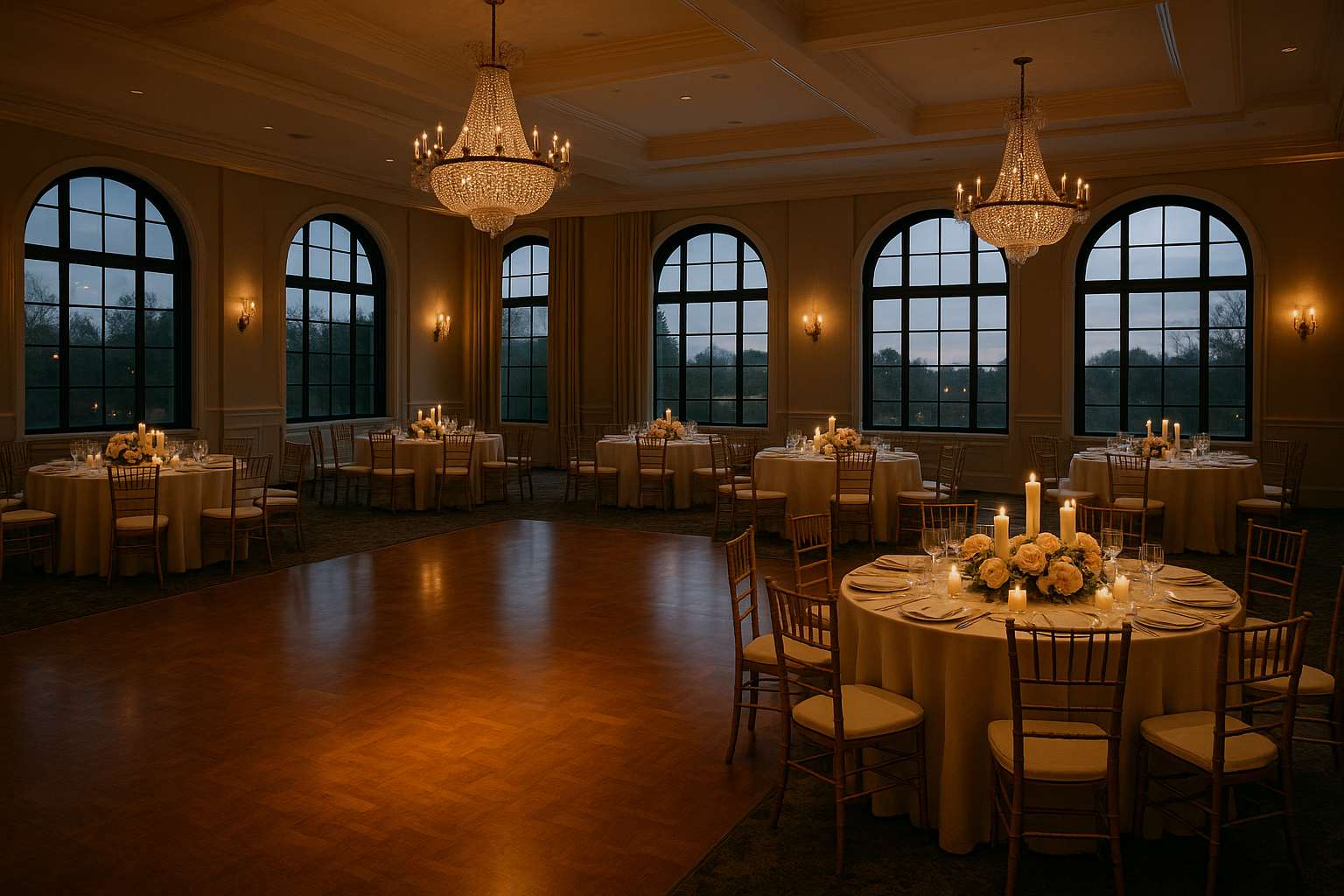
Most wedding receptions run four to six hours in 2026, with five hours as the sweet spot: one hour for cocktails, one and a half to two hours for dinner service, and two to two and a half hours for dancing. Anything shorter feels rushed; anything longer risks guest fatigue. The right length depends on your format, guest count, and evening energy.
The question of reception length sounds simple, but it is one of the questions with the most downstream consequences. Get the timing wrong in one direction and the evening feels hectic, formalities crowd out dancing, and the send-off arrives before the party found its rhythm. Get it wrong in the other direction and guests begin to quietly disappear after hour five, the energy dissipates, and the couple finds themselves extending overtime that adds $1,500 to the invoice.
Getting it right requires understanding how each phase of a reception actually unfolds — not how it looks on a template, but how it moves in real time with real people, real dinner service, and real toasts that run long.
How long is a typical wedding reception in 2026?
According to Zola's wedding planning data, the average wedding reception runs approximately five hours, including the cocktail hour. The most common breakdown:
| Phase | Typical Duration | What Happens |
|---|---|---|
| Cocktail hour | 60 minutes | Guests arrive, mingle, enjoy passed appetizers and drinks; wedding party completes portraits |
| Grand entrance & first dance | 10–20 minutes | Wedding party and couple introduced; first dance, optional parent dances |
| Dinner service | 60–120 minutes | Seated plated or buffet service; toasts woven in during first or second course |
| Toasts | 15–30 minutes | Maid of honor, best man, parents, and any other designated speakers |
| Cake cutting | 10–15 minutes | Cake cutting ceremony, dessert service begins |
| Dancing | 90–180 minutes | Open dance floor; transitions from dinner energy to late-night energy |
| Send-off | 10–20 minutes | Guests line up for sparkler, petal toss, or bubble send-off; couple departs |
The most important insight from experienced planners: every wedding runs differently than the printed timeline. Build buffer into every transition. The toasts scheduled for 15 minutes often run 25. Dinner service for 100 guests at a buffet takes longer than the caterer's quoted time. The guests who need to be gathered for the cake cutting are always in three different parts of the venue. A 10-minute buffer between planned segments is not pessimism — it is the difference between a relaxed, graceful evening and one that feels perpetually behind.
How does dinner format affect reception length?
Your choice of dinner service style is one of the single biggest variables in reception timing. Here is how the three main formats affect the evening:
Plated dinner — All guests receive plated courses simultaneously, delivered by servers. Service is the fastest in total duration: a two-course plated meal for 100 guests typically completes in 75 to 90 minutes. The trade-off is cost: plated service requires the highest staffing-to-guest ratio and is typically the most expensive catering format.
Buffet — Guests approach buffet stations in waves. For 75 to 100 guests, a well-managed buffet typically takes 90 to 120 minutes from first seating to the close of service, because tables are released sequentially and some guests return for second servings. Couples planning a buffet should add 30 to 45 minutes to their dinner block to avoid compressing the dancing portion of the evening.
Family-style or stations — Large shared platters placed at each table or a variety of interactive food stations eliminate the formal service structure entirely, distributing eating across more of the evening. This format is the most relaxed and tends to work best for couples who want a social, flowing evening where the line between dinner and dancing is intentionally blurred.
What happens if the reception runs over time?
Overtime is one of the most reliably surprising line items in post-wedding invoices. Most couples who experience overtime did not plan for it — it happened because dinner ran long, toasts expanded beyond their intended length, or the dance floor energy at hour five made ending feel unthinkable.
Venue overtime rates vary significantly by tier and contract structure, but typical ranges are $500 to $2,500 per additional hour for in-house catering and staff costs. DJ overtime runs $150 to $350 per additional hour; a live band often charges $300 to $800 per hour for the full ensemble. Your caterer and bar service carry their own overtime rates on top of venue charges.
The practical approach: build your timeline to end 30 to 45 minutes before your contracted end time. Use that buffer as planned breathing room, not emergency capacity. If the evening is flowing beautifully and the dance floor is alive at the 4.5-hour mark, you can still extend — but you are making that decision from a position of abundance rather than scrambling.
According to Nearlywed's reception planning guide, the average reception runs 5 to 10 minutes over its planned end time when couples build in appropriate buffers — a completely manageable variance. Receptions without buffers built into the timeline run an average of 30 to 45 minutes over. That half-hour is typically the difference between a graceful, on-budget close and an overtime invoice.
Frequently asked
How long should a wedding reception be?
The sweet spot for most wedding receptions is four to six hours, with five hours being the most common duration in 2026. A five-hour timeline typically divides as one hour for cocktails, one and a half to two hours for dinner service, and two to two and a half hours for dancing. This gives the evening a natural arc — a relaxed, social beginning, a settled and celebratory middle, and an energetic and memorable close. Receptions shorter than four hours tend to feel rushed: dinner extends into the first dance, toasts crowd out dancing, and guests who traveled a distance leave feeling the evening passed too quickly. Receptions longer than six hours risk guest fatigue, particularly for older relatives, parents with children, and guests who traveled significant distances. The right duration is ultimately a function of your guest list, your dinner format, and the energy you want to sustain from arrival to send-off.
What are the standard phases of a wedding reception and how long does each take?
A standard five-hour wedding reception breaks into four phases. The cocktail hour runs approximately 60 minutes and serves as the social anchor — guests mingle, enjoy passed appetizers and drinks, and the wedding party completes photos. Dinner service runs 90 minutes to two hours depending on format: a plated dinner with courses tends to run shorter than a buffet, which peaks in service time but then has a longer tail as guests return for second servings. Key reception milestones — first dance, parent dances, toasts, cake cutting — are woven into the dinner block and each consume 5 to 20 minutes depending on length. The dance floor portion runs two to three hours and is typically the final block of the evening, ending with a formal send-off. The most common scheduling error is underestimating how long toasts and formalities run, which compresses dancing time.
Does the dinner format affect how long the reception should be?
Yes, meaningfully. A plated multi-course dinner for 100 guests typically takes 90 to 120 minutes including appetizers and dessert. A buffet for the same guest count often takes 30 to 45 minutes longer because guest service is sequential rather than simultaneous — even with multiple buffet stations, lines and return trips extend the service window. A food station format, where guests graze and choose rather than sit for a single seated service, tends to compress the 'dinner' phase but distributes eating time across more of the evening. Couples planning a buffet should build 2 to 2.5 hours for dinner rather than 90 minutes, or adjust their dancing block accordingly. If you are working with a fixed venue end-time, choose a plated dinner when you are prioritizing a full dancing experience, and a buffet or stations when the social and grazing elements of the evening matter more to you.
What does it cost to extend a wedding reception past the contracted hours?
Overtime charges are one of the most consistent budget surprises in wedding planning. Venue overtime rates typically run $500 to $2,500 per additional hour, depending on the venue tier and whether in-house staff costs are included. DJ overtime typically runs $150 to $350 per additional hour; live band overtime is often higher, at $300 to $800 per additional hour for the full ensemble. Bar service overtime — where a venue's bar staff and bartenders extend their service — often runs $200 to $600 per hour. If your caterer is external, expect to negotiate overtime charges for their staff as well. Most venues require overtime requests to be made in advance or notified 30 minutes before the original end time; some will not extend under any circumstances due to staff scheduling or back-to-back event policies. Build your timeline with a comfortable buffer before the contracted end time rather than planning to rely on overtime.
How does guest count affect reception length?
Larger guest counts typically require more time for every reception phase. Grand entrance processionals for 150 guests take longer than for 50. Buffet service for 150 guests requires 45 to 75 additional minutes over a 75-guest buffet. Toasts from multiple speakers, a dollar dance tradition, or multi-generational guest lists that benefit from more structured seating time all extend the evening. Couples hosting 150 or more guests should plan on five to six hours as a baseline and consider running concurrent activities — cocktail hour in one space while the dinner room is set, or a photo booth to occupy guests during the dinner-to-dancing transition — to prevent lulls. Couples hosting under 50 guests at an intimate gathering can run an excellent four-hour reception without it feeling rushed, particularly with a grazing or family-style dinner format.
At what time of day should a wedding reception start?
The most popular start time for wedding receptions in 2026 remains the late-afternoon slot: ceremonies concluding between 3:00 and 4:30 p.m., with cocktail hours beginning between 4:00 and 5:00 p.m. and receptions running until 9:00 or 10:00 p.m. This timing works well for most guest demographics — it accommodates guests who need to travel home, families with young children, and older relatives while still delivering a full evening experience. Evening receptions starting at 6:00 or 7:00 p.m. — popular for black-tie or winter celebrations — allow a full late night with a midnight or later end time, but require guests to arrange overnight accommodations more often. Midday or brunch receptions, ending by 2:00 or 3:00 p.m., are growing in popularity for intimate guest lists and can be meaningfully more affordable due to lower catering costs and higher venue availability.