Reception & Parties
How to Make a Wedding Seating Chart: A Step-by-Step Guide
A wedding seating chart is one of the most loving things you do for your guests — and one of the most stress-inducing parts of planning. Here is how to do it well.
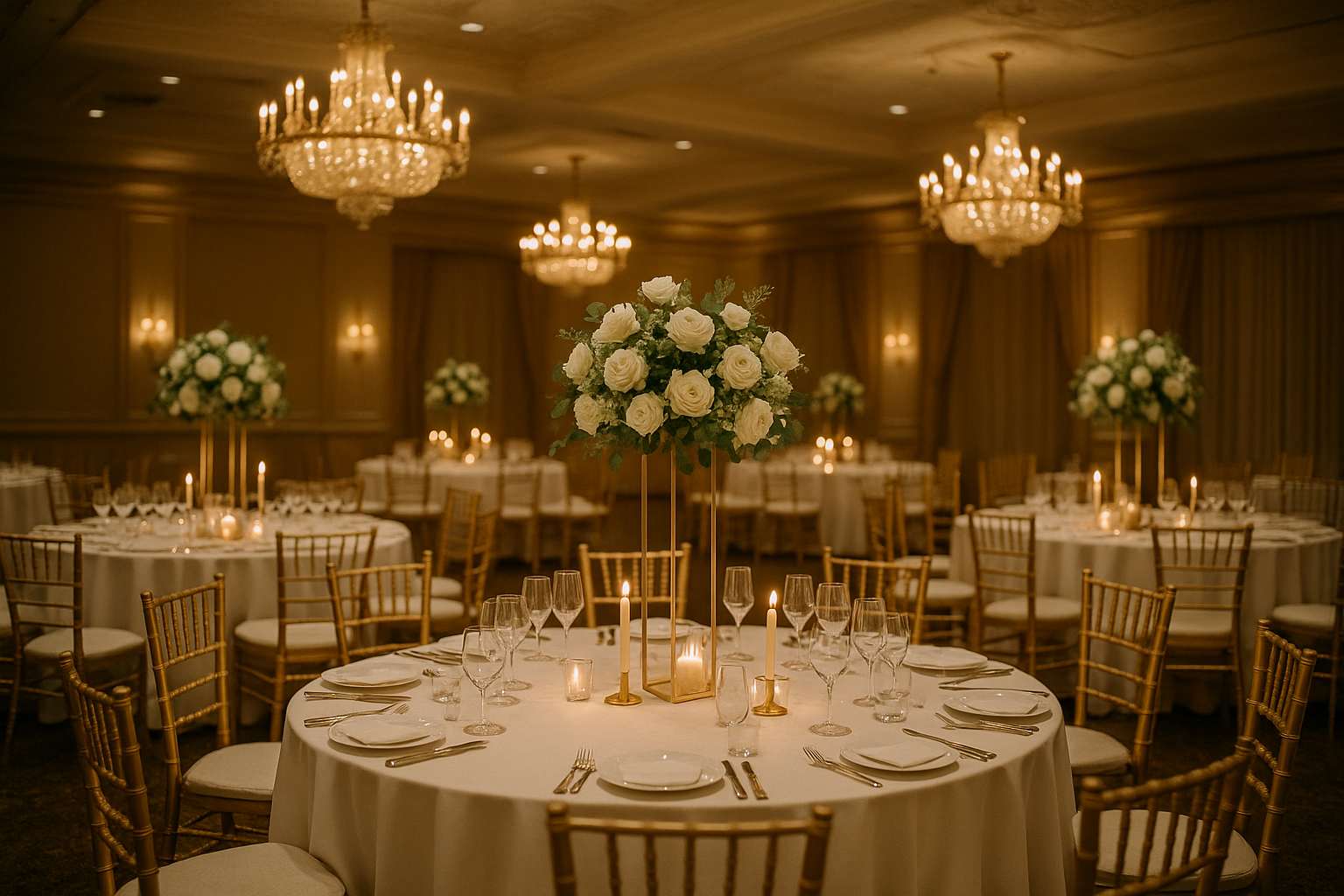
Begin your wedding seating chart framework three to four months before the wedding, build your first real draft at 70–80% of RSVPs returned, lock it one to two weeks out, and use a drag-and-drop digital tool — Zola, Wedibox, or SeatingPlannerApp — to manage the inevitable changes without starting over. The core principle: prioritize group chemistry over perfect geometry.
The wedding seating chart is simultaneously one of the most powerful things you do for your guests and one of the most emotionally complex tasks in reception planning. It is not a logistics puzzle — it is a map of your relationships, rendered in tables and chairs. Placed well, it sparks conversations that outlast the evening. Handled carelessly, it communicates slight where none was intended.
According to Zola's 2026 wedding data, the average U.S. wedding hosts approximately 145 guests — roughly twelve to fifteen tables of eight to ten. That is not a small puzzle. But it is a solvable one, when you approach it in the right sequence with the right tools.
How do you start a wedding seating chart from scratch?
The most common seating chart mistake is starting too late, with incomplete information, in a format that cannot accommodate change. Here is the sequence that works.
Phase 1 — Foundation (8–12 weeks before the wedding). Request your venue's floor plan. You need to know the exact table count, table shape (round vs. rectangular), maximum capacity per table, the location of the dance floor, bar stations, DJ or band setup, and any fixed obstacles like pillars or service corridors. This information determines how many tables you actually have to work with — not how many you assume. Begin organizing your guest list into natural relationship groups: immediate family of each partner, extended family, close friends, college friends, work colleagues, wedding party, children, out-of-town guests. These groups become your seating building blocks.
Phase 2 — First Draft (4–6 weeks before, at 70–80% RSVP return). Open your seating tool and begin placing groups on tables. Place VIP tables first: immediate family of both partners, elderly guests, guests with mobility needs. The working principle here is simple: people enjoy dinner most with people they already know or have something in common with. Prioritize group cohesion over even table distribution. A table of nine friends from college is better than a forced table of six friends and three strangers assembled to reach ten.
Phase 3 — Refinement (2–3 weeks before, after all RSVPs are in). Finalize all table assignments. Work through any remaining known conflicts, awkward combinations, or divorced-parent dynamics. If your service format requires individual place cards (plated dinners where caterers track meal selections), assign specific seats now. Order or finalize your stationery: escort cards, place cards, or seating chart display. Brief your venue coordinator on any sensitive dynamics, dietary needs, or accessibility requirements.
Phase 4 — Lock and Print (1–2 weeks before). Set a lock date and enforce it. After locking, accept only true changes — a guest who cannot attend, a confirmed late addition — not preference-based revisions. Build one swing table with two to four open seats for unexpected guests or last-minute adjustments. Deliver your final meal-choice list to the caterer in whatever format they require.
| Phase | Timing | Key actions |
|---|---|---|
| Foundation | 8–12 weeks out | Get floor plan; organize guest list by relationship group |
| First draft | 4–6 weeks out | Place VIPs first; fill tables by group chemistry |
| Refinement | 2–3 weeks out | Resolve conflicts; assign seats if needed; order stationery |
| Lock | 1–2 weeks out | Finalize; deliver to caterer; build swing table |
| Day-of | Morning of wedding | Confirm display is lit and accessible; test QR code if using |
Which tools work best for building a wedding seating chart?
The era of seating charts built on paper, cut up with scissors, and rearranged by hand is over — and not a moment too soon. Digital tools allow you to drag and drop, make changes instantly, share access with a planner or co-planner, and export directly to a print-ready format.
Zola is the strongest choice for couples already using Zola for their wedding website and guest list. The tool syncs directly with your RSVP data, groups guests by dietary restriction, allows customizable floor plan layouts, and exports print-ready PDFs. The integration eliminates the manual transfer of guest data between systems — one of the primary sources of seating chart errors.
Wedibox offers a completely free visual layout builder and, uniquely, generates a QR code linking to a searchable digital version of your seating chart. Guests at the entrance scan the code, type their name, and see their table assignment on their phone — a fast, paperless approach that eliminates the queue bottleneck at large weddings.
SeatingPlannerApp.com requires no login, features clean drag-and-drop functionality, and includes AI auto-arrange — useful for first-draft placement of large guest lists.
Canva is the right choice when the visual design of the seating chart display matters as much as the underlying data management. Templates allow complete customization of fonts, colors, and layouts to match your wedding aesthetic.
Google Sheets remains the most flexible option for highly organized couples who prefer a spreadsheet to a visual tool — easily shared, always accessible, and fully customizable.
How do you handle difficult seating dynamics?
Every wedding has at least one seating challenge. The ones that recur most reliably — and the approaches that work — are worth knowing before you begin.
Divorced parents. When parents are amicable, they can share a table anchored by extended family they both know. When they are politely distant, give each parent their own table on opposite sides of the room and use the natural geography of the space — dance floor, bar, central floral installation — as a buffer. When the relationship is hostile, seat each as the host of their own family cluster. If you are using a sweetheart table, neither parent is elevated or diminished by proximity to the couple at the head table — a significant simplification.
Single guests. Do not create a singles table — it is the seating chart equivalent of a holding area and reads as exactly that to everyone placed there. Distribute single guests among tables where they share something genuine with the other guests: professional background, shared humor, stage of life. A table of four singles and four couples with real connections in common works beautifully. A table of twelve people whose only shared characteristic is that they came alone does not.
Children. Children over approximately eight can sit with their parents depending on table size. Younger children benefit from a dedicated children's table positioned against a wall for safety, away from speakers, and close enough to their parents' tables that adults can monitor without relocating. Assign an adult — a younger aunt, uncle, or family friend who will genuinely engage with the children — nearby.
Cultural seating considerations. In Chinese and East Asian wedding traditions, proximity to the couple signals honor — tables nearest the couple are the most prestigious, and table number four should be avoided (the number sounds like the word for death in Chinese). A practical solution: use table names rather than numbers, which sidesteps numerical sensitivities entirely and adds a personal touch. In Jewish ceremony seating, the bride's guests traditionally sit on the right and the groom's on the left. At South Asian weddings, family hierarchy and clan affiliation often shape placement significantly — ask your parents for specific guidance well in advance.
How do you display the final seating chart?
The display format is a design decision as well as a practical one. Current options range from art-installation seating walls to two-second QR code lookups.
Framed display boards — acrylic or mirror panels with hand lettering or vinyl text — are the dominant premium choice for 2025–2026. A large acrylic board on an easel near the cocktail hour entrance is highly photographable, works across all wedding aesthetics from rustic to black-tie, and reads clearly in most lighting. Professional lettering on a 24×36 board runs $150–$600 depending on size and complexity.
QR code displays have moved from novelty to mainstream. The most practical advantage is real-time updateability: if a guest cancels the morning of the wedding, the digital document updates instantly without reprinting. Guests scan the code, type their name, and see their table — no queue. Recommended for weddings of 150 or more guests, and increasingly popular across all guest counts among tech-comfortable couples.
Escort card displays — individual cards arranged on a table or attached to a floral wall — remain beloved for their tactile, personal quality. They require significantly more production time and cost, but the experience of a guest picking up their own card, perhaps attached to a small favor, is genuinely special. Budget $1–$8 per card depending on material and calligraphy, issued per household rather than per individual guest.
Whatever format you choose, position the display where it is the first thing guests encounter upon entering the cocktail hour — not where it competes with other decor. Ensure it is lit, accessible from multiple sides, and tested before guests arrive. Have a printed backup copy in your wedding coordinator's hands regardless of your primary display format.
Frequently asked
When should I start working on my wedding seating chart?
Begin your framework — confirming table count and rough guest groupings — as soon as you have your venue floor plan, which typically happens three to four months before the wedding. Build your first real working draft when 70–80% of your RSVPs are in, which should be four to six weeks before the event if your RSVP deadline is set correctly. Your RSVP deadline itself should fall at least four to five weeks before the wedding date, not the two weeks many couples default to — that window is too compressed for a thoughtful seating process. Lock the seating chart one to two weeks before the wedding and limit changes after that point to true additions or confirmed cancellations only.
How many seats should I plan per table?
A standard 60-inch round banquet table seats eight guests comfortably; ten is possible but can feel crowded for sustained dinner conversation. Rectangular six-foot tables seat six to eight guests; eight-foot tables seat eight to ten. When assigning guests to tables, always round down slightly — a table assigned eight guests from a nine-person maximum leaves room for small adjustments and makes the table feel spacious rather than packed. Build in at least one "swing table" with two to four reserved but unassigned seats to absorb unexpected plus-ones, late RSVPs, or last-minute changes on the wedding day itself. Your venue coordinator should know about this table so they can direct guests there gracefully.
How do I handle divorced or remarried parents in the seating chart?
The approach depends on the relationship dynamic. When parents are amicable, they can share a table with mutual extended family or close friends — simply communicate the plan to both parents privately beforehand. When parents are politely distant, give each their own table on opposite sides of the room, with the dance floor or a central floral installation serving as a natural buffer between them. When the relationship is actively hostile, seat each parent as the host of their own family cluster — each has their people, their dignity, and appropriate distance from the other. If you are using a sweetheart table rather than a head table, this removes the most fraught decision entirely: neither parent is publicly elevated or diminished by proximity to the couple during dinner.
Should I use assigned seats or just assign tables?
For most weddings, assigning guests to specific tables (without specifying an individual seat within that table) is the sweet spot that most planners recommend. This gives you full control over who sits with whom — which is the core purpose of a seating chart — while giving guests a small degree of freedom and social ease once they reach their table. Full seat assignments, using individual place cards at each setting, are appropriate for plated dinners where caterers need to track meal choices, for very formal receptions, or for weddings with exceptionally complex family dynamics. For buffets and family-style service, table assignment without individual seat assignment is almost always sufficient and significantly reduces the logistics required of your stationer and caterer.
What is the best tool for making a wedding seating chart?
The right tool depends on your working style and your needs. Zola's seating chart tool is the strongest choice for couples already using Zola for their wedding website and guest list, because it syncs directly with your RSVP data, lets you group by dietary restriction, and exports a print-ready layout. The Knot offers a comparable built-in tool for couples on that platform. For free-standing digital options, Wedibox generates a QR code guests can scan to find their table — useful for large weddings where a physical display creates a bottleneck — and SeatingPlannerApp.com requires no login and offers a clean drag-and-drop interface. Canva is the best choice when the design of your seating display matters as much as the functionality. For couples who prefer spreadsheets, a well-organized Google Sheet remains a perfectly workable solution.
Is it rude to not have a seating chart at a wedding?
Open seating is entirely gracious for intimate weddings of forty guests or fewer, particularly at casual outdoor gatherings or cocktail-style receptions. Above that threshold — especially with plated dinners, elderly guests, or any meaningful family complexity — the absence of a seating chart creates genuine discomfort for many guests. Elderly guests benefit enormously from knowing where to go; guests with mobility limitations need to be seated near accessible aisles and restrooms; single guests arriving alone benefit from being deliberately placed where they will be comfortable rather than left to navigate the room on their own. A seating chart is, at its core, an act of hospitality. It communicates to each guest: we thought about you.