Reception & Parties
Maid of Honor Duties: The Complete 2026 Guide
Being asked to be maid of honor is one of the greatest compliments a friendship can hold — and one of the most significant commitments. Here is every duty, at every stage, with a clear timeline and honest guidance on what the role actually requires.
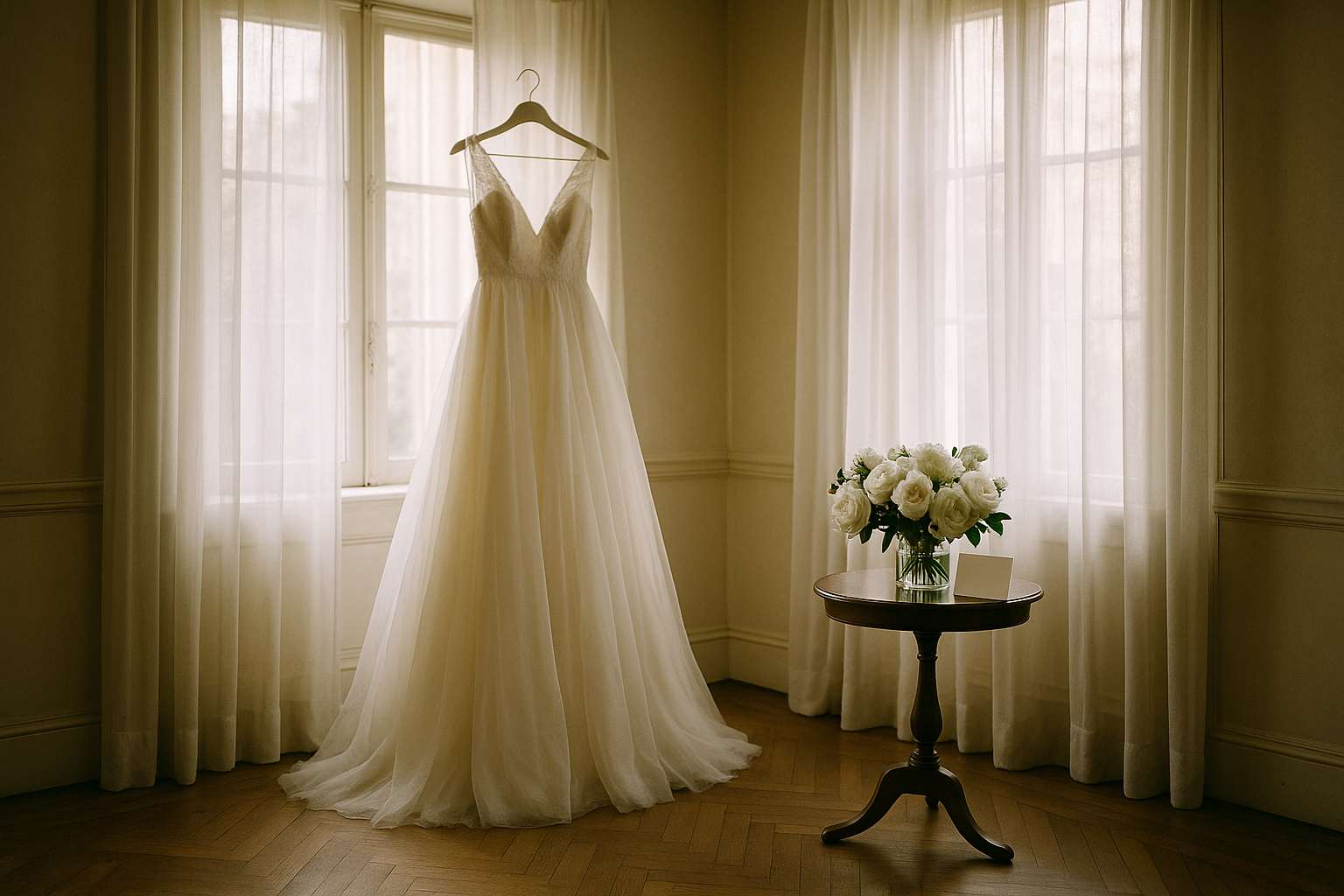
The maid of honor is the bride's lead attendant, primary emotional anchor, and day-of point of contact. Her duties span from the engagement through the reception: coordinating the bridal party, planning the shower and bachelorette, helping the bride dress on the wedding morning, holding the rings during the ceremony, and delivering the reception toast.
Being chosen as someone's maid of honor is a statement about the depth of a friendship — and it deserves to be taken seriously. The role is genuinely demanding: according to WeddingWire's MOH guide, the maid of honor wears many hats simultaneously, including party planner, hype woman, timeline keeper, confidante, problem solver, and mediator. None of that is an exaggeration, and none of it should come as a surprise if expectations are set clearly from the beginning.
What follows is a complete, month-by-month guide to the maid of honor role in 2026 — what is expected, when, and how to do it with grace.
What does the maid of honor do during the engagement?
The engagement period is where the maid of honor's most sustained value lives. The wedding day itself is one day; the engagement is twelve months of friendship-in-action.
The first conversation (within days of being asked): Before any planning begins, the maid of honor and bride should have a candid, one-on-one conversation about expectations. What events does the bride want? What is a realistic financial picture for both parties? How involved does the bride want the MOH in day-to-day decisions versus managing independently? A clear conversation at the outset prevents the slow accumulation of mismatched expectations that strains friendships during the most stressful season of planning.
Dress shopping (8–10 months out): The MOH accompanies the bride to bridal salon appointments — offering honest, loving feedback, managing the mood of the entourage, and protecting the bride's vision from conflicting opinions. After the gown is selected, she also assists in bridesmaid dress selection and ensures all bridesmaids order their dresses on schedule. The six-month mark is the deadline for all bridesmaid dress orders, without exception: alterations take four to eight weeks, and a late dress creates a cascading timeline problem.
Bridesmaid coordination: The MOH serves as the central communication hub between the bride and the rest of the party. Establish one group message (text or email) immediately — not a dozen threads — and use it consistently. Communicate key dates (shower, bachelorette, rehearsal, wedding day arrival time) early and in writing. Be specific about deadlines, and follow up once if someone misses them.
Emotional support: This is the least visible and most important dimension of the role. Wedding planning is genuinely stressful — vendor cancellations, family tension, budget surprises, decision fatigue. The maid of honor listens without judgment, validates without amplifying anxiety, and brings perspective when the bride cannot. The friend who says "I know this feels overwhelming right now, and it is going to be beautiful" on the right day is irreplaceable.
What are the maid of honor's duties for the bridal shower and bachelorette?
| Event | Typical Timing | MOH's Lead Responsibilities | Estimated MOH Cost |
|---|---|---|---|
| Engagement party | 2–3 months after engagement | Attend; help bride greet guests; optional co-host role | $50–$100 gift |
| Bridal shower | 4–6 weeks before wedding | Plan venue, invitations, décor, food; track gifts; co-host with bridesmaids | $100–$500 (planning share) |
| Bachelorette party | 4–8 weeks before wedding | Lead planning; manage itinerary and budget; coordinate all logistics | $300–$1,300+ per person |
| Rehearsal dinner | Evening before wedding | Attend; meet family; review day-of schedule; confirm MOH responsibilities | Typically covered by groom's family |
The bridal shower is typically the maid of honor's largest logistical undertaking outside the wedding day itself. Planning should begin three to four months before the shower date. The MOH collaborates with the bride's mother and other bridesmaids on venue selection, invitation list, activities, and catering — then assigns specific tasks so no single person carries the full weight. At the shower, one of the most important (and easily overlooked) tasks is tracking each gift as it is opened: write down who gave what, with enough detail for the bride to write a specific, non-generic thank-you note afterward.
The bachelorette party is the MOH's signature pre-wedding event to lead. The governing principle is simple: plan the party for the bride, not for the group. A bride who loves quiet dinners and a spa day has a different ideal bachelorette than one who wants a weekend in Nashville. Ask directly. Build a budget before booking anything, and communicate it clearly to participants before anyone commits — a bachelorette that financially strains members of the group creates resentment, not memories.
What are the maid of honor's responsibilities on the wedding day?
The wedding day is when everything the MOH has prepared converges into action. The morning of the wedding is the most logistically demanding window.
Arrive early. The maid of honor should arrive at least two hours before the ceremony begins — earlier if the getting-ready schedule requires it. This is not optional and should not be negotiated down. The bride's morning is the most emotionally charged part of her day, and the MOH's physical presence is the single most grounding thing available.
Manage the getting-ready schedule. Know when hair and makeup artists are arriving, in what order the bridal party is being seen, and when the first photos are scheduled. Keep everything on time with quiet authority — not anxiety. If a bridesmaid is running late, handle it without involving the bride unless absolutely necessary.
Help the bride into her gown. This is one of the most intimate and memorable moments of the morning. Be present, calm, and unhurried. Have the emergency kit ready (see FAQ above). Know in advance how the gown fastens — buttons, lace-up back, or zip — so there is no fumbling.
Hold the groom's ring during the ceremony. The MOH is responsible for the groom's wedding band from the morning of the wedding through the ring exchange. Confirm with the best man at the rehearsal exactly how rings will be transferred. Do not leave the ring in a bag or pocket that will be put down.
Hold the bride's bouquet during the ring exchange, and manage the dress train throughout the ceremony. During the recessional, return the bouquet and ensure the train is arranged for the walk back up the aisle and for photographs.
Witness the marriage license signing. This is a legal responsibility. Confirm in advance with the officiant when and where the signing occurs, and ensure you are present with valid identification.
At the reception, the maid of honor delivers her toast — two to three minutes, personal, warm, and appropriate for all ages present. Circulate throughout the evening, welcome guests on behalf of the couple, and check in on the bride regularly. Keep the emergency kit accessible. Be the last line of defense for any logistical issue that arises, handling it discreetly so the bride never has to.
What does the maid of honor do after the wedding?
The MOH's role does not end with the last dance. Help collect the bride's belongings, gifts, and cards at the end of the evening. If items were rented or borrowed — jewelry, accessories, décor — assist in organizing their return. In the days that follow, check in on the bride: the post-wedding period is often surprisingly emotional, and having her closest friend reachable matters more than most people anticipate.
A word on financial transparency: total maid of honor costs in 2026 run between $1,200 and $2,500 for a local wedding, driven primarily by the bridesmaid dress, bachelorette party costs, shower co-hosting, and wedding gift. For destination bachelorettes or destination weddings, costs can reach $3,000 to $5,000 or more. A bride who shares a realistic picture of the commitment before asking someone is practicing one of the most considerate acts of friendship available to her. A maid of honor who accepts the role knowing the full scope can give it freely, rather than under the weight of a commitment she did not fully understand.
Frequently asked
What are the most important maid of honor duties?
The maid of honor's core responsibilities fall into three categories. Before the wedding: serving as the bride's primary emotional support and sounding board, coordinating the bridal party's communication and logistics, planning and hosting the bridal shower (typically with other bridesmaids), and leading the bachelorette party planning. On the wedding day: arriving two or more hours early to assist the bride, helping her dress, managing the morning schedule, holding her bouquet during the ring exchange, holding the groom's ring until the exchange, and witnessing the marriage license signing. At the reception: delivering the maid of honor toast (two to three minutes, personal, appropriate for all ages) and keeping a watchful eye on the bride throughout the evening. Of all these, the daily emotional support role is often the most meaningful and the least anticipated.
What is the difference between a maid of honor and a matron of honor?
Traditionally, 'maid of honor' referred to an unmarried woman serving in the role, while 'matron of honor' designated a married woman. In practice, many couples today use the terms interchangeably, and the distinction carries no meaningful implication for the duties involved. Some brides choose to designate co-maids of honor — honoring two equally close relationships simultaneously — which is entirely appropriate and increasingly common. Modern alternatives like 'honor attendant' and 'person of honor' have emerged for gender-neutral or non-traditional parties. Whatever the title, the substance of the role remains the same: the bride's primary attendant, closest confidant during the engagement, and lead on pre-wedding events.
How much does it cost to be a maid of honor in 2026?
Total maid of honor costs in 2026 typically fall between $1,200 and $2,500 for a local wedding, and $3,000 to $5,000 or more for a destination wedding. The major expense categories are the bridesmaid dress ($100 to $250, plus $75 to $150 in alterations), a share of the bridal shower hosting costs ($100 to $500 depending on venue and guest count), the bachelorette party ($300 to $1,300 per person, rising significantly for destination bachelorettes), wedding gift ($100 to $175), and hair and makeup if self-pay ($100 to $250). The maid of honor typically spends 20 to 30% more than other bridesmaids due to her elevated planning role. Being transparent about financial expectations before accepting the role — and before any bookings are made — is one of the most friendship-preserving things a bride can do.
When does the maid of honor plan the bridal shower?
The bridal shower is typically held four to six weeks before the wedding date, and planning should begin three to four months ahead. The maid of honor leads the organization — selecting a venue, coordinating invitations (usually with input from the bride's mother and other bridesmaids), planning activities, arranging food and drinks, and managing the budget — while distributing practical tasks among other members of the bridal party. The shower invitation list is shared with the bride for her input; guests should generally include all women who will be invited to the wedding. At the shower itself, one of the maid of honor's key tasks is tracking each gift as it is opened so the bride can write accurate, specific thank-you notes afterward.
What should a maid of honor pack in her emergency kit?
A well-prepared maid of honor emergency kit should include: safety pins in multiple sizes (for wardrobe malfunctions), clear fashion tape (for plunging necklines and gaps), pain relievers and antacids (for the inevitable stress headache), blotting papers and powder (for touch-ups), mints and breath spray, a travel-sized deodorant, stain remover wipes (Tide-to-Go is the gold standard), tampons and pads, bandages and blister pads (heels on stone floors are unforgiving), a mini sewing kit, a small phone charging bank, and a printed copy of the full vendor contact list and day-of timeline. This kit is not for the bride alone — it is for anyone in the bridal party who needs it. The MOH who arrives prepared becomes the hero of the day entirely apart from any visible duty.
How do you give a great maid of honor toast?
A memorable maid of honor toast is personal, focused, and leaves the room feeling warm — not the bride feeling embarrassed. The most effective structure is simple: open with how you know the bride (one vivid, specific story, not a general description of the friendship), describe the change you have witnessed in her since she met her partner (specific and sincere, not cliché), and close with a genuine wish for their marriage. Keep the toast to two to three minutes; anything longer tests the room's patience and the open bar's patience simultaneously. Avoid anything you would not want the bride's grandmother to hear — the wedding reception is not the place for bachelorette anecdotes. Practice it out loud at least three times; a toast that sounds fine in your head sounds very different spoken at full voice.