Reception & Parties
Morning-After Wedding Brunch Ideas: How to Host a Beautiful Farewell
The morning-after brunch is your one chance for unhurried, genuine time with the guests you barely saw during the wedding. Here is how to make it effortlessly special.
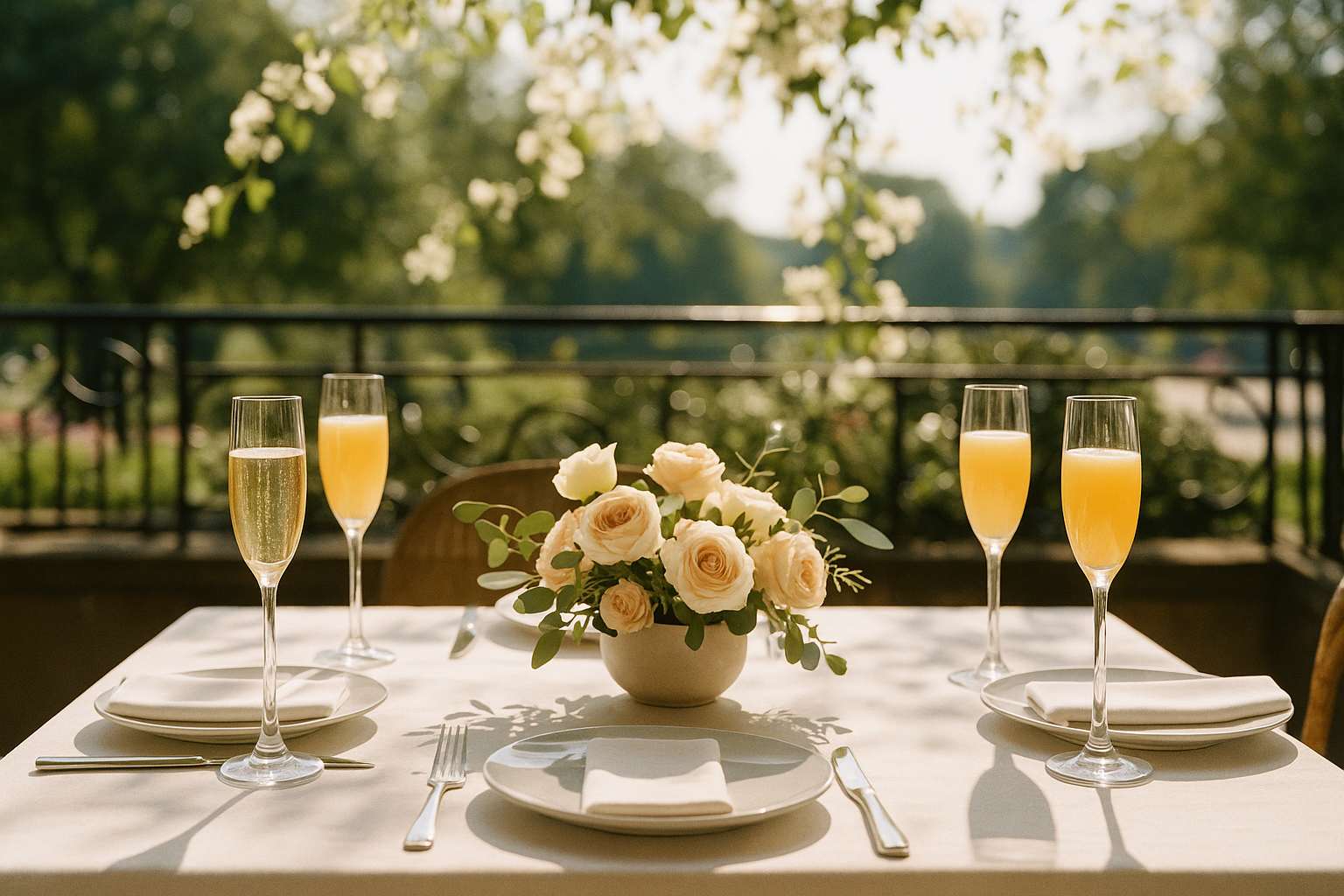
The morning-after brunch is your best opportunity for real, unhurried conversation with guests you barely got to speak with during the wedding itself. A buffet format from 10 am to noon, in the hotel's private dining space or a restaurant private room, costs $800 to $4,000 for most guest counts and requires very little programming — the occasion itself provides all the warmth needed.
The wedding reception is a beautiful whirlwind, and most couples arrive at the end of the night having had genuine conversations with fewer than a third of their guests. The morning-after brunch exists to solve exactly this — to give you and the people you love an unhurried hour or two of actual face time before everyone disperses back to their lives. Done well, it sends guests home with a complete, satisfying memory of the entire weekend rather than a single evening.
According to The Knot's post-wedding brunch planning guide, approximately 21 percent of couples host a formal morning-after event, with the percentage rising substantially among destination and multi-day weddings. Industry data confirms that 71 percent of wedding celebrations now span two to three days — meaning satellite events like the morning-after brunch are increasingly woven into guests' expectations at resort and destination venues.
When does a morning-after brunch actually make sense?
The brunch is not an obligation — it is a hospitality investment that pays real dividends in specific circumstances and adds genuine cost without proportionate value in others. Before planning one, ask two questions honestly: What proportion of my guests are staying overnight, and do I have the morning available?
Host a brunch if: A meaningful proportion of your guests traveled and are staying at hotels nearby. Your wedding is at a destination or resort venue where guests expect a full weekend experience. Your family places strong cultural or personal value on extended togetherness. You are not departing for your honeymoon the morning after the wedding.
Consider skipping if: The vast majority of your guests are local and will drive home after the reception. You have a morning flight or an early honeymoon departure. Budget is already stretched. You — honestly and reasonably — need the morning to recover.
No guest expects you to host while exhausted and emotionally spent. The morning-after brunch is a generous gesture; its value depends entirely on your ability to be genuinely present in it.
What format and venue work best?
The format decision is almost as important as the decision to host at all, because the wrong format creates pressure and logistical complexity that defeats the brunch's purpose.
Hotel or resort breakfast space: The most convenient choice for out-of-town guests. Negotiate a private room or a buyout of the hotel's restaurant breakfast service as part of your room block contract — many hotels offer per-person packages of $25 to $55 that include a buffet with coffee, juice, and table service. Book this in the same conversation in which you finalize your room block; bundling typically yields a meaningful discount. A private room is essential if you are only inviting a portion of the guests staying at the hotel, to avoid the awkward situation of uninvited guests encountering the event in a shared dining space.
Restaurant private dining room: A restaurant with a private dining room can accommodate 20 to 60 guests comfortably. Brunch menus typically run $25 to $45 per person before tax and gratuity. This option works beautifully for local or backyard weddings where guests are not concentrated in a single hotel. Call the restaurant directly and ask for a private dining inquiry — most restaurants with private rooms have a dedicated events contact who can provide a brunch proposal.
DIY or semi-DIY spread: For intimate groups under 30 guests, a bagel and lox spread, assorted pastry boxes from a local bakery, or a straightforward Panera Bread catering order is a warm and entirely respectable choice. A community space with basic kitchen facilities may rent for $50 to $150 for a morning slot. The DIY route works best when the group is small, the vibe is intentionally casual, and the couple has help — do not take on the logistics of setting up and breaking down a brunch on zero sleep without a trusted friend or family member managing it.
| Format | Estimated Cost | Best Guest Count | Best For |
|---|---|---|---|
| Hotel buffet package | $1,500–$4,000 | 40–80 guests | Destination weddings; out-of-town heavy guest mix |
| Restaurant private dining | $800–$3,000 | 20–60 guests | Local or urban weddings; couples who want off-site ambiance |
| Catered home or outdoor | $1,200–$3,500 | 30–80 guests | Estate or backyard weddings; personal, relaxed aesthetic |
| DIY bakery or bagel spread | $200–$600 | Under 30 guests | Intimate weddings; budget-conscious couples with small inner circle |
What should you serve, and what makes the brunch memorable?
The single most impactful brunch investment is coffee. A barista station or espresso setup — even a simple setup with a quality machine, oat milk, and a few syrup options — earns immediate, genuine goodwill from guests who stayed up late celebrating. Coffee before anything else. Always.
Beyond coffee, the best morning-after brunch menus are approachable, seasonal, and require no explanation. Eggs multiple ways (a frittata or scrambled egg station), fresh fruit, an assortment of pastries, bagels with cream cheese and smoked salmon, yogurt parfaits, and warm savories like mini quiche or biscuits cover every appetite without overwhelming anyone. Keep it buffet-style — individual plated service requires everyone to arrive simultaneously and eliminates the drop-in flexibility that makes this format work.
For a more festive touch, mimosas and Bloody Marys signal a celebratory tone without committing to a full bar. If your faith tradition, venue policy, or guest mix makes alcohol inappropriate for a morning event, sparkling cider and craft mocktails are lovely alternatives that signal the same festive intention.
Interactive elements have become popular additions at 2025 and 2026 wedding brunches: an acai bowl bar where guests add their own toppings, a charcuterie and cheese spread guests can graze at their own pace, or a simple wishes-and-advice card station where guests write a message or tip for the newlyweds. These elements give people something to do between conversations and create a natural flow throughout the event. According to Wedding Spot's brunch planning resources, interactive food stations consistently generate the most positive guest feedback at post-wedding events.
What cultural traditions shape the morning-after celebration?
Several rich cultural traditions give the morning-after gathering deeper meaning for couples drawing on their heritage.
In Hispanic tradition, the Tornaboda — a gathering the day after the wedding, typically at the family home — is a deep-rooted celebration that functions as both farewell and continuation. It often features leftover wedding food, family-style dishes, music, and the intimacy of close family gathered without the formality of the wedding day itself. For couples honoring this tradition, a catered brunch can beautifully integrate it while accommodating guests who are staying in hotels rather than family homes.
In Jewish tradition, the Sheva Brachot — the seven blessings recited at the wedding ceremony — are traditionally repeated at festive meals hosted by family and friends for each of the seven days following the wedding. The morning-after brunch is a natural expression of this extended celebration, provided a minyan (ten adults) is present and at least one panim chadashot (a guest new to the Sheva Brachot cycle) attends. Even couples observing this tradition in a more relaxed form appreciate the continuity it creates.
For Catholic and faith-based couples with Sunday weddings, a brunch after Sunday morning Mass can allow the congregation to celebrate together — sometimes as a community-organized potluck in the church hall, which takes all hosting responsibility off the couple's shoulders while creating genuine communal warmth.
Frequently asked
Do we have to host a morning-after wedding brunch?
Absolutely not — the morning-after brunch is a lovely option, not an obligation. Whether it makes sense for your wedding depends on a few practical factors: the proportion of out-of-town guests staying overnight, your honeymoon departure timing, and your own energy levels the morning after. If most of your guests are local and driving home after the reception, a formal brunch adds little value and real cost. If a significant portion of your guests traveled and are staying at a hotel, or if you are hosting a destination or resort-style wedding weekend, the brunch becomes genuinely appreciated — even expected. Industry estimates suggest approximately 21 percent of couples host a formal morning-after brunch overall; among destination weddings, the percentage is considerably higher. Skip it without guilt if budget or timing makes it impractical. Your guests will understand — no one expects to be fed twice on your dime.
What is the best format for a morning-after wedding brunch?
The buffet format with open seating is almost universally the most practical and guest-friendly choice. It allows guests to arrive and depart on their own schedule — critical when your crowd has varying checkout times, early flights, and different recovery needs. A hard-coded plated brunch forces everyone to arrive simultaneously, which creates logistical pressure that no one needs the morning after a wedding. For venues, the hotel's private event space or breakfast room is the most convenient option for out-of-town guests; negotiate it as part of your room block contract. For smaller, more intimate groups (under 30 guests), a private dining room at a local restaurant, a backyard, or even a beautifully arranged DIY spread at home can be genuinely lovely. The key signal of a good morning-after brunch is that it feels unhurried — no program, no formal speeches, just real time with people you love.
How much does a morning-after wedding brunch cost?
Cost varies significantly by format, guest count, and market. A hotel buffet package for 40 to 80 guests typically runs $1,500 to $4,000 at $30 to $55 per head before tax and gratuity. A restaurant private dining room for 20 to 60 guests typically ranges from $800 to $3,000. A catered home or outdoor setup runs $1,200 to $3,500 including setup, staffing, and basic rentals. A DIY bakery or bagel spread for intimate groups under 30 can be executed for $200 to $600 — a Panera Bread catering order, a selection of pastry boxes from a local bakery, or a bagel and lox spread are all entirely respectable and cost-effective options. Many couples negotiate all satellite event spaces — welcome party, brunch, and after-party — in one bundled conversation with their hotel venue, which can yield meaningful discounts compared to booking each separately.
What should we serve at a morning-after wedding brunch?
The most important element is excellent coffee — a strong coffee station or barista setup with espresso options is consistently the most appreciated detail at any morning-after brunch, and it signals competence and hospitality from the moment guests walk in. Beyond coffee, a buffet anchored in approachable comfort food works beautifully: eggs prepared multiple ways, fresh fruit, pastries, bagels and lox, yogurt parfaits, and a warm option like biscuits with butter. For a more festive, celebratory tone, mimosas and Bloody Marys are beloved and almost universally appropriate. Interactive stations — an omelet or frittata station, an acai bowl bar with toppings, a charcuterie and cheese spread — add visual interest and give guests something to engage with beyond sitting at their tables. Keep the menu seasonal and relatively simple; this is not the day to introduce guests to elaborate unfamiliar foods.
Who pays for the morning-after wedding brunch?
The couple pays — always. If you issue a formal invitation to an event, you are the host, and hosting means covering all costs. Inviting guests to a brunch and then presenting them with an individual check is a genuine breach of hospitality etiquette, particularly when those guests may have already invested in travel, hotels, and wedding gifts. If cost is prohibitive, the most gracious choice is simply not to host a formal brunch. An informal "we'll be at the hotel breakfast" announcement, where guests can join you in the hotel's public dining space and pay for their own meals, is a perfectly acceptable alternative — as long as it is communicated as an informal meetup and not framed with invitation language. Parents or in-laws who wish to host the brunch as a gift to the couple are welcome to do so; whoever's name appears on the invitation is responsible for all expenses.
When should the morning-after wedding brunch start and end?
A start time of 10 to 10:30 in the morning is the sweet spot for most wedding brunches — late enough to let guests sleep in and check out without rushing, early enough to accommodate early-afternoon flights and long drives. Plan for a duration of two to two and a half hours, with a hard end time of noon to 1 pm clearly stated on the invitation. Stating an end time is not rude — it is respectful of your guests' travel schedules and of your own need to begin your honeymoon or at least rest. A drop-in buffet format with open seating means guests can arrive at their own pace within the window rather than all at once. Include the start time, end time, location, dress code (unstated defaults to casual-smart), and a brief note that attendance is optional on the invitation or wedding website page.