Reception & Parties
Wedding Band and DJ Hybrid: Is the Combo Worth It?
A live band for dinner and first dances, a DJ to keep the dance floor packed from 9 PM onward — this hybrid format costs more but delivers something neither option can do alone.
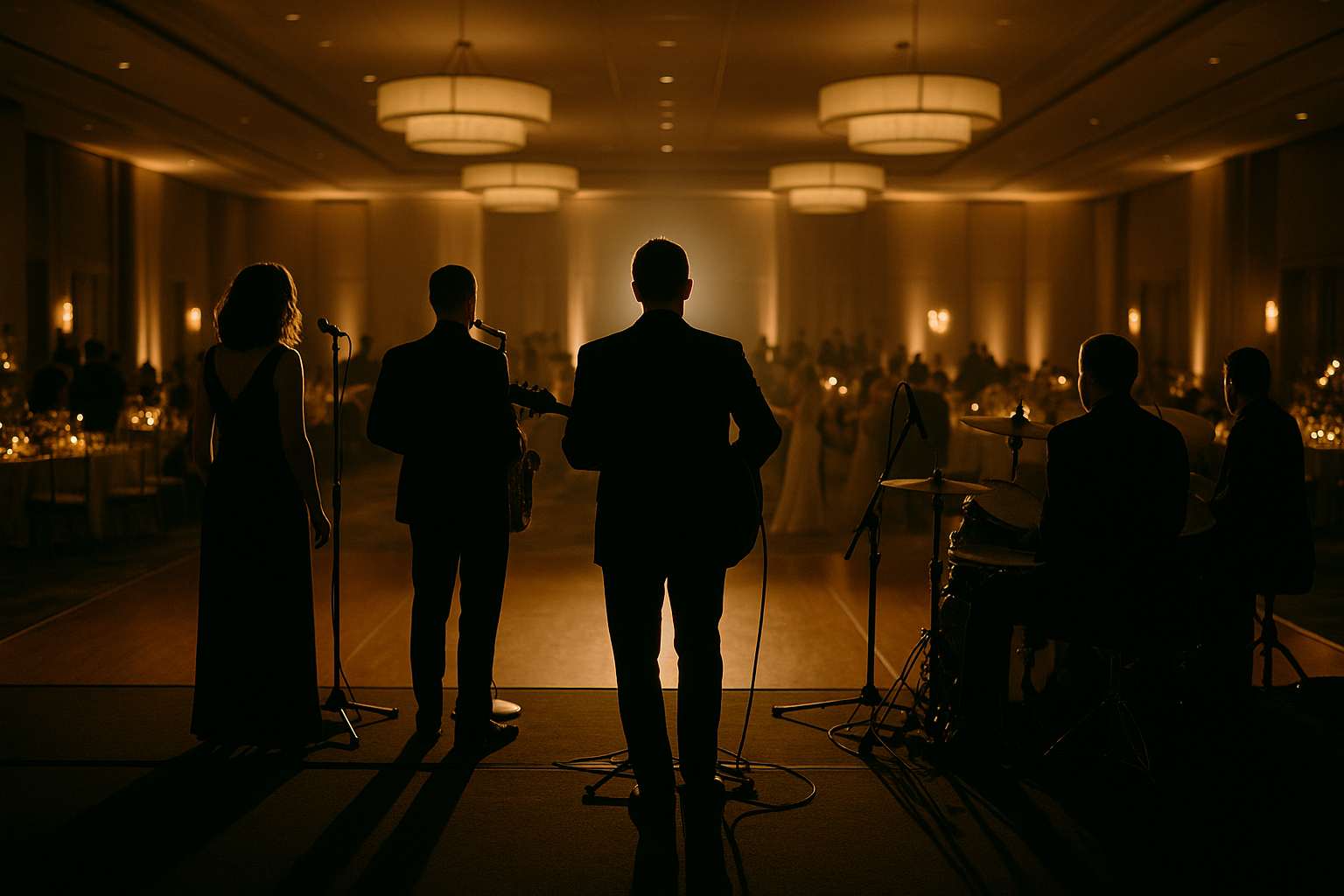
A band-and-DJ hybrid assigns the band to dinner and first dances — the moments where live musicianship creates emotional texture no recording matches — and the DJ to open dancing, where programming flexibility and DJ lighting sustain the floor. Expect to spend $7,000 to $15,000 in most U.S. markets for a quality hybrid; the premium over a band or DJ alone is typically $1,500 to $3,500. The format earns its cost at receptions of 100 or more guests where both elements — warm dinner atmosphere and an energetic dance floor — are equally important.
Why are couples choosing a band-and-DJ hybrid for their 2026 reception?
According to The Knot's 2025 Real Weddings Study, 27 percent of couples hired a DJ for their reception and 12 percent hired a live band — but a growing cohort hired both. The hybrid format is not new, but it is gaining traction as couples increasingly build longer receptions of five to six hours and want genuinely different entertainment energy across the evening rather than a single act sustaining one tone from cocktails to last call.
The case for a hybrid is structural: live bands and professional DJs are each objectively better at different segments of a reception. A live band creates warm, visual, emotionally textured entertainment that is the natural anchor for dinner service, first dances, and the parent dances — the moments where guests are seated, attentive, and emotionally present. A DJ excels in the second half: the ability to read the room in real time, pivot between genres and eras in seconds, layer in the current hits that bands rarely perform, and run a lighting setup optimized for a packed dance floor at full energy.
The hybrid format also offers a practical insurance policy. If the band's drummer is having an off night or the vocalists tire in the final hour, the DJ sustains the energy independently. Neither act carries the full weight of the evening alone.
How should you structure a hybrid band-and-DJ reception timeline?
The most effective hybrid structure runs as follows, with typical timing for a 5:00 PM ceremony and 6:00 PM reception:
- Cocktail hour (6:00–7:00 PM): Band plays a jazz or acoustic set in the cocktail space. Sets an elegant, social atmosphere. Alternatively, a duo or acoustic sub-group from the band can cover cocktail hour while the full band sets up in the reception room.
- Grand entrance and dinner (7:00–9:00 PM): Full band takes the reception room. Covers the grand entrance, first dance, parent dances, and dinner service. The emotional centerpiece of the evening lives here.
- Transition (approximately 9:00–9:20 PM): Scheduled activity — cake cutting, bouquet toss, or a toast — covers the 15 to 20 minute transition window as the band wraps and the DJ prepares to take the floor.
- Open dancing (9:20 PM–midnight or close): DJ assumes control of the reception. This is the high-energy segment: contemporary chart singles, throwbacks, requests, and genre pivots driven by how the floor is reading in real time.
According to WeddingWire's reception planning guide, the most common feedback from couples who tried a hybrid without a structured handoff plan was that the transition felt abrupt and broke the evening's momentum. Pre-coordination between the two acts is the single most important execution detail.
| Configuration | Market Type | Band Cost Range | DJ Cost Range | Hybrid Total (est.) |
|---|---|---|---|---|
| 3-piece band + DJ | Mid-market (Columbus, Charlotte, Denver) | $3,000–$5,500 | $1,500–$2,500 | $4,500–$8,000 |
| 4-piece band + DJ | Mid-market | $4,500–$7,500 | $1,500–$3,000 | $6,000–$10,500 |
| 4-piece band + DJ | Major metro (NYC, LA, Chicago) | $8,000–$16,000 | $2,500–$5,000 | $10,500–$21,000 |
| 6-piece band + DJ | Major metro | $15,000–$25,000 | $2,500–$6,000 | $17,500–$31,000 |
| Duo or trio + DJ | Mid-market (intimate receptions) | $2,000–$4,000 | $1,500–$2,500 | $3,500–$6,500 |
What are the most common mistakes couples make with a hybrid setup?
Three planning errors account for the majority of hybrid reception failures. First, booking both acts without ensuring they have coordinated their handoff — two great acts with no shared plan produce a transition that feels like a power outage. Second, failing to confirm PA system ownership: who provides the main sound system, who soundchecks it, and who is responsible when the DJ needs it for the second half. Third, overspending on the band and under-investing in the DJ. The hybrid's dance-floor energy lives in the DJ set; a mediocre DJ following a spectacular band creates a sharp downward step in the evening's energy. Budget both acts at the same quality tier.
The booking checklist should include: a production document shared with both acts at least 30 days before the wedding; direct confirmation that the bandleader and DJ have spoken by phone or video at least two weeks out; a venue walkthrough confirming stage space accommodates both setups; and a day-of coordinator on-site who owns the timeline and transition window.
Frequently asked
How much does a wedding band and DJ hybrid cost in 2026?
Combining a live band with a professional DJ for a single wedding reception typically runs $8,000 to $20,000 depending on band size, market, and DJ tier. A four-piece band in a mid-market city such as Columbus or Charlotte ranges from $4,000 to $7,000; add a professional DJ at $1,500 to $3,500, and total entertainment costs land between $5,500 and $10,500 before gratuity. In major metro markets — New York, Los Angeles, Chicago, Miami — band fees climb to $10,000 to $25,000 for premium acts and DJ fees to $2,500 to $6,000, making a full hybrid arrangement $12,500 to $31,000. Most couples using a hybrid format book a smaller band (three to four pieces) to moderate overall costs while maintaining the live music experience they want, then invest in a polished DJ for the later dance floor hours. Gratuity of $100 to $200 per musician and $150 to $250 for the DJ is standard industry practice.
What is the ideal structure for a band-and-DJ hybrid reception?
The structure that works most reliably assigns each act to the segment where it performs best. The live band owns the early-evening emotional moments: cocktail hour, the grand entrance, dinner service, and the first dances. These are the segments where live musicianship — the visible energy of performers, the subtle dynamic variation of a real rhythm section, the warmth of acoustic or electric instruments — creates atmosphere that recorded music cannot replicate. The DJ takes over after dinner service ends, typically around 9 PM, for open dancing through the reception close. DJ lighting, the ability to read and pivot instantly across genres, and the capacity to layer in contemporary chart music create a different kind of energy on the dance floor — one that sustains itself for two to three hours. The cleanest handoff comes when both acts have coordinated the transition set-list and the DJ picks up the energy with a recognizable, high-energy opening song.
Can a band and DJ share the same stage setup?
Yes, and logistics planning is the make-or-break variable. Confirm with your venue that the stage or performance area accommodates both acts simultaneously, because the DJ setup typically coexists with band equipment rather than replacing it entirely. A standard setup places the DJ booth at one side or front corner of the stage, with the band's backline remaining in place through the DJ's set. The DJ uses the same main PA system the band has run all evening, or transitions to their own speakers if the band takes their equipment — confirm this handoff detail in writing with both acts during booking. The stage changeover from band set to DJ mode runs 15 to 20 minutes if well-coordinated; venue coordinators should schedule a transition activity — the cake cutting, bouquet toss, or a brief speech — to cover this window without guests noticing a gap in the energy.
Is a band-and-DJ hybrid worth the extra cost?
For receptions of 100 or more guests where dancing matters as much as dinner atmosphere, the hybrid format consistently outperforms either option alone on measured guest satisfaction. The band creates the irreplaceable live-music moments of the first dances and dinner hour; the DJ's programming flexibility keeps the dance floor populated through closing. The cost premium — typically $1,500 to $3,500 more than a band alone — is justified when the couple prioritizes both elements. For smaller or shorter receptions under three hours, a polished band or an outstanding DJ alone often delivers better value than a hybrid arrangement. The calculation also depends on your musical priorities: if your most important dance-floor songs include current chart singles and remixes that live bands rarely perform authentically, a DJ-led reception may serve you better than a hybrid with a band in the leading role.
What should I ask when booking both a band and a DJ?
The most important questions address coordination and logistics, not just musical quality. Ask each act: Have you worked with a band-and-DJ hybrid format before, and with how many other acts? What is your process for coordinating the transition with the other act? Who brings the PA system and who is responsible for soundcheck? What is your policy if the other act runs overtime and compresses your set? Ask both acts to confirm they will speak to each other directly before the event date — not only through your coordinator — so the handoff timing and transition playlist are agreed in writing. Also confirm: will both acts attend the rehearsal or at minimum share a production document? For your DJ, specifically ask about their lighting rig and whether it integrates with the band's existing lighting plan or operates independently.
What size band works best for a hybrid format?
A three- to four-piece band is the sweet spot for a hybrid format because it keeps entertainment costs manageable while delivering the core live-music experience — vocals, guitar, bass, and either keys or drums. A four-piece with strong vocalists covers the full catalog of romantic ballads, dinner background, and first-dance material that the band owns in a hybrid structure. Larger ensembles of six to ten musicians produce a fuller, more cinematic sound and create spectacular live moments, but at two to three times the cost of a four-piece, they require a correspondingly larger overall entertainment budget. A duo or trio can work in intimate settings under 80 guests. The hybrid format amplifies whatever quality level the band brings — a skilled four-piece band plus an excellent DJ outperforms a mediocre seven-piece band paired with a mediocre DJ on virtually every reception metric.
How do I make sure the band and DJ stay in sync during the reception?
Written coordination is the single most important preparation step. After booking both acts, send each a production document that includes: the exact timeline from ceremony end to reception close, the handoff time (e.g., DJ assumes control at 9:15 PM), the must-play list for each act, the do-not-play list for both, the name and direct contact of the other act, and your venue coordinator's contact. Request confirmation from both acts that they have reviewed this document and contacted each other. The band's bandleader and the DJ should be in direct communication at least two weeks before the wedding to confirm the transition plan, equipment handoff, and the opening song for the DJ set. Assign your venue coordinator or a day-of coordinator as the on-site point of contact for both acts — they own the timeline and can intervene if the handoff needs adjustment.