Reception & Parties
Wedding Content Creator: Do You Need One at Your Wedding?
A wedding content creator is not your photographer or videographer — they capture the behind-the-scenes moments your guests will actually share. Here is what they do, what they cost, and how to decide if you need one.
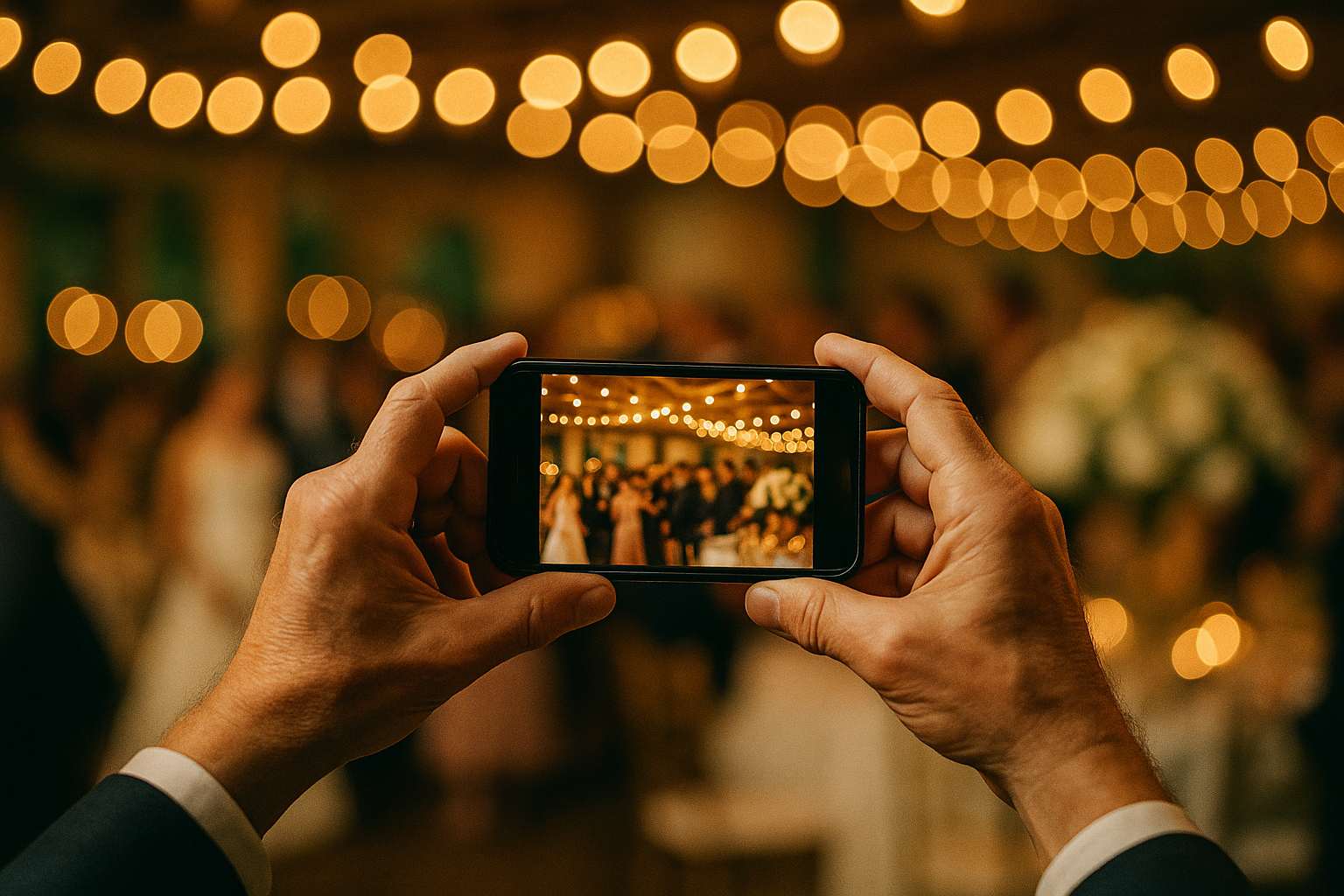
A wedding content creator captures behind-the-scenes moments and delivers edited Reels and vertical video within 24–48 hours — something your photographer and videographer do not do. They cost $500–$4,500 depending on experience and market, and are worth it if you are active on social media and value same-week sharing.
What is a wedding content creator, exactly?
If you have ever watched a beautifully edited Instagram Reel of a bride laughing with her bridesmaids during getting-ready coverage, or a candid slow-motion clip of the first dance from a cinematic angle that feels nothing like the stiff footage a wedding guest would take — that is the work of a wedding content creator.
A content creator is a vendor who captures phone-native, socially formatted content throughout your wedding day: behind-the-scenes video, candid photography, getting-ready moments, candid guest reactions, and the unscripted magic that happens between the formal events your photographer and videographer are positioned to cover. They use smartphones and lightweight rigs rather than professional cinema cameras. And crucially, they deliver edited content within 24–48 hours of your wedding day — meaning your Reels are ready to post before you are even back from your honeymoon.
This role is entirely distinct from your photographer and videographer. According to Zola's expert wedding advice, wedding content creators are now the number-one unique vendor hire at American weddings, representing 22% of all niche vendor bookings in 2025–2026. One in five couples now hires one.
How does a content creator differ from a photographer and videographer?
| Vendor | Equipment | Deliverable | Delivery Timeline | Typical Cost |
|---|---|---|---|---|
| Photographer | Professional DSLR / mirrorless | 600–1,000+ edited still photos | 4–12 weeks | $2,500–$6,000+ |
| Videographer | Cinema cameras, stabilizers, audio gear | Highlight film + full-length feature | 6–16 weeks | $2,000–$10,000+ |
| Content Creator | Smartphone, lightweight rig | 300+ candid photos/clips + 3–5 edited Reels | 24–72 hours | $500–$4,500 |
The three roles are genuinely complementary rather than redundant. Your photographer creates the timeless documentary archive you will print and frame. Your videographer produces the cinematic film you will watch on anniversaries. Your content creator delivers the raw, real, shareable moments your guests and followers see first. The content creator never replaces the other two — but for couples who want immediate social sharing and behind-the-scenes coverage, they fill a genuine gap.
What does a wedding content creator actually deliver?
Package scope varies by creator and price tier, but a typical full-day content creator package includes:
- 300+ photos and video clips delivered as a camera roll — candid, unfiltered, behind-the-scenes
- 3–5 edited Reels optimized for Instagram and TikTok (vertical 9:16 ratio, 30–90 seconds)
- Behind-the-scenes getting-ready coverage — the category most consistently missed by photographers and videographers
- Reception candids — guest reactions, dance floor moments, late-night food stations
- Raw footage delivery within 24 hours; edited clips within 48–72 hours
Premium packages at the $1,800–$4,500 tier may include same-day edited Reels delivered before the reception ends, Story takeover coverage, and multi-day coverage for destination weddings or multi-event celebrations.
How much does a wedding content creator cost in 2026?
| Tier | Package | Price Range | Typical Market |
|---|---|---|---|
| Entry-level / newer | Half-day (4–5 hours) | $500–$900 | Secondary markets; less experience |
| Mid-range professional | Full day (8–10 hours) | $900–$1,800 | Most U.S. markets; strong portfolio |
| Experienced / destination | Full day or multi-day | $1,800–$4,500+ | Major metros; destination events |
| California / NYC premium | Full day | $1,800–$2,800 | High cost-of-living markets specifically |
One Story Weddings' 2026 cost guide confirms that over 60% of couples in their survey paid between $500 and $999 for content creation services — making this the most accessible premium vendor category currently in the market.
How do you find and vet a wedding content creator?
The vetting process begins with the portfolio — but the portfolio must be viewed on the right platforms. Instagram Reels and TikTok, not a static website gallery, are where a content creator's actual craft is visible. Watch their wedding-specific work: does the editing feel warm and present, or over-filtered and impersonal? Do they capture emotion — the groom's face when the doors open, a grandmother wiping a tear — or primarily aesthetic details?
Ask every candidate these six questions before booking:
- Can you show me a complete set of deliverables from a past wedding — not a highlights reel?
- How do you coordinate with the photographer and videographer to avoid competing for the same moment?
- What is your experience with low-light indoor reception coverage?
- What is the exact minimum deliverable count specified in your contract?
- Who owns the usage rights to all content you deliver to me?
- What is your backup plan if you cannot attend the day?
Strong candidates answer all six confidently. Vague answers on delivery counts, rights, or coordination protocols are genuine red flags in a vendor category where expectations can easily diverge from outcomes if not specified in writing.
When should you skip hiring a content creator?
Despite the trend data, a wedding content creator is genuinely optional — and the case for skipping is clear in the right circumstances. If your budget is stretched and you must choose, photography comes first without exception. If you are planning an intimate elopement or a ceremony where privacy is paramount, the content creator role may conflict with the atmosphere you want to create. If you are not active on Instagram or TikTok and would not use the content in the days following your wedding, the investment may not return value proportional to its cost.
The honest measure is this: will you reach for your phone in the week after your wedding wanting behind-the-scenes content to share? If the answer is yes, a content creator belongs on your vendor list. If the answer is no, that budget is better directed toward photography, florals, or the experience itself.
Frequently asked
What exactly does a wedding content creator do, and how are they different from a videographer?
A wedding content creator captures behind-the-scenes, socially native content — short-form vertical video and candid photography — specifically formatted for Instagram Reels, TikTok, and Stories. They use mobile devices rather than professional cinema cameras and deliver edited content within 24–48 hours. A videographer creates a cinematic, edited wedding film delivered weeks later — a timeless document of the ceremony and reception. The two roles are genuinely complementary: your videographer produces the film you watch on anniversaries; your content creator produces the behind-the-scenes footage you share the morning after. Zola's 2026 Wedding Spend Survey confirms content creators are now the number-one requested unique vendor category, hired at 22% of all weddings that included a niche vendor. If budget forces a choice, prioritize professional photography first — but for socially active couples, both serve genuinely different purposes.
How much does a wedding content creator cost in 2026?
Wedding content creator pricing in 2026 varies by experience level, market, and package scope. Entry-level or newer creators charge $500–$900 for a half-day (4–5 hours). Mid-range professionals with a strong wedding portfolio charge $900–$1,800 for a full day. Experienced creators working in major metropolitan markets or covering destination weddings charge $1,800–$4,500 or more. According to Zola's 2026 spending data, over 60% of couples who hired a content creator paid between $500 and $999 for their services. California-specific data from One Story Weddings and Plan With Laur confirms higher pricing at that market tier: half-day coverage runs $900–$1,400, and full-day coverage runs $1,800–$2,800. Most packages include a minimum of 300 iPhone-quality photos and video clips, two to four edited Reels or TikTok-ready clips, and delivery within 24–48 hours. Always confirm delivery timeline, minimum content count, editing style, and usage rights in writing before signing.
How do I vet and hire a wedding content creator?
Reviewing a creator's portfolio is essential — but watch their actual Reels and TikTok videos, not just still photos. Do they capture emotional moments, or primarily visual aesthetics? Ask whether their portfolio includes weddings similar in style, size, and cultural background to yours. The questions that separate strong candidates from weak ones: Can you show me a full wedding's deliverables, not just highlights? How do you coordinate with the photographer and videographer? What is your low-light experience? What is the minimum content count in the contract? Do I own unlimited usage rights to everything you deliver? Strong creators answer all without hesitation. Require deliverables — minimum counts, editing style, format, delivery date — to be specified in the contract before any deposit is paid.
When is a wedding content creator worth hiring, and when should you skip it?
A wedding content creator is a clear value-add if you are active on Instagram or TikTok, want behind-the-scenes coverage your photographer and videographer will not capture, or plan to use your wedding content for a blog or extended social presence. Zola's 2026 data confirms couples are more likely to regret not hiring a content creator than to regret the spending — particularly in the 25–35 age group. The case for skipping is equally clear: if your budget is stretched and you must choose, photography comes first. If privacy is paramount — an intimate elopement or a traditionally observant ceremony — a content creator may not fit the atmosphere you want. The role is genuinely optional in a way photography is not: your photographs are irreplaceable; behind-the-scenes Reels are wonderful but not essential.
How does a wedding content creator coordinate with the photographer and videographer?
Coordination is your responsibility as the couple — not something to leave three professionals to sort out on the day. Send an introduction email connecting your content creator, photographer, and videographer at least four to six weeks before the wedding, including a brief overview of each person's role and deliverables. On the day, the content creator should understand that the photographer and videographer have priority positioning for ceremony and formal portrait moments — the creator captures what happens in the spaces those professionals cannot cover simultaneously. A brief in-person introduction at the start of getting-ready coverage establishes working rapport. The best content creators are experienced at working invisibly alongside professional photo-video teams and will have navigated this coordination many times before.
What should be included in a wedding content creator contract?
A content creator contract should specify: coverage hours and areas (getting ready, ceremony, cocktail hour, reception); minimum deliverables (300+ photos/videos, three to five edited Reels); editing style and format (vertical 9:16 for Reels/TikTok); delivery timeline (raw footage within 24 hours, edited clips within 48–72 hours); unlimited usage rights to all delivered content; the cancellation and backup policy; and the creator's policy on featuring your wedding in their own portfolio. Vague contracts that promise 'a highlight reel' without specifying length, format, or minimum content count leave too much room for disappointment. If a creator is reluctant to commit to specific deliverables in writing, that reluctance is itself important information about how they manage client expectations.