Reception & Parties
Wedding MC Duties: What Every Couple Should Know in 2026
The master of ceremonies is the voice of your wedding reception — and the single most underestimated role in the entire event. Here is exactly what the MC does, how to prepare them, and how to choose between a DJ-MC, a friend, or a professional.
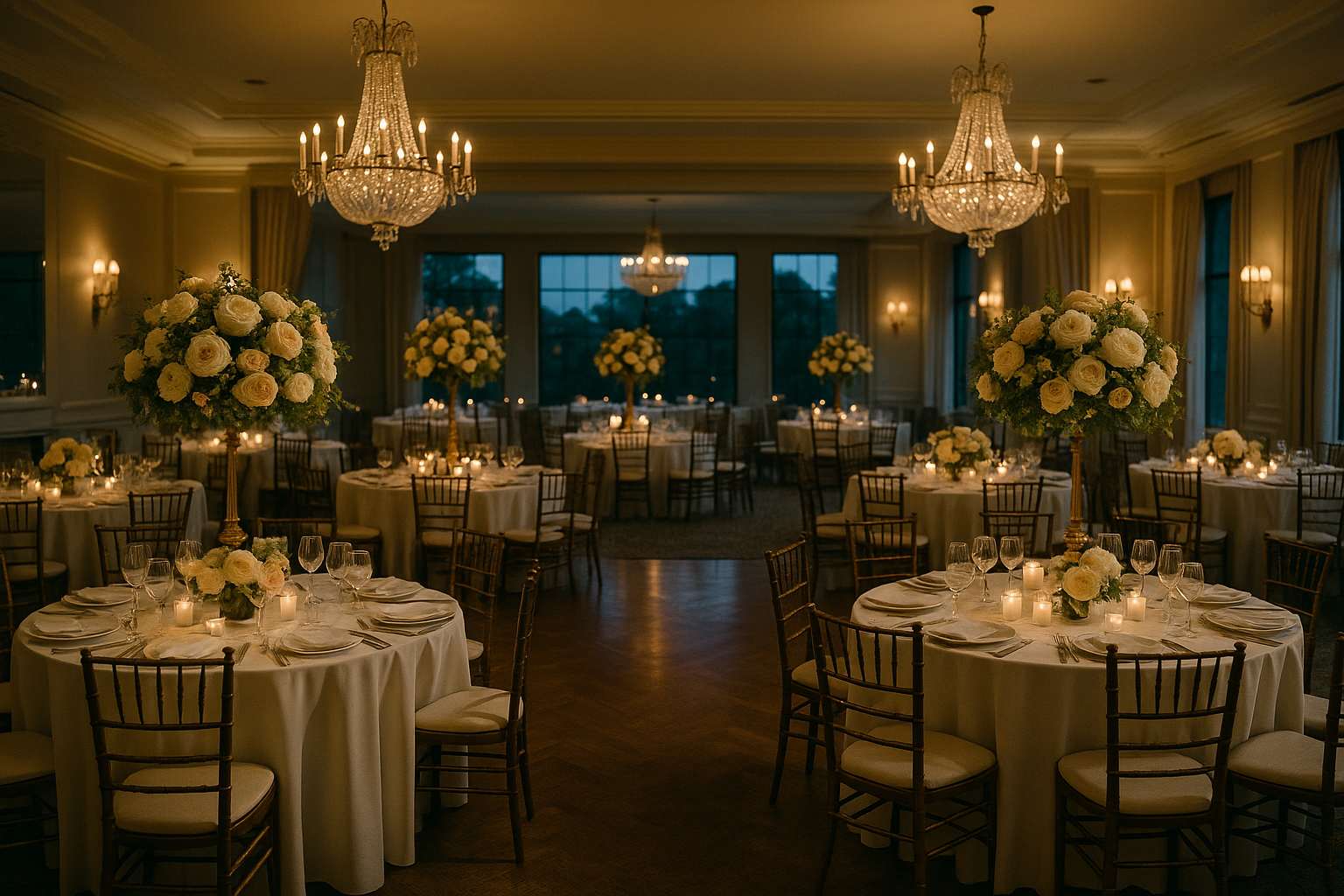
The wedding MC is the voice of your reception — announcing every transition, managing guest energy, and coordinating in real time with your photographer, caterer, and entertainment. Most wedding DJs include MC duties in their packages; a friend MC can work beautifully when properly prepared. Either way, preparation is everything.
After your venue is booked and your photographer is signed, there is one more role in your reception that will shape your guests' experience more than almost any other — and it is one most couples give remarkably little thought to until the week before the wedding. The Master of Ceremonies is the human thread that holds your entire evening together. They are the voice your guests trust, the person who signals when to settle down and when to let go, the coordinator who keeps fourteen vendors and 150 guests moving through a complex evening without anyone feeling the machinery behind it.
Done well, the MC role is nearly invisible — guests simply feel that the evening flowed. Done carelessly, every seam shows.
What are the full duties of a wedding MC, from start to finish?
The MC's responsibilities span the entire reception, not just the announcement moments. Here is what a thorough, professional MC actually manages across a standard five-hour wedding reception.
| Reception Phase | MC Responsibility | Vendor Coordination Required |
|---|---|---|
| Cocktail hour | Guest management if any opening remarks; signal venue staff of timeline | Caterer (timing of passed appetizers), coordinator |
| Grand entrance | Welcome, wedding party introductions with pronunciation-accurate names, couple entrance | DJ/band (cue music), photographer (positioning) |
| Opening remarks | Welcome guests, set tone, housekeeping (restrooms, gift table, phone policy) | None — MC owns this moment |
| Dinner service | Announce dinner format, manage energy during meal; signal when toasts will begin | Caterer (service timing), DJ (background music level) |
| Toasts and speeches | Introduce each speaker by name and relationship; manage timing if speeches run long; transition between speakers | Coordinator (speaker order), AV/DJ (microphone handoff) |
| First dance | Announce and introduce; clear the dance floor; transition to parent dances seamlessly | DJ/band (music cue), photographer (positioning) |
| Cake cutting | Announce and invite guests to witness; cue catering captain to prepare for service | Caterer, photographer |
| Bouquet / garter toss | Invite participants, manage floor logistics, keep energy high | DJ/band, photographer |
| Open dancing | Periodic energy lifts; manage late-night transition; communicate last dance timing to guests | DJ/band (ongoing coordination) |
| Send-off and farewell | Final remarks, thank guests, invite to send-off line; confirm couple's exit logistics | Coordinator, transportation vendor |
Who should serve as your wedding MC — and how do you decide?
Three options serve most couples well: a professional wedding DJ who includes MC services, a friend or family member, or a hired professional emcee. Each has genuine strengths and real limitations.
The DJ-as-MC is the most common arrangement in the United States, and when done well, it is seamless. According to WeddingVenture's 2026 guide to reception hosting, the DJ-MC combination works because the DJ is already embedded in the vendor communication chain — they are coordinating with the caterer and photographer throughout the evening regardless. Adding MC duties to that role creates a single point of contact for the entire reception's flow. The critical vetting question: ask your DJ to walk you through exactly how they prepare for and execute the grand entrance introduction. A DJ with a clear, practiced answer has done this before. A DJ who says "I just go with the flow" on announcements is a meaningful risk for a formal reception.
A friend or family member MC works beautifully when the right person is chosen and thoroughly prepared. The right person has natural comfort in front of crowds, a clear voice, organizational reliability, and the emotional composure to stay composed if something unexpected happens. Preparation is the entire game: give your friend MC a phonetic name list, a detailed run-of-show document, and at least two practice run-throughs. A thirty-minute call with them in the week before the wedding, walking through every cue and transition, is time extraordinarily well spent.
A professional standalone MC ($500 to $2,000) makes excellent sense for large formal receptions, culturally complex events requiring significant stage presence, or couples whose entertainment vendor does not have strong MC experience. Professional emcees bring polished delivery, clear systems, and the ability to read a diverse crowd — qualities that matter increasingly as guest counts climb above 150 and as the reception program grows more complex.
How do you prepare your MC for the best possible performance?
The preparation you give your MC — regardless of whether they are a professional or your most charismatic college friend — is the primary determinant of how well the role is executed. The four materials every MC needs:
1. A detailed run-of-show timeline. Not a list of events — a minute-by-minute document that shows each transition, the timing, who is responsible for each cue, and what happens next. Your MC needs to know that at 7:45 p.m. they introduce the maid of honor for her toast, and that the DJ will fade the dinner music at 7:43 on a hand signal from the coordinator. That level of specificity prevents improvisation that disrupts the vendor chain.
2. A phonetic name guide for every person they will introduce. Every member of the wedding party, plus anyone giving a toast. Include full names as they wish to be called, the phonetic pronunciation, and their relationship to the couple. Mispronouncing the matron of honor's name in front of 180 guests is a painful, entirely preventable moment.
3. A tone brief and do-not-say list. Three to five sentences describing the emotional tone you want — warm and joyful, formal and elegant, irreverent and fun — alongside any topics, family sensitivities, or humor categories to avoid. The MC who does not have this information will improvise around it, and that improvisation will occasionally land exactly where you wished it would not.
4. Direct contact information for your photographer and coordinator. Your MC should be able to reach both with a text message during the reception if timing adjustments are needed. This is the communication chain that keeps all your vendors synchronized throughout the evening.
A wedding MC who is thoroughly prepared and clearly understands that their entire job is to make the couple feel celebrated — not to perform for the room — will produce an evening that your guests will describe, months later, as one of the most beautifully hosted events they have ever attended.
Frequently asked
What does a wedding MC actually do during the reception?
The wedding MC is the host of your reception from the moment guests are seated through the final farewell — the single voice that guides your entire evening. Their duties include welcoming guests and introducing the bridal party at the grand entrance, announcing every major reception transition (first dance, parent dances, cake cutting, bouquet toss, toasts, and any special presentations), coordinating in real time with your photographer, caterer, and DJ or band to ensure each moment is captured and serviced properly, and managing the energy of the room — lifting the crowd before high moments and quieting it before toasts. Crucially, the MC also solves problems invisibly: if a toast runs long, if a course is delayed, or if the DJ needs an extra minute, the MC fills that time gracefully without letting guests feel the seams. A skilled MC makes an evening with fifteen transitions feel like one continuous, effortless celebration.
Should our DJ serve as the wedding MC, or should we hire a separate emcee?
For the majority of weddings, a professional wedding DJ who includes MC duties in their package is the most practical and cost-effective choice. Most experienced wedding DJs have narrated dozens of receptions and have clear systems for managing name pronunciations, timeline adjustments, and guest energy. The risk to watch for: a DJ who says they are comfortable as an MC but has no clear philosophy or system around announcements, pronunciations, and contingency timing. During your DJ consultation, ask them to walk you through exactly how they would introduce your wedding party — that five-minute exercise reveals more than any testimonial. Separate professional MCs (outside speakers or emcees) typically cost $500 to $2,000 and make excellent sense for large, formal, or culturally complex receptions where the MC role demands sustained, polished stage presence beyond what a DJ's setup naturally supports.
Can a friend or family member serve as our wedding MC?
Yes — and when the right person is chosen and properly prepared, a friend or family member MC can bring warmth, humor, and personal connection that a professional simply cannot replicate. The criteria for choosing well: genuine comfort in front of a crowd, a voice that carries and a delivery that is clear and warm, organizational reliability (this person must study your timeline and know every detail cold), and the emotional composure to stay steady even if something goes unexpectedly. The most common failure mode is choosing someone purely on affection — your funniest friend may not be your most composed one under pressure. Give your chosen MC a detailed written timeline, a phonetic guide to every name they will announce, and at least two run-throughs before the wedding day. Brief them on your three to five absolute must-capture moments and confirm they have a direct communication channel with your photographer and coordinator.
What should we give our MC to prepare them for the wedding?
Your MC needs four documents from you: a detailed run-of-show timeline (every transition with timing, including who is responsible for each vendor cue), a complete name list with phonetic pronunciation guides for every person they will introduce, a do-not-say and tone brief (any topics, family sensitivities, or humor directions to observe), and your photographer and coordinator's direct contact information for day-of communication. Share these materials at least two weeks before the wedding so your MC can read through, practice pronunciations, and come back to you with questions. A thirty-minute call with your MC in the week before the wedding — walking through the timeline together — is one of the highest-value preparation investments available. The MC who arrives prepared is the MC who will save your evening if something unexpected happens, because they know the plan well enough to improvise around it gracefully.
What are the most common wedding MC mistakes to avoid?
The most consistent MC failures couples report after their weddings share a pattern: the MC made the evening about themselves rather than about the couple. This appears as jokes that run too long, personal anecdotes that guests cannot follow, or a tone that is more stand-up comedy than heartfelt ceremony host. The second most common failure is poor name pronunciation — mispronouncing the wedding party's names in the grand entrance is genuinely painful and easily prevented with a phonetic list prepared in advance. Third: an MC who improvises the timeline rather than following it. Your caterer needs to know when the toasts are starting; your photographer needs to be in position for the cake cutting; your DJ needs a cue for the first dance. An MC who goes off-script without coordinating with the vendor team creates a cascade of timing failures. The simplest antidote to all of these: thorough preparation, a detailed written run-of-show, and a clear understanding that the MC's primary job is to make the couple feel celebrated, not to be the star of the show.