Reception & Parties
Wedding Weekend Itinerary: The Complete Planning Guide for 2026
How to plan a multi-day wedding weekend — the welcome party, rehearsal dinner, wedding day, and farewell brunch — with a full sample timeline, budgets, guest communication strategy, transportation logistics, and cultural tradition notes.
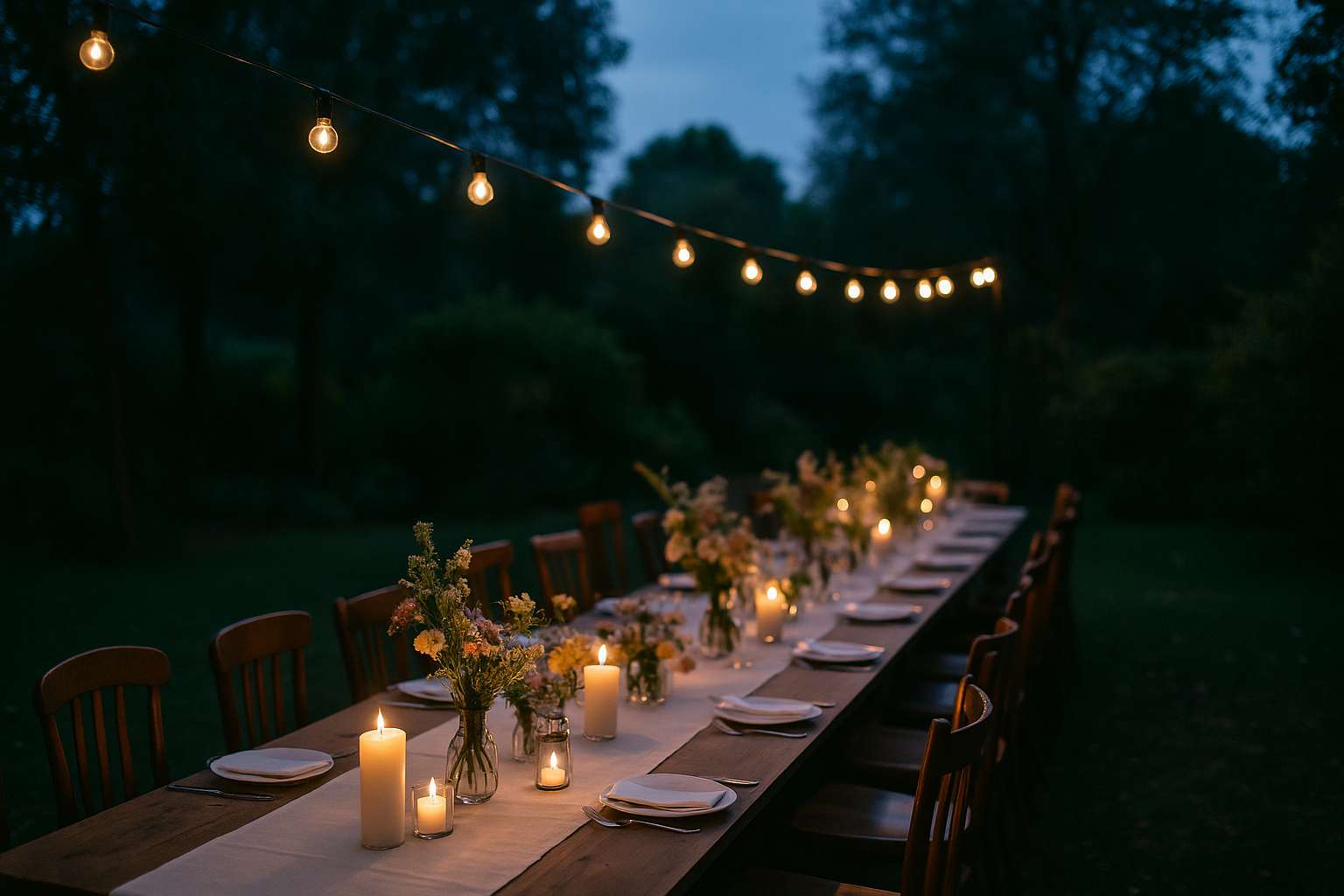
A wedding weekend typically spans Friday welcome event through Sunday farewell brunch. The essential framework: rehearsal dinner for the inner circle on Friday, wedding day on Saturday, and a relaxed farewell brunch Sunday morning. Differentiate each event's tone, protect the couple's energy, and build 20–30 minute buffers into every transition.
The modern wedding has grown beyond a single afternoon. Today's couples increasingly transform their celebration into a multi-day experience — and what was once primarily the domain of destination weddings is now a widely expected format for local celebrations as well. According to Zola's wedding planning data, the Friday-through-Sunday framework is now described by planners as "the new default" among couples marrying in 2025 and 2026.
The appeal is real: a wedding weekend honors the effort your guests made to travel, dress, and show up for you. It gives families who have never met time to bond before the wedding day. It creates a sustained emotional arc that one afternoon's reception simply cannot replicate. And for the couple, it offers something priceless: the chance to be genuinely present with the people you love, rather than racing through 200 handshakes in four hours.
This guide covers every dimension: the events themselves, a full sample three-day timeline, budget ranges by event, hotel and transportation logistics, guest communication, and the cultural traditions that naturally extend celebrations across multiple days.
What are the core events of a wedding weekend — and how are they different from each other?
A wedding weekend is built from three anchor events, each with its own purpose and its own distinct tone. The single most common planning mistake is letting the events blur together — a Friday welcome party that looks and feels like a Saturday reception fails both evenings. Contrast is what makes each event feel special.
| Event | Who Typically Attends | Primary Purpose | Tone | Typical Cost Range |
|---|---|---|---|---|
| Rehearsal Dinner | Wedding party + immediate family (20–50 guests) | Post-rehearsal gathering; toasts; family bonding | Moderate to elevated; intimate | $1,350–$4,500+ |
| Welcome Party | All guests invited | Icebreaker for out-of-towners; arrival celebration | Casual to relaxed; conversational | $500–$3,000+ |
| Wedding Ceremony & Reception | Full guest list | The main event; ceremony, dinner, dancing, send-off | Formal to celebratory; the emotional center | Varies; largest budget allocation |
| Farewell Brunch | All or most guests | Warm send-off; reliving highlights; proper goodbyes | Casual, relaxed, nostalgic | $500–$2,000 |
Many couples host a tiered Friday evening: a rehearsal dinner for the inner circle (wedding party and immediate families), then open the doors at 8:30 or 9:00 PM for all guests to join for dessert and drinks. This balances intimacy with inclusivity and controls per-person food costs without making broader guests feel excluded from the weekend's opening.
What does a complete three-day wedding weekend itinerary look like?
The framework below is built from three fixed anchor points — the rehearsal time, the ceremony start time, and the hotel checkout time — and works backward and forward from each. Adapt it to your guest count, venue type, and family culture; the proportions are what matter more than the exact hours.
| Day | Time Block | Event | Notes |
|---|---|---|---|
| Friday | 2:00–5:00 PM | Rehearsal at ceremony venue | Wedding party + officiant; 60–90 minutes; buffer for late arrivals |
| Friday | 6:30–8:30 PM | Rehearsal dinner (inner circle) | 20–50 guests; toasts; intentionally different tone from reception |
| Friday | 8:30–10:30 PM | Welcome party opens to all guests | Dessert + drinks; relaxed mingling; no long speeches |
| Saturday | 9:00 AM–1:00 PM | Bridal party hair, makeup, and photography | Build 90-minute buffer beyond expected finish; do not rush this |
| Saturday | 3:00–4:00 PM | Ceremony | Timing often anchored to golden-hour photography window |
| Saturday | 4:00–5:00 PM | Cocktail hour | Guests explore venue; couple completes portraits; this is not dead time for guests |
| Saturday | 5:00–10:00 PM | Reception (dinner, toasts, dancing) | Full-service reception; last dance + send-off |
| Saturday | 10:00 PM–12:00 AM | Optional after-party | At venue or nearby; clearly communicated as optional; shuttle service essential |
| Sunday | 10:00 AM–12:00 PM | Farewell brunch | Start after 10 AM to allow recovery; hotel checkout typically 11 AM–12 PM; 90 minutes is ideal length |
Sequencing principles that experienced planners return to consistently:
- Alternate intensity with rest. If Friday runs lively and late, Saturday morning should be unhurried. If the reception goes until midnight, Sunday brunch starts at 10 AM, not 8:30.
- Build in 20–30 minute buffers before and after every major transition. Any task that takes five minutes on a normal day takes thirty minutes on a wedding day.
- Protect the couple's energy. Schedule protected time for rest and personal preparation. An exhausted couple on their wedding day is the most preventable — and most common — outcome in multi-day planning.
- Differentiate each event visually and tonally. Different tableware, different lighting, different music style, different pace. Contrast is what makes each moment feel distinct and memorable.
How do I handle hotel blocks, welcome bags, and transportation for a multi-day weekend?
Logistics are where wedding weekends succeed or quietly fail. Out-of-town guests who cannot find their hotel, miss a shuttle, or receive a welcome bag without a legible itinerary become small but persistent problems that create stress for the couple and the coordinator.
Hotel room blocks: Reserve blocks six to nine months in advance for peak seasons (May through October). Offer at least two options at different price points to accommodate varied guest budgets. Include block booking links prominently on the wedding website. Negotiate perks beyond room rate: complimentary breakfast, early check-in, late checkout, or a hospitality suite where guests can gather informally outside of organized events. Confirm the cut-off date (typically thirty to sixty days before the wedding) and send guests proactive reminders two to three weeks before it expires.
Welcome bags: The 2025–2026 sweet spot is $25 per bag, with $3 to $5 per bag for hotel delivery (confirm logistics with the hotel four to six weeks in advance). The non-negotiable core: a printed weekend itinerary card, a personal note from the couple, and a bottle of water with local snacks. For destination weddings, one locally made item — a jar of regional honey, artisan hot sauce, or a small bar of local chocolate — elevates the bag from a logistics exercise into a memorable gesture of place.
Shuttle and ground transportation: Book shuttle vendors three to six months in advance. Standard shuttles hold 20 to 55 passengers depending on the vehicle; plan runs every 30 to 45 minutes for larger guest counts. Always provide a return option after the reception or after-party for guests who have been drinking — this is a practical and safety-minded decision that guests notice and appreciate. Share the shuttle schedule in the welcome bag, on the wedding website, and in a day-of text reminder. Designate a single logistics contact — coordinator or a trusted family member — to manage shuttle communications on the day.
How do wedding weekend traditions differ across cultures?
Multi-day celebrations are not a contemporary invention — they are the native format of many of the world's richest wedding traditions. Understanding your heritage context is one of the most meaningful ways to shape a wedding weekend that honors where you come from.
South Asian and Hindu weddings traditionally span three to four days. The pre-wedding events carry their own named ceremonies: the Haldi (turmeric ceremony applied to the bride and groom for skin blessing), the Mehndi (henna gathering for the bride and female relatives), and the Sangeet (a music and dance celebration for both families). The main ceremony day features the Baraat (the groom's arrival procession), the sacred fire rituals, and the Saptapadi (seven vows around the fire). Each day has distinct attire, color palettes, and guest expectations. Total spend for a South Asian wedding in a U.S. metro market frequently runs $60,000 to $150,000 or more across all events combined.
Jewish weddings extend naturally into a week-long celebration through the tradition of Sheva Brachot — seven evenings of celebratory dinners hosted by family and friends in the week following the wedding, each including the recitation of the seven blessings over a cup of wine. For Shabbat weddings (Friday night), a Friday evening Shabbat dinner for the couple's closest community is a natural opening event.
Italian and Southern European weddings frequently extend across two days: Saturday's religious ceremony and formal dinner reception, followed by a Sunday lunch or brunch gathering with remaining family — the secondo giorno (second day) — which is casual, food-centric, and deeply family-oriented.
Nigerian and West African traditions often feature a traditional engagement ceremony on Friday (called the introduction ceremony), followed by a formal white wedding the next day. Both events are full celebrations with distinct attire, live music (Afrobeats or highlife), and abundant food. Guest counts are typically large — 200 to 400 or more — and the expectation of hospitality at both events is a cultural priority.
Whatever the format your family brings, the governing principle is the same: each event should feel intentional, each guest should feel welcomed, and the couple should arrive at the ceremony rested, present, and genuinely joyful — not exhausted from managing a three-day production. Build the itinerary to serve those ends, and the rest will follow.
Frequently asked
What events make up a typical wedding weekend?
A standard three-event wedding weekend runs from Friday evening through Sunday morning. Friday hosts the rehearsal (for the wedding party and immediate family) followed by either a rehearsal dinner for the inner circle or a broader welcome party for all guests — or both, with a tiered format where the inner dinner opens up to all guests for dessert and drinks at a later hour. Saturday is the wedding day itself: ceremony and reception, often with an optional after-party for those who want to extend the evening. Sunday closes the weekend with a farewell brunch — a relaxed, typically casual gathering that gives guests a chance to say proper goodbyes, relive highlights from the night before, and depart at their own pace. Many couples also add optional activities (wine tastings, guided walks, morning yoga) for guests on-site at a destination or estate venue.
Who traditionally pays for the rehearsal dinner?
Traditionally, the groom's family hosts and pays for the rehearsal dinner — a convention rooted in the historical framework where the bride's family carries the primary wedding budget. In 2025–2026 practice, responsibilities are negotiated freely based on family circumstances, financial capacity, and personal preference. Many couples now host the rehearsal dinner themselves; others split costs across both families; some families naturally absorb it as their primary contribution to the celebration. What matters most is a clear agreement reached well in advance — with specific dollar amounts and responsibilities confirmed before any venue is booked. The national average rehearsal dinner cost according to The Knot is approximately $2,750, with destination weddings averaging higher at $3,838 or more.
Do I need to host both a welcome party and a farewell brunch?
No — and many couples on careful budgets choose one or the other. If you must prioritize one, the welcome party typically provides greater logistical and social value: it orients guests before the busy wedding day, helps out-of-town visitors feel welcomed in a new city, and gives families who have never met time to connect before the emotions of the wedding day arrive. The farewell brunch is a warm and meaningful closing ritual, but it is optional. If budget is the constraint, a semi-hosted brunch format — meeting at a recommended restaurant where the couple covers coffee and juice and guests handle their own food — is an accepted middle path when framed clearly and communicated in advance so no guest arrives expecting a fully hosted meal.
How do I communicate the weekend itinerary to guests?
The wedding website is the primary operational hub for guest communication across a multi-day weekend. Publish a draft itinerary — with event names, times, locations, and dress codes — as soon as major events are confirmed, typically four to six months out, so guests can book travel accordingly. Digital itinerary platforms including Joy and Zola allow you to publish interactive, mobile-friendly schedules guests can access on their phones throughout the weekend. Include a printed itinerary card in welcome bags upon arrival — this is the single most-requested piece of information by arriving guests. Mail a formal invitation itinerary insert six to eight weeks before the wedding for multi-event weekends. Send a final logistics reminder text or email one week before with shuttle schedules, addresses, and the weekend contact person's phone number.
How much does a wedding weekend cost compared to a single-day wedding?
The biggest cost multiplier in a wedding weekend is food: you are hosting guests across four to six meal occasions over two to three days rather than one reception dinner. A single-day wedding might allocate $8,000 to catering; a three-event wedding weekend (rehearsal dinner, reception, farewell brunch) routinely reaches $15,000 to $20,000 in food and beverage alone in a mid-range market. Using 2026 national estimate ranges: a rehearsal dinner for 40 guests runs $1,350 to $4,500; a welcome party (if separate) $500 to $3,000; welcome bags $15 to $40 per bag plus $3 to $5 hotel delivery; a farewell brunch $500 to $2,000; guest shuttle service $600 to $2,000. The total pre- and post-wedding event budget for a full weekend typically adds $4,000 to $12,000 above the base wedding spend, depending on guest count and hosting ambition.
What should be included in a wedding welcome bag?
The welcome bag has one non-negotiable function: oriente guests to the weekend. A bag that omits the itinerary card has failed its core purpose, no matter how beautifully curated its other contents are. The essential trio is a printed weekend itinerary card (every event with time, location, and dress code), a brief personal note from the couple, and a bottle of water with local snacks. Elevated additions that guests genuinely remember: a small locally made item reflecting the destination (hot sauce, jam, artisan chocolate), a reusable item (tote, candle, seed packets), or a practical item tailored to the setting (sunscreen for a beach wedding, a hand warmer for a winter mountain wedding). The 2025–2026 trend is toward fewer, more intentional items — five to eight pieces chosen with care rather than an overstuffed box of branded merchandise. Budget $25 per bag as the mid-range sweet spot; add $3 to $5 per bag for hotel delivery fees, confirmed with the hotel four to six weeks in advance.