Reception & Parties
Wedding Welcome Party Ideas: How to Open Your Weekend Right
The wedding welcome party transforms arriving guests into a community before the ceremony begins. Here is everything couples need to plan a warm, beautifully executed welcome event — from format and guest list to budget, invitations, and the details that make it memorable.
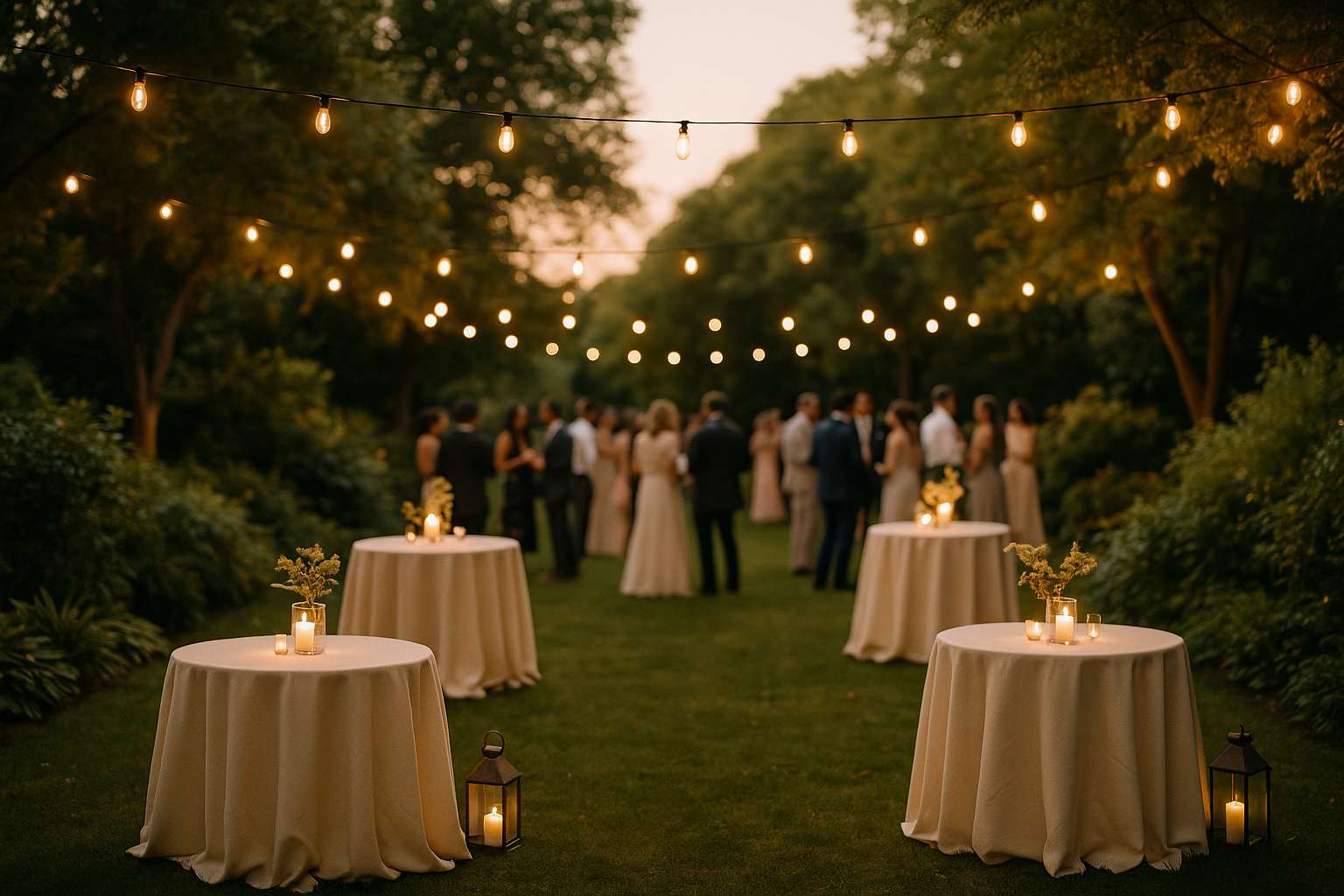
A wedding welcome party is a hosted pre-wedding gathering — typically the evening before the ceremony — open to some or all guests. It transforms arriving strangers into a community, dramatically elevates the emotional quality of the wedding day, and costs between $2,000 and $5,000 for most couples. The etiquette is simple: if you issue an invitation, you are hosting, and hosting means covering food and drink.
According to industry data cited by The Knot's welcome party planning guide, seventy-one percent of wedding celebrations now span two to three days. The welcome party is the event that makes those two or three days feel cohesive rather than episodic — it is the moment where your college friends meet your in-laws, where the couple gets to be present with their guests in a way the wedding day itself rarely allows, and where the shared story of the weekend begins.
Couples who host a welcome party consistently report something specific afterward: their guests felt like participants in the wedding, not spectators at it. That distinction — between attending an event and being part of a community — is among the most meaningful things a couple can create for the people they love.
What format should your wedding welcome party take?
The welcome party should feel festive but distinctly lighter than the wedding reception. It is not a second wedding — it is an opening act that sets the tone without competing with the main event. The right format depends on your guest count, your venue situation, your budget, and the character of your wedding weekend.
| Format | Typical Cost (50–80 guests) | Best For |
|---|---|---|
| Cocktail reception (passed appetizers, full bar) | $2,500–$5,000 | Elegant, versatile; most wedding styles |
| Casual buffet dinner | $2,000–$4,500 | Destination weddings; guests arriving hungry after travel |
| Bar or restaurant buyout | $1,500–$4,000 | Simplest logistics; venue handles staffing and food |
| Outdoor garden or backyard gathering | $1,200–$3,500 | Warm climates; estate or resort weddings; relaxed style |
| Food truck or taco station | $800–$2,000 | Casual, festive; highly cost-effective; great energy |
| Combined rehearsal dinner + welcome party | Varies; often saves 20–30% | Smaller weddings; couples with many out-of-town guests |
Duration matters as much as format. Two to three hours is the professional standard — long enough to allow genuine connection, short enough that guests arrive at the wedding day itself with energy rather than depletion. A welcome party that runs four or more hours begins to feel like a second reception, which works against its purpose. Build in a clear end time and communicate it explicitly; guests with travel fatigue, childcare obligations, or early beauty appointments the next morning need to plan their evening accordingly.
How do you decide who to invite to the welcome party?
The guest list decision for a welcome party is primarily a function of your out-of-town guest percentage and your budget. The most community-building approach is to invite all wedding guests — this is the standard for destination weddings and multi-day resort celebrations, where the welcome party is understood to be part of the full weekend experience. When budget or venue capacity makes a full-guest list welcome party impractical, the most common and gracious alternative is to invite traveling guests only — guests who have come from more than two hours away and have made the greatest logistical commitment to the celebration.
If you are hosting both a rehearsal dinner and a welcome party on the same evening, the sequential back-to-back format works elegantly: the wedding party and inner family gather first for a more formal dinner (the traditional rehearsal dinner), then additional guests are welcomed to join for drinks and light bites. This saves the overhead of two separate venues and two separate catering setups while honoring both the intimacy of the rehearsal dinner and the broader community of the welcome party. The key etiquette note: if you use this approach, ensure that guests joining for the second phase arrive to a space that already has energy and warmth — a party that begins again from scratch is harder to animate than one that receives incoming guests into an already-alive room.
What are the best welcome party ideas for 2026?
The most memorable welcome parties in 2026 share a common quality: they create conditions for connection rather than presenting guests with a program to follow. Interactive elements outperform passive ones consistently. Some of the strongest ideas for this year:
Incorporate local culture: A destination wedding welcome party is an opportunity to introduce guests to the specific character of the place they have traveled to. A coastal North Carolina celebration might open with local oysters on the half shell and craft beers from a nearby brewery. An Asheville, North Carolina mountain wedding might feature a hot toddy station and local charcuterie. A Napa Valley weekend might begin with a seated wine tasting led by the vineyard's sommelier. These touches tell a story about why you chose this place and give guests something specific to talk about.
Design for introduction: The welcome party is strategically the most important moment to introduce people who do not yet know each other. Seat your college friends near your future in-laws deliberately. Position your wedding party near the guests who traveled farthest and know the fewest people. These introductions almost never happen naturally at the wedding itself — the welcome party, with its lower formality and longer unstructured time, is the only occasion designed for them.
Keep décor intentional and light: Welcome party décor does not need to compete with the wedding reception's visual level. String lights, pillar candles, a few arrangements of greenery and seasonal blooms, and linen-draped tables create a warm, considered atmosphere at a fraction of the cost of full floral installation. The warmth comes from the people and the connection, not the centerpieces.
Plan a brief welcome moment: Two to three minutes of the couple speaking — thanking guests for traveling, sharing a single sentence about what the weekend means to them — sets a tone that no amount of beautiful décor can replicate. It does not need to be a toast with glasses raised; it can simply be the couple moving to the center of the room and speaking directly, personally, to the people who came. This is the moment that gives the welcome party its name.
What are the etiquette rules for wedding welcome parties?
The foundational etiquette principle is non-negotiable: if you issue a formal invitation to an event, you are hosting that event, and hosting means covering food and drink for every invited guest. A cash bar at a formally invited welcome party is a breach of hospitality etiquette that guests notice and remember. If budget genuinely prevents full hosting — a full open bar for one hundred guests, for example — the solutions are to limit the offering (beer, wine, and one signature cocktail is a fully gracious option that most guests appreciate), to reduce the guest count to fit your budget, or to communicate the event informally as a casual meetup rather than a hosted occasion.
Welcome party details should appear on your wedding website and, optionally, as an insert card in the invitation suite — never on the wedding invitation card itself. That card is reserved for the ceremony and reception. The insert card approach adds polish and ensures that out-of-town guests who receive the suite before consulting the website have all the information they need to plan their arrival.
A brief practical checklist: confirm the venue six to nine months out; set the guest list and format five to six months out; confirm catering and bar service four to five months out; send invitations or update your wedding website six to eight weeks out; confirm final headcount with the caterer one to two weeks out. The timeline is forgiving — the welcome party requires less lead time than the wedding itself — but the earlier you confirm the venue, the more choices you will have.
Frequently asked
What is a wedding welcome party and how is it different from a rehearsal dinner?
A wedding welcome party is a hosted pre-wedding gathering — typically the evening before the ceremony — that is open to some or all wedding guests. It is casual, social, and designed to help people meet before the formal occasion. The rehearsal dinner, by contrast, is traditionally limited to the wedding party, immediate family, and out-of-town family members; it follows the ceremony rehearsal and serves a more intimate relational purpose. The welcome party is broader and more social — its defining feature is that it gathers the full guest community rather than the inner circle. Some couples host both events on the same evening, with the rehearsal dinner first (for wedding party and close family), followed by a welcome party that all guests are invited to join. This back-to-back format is increasingly popular because it eliminates the logistical and financial overhead of two completely separate events while still serving both purposes. If budget requires a choice, the welcome party typically delivers higher value for out-of-town guest experiences than the rehearsal dinner, which is primarily for those already closest to the couple.
Who should be invited to the wedding welcome party?
The fundamental etiquette principle is that anyone who receives a formal welcome party invitation should not have to pay their own way — if you are issuing an invitation, you are hosting, and hosting means covering food and drink. With that established, the most common approaches by guest list scope are: inviting all wedding guests (the most generous and community-building option, standard for destination and multi-day weddings where most guests have traveled); inviting traveling guests only (guests who have come from more than two hours away, prioritizing those who have made the greatest logistical commitment); or combining the rehearsal dinner and welcome party so that the wedding party and inner family arrive first for the formal dinner, with additional guests joining afterward for drinks and light bites. The rule of thumb most planners apply: the higher your out-of-town guest percentage, the more essential the welcome party becomes. A wedding where sixty percent of guests have traveled from out of state has a qualitatively different social dynamic than one where most guests are local — and the welcome party is the most efficient tool for bridging that gap before the ceremony.
How much does a wedding welcome party cost?
Welcome party costs vary significantly based on guest count, format, and region. For a small intimate gathering (under forty guests) with beer, wine, and light bites, expect to spend eight hundred to two thousand dollars. A mid-range welcome party for fifty to one hundred guests with a full bar, buffet stations, and simple décor typically runs two thousand to five thousand dollars. An elevated welcome party of one hundred or more guests with catered dinner, full bar, and florals can reach five thousand to ten thousand dollars or more. The national average for a wedding welcome party in the U.S. falls in the two thousand five hundred to four thousand dollar range, though Northeast markets run closer to three thousand five hundred, and Midwest markets trend lower. Always add twenty to twenty-five percent to any quoted figure for service charges, tax, and gratuity. The most effective budget-saving strategies: limit the bar to beer, wine, and one signature cocktail; choose a buffet or stations format over plated service; negotiate the welcome party space into a larger hotel room block agreement; and keep florals minimal — string lights and candles create warmth at a fraction of the cost.
What are the best welcome party formats and themes?
The most important design principle for a welcome party is that it should feel distinctly different from — and lighter than — the wedding reception. Common formats include a cocktail reception with passed appetizers and a full or limited bar (two to three hours, elegant without overcommitting the budget); a casual dinner or buffet for destination weddings where guests arrive hungry after traveling; a backyard or outdoor gathering that works beautifully in warm climates or resort settings; a bar or restaurant buyout where the venue handles all staffing and food service; and a late-evening drinks gathering that keeps the focus on conversation and connection rather than food. For thematic direction, consider incorporating local culture — a destination wedding in Charleston might feature local craft beers and Southern small plates; a Napa Valley celebration might open with regional wines and a cheese board. Interactive elements like lawn games (cornhole, bocce, giant Jenga) are particularly effective at welcome parties because they create natural conversation among guests who have not yet met. Duration is important: two to three hours is the professional ideal; a welcome party that runs four hours begins to compete energetically with the wedding day itself.
How should we handle welcome party invitations and logistics?
Welcome party details should never appear on the wedding invitation itself — that card is reserved for the ceremony and reception. The appropriate channels are your wedding website (the most practical and universally expected location for satellite event details), a separate insert card mailed with the invitation suite (a polished touch that elevates the overall package), or a direct email or digital message to the relevant guests. If you are inviting only a subset of your wedding guests to the welcome party — traveling guests rather than all guests — use a separate invitation to avoid any awkwardness. Never include welcome party information in correspondence that will reach guests who are not invited; discovering that a fellow guest is attending a pre-wedding event you were not invited to is a social experience no guest should have. On the practical side: include the venue address, the exact start and end times, parking information, and a brief dress code note. "Come as you are" or "smart casual" communicates appropriately for most welcome parties without requiring guests to plan a separate outfit. Always communicate a hard end time — guests with early wedding-day preparations or travel schedules need to plan their evening accordingly.
What are the best late-night food ideas for a wedding welcome party or after-party?
If your welcome party is likely to extend into the late evening — or if you are planning a wedding after-party — late-night food stations are consistently cited as the highest-impact per-dollar expenditure at any wedding satellite event. The taco bar or street taco station is the most requested late-night format in current wedding planning, running approximately seven hundred to twelve hundred dollars for eighty guests and generating immediate energy and conversation. Gourmet pizza by the slice, slider bars (mini beef, chicken, or veggie with a condiment array), and the "breakfast at midnight" concept (breakfast burritos, mini pancakes, egg sandwiches) are all strong performers. For upscale welcome parties, dim sum and dumpling stations have become a rising trend in 2025 and 2026, particularly at multicultural and cosmopolitan celebrations. Whatever format you choose, late-night food accomplishes several things simultaneously: it provides a natural gathering point, energizes guests who may have been traveling all day, and signals that the couple has thought carefully about their guests' comfort and experience.