Invitations, Registry & Gifts
Adults-Only Wedding Etiquette: The Complete 2026 Guide
Hosting a child-free wedding is overwhelmingly accepted in 2026 — but communicating it gracefully takes a clear, consistent strategy. Here is exactly how to do it.
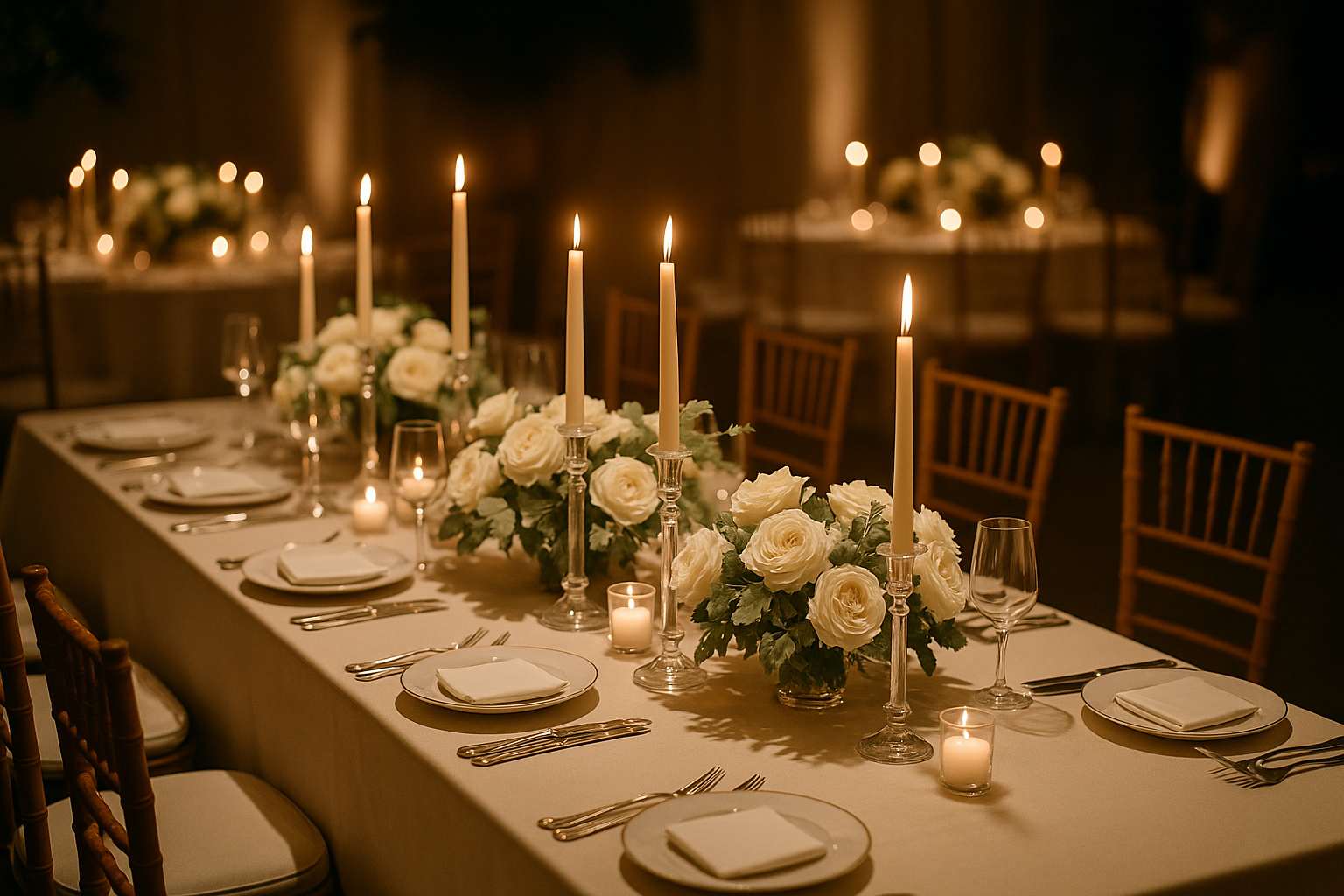
An adults-only wedding is the majority choice in 2026 and is broadly accepted by guests — the only thing that determines whether it goes smoothly is how early and how clearly you communicate it. Address invitations to named adults only, state the policy warmly on your wedding website FAQ, and be ready with a gracious, direct phone call for any guests who RSVP with uninvited children.
There is no shortage of things to decide in wedding planning, and the guest list is where most of the emotional weight lives. One of the earliest and most consequential decisions is this one: will children be welcome at your celebration?
For most couples today, the answer is no — and that is completely fine. The adults-only wedding is not a trend but a norm. According to Trademark Venues and The Knot's 2025–2026 research, approximately 87% of couples consider an adults-only reception to be a standard, fully acceptable choice. Parents are generally not surprised or offended when they receive a child-free invitation — provided it is communicated clearly, kindly, and early.
What follows is the practical playbook for getting that communication right.
Why do couples choose an adults-only wedding?
The reasons are practical, financial, and personal — and none of them require justification.
Cost is the most concrete driver. At the current national average of $290–$300 per guest (The Knot 2026 Real Weddings Study, surveying over 10,000 couples), adding 15 children at even a reduced per-head rate adds a meaningful line item to a budget that is already under pressure. Children's meals at catered venues typically run $50–$100 per child; high chairs, child-appropriate food options, and early noise management add logistical complexity as well.
Atmosphere is the second factor. A candlelit, cocktail-hour evening with open bar and live music creates an environment that is genuinely better suited to adults — and many parents are quietly grateful for a child-free evening out.
Venue capacity is a third driver that couples sometimes overlook. If your venue seats 120, and thirty of those seats are filled by guests of honor aged eight and under, your actual adult guest count is meaningfully reduced. An adults-only policy lets you prioritize the adult relationships in your life within a fixed capacity.
How do you communicate a child-free policy gracefully?
The single most important thing you can do is communicate the policy early, consistently, and through multiple channels. Here is the channel-by-channel breakdown:
1. Invitation envelope addressing
This is your first and most natural communication. Address every envelope to the specific named adult guests you are inviting — never to "The Smith Family" or "Mr. and Mrs. Smith and Family." Inner envelope protocol reinforces this: write "Rebecca and James" rather than "The Smiths." Most guests fluent in invitation etiquette will read this correctly. For guests who may not know the convention, the next two channels back it up.
2. Wedding website FAQ section
Build a dedicated FAQ section on your wedding website and have it live from the moment save-the-dates go out. A sample that consistently lands well: "Our wedding is an adults-only celebration. We love your little ones and appreciate you making arrangements so the grown-ups can have a wonderful evening together. If you need local babysitter recommendations, reach out and we will gladly share some options."
Keep it warm, brief, and confident. Offering babysitter referrals transforms the restriction into a hospitality gesture — a small touch that parents consistently remember and appreciate.
3. A separate details or insert card
For maximum clarity, especially in families where not everyone visits the wedding website, include a brief note on a separate card enclosed with the invitation. Stationery companies like Minted and Paperless Post offer accommodation and details card templates that can carry this language cleanly and elegantly: "Our reception is an adults-only celebration. We look forward to a relaxed evening with you."
4. Family ambassadors
For extended family networks where the message needs to travel, ask your mother and your partner's mother to quietly spread the word in their own circles. A trusted person in each family fielding questions prevents the couple from becoming a one-person communication operation in the months before the wedding.
What are the most accepted exceptions to an adults-only policy?
| Exception type | Communication approach | Key consideration |
|---|---|---|
| Flower girls and ring bearers | Their invitation naturally signals their role | Clarify whether they stay for the reception or depart after the ceremony |
| Nieces and nephews of the couple | Invite directly; communicate personally to other parents | Apply consistently — if one sibling's child is invited, all siblings' children should be too |
| Breastfeeding infants of wedding party | Private, direct communication with the parent | Make a quiet nursing room available; never announce this exception publicly |
| Teens of immediate family | Address invitation to include them by name | Distinguish clearly between teens and young children if your policy permits the former |
The non-negotiable rule with exceptions: apply them consistently within equivalent relationships. If one set of grandparents' grandchildren are invited and another set's are not, expect conflict. If you extend an exception, extend it to everyone in the same relationship tier.
How do you handle a guest who RSVPs with uninvited children?
This happens at nearly every wedding, and it is almost always a case of a guest either not reading carefully or genuinely not knowing that their children were not included. The solution is a phone call — warm, direct, and kind.
"We are so excited you can make it! We just wanted to confirm — we are planning an adults-only reception and we have reserved seats for [names on the invitation]. We cannot wait to celebrate with you."
Do not text this message. A phone call communicates warmth and respect in a way a text does not. Be clear and final — avoid phrases like "we'll see if there's room" that imply flexibility. Most guests respond graciously. The rare guest who genuinely cannot make childcare arrangements will let you know, and you can then decide whether an exception is warranted based on the relationship — but that conversation belongs to you and your partner, not to a policy document.
2026 context: what real couples are navigating
Wedding costs in 2026 have continued to rise — the national average spend is now approximately $34,200–$36,000 (The Knot 2026 Real Weddings Study). With per-guest costs at $290–$300, the guest list is the single most powerful lever couples have for controlling their budget. An adults-only policy is not a statement about children; it is a rational hospitality and financial decision that the vast majority of your guests will understand and respect.
What has also shifted: parents in 2025–2026 are more experienced with the adults-only invitation than any previous generation. Many have attended or hosted child-free celebrations themselves. The cultural perception has moved from "unusual" to "standard." Your guests are, by and large, ready for this — they need only to be told.
The couple's job is simply to tell them clearly, early, and with warmth.
Frequently asked
Is it rude to have an adults-only wedding?
Not at all — in 2025–2026, an adults-only wedding is the clear majority choice. Research from The Knot's Real Weddings Study suggests that approximately 87% of couples view a child-free reception as a standard, fully acceptable practice. Guests — even parents — have come to expect the possibility and rarely feel personally excluded when the policy is communicated early, warmly, and consistently. The key is tone: frame the policy as a thoughtful hosting choice ("We want every guest to relax and be fully present with us") rather than a prohibition. Couples who communicate their child-free decision directly, kindly, and early encounter very little friction. Those who wait too long, communicate inconsistently, or over-explain tend to generate more questions and hurt feelings than the policy itself ever would.
Should I put 'adults only' or 'no children' on the invitation itself?
Traditional etiquette advises against writing "no children" or "adults only" directly on the main invitation card — it can read as harsh and is considered a departure from formal invitation form. The preferred approach is a two-pronged one: address your invitation envelopes to the specific adult names invited (not "The Smith Family" or "and family"), and place a brief, warm note on a separate details or accommodation insert card. Your wedding website FAQ section is the other ideal vehicle — you can write a full, gracious sentence there that guests can read in their own time. The envelope-addressing technique is the clearest signal, and most guests will understand it. The website language handles any remaining questions. Together, these channels communicate the policy without making the invitation feel like a policy document.
What are the most common exceptions couples make to an adults-only policy?
The most widely accepted exceptions are flower girls, ring bearers, and immediate nieces and nephews of the couple — particularly when those children have a role in the ceremony. Breastfeeding infants whose mothers are in the wedding party or immediate family are another exception most couples make privately and directly. The critical rule is to communicate any exceptions carefully and personally before the general policy is announced. An adults-only announcement followed by visibly present children will raise questions; if specific children have an invited role, letting parents of excluded children know privately and in advance prevents misunderstanding. The safest approach is to treat exceptions as ceremony-role inclusions: if a child is in the processional, their presence at the ceremony is understood, with a brief, warm note about the adults-only reception for their parents.
What should I do if a guest RSVPs 'yes' and includes their children?
Call them — not text, not email, a direct phone call. The warmth of a real conversation prevents the situation from feeling bureaucratic or cold. The script is simple: "We are so excited you can make it! Our venue has limited capacity and we've planned an adults-only reception — we've reserved seats just for you and [spouse/partner] and cannot wait to celebrate with you." Be warm, be clear, and be final. Do not offer to "check" if there is room or imply any flexibility — this opens a negotiation. Most guests respond graciously when approached directly and kindly. The rare guest who pushes back genuinely is best handled by your partner or a trusted family member who can reinforce the policy from their own perspective.
How do I word the adults-only policy on my wedding website?
Keep it brief, warm, and positive — place it in your FAQ section rather than on the home page. A sample that works well across most guest demographics: "Our wedding will be an adults-only celebration. We love your little ones dearly and appreciate you making arrangements so the grown-ups can enjoy a relaxed and festive evening together. If you need local babysitter recommendations, please reach out and we will be happy to share some options." Note the offer to help with babysitter referrals — this transforms a restriction into a hospitality gesture. Avoid over-explaining, apologizing multiple times, or using language that implies you expect conflict. A confident, gracious single statement is more effective and more appreciated than a lengthy justification.
How far in advance should I communicate a child-free policy?
As early as possible — ideally from the moment save-the-dates go out, which is typically six to twelve months before the wedding. Parents need lead time to arrange childcare, and an early heads-up is a genuine kindness. Your save-the-date email or wedding website launch is the right moment to have your FAQ section live with the policy already stated. The worst outcome is communicating the policy at the same time invitations are received, which leaves parents only eight to ten weeks to make arrangements. For destination weddings, even earlier notice is important — guests planning travel need to know whether to arrange childcare for an entire long weekend. Early communication also prevents the awkward situation of a family member calling your mother-in-law six months in to confirm whether their toddler is invited.