Venues & Destinations
Luxury Restroom Trailer Wedding: What Every Couple Should Know
For outdoor, backyard, and barn weddings, a luxury restroom trailer is not a splurge — it is essential hospitality. Here is how to choose the right unit, what to expect to spend, and how to book before peak season inventory disappears.
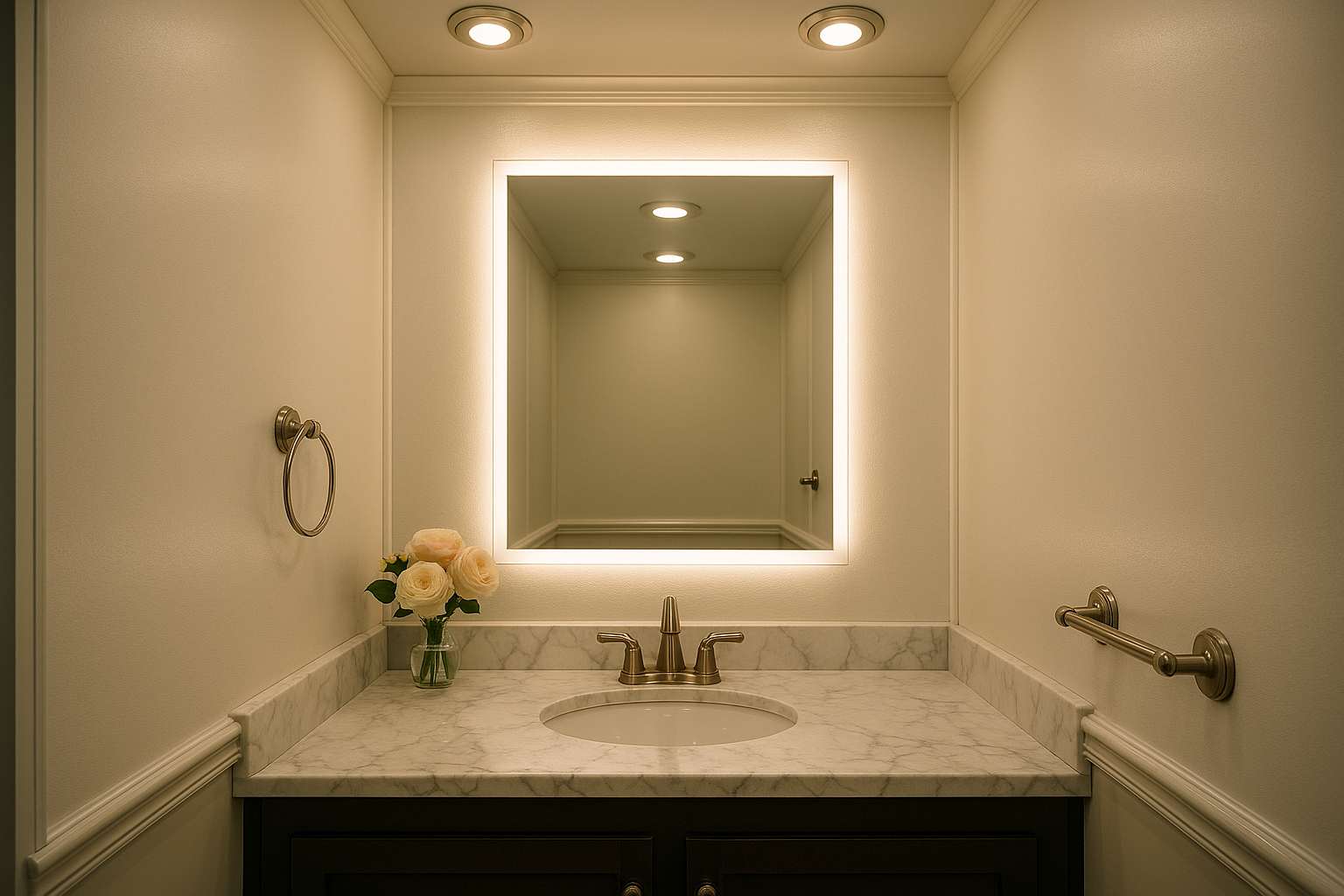
For an outdoor or backyard wedding of 75 or more guests, a luxury restroom trailer is standard hospitality — not a splurge. Plan for 1 stall per 35–50 guests, budget $900–$3,000 per weekend depending on unit size, and book 4–6 months in advance for peak-season dates. Standard porta-potties are not appropriate for formal evening receptions.
The restroom situation at a backyard or outdoor wedding is one of those logistics decisions that guests notice only when it goes wrong — and remember for a long time when it does. A well-appointed luxury restroom trailer, stocked, attended, and properly lit, disappears from the day entirely. A standard portable toilet line at a formal evening reception does not.
For couples planning outdoor celebrations, the restroom question is not whether to upgrade — it is how to choose the right unit, size correctly, place it thoughtfully, and book before peak-season inventory is gone. This guide covers every practical dimension of the decision.
Cost and logistics data in this guide draws on current market reporting from The Knot's outdoor wedding planning resources, WeddingWire vendor survey data, and reported 2025–2026 pricing from outdoor event rental companies across major U.S. markets.
What do luxury restroom trailers for weddings actually cost in 2026?
Restroom trailer pricing varies by unit size, market location, rental duration, and the amenity level of the specific trailer. The table below reflects current market averages across U.S. outdoor event rental companies.
| Unit Type | Stalls | Capacity (guests) | Weekend Rental Rate | Best For |
|---|---|---|---|---|
| Standard portable unit | 1 (individual) | Up to 50 (basic) | $150–$300/unit | Vendor/staff use; budget supplement |
| Deluxe portable unit | 1 (upgraded) | Up to 50 | $200–$350/unit | Casual outdoor weddings, young crowd |
| Luxury trailer, 2-stall | 2 | 50–75 guests | $900–$1,500 | Small outdoor celebrations |
| Luxury trailer, 4-stall | 4 | 75–150 guests | $1,500–$2,500 | Most outdoor receptions 75–125 guests |
| Luxury trailer, 6-stall | 6 | 150–250 guests | $2,500–$4,500 | Large outdoor receptions 150+ guests |
| ADA-accessible unit | 1 (accessible) | Supplemental | $150–$300 | Required for accessibility; always include |
For a 100-guest outdoor reception running 6 hours in the evening, the most common recommendation is a 4-stall luxury trailer plus a standalone ADA-accessible unit. At mid-market pricing, this configuration runs approximately $1,700 to $2,800 for the weekend rental including delivery, setup, and one service call. Urban markets (New York, Los Angeles, Chicago) run approximately 25 to 40 percent above these figures.
How far in advance must you book, and what does peak season look like?
Luxury restroom trailer inventory is genuinely limited. Most markets have a handful of high-quality units from a handful of vendors — and peak-season Saturday weddings compete for the same inventory with other corporate events, festivals, and private parties. The booking window matters considerably more than many couples realize.
For peak-season dates (May through October, particularly June through September Saturdays), 4 to 6 months of lead time is the responsible minimum. In active outdoor event markets — Hudson Valley, New York; wine country in California and Oregon; coastal destinations in the South and New England — quality units can be committed 6 to 8 months in advance. Treating restroom trailer booking as an afterthought — something to sort out after the tent and catering are confirmed — frequently results in couples having to settle for lower-quality units or paying premium pricing for last-available inventory.
The practical guidance: book your restroom trailer at the same time you book your tent rental. They are both infrastructure, both subject to the same seasonal supply constraints, and both essential to the functioning of your outdoor event. Rental companies that specialize in backyard and outdoor weddings will often quote tent, generator, restroom trailer, and furniture as a package — a convenience that also ensures all components are sized and coordinated correctly.
What are the placement and logistics requirements on your event day?
Restroom trailer logistics require more site planning than couples typically anticipate. Address the following points when booking and during your venue walk-through:
Access: The delivery vehicle — typically a large truck with the trailer in tow — needs clear access to the placement site. Overhanging trees, narrow gates, steep grades, and tight turns can prevent delivery or require manual repositioning that incurs additional fees. Walk your delivery path with the rental company's representative before the event.
Level surface: Luxury trailers require a relatively level surface for proper plumbing and climate control function. Most rental companies carry leveling equipment for modest grades, but significant slopes require site preparation. Soft or wet ground can compromise stability — confirm ground conditions with your rental company and consider ground protection matting if your venue ground is prone to softening.
Power: Most luxury restroom trailers require 30 to 50 amps for climate control, lighting, and water pumps. Confirm with your generator vendor that the trailer's power requirement is included in the total electrical load calculation for your event. Some trailer companies supply a self-contained generator; others require connection to your event power source. Clarify this before both contracts are signed.
Placement distance and pathway: Position the trailer 100 to 150 feet from the main reception area — visible and accessible, but far enough for acoustic comfort. Install lit pathway markers or ground-level solar stake lights between the reception space and the trailer location. For evening events, this detail is not optional: guests navigating an unlit path in formal footwear are a safety liability.
A well-placed, well-stocked luxury restroom trailer is invisible to your guests in the best possible way — they use it without thinking about it. Every element of their experience in that space reflects on your hospitality. Getting this logistics decision right is one of the quieter ways a well-planned outdoor wedding distinguishes itself from a stressful one.
Frequently asked
What is a luxury restroom trailer and how is it different from a standard porta-potty?
A luxury restroom trailer is a self-contained mobile restroom unit designed to provide a high-end restroom experience at outdoor and remote events. Unlike standard portable toilets, which are plastic standalone units with chemical holding tanks and no running water, luxury trailers feature actual flushing porcelain toilets, running water at vanity sinks, illuminated mirrors, climate control (heating and air conditioning), hardwood or tile flooring, interior lighting, and often sound systems playing ambient music. Many higher-end units include fresh flowers, hand lotion, and framed artwork — creating an environment that is genuinely indistinguishable from a hotel restroom. The experience difference for guests — particularly for women in formal attire at an evening event — is significant. Standard portable toilets cost $75 to $150 per unit per day. Luxury trailer rentals begin at $300 to $500 per day for a 2-stall unit and run $1,500 to $3,000 or more per weekend for a 4-to-6-stall premium trailer. For a formal outdoor wedding, the upgrade cost is typically justified by the lasting impression it makes on every guest.
How many restroom stalls do you need for a wedding?
The industry standard for outdoor events is one toilet unit per 35 to 50 guests for events of 4 to 8 hours, with an additional unit added if alcohol is being served — which it almost always is at a wedding reception. For a 100-guest wedding lasting 6 hours with alcohol service, the baseline calculation suggests 3 units minimum: one prioritized for women (who account for roughly 60 percent of restroom usage), one for men, and one ADA-accessible unit. In practice, many outdoor event professionals recommend erring toward a 4-unit configuration for 100 guests, particularly if the event runs 5 or more hours, because restroom lines mid-reception are among the most consistently mentioned guest frustrations. For a 150-guest wedding, plan for at least 4 stalls plus an ADA unit. For 200 or more guests, a 6-to-8-stall configuration is appropriate. When in doubt, one extra stall is a modest additional cost relative to the alternative.
When should you book a luxury restroom trailer for a wedding?
Luxury restroom trailers are a genuinely limited inventory item in most markets, and the best units at the most reputable rental companies book out months before peak-season weekends. For a Saturday wedding between May and October — the window that accounts for the majority of U.S. outdoor weddings — you should book your restroom trailer at the same time you book your tent, generator, and other major rental infrastructure: 4 to 6 months before the wedding at minimum, and ideally sooner for peak-season dates in popular markets. Companies in metropolitan areas serving active outdoor event markets sometimes have their top-tier trailer units reserved 8 months in advance for high-demand summer Saturdays. Winter weddings (November through March outside of the December holiday window) have substantially more flexibility — 60 to 90 days of lead time is usually adequate. Call and confirm availability as early as your venue is secured; if you are using an all-in-one backyard event rental company, include the restroom trailer in your initial inquiry rather than treating it as an afterthought.
What is included in a luxury restroom trailer rental and what costs are extra?
A standard luxury restroom trailer rental includes delivery to and from your event location, initial setup and leveling, the trailer itself fully stocked with toilet paper and hand soap, and pickup after the event. Most rental agreements include one fill service if the event runs longer than 5 to 6 hours — meaning a service technician returns to the trailer during the event to restock paper, restock soap, and service the holding tanks if needed. What is typically extra: an attendant service (a person stationed at the restroom trailer to keep it continuously stocked, clean, and welcoming — this service adds $200 to $500 for an event day and is worth every dollar for formal receptions of 100 guests or more); delivery fees for locations beyond a standard radius from the rental company's base (often $1 to $3 per additional mile each way); additional fill services if your event runs significantly longer than the standard window; and power connection costs if the trailer requires an electrical hookup rather than a self-contained generator. Always ask your rental company to itemize every cost — the all-in price is what matters for your budget, not the headline trailer rental rate.
What are the logistics of placing a luxury restroom trailer at an outdoor wedding?
Restroom trailer placement requires thoughtful site planning that most couples address too late. The trailer needs a level surface — slight grades are manageable, but significant slopes require additional blocking, which your rental company should handle. Ground conditions matter: a heavy trailer on soft soil after rain can sink or become difficult to access. Paved or gravel access paths are ideal; if your venue surface is grass, discuss placement with the rental company before delivery to assess ground preparation needs. The trailer requires either an electrical hookup (typically 30 to 50 amps for climate control and lighting — confirm with your generator vendor that sufficient power is allocated) or a self-contained diesel generator, which the trailer company may supply. Placement should be visible and accessible from the main reception area without requiring guests to navigate through event infrastructure. Ideally, 100 to 150 feet from the reception space is the sweet spot — far enough for acoustic privacy, close enough that guests are not making a journey. Pathway lighting between the reception and the trailer is essential for evening events and often overlooked; budget for ground-level path or solar stake lights along the route.
Is a luxury restroom trailer necessary or is an upgraded porta-potty good enough?
The answer depends on your guest list, your event style, and your venue. For a relaxed barn or farm wedding with an outdoor-comfortable crowd at a family's property, a deluxe portable unit — a step above the standard construction porta-potty, with a flushable mechanism and better finishes — may be entirely appropriate and will cost significantly less. For a formal evening reception, a wedding with guests in full-length gowns, a celebration that includes elderly guests or guests with mobility considerations, or any event where guests will be on-site for 5 or more hours, a luxury trailer makes a meaningful difference in guest comfort and is one of the most universally appreciated upgrades at outdoor events. Guests who have experienced an outdoor wedding with a standard portable toilet and one with a luxury trailer are unanimous in their preference. The question is whether the delta in cost — roughly $1,000 to $2,000 between a standard setup and a premium trailer for 100 guests — is justified by your vision for the event. For most couples choosing a fully outdoor celebration, the answer is yes.