Venues & Destinations
Micro Wedding vs. Elopement: What Is the Real Difference?
Both are intimate. Both can be deeply meaningful. But a micro wedding and an elopement are built on fundamentally different premises — and choosing the wrong format for your values and family situation is one of the most common mistakes couples make when planning small.
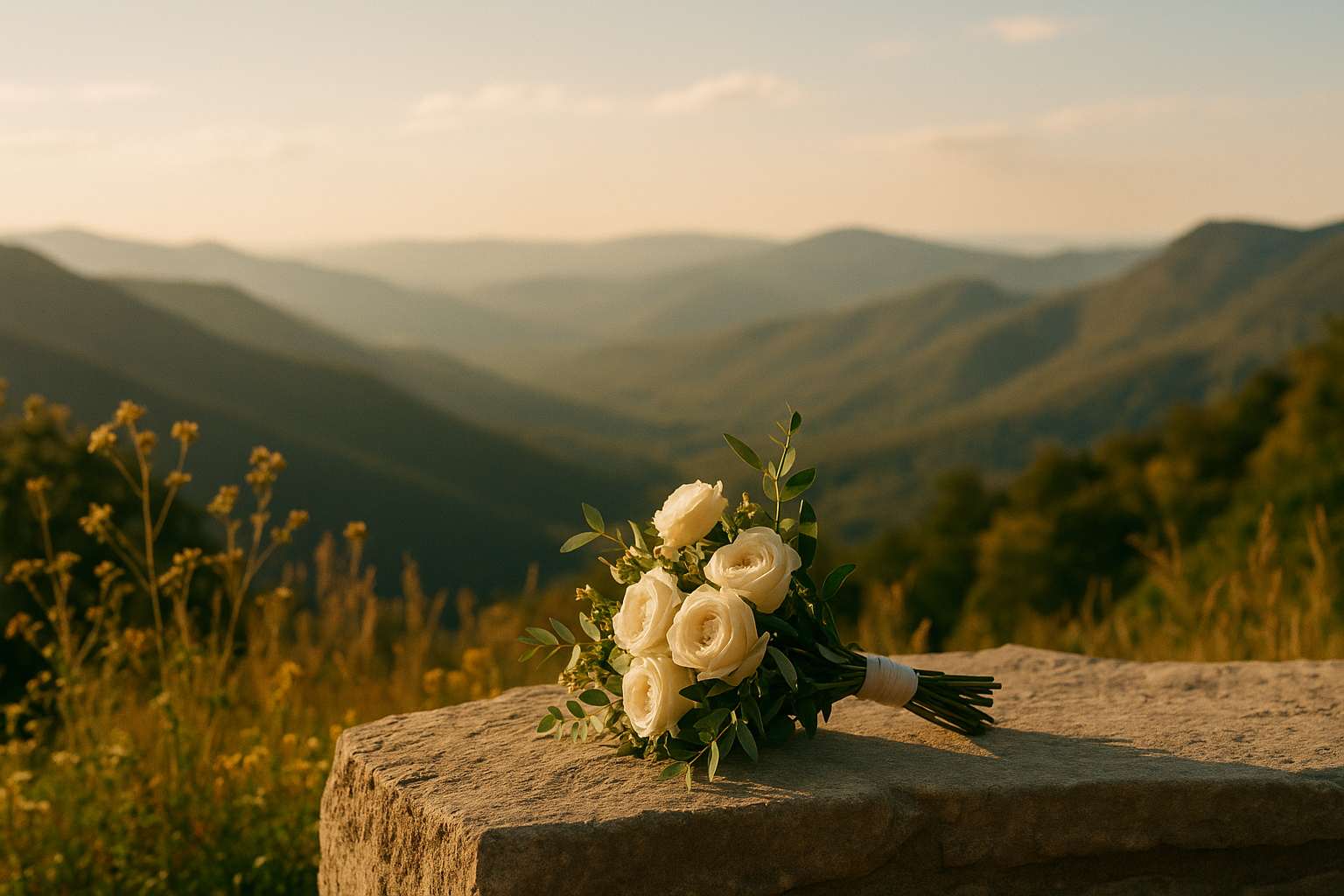
An elopement centers on the couple — typically 0 to 15 guests, organized around an experience, and deeply private. A micro wedding retains traditional wedding structure (ceremony, dinner, toasts, celebration) but scaled to 15 to 50 guests. The cost difference is real — elopements average $2,000 to $6,000; micro weddings average approximately $11,200 — but the more important distinction is what kind of day you want and what your closest relationships can hold.
In 2026, approximately 22% of U.S. couples are marrying with fewer than 30 guests — up from just 15% in 2023, according to industry estimates. What was once a reluctant alternative to a full traditional wedding has become, for a growing number of brides, the intentional choice. But "small" encompasses two meaningfully different formats, and choosing between them without understanding the distinction leads to mismatched expectations — for the couple, and for their families.
This guide clarifies exactly what separates a micro wedding from an elopement, what each costs, how each is legally executed, and how to decide which format genuinely fits your values and relationships.
What is the core difference between a micro wedding and an elopement?
The distinction is not primarily about guest count, though guest count tracks with it. It is about the fundamental premise of the day.
An elopement is organized around the couple's experience. The two of you are the entire reason for every decision — the location, the timing, the vows, the photography. Community and family witness may be included (modern elopements commonly have a handful of attendees), but they are present to support the couple's experience, not to shape it. The energy is intimate, often exploratory, and intentionally outside the framework of a social event.
A micro wedding retains the social architecture of a traditional wedding. There is still a ceremony with recognizable structure. There is a reception, a dinner table, toasts, and a dance floor or gathering space. Guests are not optional witnesses to the couple's moment — they are participants in a celebration. The couple is still at the center, but the day is also genuinely for and about the people gathered around them.
Per microWED Collective, the key question is focus: an elopement is mostly about just the two of you; a micro wedding shares that moment with your closest circle and that changes the energy — and the planning requirements — fundamentally.
| Factor | Elopement | Micro Wedding |
|---|---|---|
| Typical guest count | 0–15 (often just the couple) | 15–50 |
| Average cost | $2,000–$6,000 | $8,000–$15,000 (avg. ~$11,200) |
| Planning lead time | 6–12 weeks | 4–9 months |
| Day structure | Experience-led; flexible | Traditional arc: ceremony + reception |
| Venue | Any setting; often nature | Venue required; limited options book 6–12 months out |
| Catering | Minimal to none during ceremony | Seated dinner or reception required |
| Photography investment | Often the primary vendor | Photographer + additional vendors |
| Family complexity | Requires sensitive communication | Invitation curation; some diplomacy required |
Which format is right for you?
Both formats are beautiful. Neither is more or less valid as a marriage. The question is which one fits the actual shape of your values and your most important relationships.
Choose an elopement if:
- The ceremony is primarily for the two of you and you want your wedding day to feel like your story, not a performance
- Your families are geographically dispersed in ways that make any guest-count decision diplomatically complex
- You are drawn to a specific experience — a national park, a mountain summit, a foreign city — that cannot accommodate a reception
- Your budget is the primary constraint and you want to direct resources toward photography, travel, and the post-elopement celebration
- Either or both of you are marrying again and prefer a quieter, more private ceremony
Choose a micro wedding if:
- There are specific people — parents, grandparents, a few close friends — whose physical presence on your wedding day genuinely matters to you
- You want the full celebratory experience — a table set beautifully, dinner together, toasts, a first dance — just without the obligation of 150 guests
- You want to avoid the difficult conversation of telling family they were not invited
- You are less drawn to a specific location and more drawn to a specific feeling of gathered community
What does eloping actually cost in 2026?
Elopement costs are frequently misunderstood — both overestimated and underestimated. The legal minimum is the marriage license ($25 to $115) and an authorized officiant (often free through Universal Life Church ordination, or $150 to $350 for a professional officiant). That is the bare floor.
The full elopement most couples actually want — an experienced photographer for 4 to 6 hours, a deliberately chosen location with permit fees, a small bouquet, wedding attire, and a meaningful dinner afterward — typically runs $2,000 to $6,000 total. National park elopements with a specialist photographer and full permit management are often priced as complete packages, ranging $2,500 to $6,000. According to Wifitalents' elopement statistics, 89% of couples who elope report saving over $10,000 compared to a traditional wedding, with median savings of $22,500. Notably, 76% of elopers report avoiding wedding debt entirely, compared to 52% of traditional wedding couples.
A post-elopement celebration — a dinner party or backyard gathering for extended family and friends weeks later — is chosen by approximately 70% of elopers as a way to honor relationships while protecting the ceremony itself. Budget an additional $1,500 to $5,000 for this, depending on scale.
Frequently asked
What is the difference between a micro wedding and an elopement?
The core difference is not the guest count — it is the focus of the day. An elopement is centered on the couple. It is intentionally private, typically 0 to 15 guests (often just the two of you with an officiant and photographer), and organized around an experience — a national park summit, a quiet beach, a city hall morning. A micro wedding retains the recognizable structure of a traditional wedding: ceremony, reception or dinner, toasts, and a genuine community celebration — but scaled to 15 to 50 guests. The energy shifts significantly. An elopement is almost invisible to the outside world; a micro wedding is still a social event with logistical coordination. Both are beautiful choices. The question is whether you want your wedding day to be fundamentally about you and your partner, or about you and your closest circle.
How much does a micro wedding cost in 2026?
Industry estimates for 2026 place the average micro wedding cost at approximately $11,200, though the range is wide depending on region, venue, and catering choices. Per-person costs are typically higher than at large weddings — the savings from a smaller guest count are offset by per-person minimums at many venues and the fact that quality catering costs the same per plate regardless of guest count. A micro wedding in a major metro area with a premium venue and full catering can run $15,000 to $25,000 for 30 guests. The same wedding in a mid-sized market or with a non-traditional venue (a private dining room at a beloved local restaurant, a state park pavilion, a family farm) can come in at $5,000 to $8,000. According to Axios reporting in May 2025, micro weddings cost roughly 50% less than traditional weddings of equivalent quality on a per-day basis, even accounting for higher per-guest spend.
Do you need a marriage license for an elopement?
Yes — always. A marriage license is required in every U.S. state regardless of how intimate the ceremony is. Apply in the county where you plan to marry (not where you live), bring valid government-issued photo ID, your Social Security number, birth certificate, and proof of any prior divorce decree. Fees vary by county, typically $25 to $115. Critically, many states impose a waiting period between license issuance and the ceremony: no waiting period in Nevada and South Carolina; 3 days in Florida, Alaska, and Oregon; 5 days in Minnesota and Wisconsin. Always verify with the specific county clerk's office. After the ceremony, your signed license must be returned to the issuing county within the required window — typically 30 to 60 days — to be officially recorded. Order multiple certified copies at filing; you will need them for name changes, insurance, and financial accounts.
How do you tell family you are eloping without causing hurt feelings?
The three most important principles are: tell immediate family personally and early, before anyone else and before anything appears on social media; share your genuine reasons, stated positively rather than apologetically; and give family something to look forward to — a post-elopement dinner, a celebration party in the coming months, or personalized photographs mailed as a formal announcement. Frame the conversation with excitement rather than apology. An apologetic framing signals to family that even you believe something regrettable is happening; a joyful framing invites them to share your happiness. Avoid the word 'unfortunately.' If a parent has specifically saved money for a traditional wedding, acknowledge that directly and honestly before making final decisions — this is an important conversation, not one to avoid or manage around.
What do you need to do legally for an outdoor elopement in a national park?
National park elopements require a Special Use Permit, which must be applied for in advance through the specific park's permit office. Fees typically run $50 to $150, though popular parks (Yosemite, Rocky Mountain, Grand Teton) may have higher fees and annual quotas that fill months in advance. Allow 4 to 8 weeks for permit processing, and apply even earlier for peak season dates. Your ceremony must occur in the permitted location at the permitted time — rangers do check. Beyond the permit, you will still need a valid marriage license from the county in which the park is located, an authorized officiant (verify that online ordinations are recognized in the relevant state), and witnesses if required by that state's law. Your elopement photographer — particularly one who specializes in national park ceremonies — can often advise on permit logistics and optimal locations within the park.
Can you have a religious ceremony as part of an elopement?
In most Protestant and many non-denominational traditions, yes — an ordained minister can officiate a ceremony in any setting, and a private ceremony of two can be as theologically complete as one with 200 guests. The exceptions are faith traditions that require specific settings or community witnesses. A Catholic sacramental marriage requires a church ceremony and Pre-Cana preparation; a civil ceremony does not fulfill this requirement, though a later convalidation ceremony ('blessing of the marriage') within the Church is a recognized path for couples who elope civilly. Orthodox Jewish halacha requires a chuppah, ketubah, and specified witnesses observing Shabbat. For LDS couples, a temple sealing requires temple recommends and is conducted within the temple only. If your faith tradition is important to you, speak with your clergy member early in the process to understand what is required before planning a non-traditional ceremony format.