Venues & Destinations
Outdoor Wedding Rain Plan: How to Protect Your Big Day
Rain on your wedding day does not have to be a disaster — if you plan for it in advance. Here is everything you need to build a bulletproof outdoor wedding contingency plan.
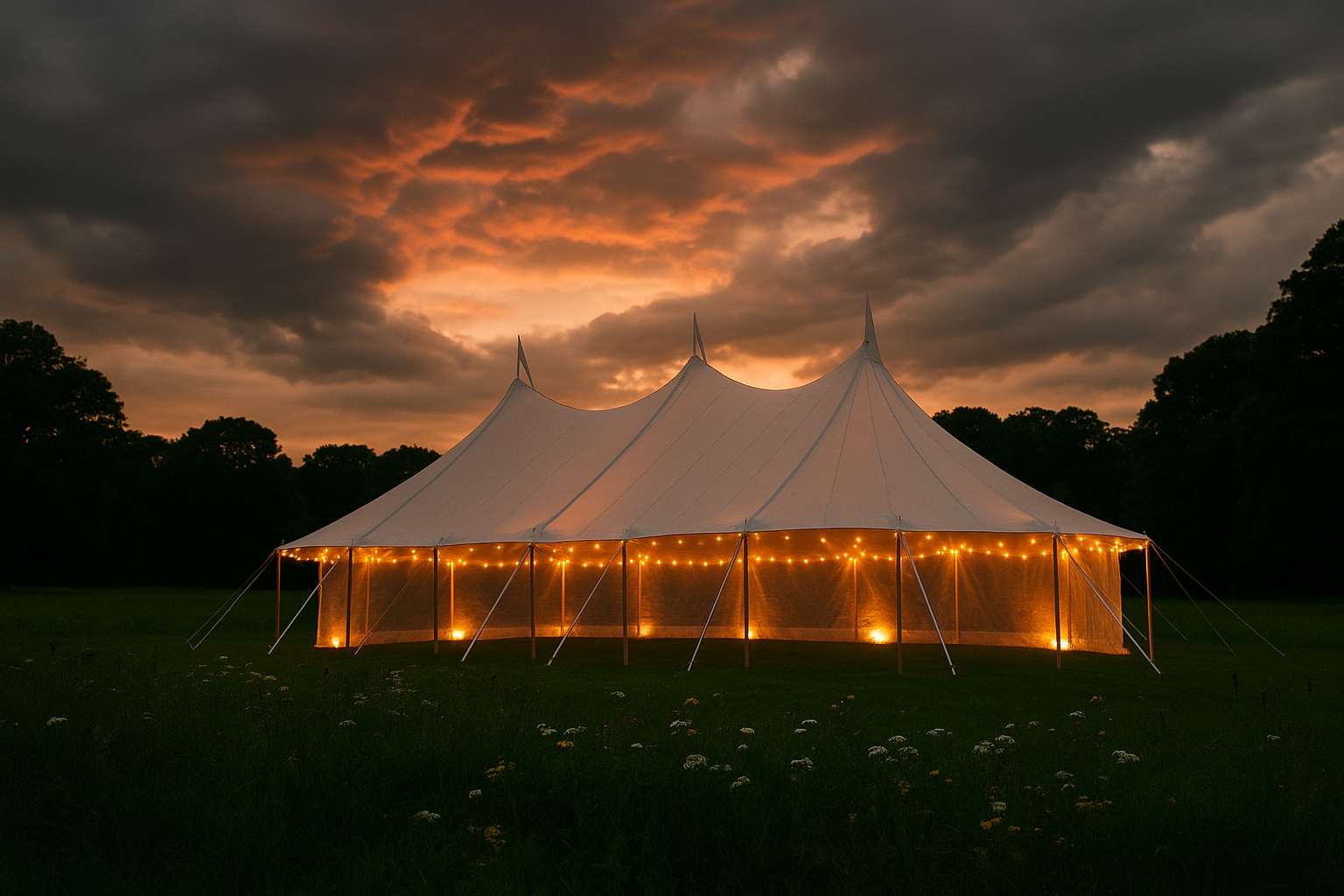
Every outdoor wedding needs a written three-level weather protocol, a named backup space confirmed in writing, a tent booked nine to twelve months in advance, and a designated weather captain who makes the decision by a pre-set timeline on the wedding day — not in real time under emotional pressure. Weather planning is not pessimism; it is the work that makes an outdoor wedding feel effortless.
An outdoor wedding is one of the most breathtakingly beautiful settings imaginable. It is also one of the most weather-dependent decisions you will make in your entire planning process. The couples who experience outdoor weddings as magical and effortless are, almost without exception, the ones who planned for weather months in advance — so thoroughly that when the day arrived, there was nothing left to decide in a panic.
This guide walks through every dimension of outdoor wedding weather contingency: venue selection, tent decisions, the three-level weather protocol, how to build your decision timeline, and what weather insurance actually covers.
Why do you need a named, written rain plan — not just a verbal agreement?
The single most common and most costly outdoor wedding mistake is the vague plan. "We'll figure it out" is not a plan. "We'll move inside if it rains" is not a plan. A plan has a named backup space, confirmed in writing in your venue contract. It has a specific decision timeline — 72 hours, 24 hours, morning-of — with each checkpoint documented. It is distributed in writing to every vendor before the wedding day. It names a specific person responsible for making and communicating the call.
Without this specificity, the morning of your wedding looks like this: your photographer does not know whether to set up inside or outside, your florist has no idea whether the arch installation needs to move, your caterer is waiting for direction they cannot act on, and you are standing in your wedding dress fielding phone calls that belong to someone else entirely.
According to wedding planners at Saxons Events, one of the leading failure modes is the couple who delays the decision because they are hoping the weather will change — and in doing so, removes every vendor's ability to adapt. The decision timeline is not optional. It is the mechanism that transforms a weather crisis into a managed transition.
How do you choose an outdoor venue with a real backup plan?
Begin your venue search with backup options as a non-negotiable criterion. Before falling in love with any outdoor space, ask these questions:
Does the venue have an indoor space that holds your full guest count — ceremony and reception together? Not a space that holds the ceremony only, or a room that requires renting separately from a third party, but a space that is genuinely available and included in your venue contract for the full day. Confirm this in writing. A verbal assurance that "we've never had a problem" is not a weather plan.
What is the transition time from outdoor to indoor if needed? Can furniture, florals, and catering equipment be moved in the time available? For most receptions, a two-hour window between ceremony start and reception dinner allows adequate time for a Plan B transition — but only if the decision is made at the morning checkpoint, not ninety minutes before the ceremony starts.
According to The Knot's outdoor wedding planning guide, semi-permanent pavilion venues — estates and farms with existing covered outdoor structures — are among the fastest-growing choices in 2025–2026 precisely because they reduce the tent rental cost and permitting complexity while providing built-in weather protection. If you are planning an outdoor wedding, a venue with an existing covered structure deserves serious consideration.
What type of tent should you rent, and what does it really cost?
Think of the tent not as a rain contingency but as the infrastructure that makes outdoor hosting professional and comfortable. It unifies your space, supports your lighting and decor installation, and protects guests from sun, wind, and rain simultaneously.
| Tent type | Best for | 2026 estimate (100–150 guests) | Key note |
|---|---|---|---|
| Frame tent | Hard surfaces, no center poles, maximum floor plan flexibility | $1,500–$6,000+ | Most versatile; no center poles to work around |
| Pole tent | Large open lawns, classic swooping aesthetic | $800–$4,000+ | Requires ground stakes; center poles limit layout |
| Sailcloth tent | Romantic, soft translucent light; evening receptions | $2,500–$8,000+ | Beautiful but less waterproof than solid canopy |
| Clear-span / structure tent | Large guest counts, luxury aesthetic, full climate control | $5,000–$30,000+ | Most permanent-feeling; ADA-friendly; requires significant lead time |
Confirm that sidewalls, flooring, lighting, fans or heaters, and setup and breakdown fees are itemized separately in your rental quote. These add-ons are routinely not included in base pricing and can add $1,000–$5,000 to the total. For 100 guests at a seated dinner, plan approximately 12–15 square feet per guest as a minimum footprint — 1,200–2,000 square feet — plus 20% buffer for the dance floor, bar, and band or DJ setup.
Book your tent company nine to twelve months in advance for peak season (May through October). Premium tent rental companies in popular wedding markets routinely sell out a full year ahead.
What is the three-level weather protocol every outdoor couple should have?
Your written weather contingency should name three distinct response levels with clear triggers, actions, and decision owners for each.
Level 1 — Light rain. The tent holds the reception. Covered walkways or golf umbrellas bridge the gap between ceremony and reception spaces. Guest umbrellas are provided at the entry in a basket or stand — personalized or ribbon-tied umbrellas are both practical and beautiful. Aisle runner is replaced with a non-slip mat. No vendor moves are required; this is a comfort and elegance adjustment, not a logistics emergency.
Level 2 — Moderate rain or wind. Ceremony moves under the tent or into the pre-designated indoor backup space. All vendors are notified simultaneously via a pre-prepared group text or call tree at the pre-agreed decision time. Pre-printed directional signage is deployed at venue entry. This decision is made no later than four to six hours before the ceremony start time.
Level 3 — Severe weather warning. Full indoor relocation or event postponement. This requires a pre-negotiated rain-date clause in every vendor contract — not a vague verbal understanding but a written clause specifying that the retainer is transferable to a rescheduled date within twelve months. If your vendor refuses to negotiate this clause, treat the reluctance as a data point about their professionalism.
Distribute this protocol — one page, clearly formatted — to every vendor at the rehearsal dinner. Your florist, photographer, caterer, musicians, tent company, and venue coordinator all need to know the levels, the triggers, and the decision timeline before the wedding morning.
What does weather insurance cover, and when should you buy it?
Wedding weather insurance is one of the most underutilized planning tools for outdoor couples. Policies from carriers including Markel Insurance, WedSafe, and Travelers typically cover financial losses incurred when weather forces postponement or significant plan changes — tent upgrades, vendor rescheduling fees, additional venue rental charges. Coverage triggers are usually defined as sustained rainfall above a threshold at the venue GPS coordinates for a specified number of continuous hours.
Estimated premiums in 2025–2026 run $200–$600 for $10,000–$25,000 in coverage. The most important purchase timing rule: buy the policy at the time of your initial venue deposit, not after. Policies purchased after a named storm or active weather watch commonly exclude that specific event. Waiting until the week before your wedding is both too late and almost certainly too expensive.
A weather contingency budget of 8–12% of total wedding costs — covering tent, flooring, climate control, insurance, and permits combined — is a sound planning target. For a $30,000 wedding, that is $2,400–$3,600. Couples who skip this budget line consistently report spending more on emergency day-of solutions than a proper contingency plan would have cost.
The outdoor wedding you have always imagined is entirely achievable. It simply requires the same professional preparation that turns any ambitious event from anxiety-provoking to extraordinary: plan for what could go wrong, assign responsibility to a specific person, communicate the plan to everyone involved, and then let yourself be fully present on the day.
Frequently asked
Do I need a rain plan for my outdoor wedding even if I live in a dry climate?
Yes — every outdoor wedding, regardless of climate, needs a named, written weather contingency plan. Climate volatility has increased meaningfully in 2025–2026; wedding planners now recommend contingency budgeting even in historically dry months and regions. A couple in Phoenix or Southern California faces wildfire smoke, Santa Ana winds, or unseasonable heat rather than rain — the principle is identical. What you are planning for is not necessarily the specific weather threat most common to your region but the general principle that outdoor conditions can change in ways a ballroom cannot. A plan does not need to be elaborate. What it needs to be is written down, shared with every vendor, and rehearsed with your wedding coordinator before the day of the event.
When should I rent a tent for an outdoor wedding, and how much does it cost?
If your guest count exceeds 50, rent a tent — not as a rain backup but as the primary infrastructure that makes outdoor hosting professionally managed. A tent unifies your space, supports lighting and decor, and protects against sun, wind, and rain simultaneously. For peak season (May through October), book nine to twelve months in advance in most markets; premium tent rental companies in popular wedding regions sell out entirely a year ahead. Tent rental costs in 2025–2026 typically range from $1,000 to $4,000 for standard pole or frame tents accommodating 100–150 guests; clear-span or structure tents for larger guest counts or luxury aesthetics run $5,000–$30,000 and above. Confirm that sidewalls, flooring, lighting, climate control, and setup fees are quoted explicitly — these are common budget surprises when not specified upfront.
When should I make the rain decision, and who makes it?
Set a formal, written decision timeline before the wedding day. The standard protocol: 72 hours out, review the extended forecast with your planner and confirm your Level 2 indoor backup is on standby. 24 hours out, finalize decisions on sidewalls, heaters, and ceremony location. On the morning of the wedding, four to six hours before the ceremony, issue the final go/no-go on outdoor versus backup, and communicate this simultaneously to every vendor. Assign a designated weather captain — typically your planner or a trusted coordinator — to own this communication chain completely. Remove this responsibility from the bride on the wedding day. The most common and costly mistake is delaying the rain decision to "see how it goes" — which leaves every vendor without information and creates chaos in the final hours.
What should a wedding weather contingency plan include?
A weather contingency plan is a written, one-page document distributed to every vendor at the rehearsal. It should name three levels of response: Level 1 (light rain — tent holds the reception, covered walkways bridge the ceremony space, guest umbrellas provided at entry), Level 2 (moderate rain or wind — ceremony moves to the pre-designated indoor backup space, all vendors notified via group text at the pre-agreed decision time, pre-printed directional signage deployed), and Level 3 (severe weather warning — full indoor relocation or event postponement, pre-negotiated rain-date clause invoked). The document should also list every vendor's primary and backup phone contact, the formal decision timeline, and a single weather captain who owns all communication. Vendors — florist, photographer, caterer, musicians — should all confirm they have reviewed and understood the plan.
What does wedding weather insurance cover, and is it worth buying?
Wedding weather insurance is one of the most underutilized tools in outdoor wedding planning. Policies typically cover financial losses incurred when weather forces postponement or significant plan changes — tent upgrades, vendor rescheduling fees, additional venue rental days, and similar costs. Coverage triggers are usually defined as sustained rain above a specific threshold (inches per hour) at the venue location for a defined number of hours. Estimated premiums in 2025–2026 run $200–$600 for $10,000–$25,000 in coverage, depending on the carrier and the specific policy terms. Compare quotes from Markel, WedSafe, Travelers, and Event Helper. The critical caveat: purchase your policy at the time of your initial venue deposit, not after — policies purchased after a named storm or active weather watch typically exclude that specific event. Waiting until the week before is both too late and usually too expensive.
How do I communicate a weather backup plan to guests?
Communicate weather expectations to guests proactively — this is both courtesy and genuine hospitality. A sentence on your wedding website under the venue section — 'Our ceremony will take place outdoors in a garden setting; please wear comfortable footwear and light, breathable attire' — sets expectations without alarming anyone. If weather looks uncertain in the two to three days before the wedding, a brief update posted on your wedding website or sent via your RSVP platform is entirely appropriate. If the backup plan is invoked, communicate to guests simultaneously via text update, email through your wedding website, and signage at the venue. For out-of-town guests who may be less connected, task a family member with personal outreach. Acknowledge any inconvenience warmly and briefly — guests who traveled are already invested, and a gracious, clear message from the couple goes a very long way.