Reception & Parties
Cost of Being a Bridesmaid: A 2026 Breakdown
The average bridesmaid spends $1,200–$2,500 for a local wedding and $3,000–$5,000 or more for a destination affair. Here is exactly where the money goes — and how a thoughtful bride can help.
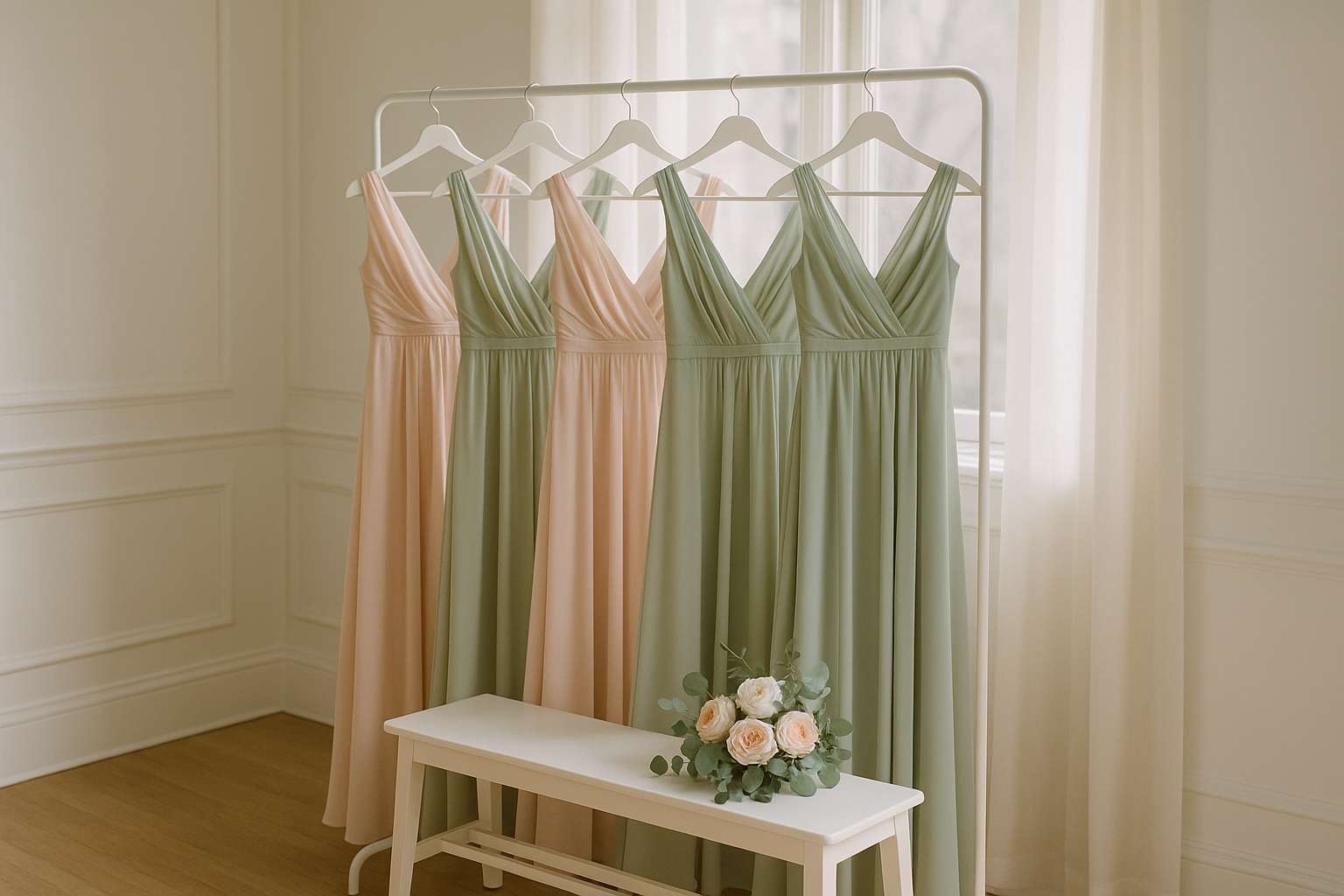
Being a bridesmaid in 2026 costs an average of $1,200–$2,500 for a local wedding — rising to $3,000–$5,000+ for a destination celebration. The dress is rarely the largest expense; the bachelorette party typically is. Knowing the full picture before saying yes protects both friendships and bank accounts.
Being asked to be a bridesmaid is one of the most meaningful honors a friend can extend. It is also, if you are not paying attention, one of the more significant financial commitments that arrives dressed as a compliment. The average bridesmaid budget has grown steadily — not because dresses have gotten more expensive, but because the bachelorette party has evolved from a local dinner into a multi-day destination event, and because the cumulative weight of individual costs — a contribution here, a gift there, a spray tan the morning of — adds up quietly until it is not quiet at all.
This guide lays out every cost honestly, with the full range of what you might spend. Whether you are a bride wondering how much you are asking of the people you love most, or a bridesmaid trying to figure out what you have signed up for, clarity is the most considerate gift either of you can give.
What does it actually cost to be a bridesmaid in 2026?
The costs of being a bridesmaid arrive in predictable waves — not all at once, which makes them easier to underestimate. Here is the complete itemized picture, based on The Knot's 2025 Real Weddings Study and current market data.
| Expense Category | Local Wedding Range | Destination Wedding Range | Notes |
|---|---|---|---|
| Bridesmaid dress | $89–$300+ | $89–$300+ | Average is ~$128 per The Knot 2025 data |
| Alterations | $75–$150 | $75–$150 | Hemming and basic fitting; complex gowns cost more |
| Hair & makeup (self-pay) | $150–$250 | $150–$250 | Only if bride does not cover; ~$100 hair + $100 makeup |
| Bridal shower contribution | $50–$100 | $50–$100 | Split among bridesmaids; includes gift + event share |
| Bachelorette party share | $150–$500 | $600–$1,500+ | The Knot estimates average bachelorette cost at ~$1,300/person |
| Wedding gift | $100–$175 | $75–$150 | Destination guests often give less, acknowledging travel costs |
| Travel & accommodations | $0–$300 | $1,000–$2,500+ | Airfare + 2–4 nights hotel; varies enormously by destination |
| Accessories, shoes, extras | $50–$150 | $50–$150 | Jewelry, shoes, clutch — especially if bride specifies matching |
| TOTAL (approximate) | $700–$2,500 | $2,500–$5,500+ | MOH typically 20–30% higher due to planning lead role |
The numbers above represent estimates from real market data — not worst-case scenarios. The bachelorette party is the single most unpredictable line item, because its cost is shaped entirely by the expectations of the group planning it. A thoughtful maid of honor sets a transparent per-person budget ceiling before any deposits are paid.
When do the costs actually hit, and how can bridesmaids plan ahead?
Bridesmaid costs rarely arrive as one invoice. They stagger over many months, which is precisely why they are so easy to underestimate. Understanding the timing allows a bridesmaid to plan her cash flow realistically — and allows a bride to give her team meaningful advance notice.
12–10 months before the wedding: If you are asked early, you may be asked to share opinions on dresses or attend a trunk show. No financial commitment yet, but begin budgeting this far out if the dress exceeds $200.
8–6 months before: The dress order is placed. This is typically a 50% deposit at boutiques, or full payment for online brands like Kennedy Blue or Birdy Grey. Bachelorette party planning also begins — this is when deposits for Airbnbs, flights, and experiences are made. Bridal shower planning may also be underway.
5–3 months before: The bridal shower arrives. A per-bridesmaid contribution of $50–$100 is typical, depending on the venue and guest count. If you ordered the dress through a boutique, alterations appointments begin around this time.
2–1 months before: The bachelorette weekend itself — the highest single-event cost for most bridesmaids. Hotel balances, group dinners, rideshares, activities, and themed outfits arrive simultaneously. Final alterations and dress pickup happen here too.
The week of the wedding: Hair and makeup appointments, any last-minute accessories, and travel costs for out-of-town bridesmaids arrive in the final stretch. The wedding gift is typically purchased now or shortly before.
What does the bride typically cover — and what falls to the bridesmaids?
Contemporary wedding etiquette does not require brides to pay for dresses, but it does suggest certain responsibilities. Understanding the dividing line helps both parties communicate clearly.
What the bride typically covers: Bridesmaid bouquets (usually $65–$125 per bouquet), the rehearsal dinner, any hair and makeup she specifically arranges and requests, and a meaningful thank-you gift ($50–$150 per bridesmaid). Many brides also cover or subsidize accessories — earrings, a necklace, a satin robe for the getting-ready photos — as a gesture of appreciation.
What bridesmaids typically pay for themselves: The dress and alterations, their share of the bachelorette party and bridal shower, hair and makeup if it is optional, travel and hotel accommodations, the wedding gift, shoes, and any other personal accessories.
The most important thing a bride can give her bridesmaids — beyond any physical gift — is early, transparent information about costs. When a bridesmaid knows what she is signing up for before she says yes, she can make a genuine, informed decision rather than discovering the financial scope gradually and feeling trapped. As financial resource SoFi notes, total wedding party costs frequently catch attendants off guard — not because the costs are unreasonable in isolation, but because no one added them up together before the commitment was made.
How to choose the right bridesmaid dress brands for real-world budgets
The bridesmaid dress market has genuinely improved for budget-conscious attendants in recent years. Several brands have built strong reputations specifically for delivering quality gowns at prices bridesmaids can actually afford:
- Birdy Grey — gowns starting at $89–$119; designed specifically around the "affordable with no sacrifice" promise; strong color range; easy online ordering with home try-on.
- Azazie — $99–$160; made-to-measure sizing available at modest upcharges; extremely wide color palette; popular for mixed-size parties.
- Kennedy Blue — $159–$189; wider fabric selection including crepe and lace; good for formal venues and brides who want a more polished look.
- David's Bridal — $89–$200; in-store try-on available; strong alteration network; accessible nationally.
- Revelry — $149–$199; known for soft fabric quality and a curated palette; popular with brides who want a cohesive, editorial aesthetic.
The most considerate framing a bride can give her bridesmaids is not "here is the dress I chose" but rather "here is the color and aesthetic I love — please find something in this range that works for your body and budget." Silhouette flexibility, within a unified color story, is how modern weddings produce beautiful, cohesive photographs without placing financial strain on the people in them.
For more guidance on building and communicating with your wedding party, see our guide to choosing the right number of bridesmaids and our maid of honor duties checklist.
Frequently asked
How much does it cost to be a bridesmaid on average in 2026?
For a local wedding, the total bridesmaid cost typically falls between $1,200 and $2,500 when you combine the dress ($128 average per The Knot's 2025 Real Weddings Study), alterations ($75–$150), hair and makeup ($150–$250 if self-pay), a contribution toward the bridal shower, a share of the bachelorette party ($300–$1,300+), and a wedding gift ($100–$175). The wide range reflects significant variability in bachelorette party scope — a local dinner is very different from a multi-city destination trip. Maid of honor expenses typically run 20–30% higher than other bridesmaids due to the planning lead role. For destination weddings, the same bridesmaid commitment can cost $3,000–$5,000 or more once airfare and hotel nights are included.
Who pays for bridesmaid dresses — the bride or the bridesmaids?
In most U.S. weddings, bridesmaids pay for their own dresses. There is no etiquette rule requiring the bride to cover the cost, but there is a strong expectation that if she cannot pay for dresses, she will keep her choice accessible — typically $100–$200 — with maximum silhouette flexibility. Brands like Birdy Grey (starting around $89–$119), Azazie ($99–$160), and Kennedy Blue ($159–$189) have built strong reputations precisely because they serve bridesmaids on real budgets. When a bride selects a dress at $300 or above without offering to cover the cost, it places a significant financial burden on the people she has asked to stand beside her. The most considerate approach is simple: pick a color and a general aesthetic, and let each bridesmaid choose her own gown within that palette from an accessible price range.
How much does the bachelorette party cost per bridesmaid?
The bachelorette party is consistently the single largest expense in the bridesmaid budget, and costs have increased substantially in recent years. The Knot estimates the average cost to attend a bachelorette party at approximately $1,300, but local celebrations can come in well under $300 while destination weekends can exceed $1,500 per person before the weekend even begins. Shared Airbnb costs, airfare, group dinners, activities, themed outfits, décor, rideshares, and covering the bride's portion all accumulate quickly. Experienced maids of honor increasingly set a transparent per-person budget ceiling at the planning stage — typically $200–$500 for a local event or $600–$1,000 for a destination weekend — and plan around it rather than letting costs drift upward without a ceiling. If a bridesmaid cannot afford the planned event, it is far kinder to design the celebration around what the group can afford than to create financial strain for someone you value.
Is the bridesmaid expected to pay for her own hair and makeup?
It depends on the bride's instructions. If the bride requests that all bridesmaids have their hair and makeup done in a specific style with a specific artist, the traditional expectation is that she pays for those services. If bridesmaids are given the option to opt in or do their own thing, the individual bridesmaid pays if she chooses professional services. In 2025–2026, professional bridesmaid hair typically runs $80–$150 and makeup $80–$150 — a combined $150–$250 that arrives in the budget without much warning. If you are the bride and you want a cohesive look in your photographs, the most gracious choice is to budget for your bridesmaids' hair and makeup as part of the wedding budget — or to be explicit from the start that it will be self-pay and to keep the requested style simple enough to be DIY-achievable.
Does a bridesmaid still need to buy a wedding gift after paying for all the bridesmaid expenses?
Yes — gift etiquette holds that all wedding guests, including bridesmaids, are expected to give a gift. The average bridesmaid spends $100–$175 on the wedding gift, though there is no rule requiring it be at the higher end given the significant financial commitment already made. Couples who are aware of the total financial burden they have placed on their wedding party sometimes explicitly address this in conversation with their attendants — something like "your presence is more than enough" — or they register for lower price-point items to make gifting accessible. If you are a bridesmaid who has already spent significantly on the bachelorette and bridal shower, a meaningful gift at the $75–$100 range is entirely appropriate and generous. The relationship, not the price tag, is the point.
What costs does the bride typically cover for her bridesmaids?
There is no universal rule, but wedding etiquette and contemporary norms suggest the bride's financial responsibility to her bridesmaids includes: bridesmaid bouquets (typically $65–$125 each), rehearsal dinner expenses, any day-of hair and makeup she has specifically requested and arranged, and a meaningful thank-you gift ($50–$150 per person). Many brides also cover or subsidize accessories — earrings, a necklace, a robe for the getting-ready photos — as a thoughtful gesture. What the bride typically does not cover: the dress (unless she chooses to), alterations, the bachelorette party, the bridal shower, or the wedding gift. The clearest gift a bride can give her bridesmaids is radical transparency about costs early in the process — before anyone has said yes.
How can bridesmaids manage costs without offending the bride?
Honest, early, and warm communication is the answer. If you are a bridesmaid who receives a dress request above your budget, it is entirely appropriate to say something like: "I am so honored to be part of your day. I want to be transparent — the $280 dress is a stretch for me right now. Is there any flexibility on the brand, or could I look for a similar style at a lower price point?" Most brides, when approached kindly, will either provide more flexibility or subsidize the cost. Similarly, when the bachelorette planning begins, a simple message to the maid of honor — "I want to be fully there for this, and I need to keep my share under $400" — sets a clear expectation without drama. The bridesmaids who manage costs best are the ones who speak up early, before commitments are made.