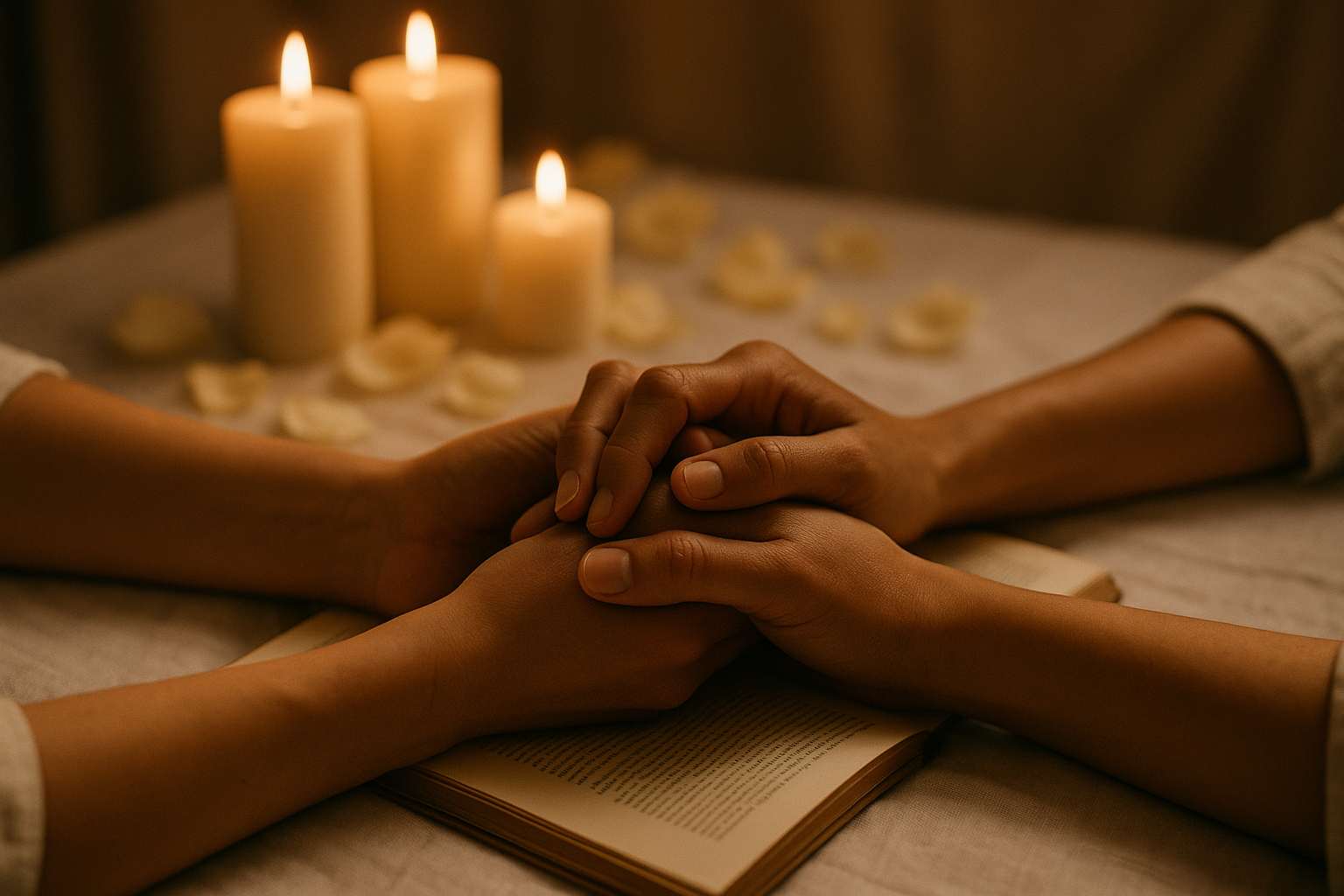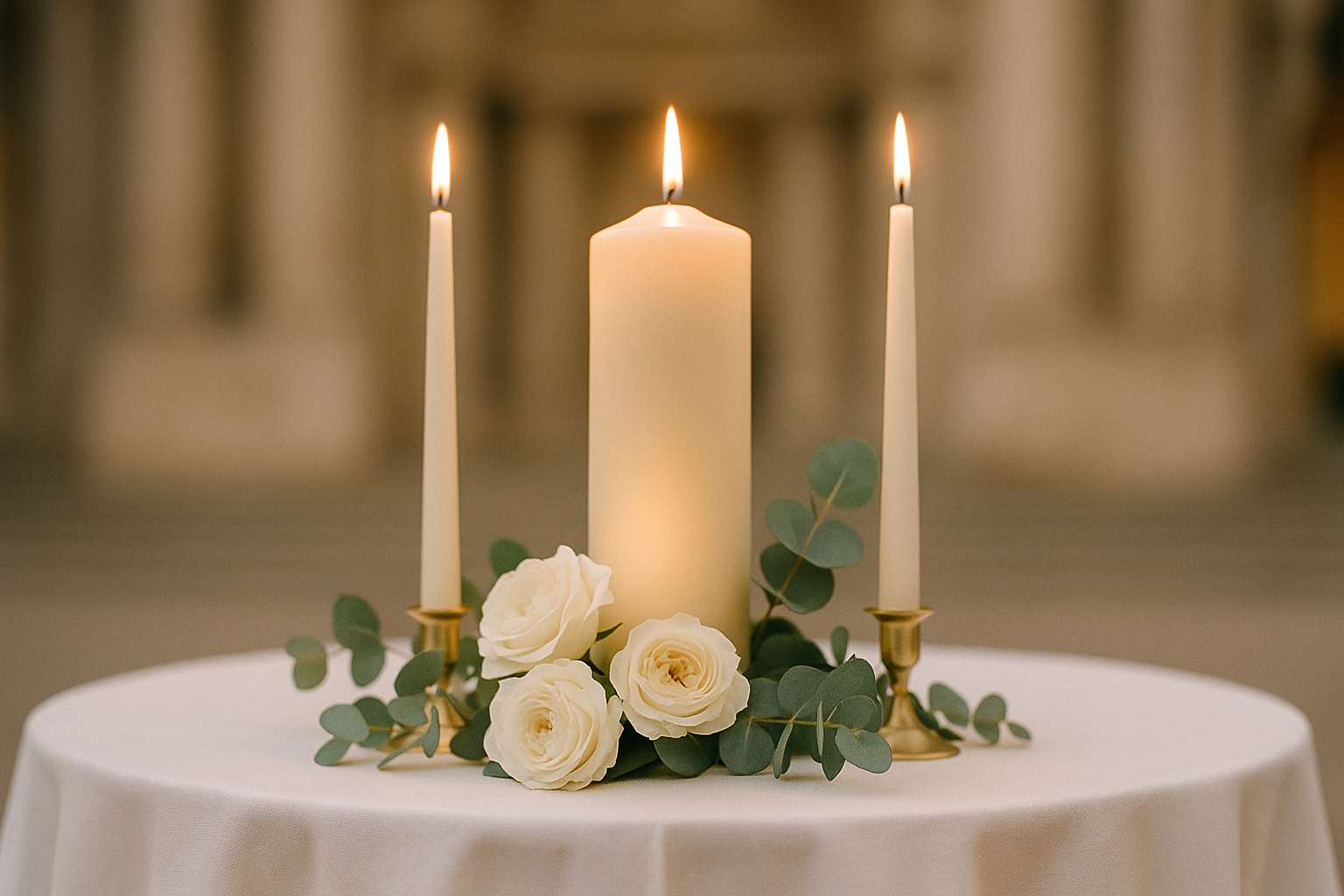
Unity Candle vs. Sand Ceremony: Which Is Right for Your Wedding?
Two of the most beloved unity rituals in American weddings, compared side by side — from symbolism and cost to outdoor practicality and blended-family use.
Ceremony structure, vows, readings, faith and cultural traditions, and the marriage license.
The ceremony is the heart of the wedding — the few minutes that everything else is built around. This section helps you shape it: how a ceremony is structured and the order it usually follows, how to write vows that sound like you rather than a greeting card, and how to choose readings and rituals that carry meaning. We also cover faith and cultural traditions with care, and the unglamorous-but-essential paperwork — getting your marriage license right so the day is legally valid.
Two of the most beloved unity rituals in American weddings, compared side by side — from symbolism and cost to outdoor practicality and blended-family use.
Sixty-one percent of couples wrote their own vows in 2025. But traditional vows have survived centuries for good reasons. This is an honest comparison — costs, legal standing, time investment, and practical delivery — so you can choose what is actually right for your ceremony.
The Sheva Brachot are the liturgical heart of the Jewish wedding ceremony — seven ancient blessings that connect your marriage to creation, community, and the hope of Jerusalem. Here is what each one means and how to make them deeply personal.
The Nikah is elegantly simple in its essential form — offer, acceptance, witnesses, and mahr — yet it carries the full weight of a sacred covenant. Here is the complete guide for modern Muslim brides in America.
A multicultural wedding honors two heritages with equal depth — but it costs more than a single-tradition celebration in ways most couples do not anticipate. Here is how to budget honestly and beautifully.
A marriage covenant is a sacred, binding promise made before God — not a contract that expires when circumstances change. Here is what that distinction means for your vows, your ceremony, and the decades ahead.
From Kabbalat Panim and Badeken to the shattering of the glass and Yichud, every element of the Jewish wedding ceremony carries meaning centuries deep. Here is the complete order of events — with timing, denominational variations, and what to expect.
Honoring two faiths in one ceremony is not a compromise — it is one of the most meaningful things a couple can create together. Here is how to plan a Jewish-Christian wedding that is true to both of you.
Twenty-six percent of married Americans have a spouse of a different religious background. Planning a ceremony that honors both traditions well — not as a compromise, but as something richer than either alone — is one of the most meaningful things a couple can do.
Nearly half of couples now choose a non-religious ceremony. Here is exactly how to do it — legally, meaningfully, and beautifully — from choosing a venue and officiant to writing vows that will move everyone in the room.
Your officiant is the only vendor whose voice fills the room during the moment you actually become married. Here is how to find, vet, and hire the right one — clergy, professional, or beloved friend.
The Knot's 2026 Real Weddings Study puts the average at $260 — but type, location, and what is included in the package vary enormously. Here is every number you need.
One to two minutes per person. That is the answer — and the reasoning behind it is more important than the number itself.
Twenty minutes feels rushed. Ninety minutes loses the room. Here is the honest timing guide — broken down by tradition, guest count, and the rituals you are planning — that every bride needs before she talks to her officiant.
The Saptapadi — the seven sacred steps around the holy fire — is the spiritual and legal heart of a Hindu wedding. Here is what each step means, how the ritual unfolds, and what modern couples are doing to honor it.
A courthouse wedding is legally identical to any other — and with the right preparation, it can be just as beautiful. Here is everything you need to make it official, smooth, and genuinely memorable.
Whether you celebrate with a full Nuptial Mass or the shorter Rite of Matrimony, your Catholic wedding is a valid sacrament either way. Here is how to make the decision with confidence — and what each form actually looks like.
From baptismal certificates and Pre-Cana to canonical freedom and the Nuptial Mass, here is every requirement for marrying in the Catholic Church — with the timeline your parish actually needs.
Yes — in most U.S. states your best friend can legally marry you after a free online ordination. But the details matter enormously. Here is every state requirement, legal pitfall, and step-by-step guide you need.
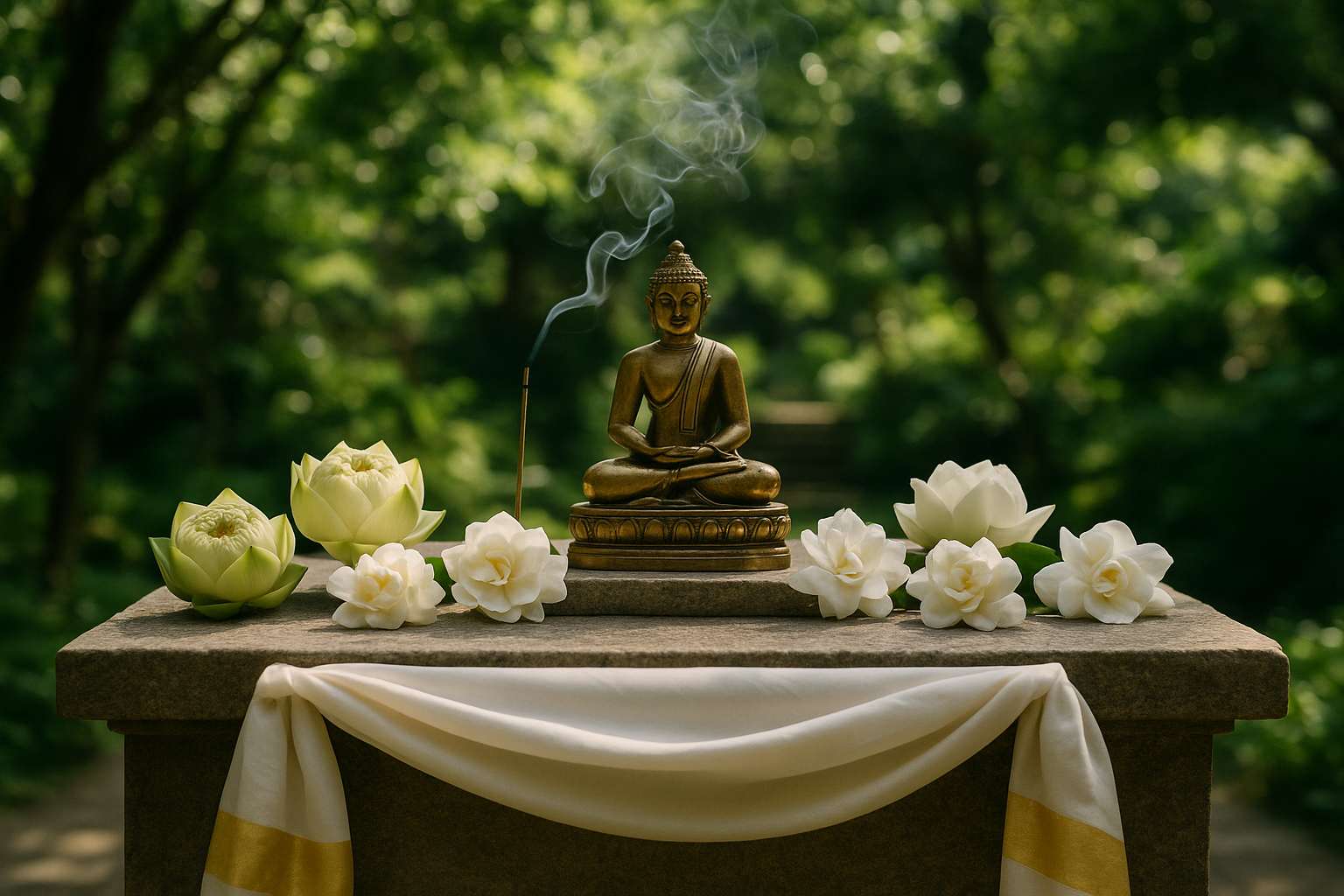
Buddhism has no single prescribed wedding rite — which makes a Buddhist ceremony among the most personal, spiritually grounded celebrations in any tradition. Here is everything you need to plan one with depth and intention.
Most run 20–30 minutes, though religious ceremonies can be longer. We cover how to structure the time so it feels complete without dragging.
Start with a story and a promise, keep it to about a minute, and read it aloud before the day. This hub includes prompts and examples to help you find your words.
Timing rules vary by location — some licenses expire quickly, others have a waiting period. We explain how to check the requirements where you are marrying and avoid a last-minute scramble.